A Comprehensive Guide to Chronic Pain Management Without Medication
22 March 2026
Living with chronic pain is no walk in the park. It’s like carrying an invisible backpack filled with bricks every single day. You might look perfectly fine on the outside, but inside, your body is in a constant tug-of-war with discomfort. And while popping a pill may offer temporary relief, long-term reliance on medication often brings side effects, complications, or worse—dependence.
So what if you could manage chronic pain without meds? Sounds too good to be true? Stick around. We’re unpacking a warm and holistic approach to pain management that doesn’t involve reaching for the medicine cabinet.
What Is Chronic Pain, Anyway?
Let’s start with the basics. Chronic pain is pain that lasts longer than three months. It can stem from an injury that never fully healed, a medical condition like arthritis or fibromyalgia, or sometimes, it shows up without a clear reason.Unlike acute pain (the kind you feel when you stub your toe or cut your finger), chronic pain is persistent. It weaves into your daily routine, affecting everything from sleep and mood to relationships and work. And while traditional medicine often focuses on treating the symptoms, you can actually target the root causes—and improve your quality of life—without a single pill.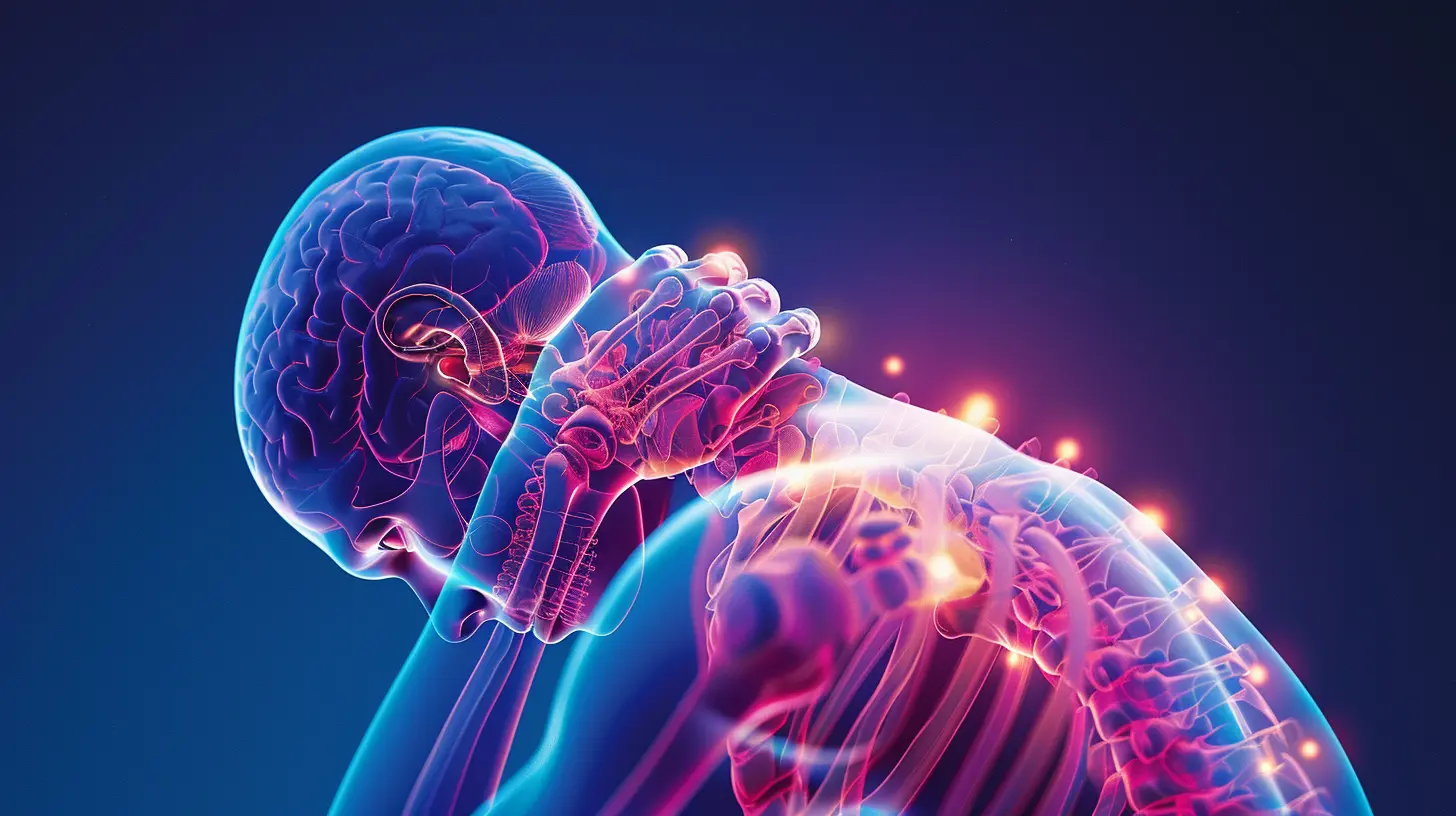
Why Go Medication-Free?
Now, let’s be real. Medication can be extremely helpful, especially in severe cases—but it’s not a one-size-fits-all solution. Many painkillers come with baggage: risk of addiction, stomach problems, liver or kidney damage, and more.Going medication-free doesn’t mean you’re ignoring your pain. Instead, it’s about using smarter, safer, and more sustainable methods that focus on healing your entire self—mind, body, and soul.
Ready to take charge of your pain naturally? Let’s dive into the toolbox of techniques that have helped thousands regain control of their lives.
1. Movement is Medicine: Gentle Exercise
Okay, I know what you’re thinking—“I’m in pain, and you want me to move more?” Yep. But hear me out.When you're hurting, the last thing you want to do is exercise. But regular physical activity (we’re talking light stretching, walking, or yoga—not marathon training) can actually reduce pain in the long run.
Why It Works
Movement helps increase blood flow, which brings more oxygen and nutrients to sore muscles and tissues. It also boosts the release of endorphins—your body’s natural painkillers.Best Low-Impact Activities for Chronic Pain
- Walking: Simple, free, and easy on the joints.- Swimming: Takes pressure off your body while engaging all your muscles.
- Tai Chi: A slow, flowing martial art focused on balance and awareness.
- Yoga: Helps with flexibility, strength, and mental calmness.
Consistency is key. Even five minutes a day can make a visible difference over time.
2. Change Your Brain: Mindfulness & Meditation
Ever hear the phrase “pain is in the brain”? While the pain you feel is real, your brain plays a massive role in how you perceive it.Mindfulness and meditation teach you to observe your pain objectively—without judgment or panic. Think of it as training your mind to stop catastrophizing and start coping.
Simple Practices to Try
- Body Scan Meditation: Lie down, breathe deeply, and mentally scan your body from head to toe.- Box Breathing: Inhale for 4 seconds, hold for 4, exhale for 4, hold for 4. Repeat.
- Mindful Walking: Focus entirely on the sensation of your feet touching the ground.
By calming your nervous system, you reduce inflammation and muscle tension, making pain less intense over time.
3. The Power of Food: Anti-Inflammatory Diet
Food isn’t just fuel—it’s medicine. What you’re putting on your plate directly affects inflammation and, consequently, your pain levels.Pain-Fighting Foods to Include
- Omega-3 rich fish like salmon or sardines- Colorful fruits and vegetables, especially berries, spinach, and sweet potatoes
- Nuts and seeds (hello, almonds and flaxseeds!)
- Whole grains like quinoa and brown rice
- Olive oil over butter or margarine
Foods to Avoid
- Sugary drinks and snacks- Processed foods
- Red meats
- Trans fats
Basically, if it comes in a box with a long shelf life, it’s probably not doing your pain any favors.
4. Heat, Ice, and Alternative Therapies
Sometimes old-school remedies are the best kind. Heat and ice therapy might seem basic, but they’re incredibly effective when used properly.When to Use Ice vs. Heat
- Ice: Best for inflammation and swelling (like after overdoing it).- Heat: Great for stiff, achy muscles and improving circulation.
Other Natural Therapies
- Massage: Relieves muscle tension and improves circulation.- Acupuncture: Stimulates healing through tiny needles—don’t knock it till you try it!
- Chiropractic care: Helps realign your spine and reduce nerve pressure.
Many people pair these with other strategies for a more well-rounded approach.
5. Sleep: Your Secret Weapon
Want to know the ultimate pain reliever that’s free and always available? Yep, it’s sleep.Chronic pain and poor sleep often go hand in hand. When you're running on empty, your pain tolerance plummets. It’s a vicious cycle: pain keeps you awake, and lack of sleep makes the pain worse.
Tips for Better Sleep
- Stick to a regular bedtime routine.- Avoid caffeine and screens before bed.
- Try white noise or calming music.
- Make sure your mattress supports your body comfortably.
If falling asleep is tough, consider journaling or reading something light before bed to help your mind unwind.
6. The Right Kind of Support: Talk Therapy
Chronic pain doesn’t just hurt your body—it can take a toll on your emotions and mental health. Depression, anxiety, and frustration often come along for the ride.Talking to a therapist (especially someone trained in cognitive behavioral therapy, or CBT) can be incredibly helpful. CBT teaches you how to reframe negative thinking and develop healthier habits around your pain.
Group therapy and chronic pain support groups are also awesome ways to connect with others on the same journey. You’re not alone—even in your worst moments.
7. Track Your Triggers: Keep a Pain Journal
Let’s be honest—chronic pain isn’t always predictable. But tracking it can help you start noticing patterns and triggers.Use a simple notebook or an app to track:
- Pain intensity levels throughout the day
- Foods you eat
- Activities you do
- Mood and stress levels
- Sleep quality
Over time, you’ll start to recognize what sets your pain off—and what helps calm it down.
Knowledge is power, especially when it comes to managing your own health.
8. Stress Less: Lifestyle Changes That Matter
Chronic stress is like gasoline on the fire of chronic pain. Your body tenses, your mind races, and before you know it, everything just hurts more.Lowering your daily stress levels can make a huge difference in your pain management journey.
Simple Stress-Reducing Habits
- Practice gratitude: Write down three things you’re grateful for each morning.- Get outside: A short walk in nature can reset your whole mood.
- Limit screen time: Especially social media—it’s a comparison trap.
- Say “no” more often: Your health deserves boundaries.
Final Thoughts: You’ve Got This
Living with chronic pain is tough—it can feel isolating and overwhelming at times. But the good news? You’re not powerless. You don’t have to be at the mercy of your condition or rely solely on medication to get through the day.With small, consistent lifestyle changes, you can reclaim control over your body and your life. Will it happen overnight? Nope. But healing takes time, and every step in the right direction counts.
So start where you are. Be gentle with yourself. And remember—you are so much stronger than your pain.
all images in this post were generated using AI tools
Category:
Chronic PainAuthor:

Angelo McGillivray
Discussion
rate this article
2 comments
Elias Middleton
Intriguing approach! What alternative therapies have you found most effective for managing chronic pain?
April 9, 2026 at 3:50 AM
Angelo McGillivray
Thank you! Some effective alternative therapies I've found include acupuncture, mindfulness meditation, and yoga. Each can help reduce pain and improve overall well-being.
Abigail Barker
While non-medication strategies are vital, it’s crucial to acknowledge that chronic pain management is deeply individual—what works for one may not work for another.
April 2, 2026 at 4:27 AM
Angelo McGillivray
Absolutely, personalization is key in chronic pain management. Each individual's experience is unique, and tailored approaches are essential for effective relief.