Addressing Sleep Disorders in Older Adults: Key Insights
7 January 2026
Sleep. It’s one of those things we often take for granted until it starts slipping away. And as we age, it seems like restful nights become more of a rare find than a nightly norm. If you—or a loved one—are in your golden years and constantly staring at the ceiling at 3 AM, you're definitely not alone.
Let’s dive into what’s going on with sleep in older adults and how we can finally catch those elusive ZZZs.
Why Sleep Changes With Age
You might be wondering, “Why does sleep get worse with age?” Good question. The truth is, aging affects pretty much every system in your body—including your sleep cycle.As we grow older, our sleep architecture shifts. That means less deep sleep (the restorative kind) and more light sleep. It’s like trading in your comfy memory foam mattress for a rock-hard futon—just not as satisfying. Add in more frequent bathroom trips, aches and pains, and even medications, and it’s no surprise that good sleep becomes elusive.
The Science Behind It
Your brain has a built-in clock, called the circadian rhythm, that tells you when to feel sleepy or awake. But with age, this system starts running a little out of sync—like a watch that’s just a few minutes too slow. Melatonin production also goes down, which means your body doesn’t get the same strong signals to go to sleep at night.
Common Sleep Disorders in Older Adults
Sleep problems aren’t just about tossing and turning. Many older adults experience full-blown sleep disorders, and here are the most common culprits:1. Insomnia
By far, the most reported issue. Insomnia means you’re either having trouble falling asleep, staying asleep, or waking up way too early and not being able to nod off again. Stress, chronic pain, and medications often play a role.2. Sleep Apnea
This one’s serious and, unfortunately, often overlooked. Sleep apnea causes repeated pauses in breathing during sleep. You might not even know you have it—only that you wake up tired even after a full night in bed. If you snore like a freight train, it’s worth talking to your doctor.3. Restless Legs Syndrome (RLS)
Ever feel like your legs have a mind of their own right when you’re trying to relax? That could be RLS. It’s an irresistible urge to move your legs, often accompanied by tingling or crawling sensations.4. Periodic Limb Movement Disorder (PLMD)
Different from RLS, this one causes involuntary jerking movements during sleep. It doesn’t just keep you up—it might be driving your partner nuts too.5. REM Sleep Behavior Disorder
In this condition, people act out their dreams—literally. Imagine trying to punch someone in a dream and doing it in real life. It’s scary and potentially dangerous, especially for older adults who are at a higher risk for falls.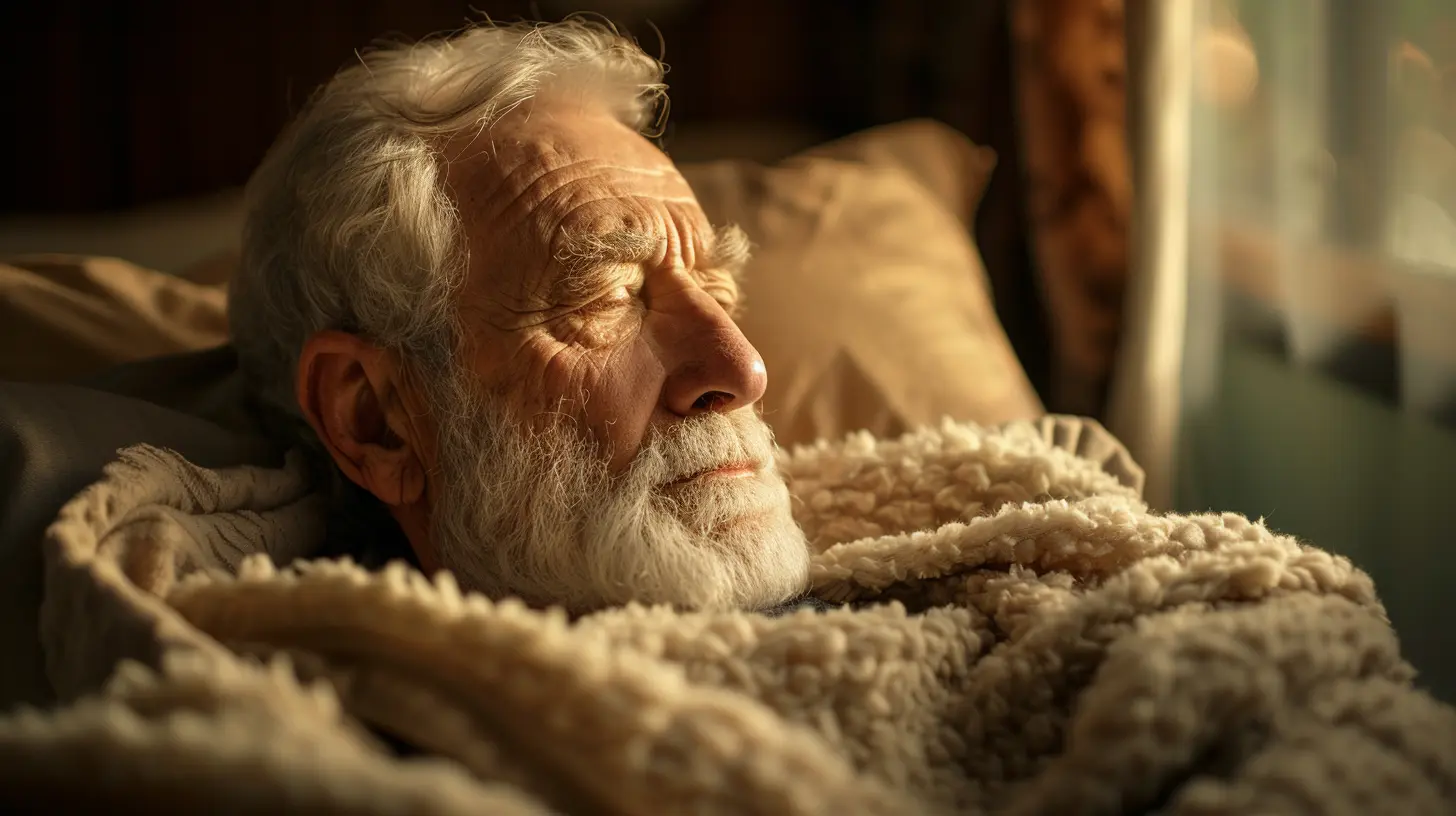
How Poor Sleep Affects Older Adults
Sleep isn’t just a luxury—it’s essential. And when older adults struggle to get their full 7–8 hours of restful sleep, it sets off a chain reaction.1. Memory and Cognitive Decline
You’ve probably noticed your memory isn't what it used to be. While some forgetfulness is normal, poor sleep can accelerate cognitive decline and make conditions like dementia or Alzheimer’s even worse.2. Mood and Mental Health
Lack of sleep can make anyone grumpy. But in older adults, it can trigger more serious issues like depression or anxiety. It’s like walking around with a dark cloud over your head that just won’t go away.3. Physical Health Risks
Trouble sleeping can raise your risk for high blood pressure, heart disease, diabetes, and even obesity. And don’t forget the increased chance of falls, which can be life-altering for seniors.
Spotting the Signs of Sleep Problems
Not sure if you or a loved one has a sleep disorder? Keep an eye out for these red flags:- Difficulty falling asleep or staying asleep
- Waking up too early
- Feeling tired or groggy during the day
- Snoring or gasping during the night
- Irritability, depression, or anxiety
- Trouble with memory or concentration
- Frequent nighttime bathroom trips
If any of these resonate, it’s time to take sleep seriously.
Tips to Improve Sleep in Older Adults
Okay, so what can you do if sleep just won’t come easy anymore? Good news—there are some practical (and often simple) changes that can make a big difference.1. Stick to a Routine
Our bodies love consistency. Going to bed and waking up at the same time every day (even on weekends!) can help reset your internal clock.2. Limit Naps
Yes, that warm afternoon nap can feel heavenly. But too many or long ones can actually mess up your nighttime sleep. Try to limit naps to 20–30 minutes, and not too late in the day.3. Create a Sleep-friendly Environment
Cool, quiet, and dark—that’s the magic trio. Make sure your bedroom is a haven, not a warzone of noise or light. Invest in blackout curtains or a white noise machine if needed.4. Keep Moving During the Day
Regular physical activity helps you fall asleep faster and enjoy deeper sleep. Just avoid working out too close to bedtime—it might leave you too wired to sleep.5. Mind What You Eat and Drink
Avoid heavy meals, caffeine, and alcohol close to bedtime. They can mess with your sleep more than you’d think. Instead, wind down with a light snack like a banana or some herbal tea.6. Limit Screen Time Before Bed
Blue light from phones and TVs can trick your brain into thinking it’s still daytime. Try reading a book instead or listening to calming music.Medical Treatments and Support
Sometimes, lifestyle changes aren’t enough. And that’s okay! There are medical options and professional support available.1. Cognitive Behavioral Therapy for Insomnia (CBT-I)
This form of therapy helps change negative thought patterns and behaviors around sleep. It’s super effective and often even more successful than sleep medications—without the side effects.2. Medications
While not the first choice, medications like melatonin or prescription sleep aids can be useful in short-term situations. Always talk to a doctor first, though. Some meds can be risky for older adults.3. Treatment for Underlying Conditions
Sometimes sleep disorders are secondary to issues like chronic pain, depression, or breathing problems. Treating those can lead to better sleep.When to Talk to a Doctor
If sleep problems are affecting your quality of life, don’t shrug it off. Talk to a healthcare provider. They might suggest a sleep study or refer you to a sleep specialist. Getting to the root of the problem can make a world of difference.Supporting a Loved One With Sleep Issues
Watching a parent, spouse, or friend struggle with sleep can be heartbreaking. You want to help, but sometimes don’t know how.Here’s what you can do:
- Encourage a doctor’s visit
- Help them keep a sleep diary
- Adjust household routines to support better sleep
- Be patient and understanding—it’s frustrating for them too
Final Thoughts: Sleep Isn’t a Luxury—It’s a Necessity
A good night’s sleep is like recharging your phone battery—necessary for everything to function properly. For older adults, sleep disorders can be a serious issue, but they’re not unbeatable. With the right tools, support, and maybe a little patience, restful nights can be within reach again.So whether it’s you or someone you care about who’s struggling, don’t ignore the signs. Take steps to prioritize sleep—it’s one of the best investments in long-term health and happiness.
all images in this post were generated using AI tools
Category:
Sleep DisordersAuthor:

Angelo McGillivray
Discussion
rate this article
2 comments
Georgia McGinnis
Who knew that counting sheep could lead to an existential crisis? 🐑💭 Let's dive into the land of nod with these quirky insights on helping our wise elders reclaim their slumber! Sweet dreams await!" 🌙✨
February 5, 2026 at 4:56 AM
Angelo McGillivray
Absolutely! Sleep challenges in older adults can spark deeper reflections. Let's explore effective strategies to ensure they enjoy restful nights and sweet dreams!
Lincoln Dillon
This article provides essential insights into the complex sleep disorders faced by older adults. Understanding the unique challenges and potential interventions emphasizes the importance of tailored approaches for improving sleep quality in this population. Such awareness can significantly enhance overall well-being and quality of life for seniors.
January 15, 2026 at 5:38 PM
Angelo McGillivray
Thank you for your insightful comment! I'm glad you found the article valuable in highlighting the importance of tailored approaches to improve sleep quality in older adults.