Are GMOs Dangerous or Just Misunderstood?
9 November 2026
Genetically Modified Organisms, or GMOs, have been a topic of heated debate for decades. Whether you are a farmer, a consumer, or just curious about food science, understanding GMOs is essential. The conversation around GMOs often oscillates between fear and fascination, leading many to question their safety, benefits, and impact on health and the environment. This article aims to provide a nuanced perspective on GMOs, addressing common misconceptions, evaluating their risks and benefits, and offering practical advice for consumers and producers alike.
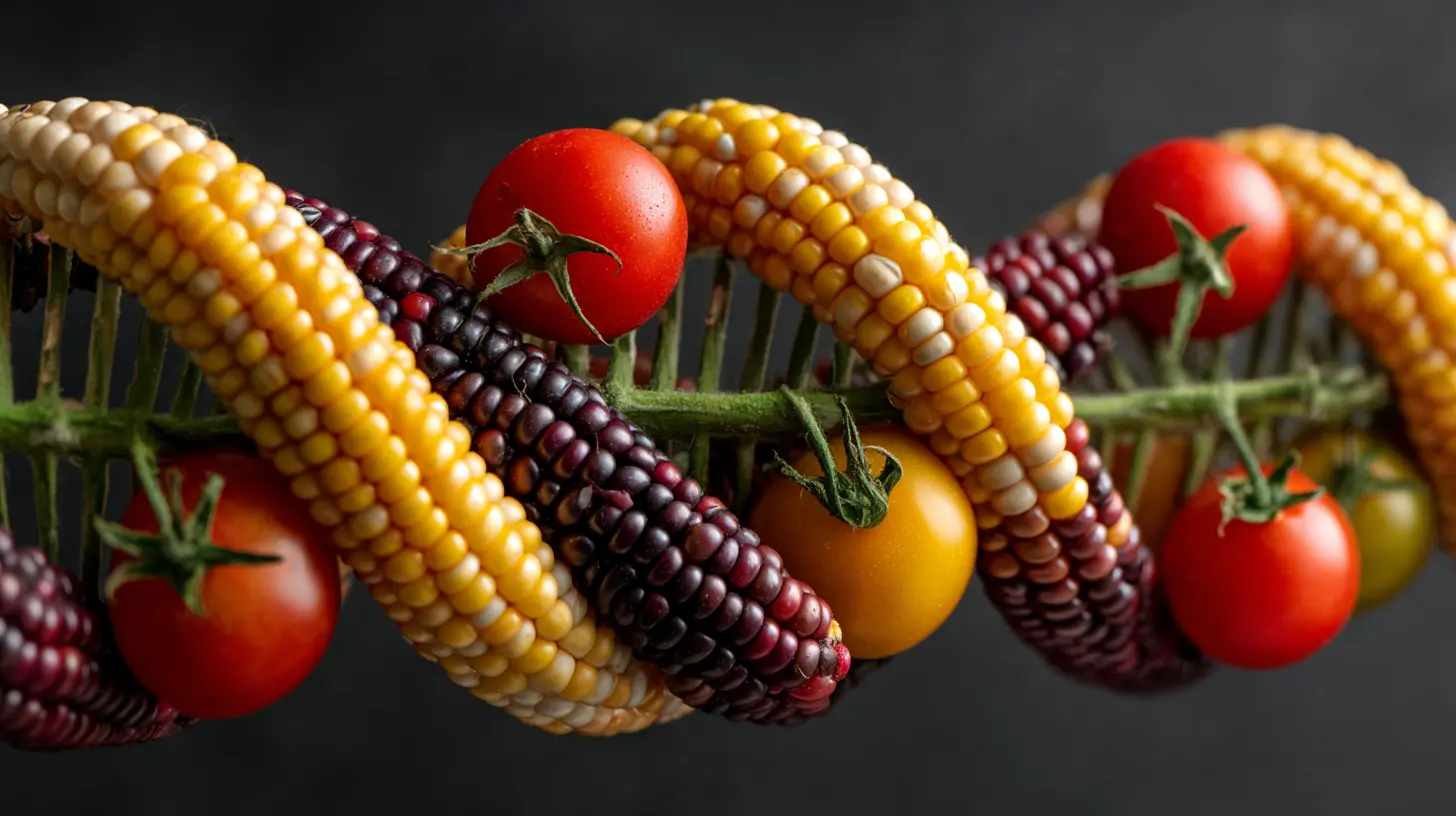
Understanding GMOs
What Are GMOs?
GMOs are organisms whose genetic material has been altered using genetic engineering techniques. This manipulation enables scientists to introduce new traits or characteristics to the organism, such as resistance to pests, improved nutritional content, or increased yield. Common examples include Bt corn, which has been modified to produce a bacterial toxin that deters pests, and Golden Rice, enriched with vitamin A to combat deficiencies in certain populations.The Science Behind GMOs
The genetic modification process typically involves the insertion, deletion, or alteration of DNA sequences within an organism's genome. This can be achieved through several methods, including:- Agrobacterium-mediated transformation: Utilizes a bacterium to transfer DNA into plant cells.
- Gene guns: Shoots microscopic gold or tungsten particles coated with DNA into plant cells.
- CRISPR/Cas9 technology: Allows for precise editing of genes by cutting DNA at specific locations.
These techniques have undergone rigorous testing to ensure that the modified organisms do not harm human health or the environment.
Safety Concerns
Are GMOs Safe for Human Consumption?
One of the primary concerns surrounding GMOs is their safety for human consumption. Numerous studies, including reports from the World Health Organization and the National Academy of Sciences, have concluded that GMOs currently on the market are safe to eat. These studies indicate that there is no substantial evidence linking GMOs to adverse health effects in humans.However, it is essential to understand that safety assessments are ongoing. Regulatory bodies continue to monitor and evaluate GMOs as new information and technologies emerge. Consumers should stay informed about these developments, as science is always evolving.
Environmental Impact
Another area of concern is the potential environmental impact of GMOs. Critics argue that monoculture farming practices, which often accompany GMO cultivation, can lead to reduced biodiversity and increased reliance on chemical inputs. For instance, the overuse of herbicide-resistant crops has led to herbicide-resistant weed populations, prompting some farmers to use even stronger chemicals.On the other hand, proponents argue that GMOs can contribute to more sustainable agricultural practices. For example, crops engineered for pest resistance can reduce the need for chemical pesticides, benefiting both the environment and farm workers. genetically modified crops can be designed to thrive in challenging climates, potentially helping to address food security in regions affected by climate change.
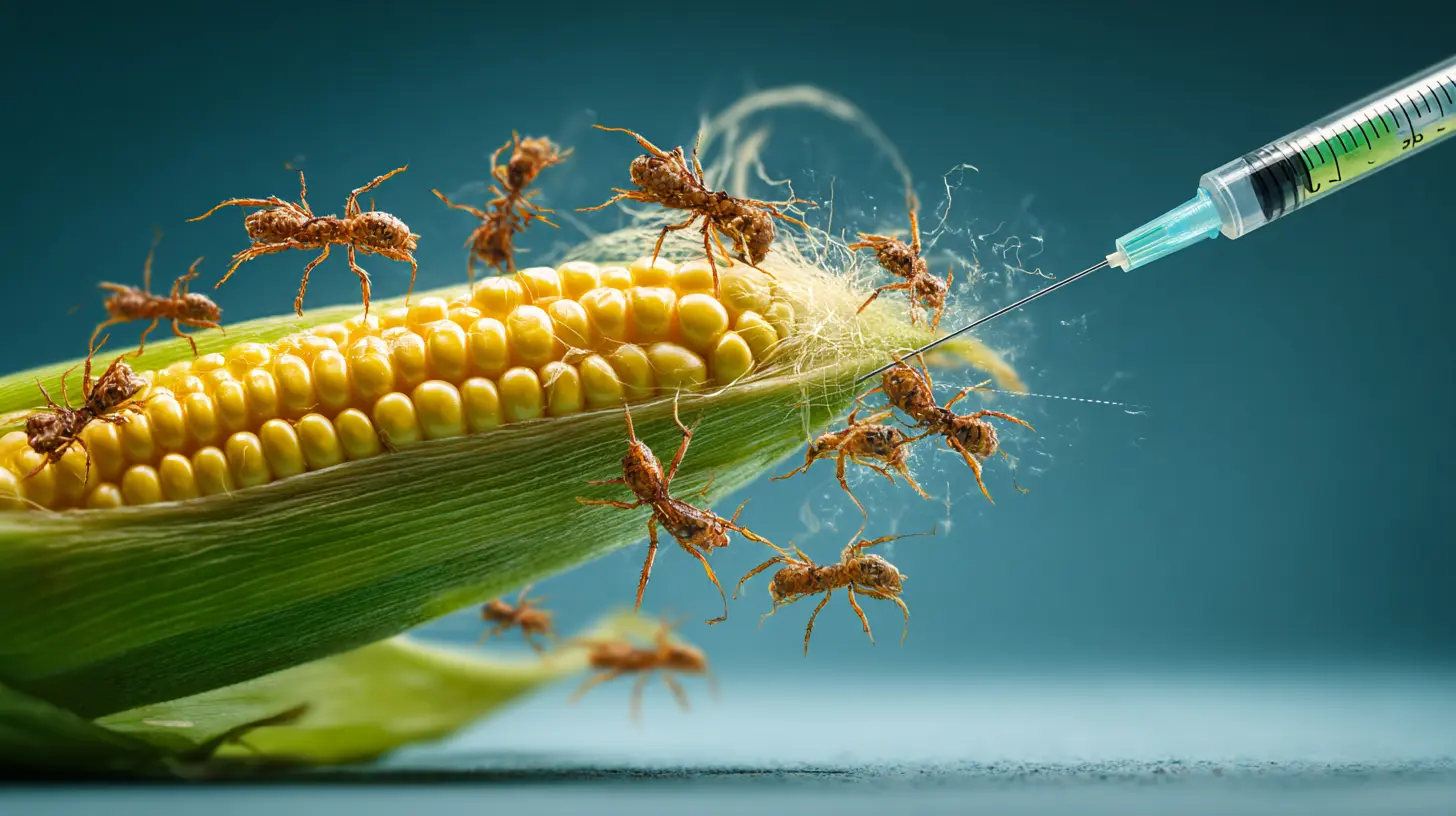
Common Misconceptions About GMOs
GMOs Are Unnatural
A prevalent misconception is that GMOs are "unnatural" and therefore unsafe. However, all forms of agriculture involve some level of modification, whether through selective breeding or hybridization. Genetic engineering simply speeds up the process and can introduce traits that would be challenging to achieve through traditional methods.GMOs Cause Allergies
Another common belief is that GMOs are responsible for the rise in food allergies. While it is true that certain GMOs have been linked to allergenic reactions, rigorous testing is conducted to ensure that new organisms do not introduce new allergens. the increase in allergies may be influenced by various factors, including environmental changes, diet, and lifestyle.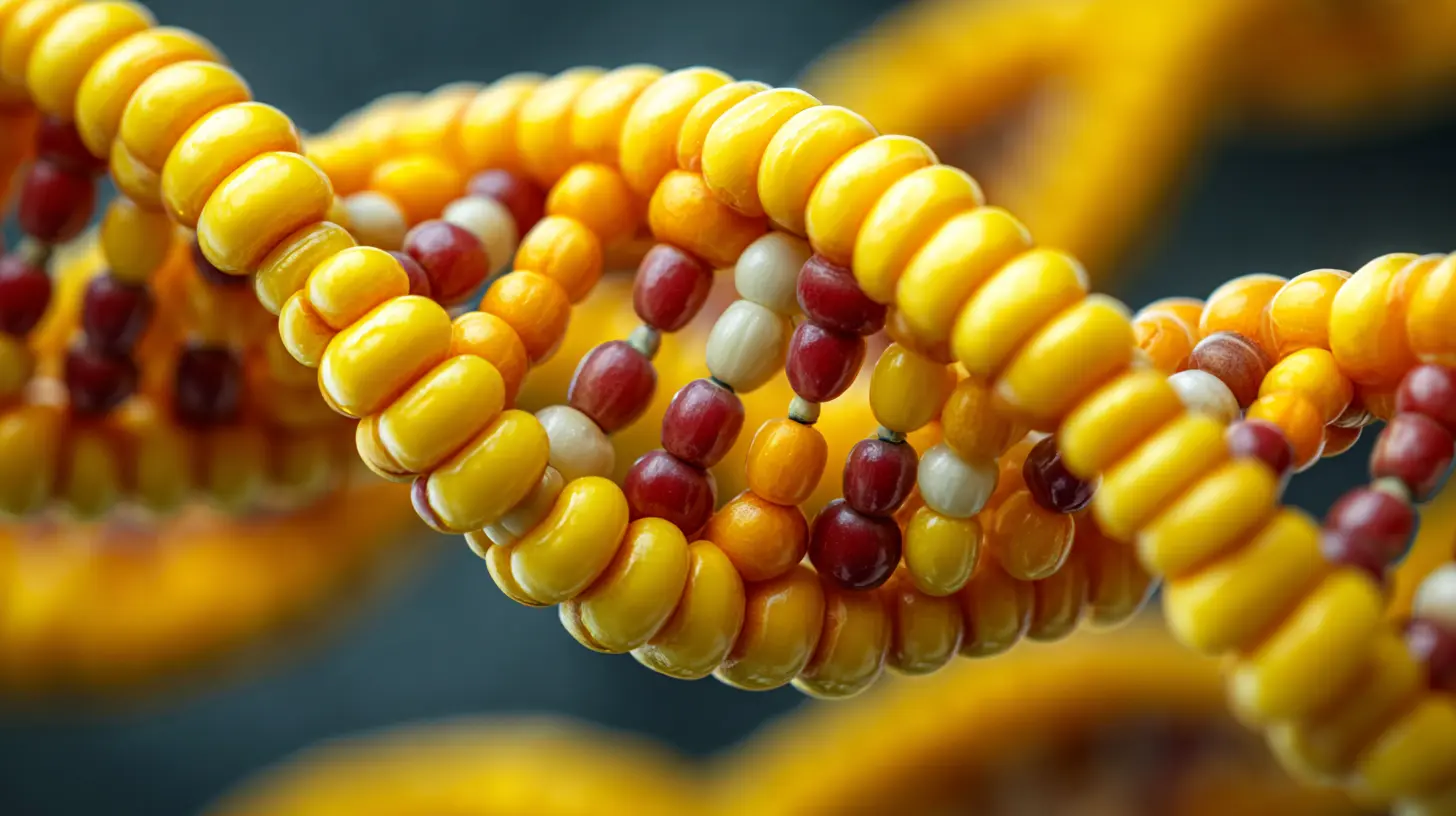
Practical Advice for Consumers
How to Make Informed Choices
For consumers concerned about GMOs, here are several strategies to consider:1. Check Labels: In many regions, food products containing GMOs must be labeled. Familiarize yourself with these regulations to make informed choices.
2. Shop Organic: Organic certification typically prohibits the use of GMOs. While organic products may come with a higher price tag, they offer a straightforward option for those who prefer to avoid GMOs.
3. Support Local Farmers: Many local farms practice non-GMO farming. By purchasing directly from farmers, you can often learn more about their farming practices and make choices aligned with your values.
4. Educate Yourself: Stay informed about the ongoing research and debate regarding GMOs. Reliable sources include scientific journals, agricultural extension services, and reputable organizations focused on food safety.
The Role of Biotechnology in Sustainable Agriculture
Biotechnology can enhance agricultural sustainability in several ways:- Increased Yields: GMOs can help farmers produce more food on less land, essential as the global population continues to grow.
- Reduced Resource Use: Crops engineered to be drought-resistant can thrive with less water, making them valuable in areas facing water scarcity.
- Pest and Disease Management: By reducing the need for chemical pesticides, GMOs can lower the environmental impact of farming.
Considering these benefits, it is crucial to weigh the trade-offs when discussing the role of GMOs in agriculture.
Real-World Examples
Success Stories
1. Bt Cotton: In India, the introduction of Bt cotton has led to significant increases in yield and reductions in pesticide use. Farmers have reported higher income levels, which can contribute to improved living conditions.2. Drought-Tolerant Maize: In sub-Saharan Africa, drought-tolerant maize varieties have been developed to withstand water scarcity. This innovation has helped farmers maintain productivity during dry seasons, improving food security in vulnerable regions.
Challenges Faced
Despite these successes, the adoption of GMOs is not without challenges:- Public Skepticism: Many consumers remain skeptical about GMOs, impacting their acceptance. Effective communication from scientists and agricultural experts is vital to bridge this gap.
- Market Access: Farmers growing non-GMO crops may face challenges accessing markets that demand non-GMO products. This can create economic pressures that influence decisions.
Ethical Considerations
The debate over GMOs also encompasses ethical considerations. Should scientists manipulate the genetic code of living organisms? This question evokes strong feelings on both sides. Proponents argue that the potential benefits, such as increased food security and reduced environmental impact, justify the use of biotechnology. Critics raise concerns about corporate control of the food supply and the long-term implications of genetic modifications.When considering the ethical dimensions of GMOs, it is essential to engage in open dialogue that includes diverse perspectives. This can foster a better understanding of the complexities involved and lead to more informed decision-making.
Conclusion
The question of whether GMOs are dangerous or just misunderstood does not have a simple answer. While scientific consensus supports the safety of GMOs in food, ongoing challenges and ethical considerations warrant attention. As consumers, being informed and open to new information is crucial for making choices that align with personal values and health goals.Whether advocating for the benefits of biotechnology or supporting organic farming practices, understanding GMOs requires a balanced perspective. By engaging with the science, considering the societal impact, and making informed choices, individuals can navigate this complex landscape effectively.
all images in this post were generated using AI tools
Category:
Nutrition MythsAuthor:

Angelo McGillivray