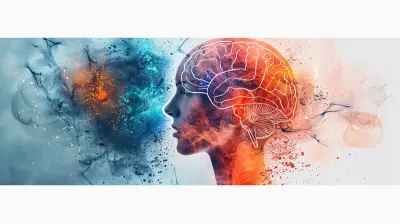
Brain Health and Aging: What to Expect and How to Adapt
22 June 2026
When it comes to aging, one thing that's often overlooked is brain health. We think about wrinkles, achy joints, or even gray hair, but how many of us stop to consider the changes happening upstairs? Here’s the thing: as we age, our brains change too. And while that might sound a little scary, it's not something to dread. In fact, understanding what happens and how to adapt can make a world of difference. So, let’s dive into this fascinating topic together. 
What Happens to the Brain as We Age?
Aging is as natural as the sunrise, and just as inevitable. But what does aging actually do to the brain? Here's a breakdown:1. Slower Cognitive Processing
Ever find yourself mid-sentence and forget where you were going with that thought? That’s a classic sign of slower processing. As we age, it takes our brains a little longer to process information. Think of it like your computer slowing down after years of use—it still works, but it might need an extra second (or five).2. Memory Changes
Remembering names, dates, or where you left your keys might feel more like a mental marathon than a sprint. While forgetting little things occasionally is normal, significant memory loss isn’t. What’s happening here? The hippocampus, the part of the brain responsible for memory, tends to shrink with age. The good news? You can keep it sharp (more on that later).3. Brain Shrinkage
Yes, your brain actually shrinks as you get older—though not enough for you to notice! This shrinkage mainly affects areas responsible for learning and complex decision-making. But don’t picture your brain deflating like a balloon; it’s more subtle than that.4. Reduced Blood Flow
Blood flow to the brain decreases over time, much like water pressure in an older house. And just like that house, your brain needs proper maintenance to work efficiently. Poor circulation can lead to cognitive decline and other issues, which is why it's essential to keep those blood vessels healthy.
Common Myths About Brain Aging
Before we go any further, let’s bust some myths that might be floating around in your head:- All brain aging leads to dementia: Nope! While age is a risk factor for Alzheimer's and other dementias, most people do not develop these conditions.
- You can’t teach an old dog new tricks: Wrong again. Your brain is constantly forming new connections, even in your golden years.
- Brain exercises are useless: Actually, they can make a difference (think crossword puzzles or learning a new hobby). 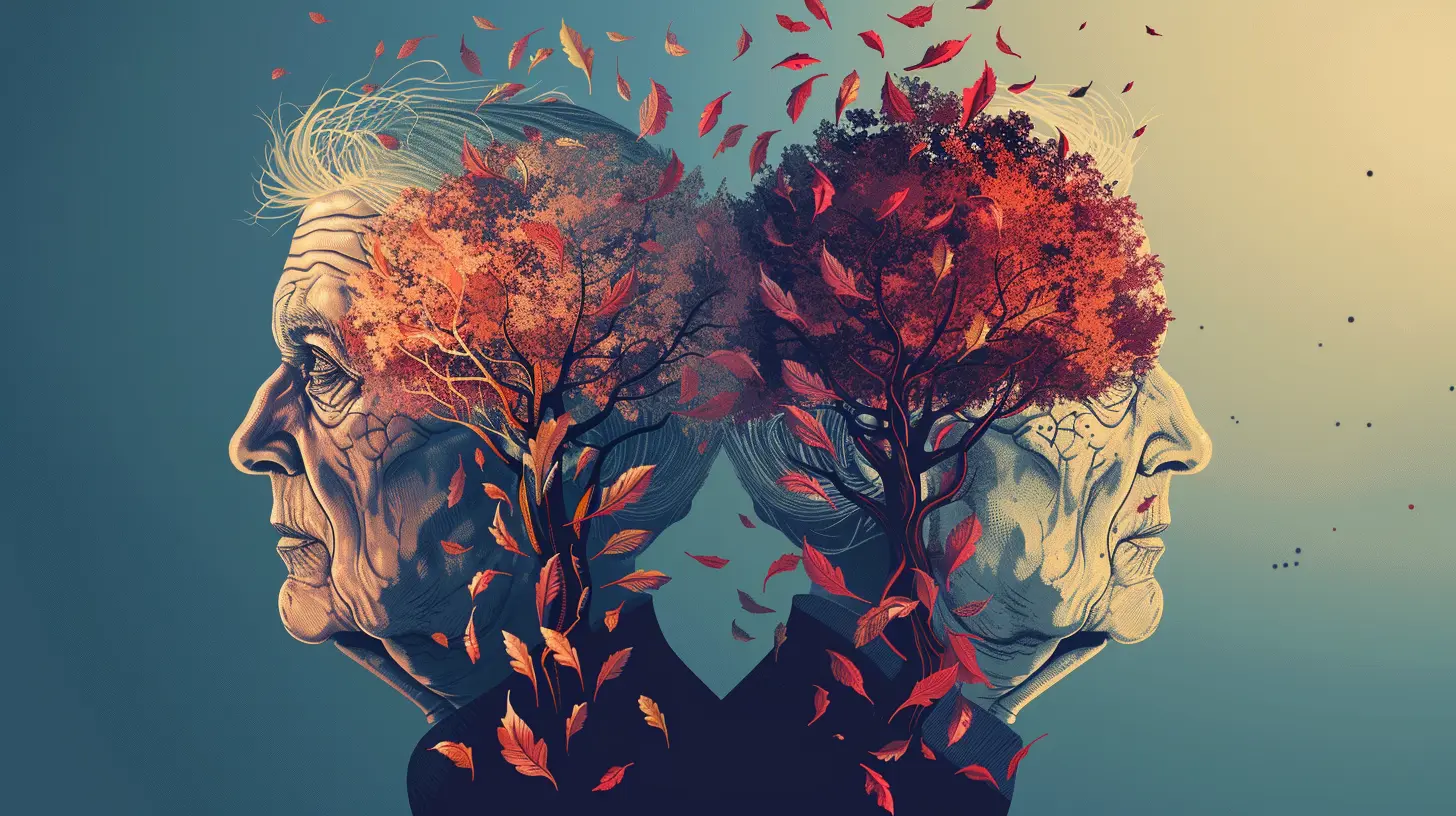
How to Adapt and Keep Your Brain Sharp
So now that you know what to expect, let’s talk about what you can do about it. Here are some practical, science-backed strategies to keep your brain healthy as you age:1. Stay Physically Active
Did you know that regular exercise isn’t just good for your body—it’s a game-changer for your brain too? Physical activity increases blood flow to the brain, promotes the growth of new neurons, and reduces the risk of cognitive decline.Think of it like giving your brain a little tune-up every time you move your body. Walking, jogging, yoga, or even dancing—pick something you actually enjoy, and you’re far more likely to stick with it.
2. Eat Brain-Boosting Foods
Your brain loves a good meal, and certain foods are like super fuel for it. Focus on a diet rich in:- Omega-3 fatty acids: Found in salmon, walnuts, and flaxseeds, these are like rocket fuel for your brain.
- Antioxidants: Blueberries, spinach, and dark chocolate can help fight oxidative stress in the brain. (Yes, you read that right: chocolate!)
- Whole grains: Oats, quinoa, and whole wheat provide steady energy for your brain.
Think of your diet as a way to feed your brain what it really craves.
3. Challenge Your Mind
Want to keep your brain on its toes? Give it a workout! Activities like puzzles, reading, learning a new language, or even picking up an instrument can keep your cognitive skills sharp.Imagine your brain as a muscle—the more you use it, the stronger it stays. If you've always wanted to learn photography or how to play the guitar, there’s no better time than now.
4. Maintain Social Connections
Loneliness isn’t just a punch to your gut; it’s a punch to your brain too. Staying socially active can reduce your risk of cognitive decline. Whether it’s catching up with old friends, joining a club, or volunteering for a cause you care about, staying connected is key.Think of social interactions as a mental playground—they keep your brain engaged and happy.
5. Get Quality Sleep
Sleep isn’t just rest time; it’s prime time for your brain to recharge and repair. Poor sleep has been linked to memory problems and cognitive decline, so aim for 7-9 hours a night.Set up a sleep routine—go to bed and wake up at the same time every day, and avoid screens right before bed. After all, your brain deserves some downtime too.
6. Manage Stress
Stress is like kryptonite for your brain. Chronic stress can shrink your brain (literally) and mess with your memory and decision-making abilities. Try practices like mindfulness meditation, deep breathing, or even just taking a walk to clear your head.Think of stress management as spring cleaning for your mind—out with the clutter, in with the calm. 
When to Worry About Brain Health
While occasional forgetfulness is a normal part of aging, there are times when it might signal something more serious. If you or a loved one notice issues like severe memory loss, confusion, or personality changes, it’s worth talking to a doctor. Early intervention can make a huge difference.Embracing the Changes
Aging is a journey, and your brain is along for the ride. While it might not be as spry as it was in your 20s, it’s still incredibly capable. With the right mindset and habits, you can keep your mind sharp, resilient, and ready to tackle whatever life throws your way.So instead of fearing brain aging, embrace it. Think of your brain as a classic car—it might require a little more maintenance, but with care and attention, it can keep running beautifully for many years to come.
Final Thoughts
Taking care of your brain is one of the best investments you can make in your future. From staying active to eating the right foods, the small choices you make every day can have a big impact on your cognitive health. Aging might bring some changes, but it doesn’t mean giving up on having a vibrant, curious, and capable mind.So go ahead, challenge yourself, stay connected, and nourish your brain. After all, it’s the engine that drives you through life—why not keep it running smoothly?
all images in this post were generated using AI tools
Category:
Brain HealthAuthor:

Angelo McGillivray
Discussion
rate this article
2 comments
Lyanna Middleton
This article is a fantastic reminder that taking care of our brain is just as important as our body as we age. I love the practical tips for staying sharp and vibrant. Let's embrace this journey with positivity and keep our minds healthy and engaged. Cheers to brain health!
August 18, 2026 at 4:53 PM
Angelo McGillivray
Thank you for your kind words! I'm glad you found the tips useful. Cheers to a journey of vibrant brain health together!
Anisa Nguyen
Understanding brain health as we age is crucial. Simple lifestyle changes, mental exercises, and social engagement can significantly enhance cognitive function and resilience, helping us navigate the challenges of aging more effectively.
June 23, 2026 at 3:57 AM
Angelo McGillivray
Absolutely, prioritizing brain health is essential. Small changes can lead to significant improvements in our cognitive abilities as we age.