Burnout and Sleep: Why You Can't Seem to Recharge
22 August 2026
Burnout. That bone-deep exhaustion that coffee can’t fix. Where even sleeping 10 hours feels like you've barely blinked. Sound familiar? If you're living in a constant fog, not just tired but drained at your core, you might be trapped in a cycle of burnout—and unfortunately, sleep alone can't save you.
Let’s dive into why that is, and more importantly, what you can do to finally feel human again.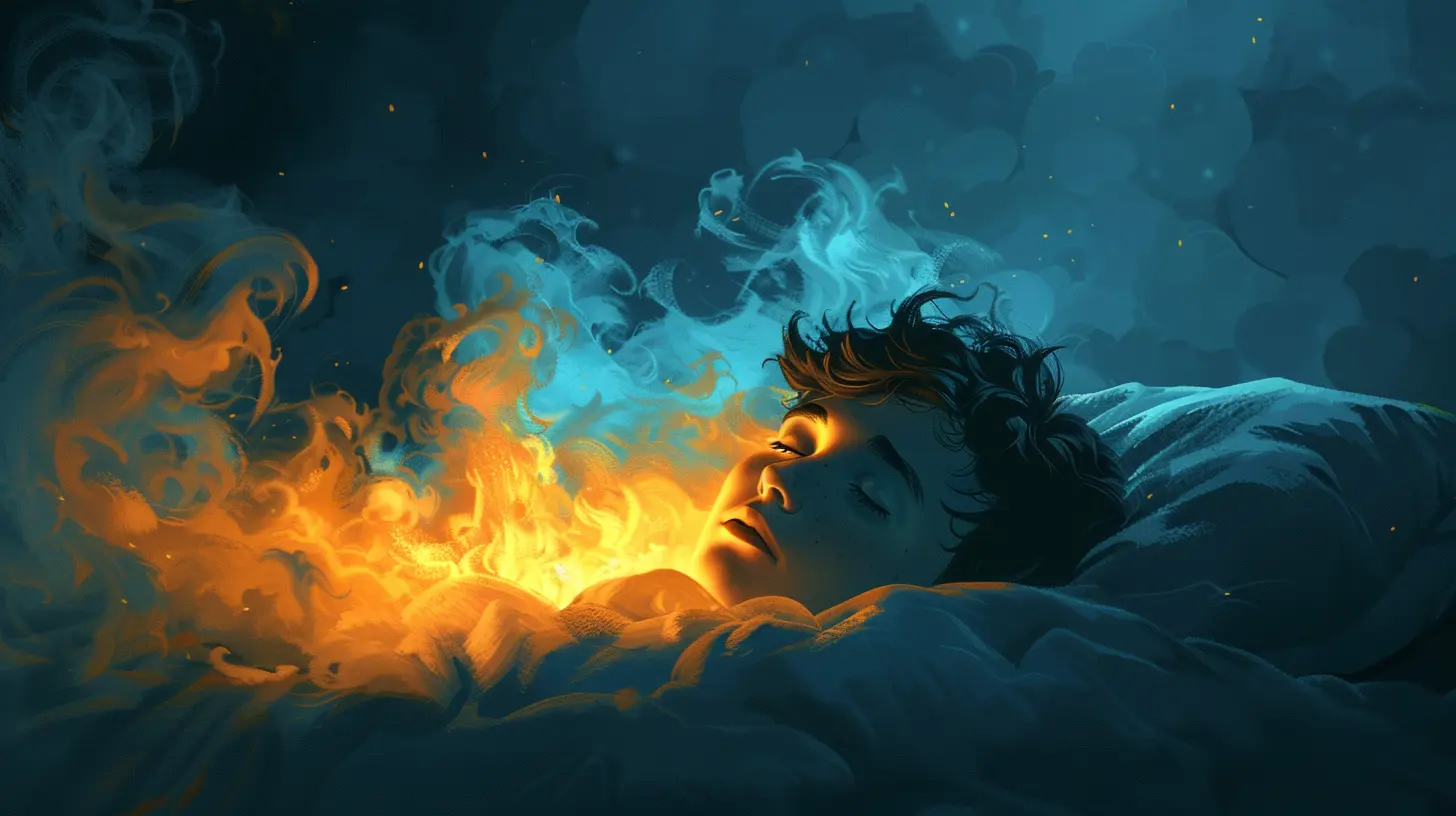
What is Burnout, Really?
Before we get into the nitty-gritty of sleep, let’s talk about burnout.Burnout isn’t just “being tired.” It’s physical, emotional, and mental fatigue caused by prolonged stress—usually from work, caregiving, or just life being too much for too long. It’s like your internal battery has been charged with a faulty cable for months… and now the battery is stuck at 5%.
Common Signs of Burnout
- Chronic exhaustion (duh)- Cynicism or detachment
- Feeling ineffective or unaccomplished
- Trouble concentrating
- Irritability
- Lack of motivation
If you’re nodding along, you’re not alone. Burnout is incredibly common—especially in our always-on, go-go-go culture.
The Sleep Struggle: It’s Not Just You
When you're burnt out, sleep sounds like the obvious fix, right? But here's where it gets tricky.Why Sleep Doesn’t Work When You’re Burnt Out
You might be sleeping—but not resting. Burnout disrupts the whole sleep system in your brain. Sleep becomes shallow, fragmented, and unsatisfying. You go to bed exhausted and wake up… still exhausted.It’s like trying to fill a leaky bucket. No matter how much water (sleep) you pour in, it never fills up because there's a hole (burnout) at the bottom.
Let’s Talk Science: Burnout vs. Sleep
Here’s what happens in your brain (don’t worry, I’ll keep it simple):1. Stress Hormones Hijack Your Sleep
When you're constantly stressed, your body churns out cortisol (a stress hormone) 24/7. This keeps your brain in “go mode,” even when you’re trying to sleep. It’s like trying to nap while someone’s repeatedly honking a horn in your head.2. Burnout Wrecks Your Circadian Rhythm
Your circadian rhythm is your body’s internal clock. Burnout throws it out of whack. You might start staying up late, waking up early, or waking throughout the night. This messes with your REM sleep (the deep, healing kind).3. The Brain Never “Logs Off”
Even during sleep, a burnt-out brain is still working overtime. Thoughts race, dreams feel stressful, and you never hit true rest. Your mind is still “on the clock,” reviewing to-dos like unpaid bills.4. Emotional Overload Blocks True Rest
Burnout fills your head with emotional clutter—worry, self-doubt, frustration. And your brain can't rest with that noise playing in the background. Think of it like trying to sleep in a room full of people arguing.
Types of Rest: It’s Not All About Sleep
Real rest isn’t just about getting eight hours. In fact, there are 7 types of rest we all need—and burnout usually means we’re missing more than one.Here’s a quick breakdown:
| Type of Rest | What It Involves | Burnout Impact |
|--------------|------------------|----------------|
| Physical | Sleep, naps, relaxation | Exhaustion, body aches |
| Mental | Taking breaks from thinking/non-stop tasks | Brain fog, poor focus |
| Emotional | Feeling safe to express emotions | Mood swings, numbness |
| Social | Being with people who recharge you | Loneliness, isolation |
| Sensory | Downtime from screens, noise, stimulation | Overwhelm, irritability |
| Creative | Time to be inspired and curious | Feeling stuck, uninspired |
| Spiritual | A sense of purpose or connection | Emptiness, lack of meaning |
When you ignore these forms of rest, burnout drags you further down—no matter how much you sleep.
How Burnout Impacts Sleep Quality
Let’s break this down further. Here's exactly how burnout messes with your sleep:→ You Struggle to Fall Asleep
Your brain won’t shut up. Whether it's work stress or endless “what-ifs,” your thoughts race the second your head hits the pillow.→ You Wake Up… A LOT
Fragmented sleep becomes your norm. You toss, turn, maybe even wake up at 3AM with your heart pounding for no clear reason.→ You Don’t Feel Refreshed in the Morning
Even after 8-9 hours, you wake up groggy and unmotivated. Your sleep feels light and unsatisfying, like you only dipped your toes in the rest pool.→ You Rely on Caffeine to Function
A cup of coffee becomes two, then three. Before you know it, caffeine is both a crutch and a curse, making sleep even harder to achieve.So… How Do You Recharge from Burnout?
Ok, here’s what you’ve really been waiting for. You’re burnt out, and sleep isn’t cutting it. What can you actually do?1. Start With Honest Self-Assessment
Ask yourself:- When did I last truly feel rested?
- What parts of life are draining me the most?
- Where am I saying “yes” but should really say “no”?
Awareness is step one. You can’t fix what you won’t face.
2. Create a Wind-Down Ritual (That Doesn’t Involve Screens)
Your brain needs help transitioning from chaos to calm. Try this:- Dim the lights
- Put the phone away 1 hour before bed
- Light a candle or incense for a calming scent
- Do some light stretching or deep breathing
- Read something not work-related
This gives your brain the message: “Hey, we’re done hustling for today.”
3. Prioritize the Other Types of Rest
Not just physical rest—all of them.- Mental: Take mindful breaks during the day. Step outside. Stare into space guilt-free.
- Emotional: Talk to someone, journal, or cry if you need to. (Yes, crying counts.)
- Social: Reconnect with people who lift you up. Set boundaries with those who drain you.
- Creative: Do something fun, silly, or totally unrelated to your job.
- Spiritual: Meditate, practice gratitude, or simply reflect on your values.
4. Get Professional Help (Seriously)
Sometimes, burnout needs more than self-care. A therapist or coach can help you sort through the overwhelm and create a plan tailored to you.There’s no shame in needing support—it’s just smart.
5. Make Micro-Changes
Don’t try to overhaul your life overnight. That can feel even more overwhelming. Start small:- Go to bed 15 minutes earlier
- Take a 5-minute walk after lunch
- Turn off notifications for an hour
- Say “no” once this week
These tiny steps add up, promise.
The Burnout-Sleep Loop: A Vicious Cycle
Here’s the kicker: burnout ruins your sleep, and poor sleep worsens burnout. It’s a vicious cycle.You feel exhausted, so you prioritize sleep. But sleep doesn’t work, so you push harder through the day. Which leads to more burnout, which leads to even worse sleep.
Breaking this cycle requires intention—not just more sleep, but better habits, better boundaries, and deeper rest across the board.
What a Recharge Really Looks Like
Imagine this: You wake up not dreading the day. Your mind feels calm, clear, like a smooth lake instead of a stormy ocean. Sleep actually feels like sleep again.It's not a fantasy—it just takes awareness, boundaries, and a bit of grace.
You don’t need a two-week vacation in Bali to feel better (although hey, that wouldn’t hurt). You need space. You need permission to rest—guilt-free. And you need to remember that you’re human, not a machine.
Final Thoughts: Be Gentle With Yourself
Burnout can make you feel defective, like there’s something wrong with you.There’s not.
You’re just tired in too many ways for one solution (like sleep) to fix. The problem isn’t you—it’s the pace you’ve been racing at.
So slow down… breathe… and give yourself the kind of rest that actually restores.
You've got this.
all images in this post were generated using AI tools
Category:
Sleep DisordersAuthor:

Angelo McGillivray
Discussion
rate this article
1 comments
Clover Kirkland
Burnout often tricks us into thinking we're just tired, but it goes deeper. Sleep can't fix what's draining our spirits and motivation. Addressing stress and finding balance are essential for true recharge, not just more hours in bed.
September 7, 2026 at 2:24 AM
Angelo McGillivray
You're absolutely right. It's crucial to recognize that burnout is more than just fatigue. Finding balance and managing stress are key to truly recharging our spirits.