Can Certain Foods Really Boost Brain Power? Separating Fact from Fiction
20 September 2026
Walk through any grocery store and you will see shelves lined with products promising sharper focus, better memory, and a faster mind. Berries labeled as brain food. Bottles of fish oil capsules. Powders that claim to clear mental fog in a week. The marketing is loud, but the science behind it is often quieter and far more nuanced.
So does food actually influence how well your brain works? The honest answer is yes, but not in the way most headlines suggest. You cannot eat a handful of blueberries and suddenly solve a calculus problem. What you can do is build a pattern of eating over months and years that either supports or undermines the biological machinery your brain depends on. That distinction, between a quick fix and a long-term investment, sits at the heart of this entire conversation.
This article breaks down what the research actually shows, where the hype outruns the evidence, and how to make practical decisions without wasting money or falling for empty promises.
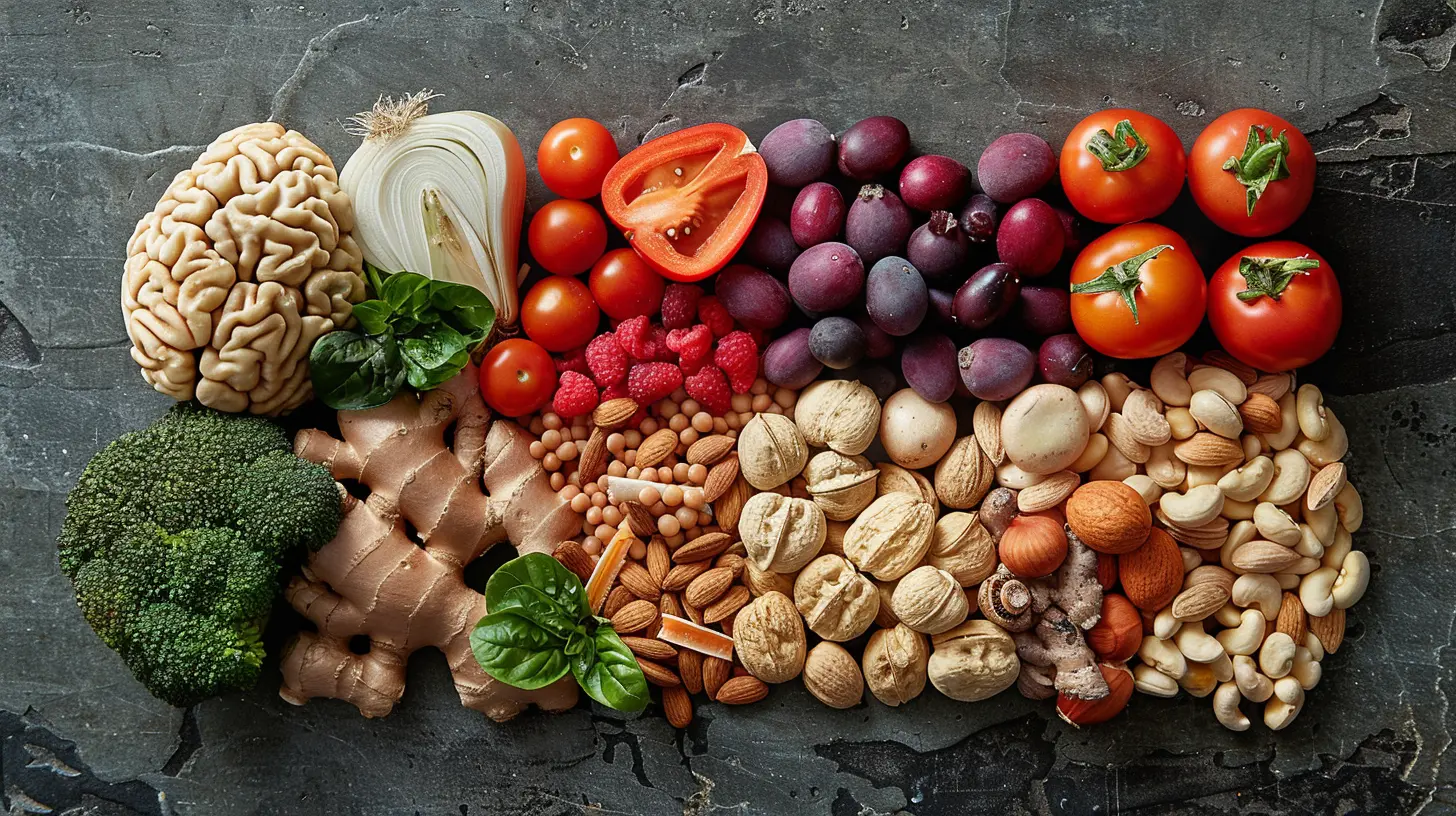
The Brain Is an Organ, Not a Magic 8 Ball
Before evaluating any specific food, it helps to understand what your brain actually needs to function. The brain makes up roughly two percent of body weight but consumes around twenty percent of your resting energy. It runs on glucose, but it also depends on a steady supply of oxygen, amino acids, fatty acids, vitamins, minerals, and hydration. Every thought you have, every memory you retrieve, every decision you make relies on electrochemical signaling across billions of neurons.Those signals depend on neurotransmitters like dopamine, serotonin, acetylcholine, and norepinephrine. The raw materials for those neurotransmitters come from what you eat. Serotonin, for example, is built from tryptophan, an amino acid found in foods like turkey, eggs, and dairy. Acetylcholine requires choline, which is abundant in eggs and liver. Dopamine and norepinephrine depend on tyrosine, found in protein-rich foods.
This is why diet matters. It is not that certain foods contain a secret brain-boosting compound that flips a switch. It is that your brain is constantly rebuilding itself, and the quality of your building materials matters. Think of it like maintaining a house. One good meal is like painting a single wall. Years of consistent nutrition is like reinforcing the foundation.
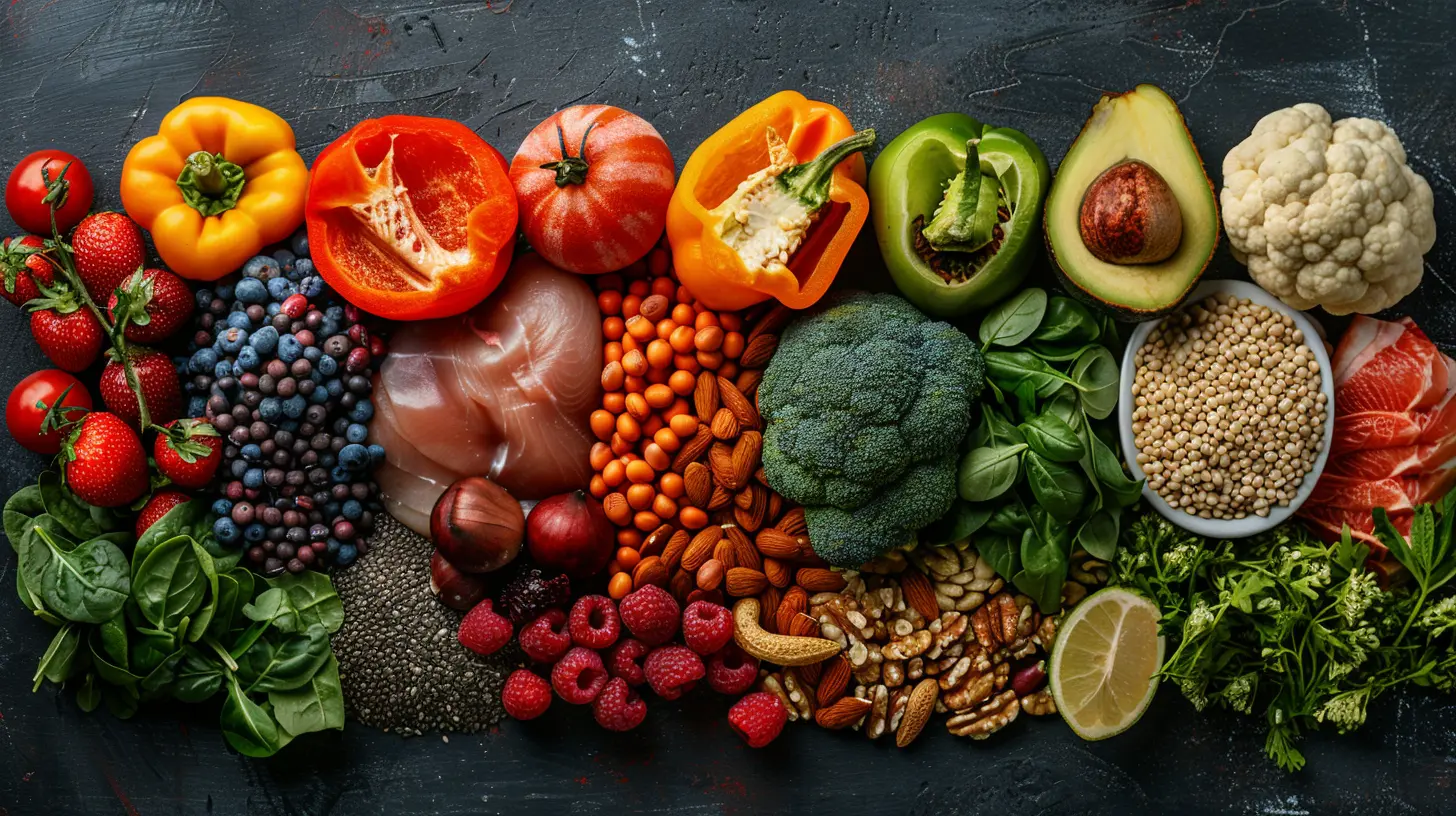
What the Research Actually Shows About Specific Foods
Fatty Fish and Omega-3 Fatty Acids
Fatty fish like salmon, sardines, mackerel, and herring are among the most studied foods in relation to brain health. They are rich in docosahexaenoic acid (DHA), a type of omega-3 fat that makes up a significant portion of the structural fat in the brain. Neuronal membranes need DHA to stay flexible and functional. Without enough of it, communication between brain cells becomes less efficient.Observational studies have linked higher omega-3 intake to lower risk of cognitive decline and dementia. However, the picture from clinical trials is more complicated. Some trials show modest cognitive benefits, while others show none, particularly in people who already have adequate omega-3 levels. This suggests that omega-3s may help most in people who are deficient, not in everyone.
Practical takeaway: Eating fatty fish two to three times per week is a reasonable, evidence-supported habit. Taking high-dose fish oil supplements without a diagnosed deficiency is less clearly beneficial and can be expensive. If you do not eat fish, algae-based DHA supplements are a viable alternative, especially for vegetarians and vegans.
Berries and Polyphenols
Blueberries, strawberries, blackberries, and raspberries contain flavonoids, particularly anthocyanins, which give them their deep colors. These compounds have antioxidant and anti-inflammatory properties. Chronic inflammation and oxidative stress are both implicated in cognitive decline, so reducing them makes biological sense.Some small human trials have shown improvements in memory and processing speed after consuming berry extracts or juice. But many of these studies are short, involve small numbers of participants, and use concentrated doses that are hard to replicate through normal eating. The effects, when present, tend to be modest.
Practical takeaway: Berries are a smart addition to your diet because they are nutritious, low in sugar compared to many fruits, and easy to incorporate. Just do not expect them to transform your cognitive performance overnight. Think of them as one part of a larger pattern, not a standalone solution.
Leafy Greens and B Vitamins
Spinach, kale, romaine, and other leafy greens are rich in folate, vitamin K, and nitrates. Folate is essential for neurotransmitter synthesis and for regulating homocysteine, an amino acid that, at high levels, is associated with cognitive decline and dementia. Vitamin K plays a role in brain cell signaling and has been linked in some studies to better cognitive performance in older adults.The MIND diet, a hybrid of the Mediterranean and DASH diets, emphasizes leafy greens along with berries, nuts, beans, whole grains, fish, and olive oil. Research on the MIND diet has shown associations with slower cognitive decline and lower Alzheimer's risk, though the effect sizes vary across studies and some recent trials have shown more modest results than earlier observational data suggested.
Practical takeaway: Eating leafy greens daily is one of the most reliable dietary habits for brain health. They are inexpensive, versatile, and support cardiovascular health as well, which indirectly protects the brain.
Nuts and Seeds
Walnuts, almonds, sunflower seeds, and flaxseeds provide healthy fats, vitamin E, and minerals like magnesium and zinc. Vitamin E is a fat-soluble antioxidant that protects cell membranes from oxidative damage. Some studies have linked higher vitamin E intake to slower cognitive decline, though results are not entirely consistent.Walnuts in particular have received attention because they contain alpha-linolenic acid (ALA), a plant-based omega-3. However, ALA is not converted efficiently to DHA in the body, so walnuts are not a direct substitute for fatty fish.
Practical takeaway: A small handful of nuts daily is a reasonable habit. They support overall health and provide steady energy. Just watch portion sizes, since nuts are calorie-dense.
Coffee, Tea, and Caffeine
Caffeine is the most widely used psychoactive substance in the world, and its effects on alertness and attention are well documented. It blocks adenosine receptors in the brain, which reduces feelings of tiredness and improves reaction time. Some research also suggests that regular coffee consumption is associated with lower risk of Parkinson's disease and Alzheimer's disease, though causality has not been proven.Tea, particularly green tea, contains L-theanine, an amino acid that promotes relaxation without drowsiness. The combination of caffeine and L-theanine in tea may produce a calmer, more focused state than coffee alone. This is one of the few food-brain interactions with fairly consistent supporting evidence.
Practical takeaway: Moderate caffeine intake, roughly one to three cups of coffee or tea per day, is fine for most people and may support attention and long-term brain health. However, caffeine is not a substitute for sleep, and excessive intake can worsen anxiety, disrupt sleep, and create dependency.
Dark Chocolate
Dark chocolate contains flavonoids, caffeine, and small amounts of other bioactive compounds. Some short-term studies have shown improvements in blood flow to the brain and modest cognitive benefits after consuming cocoa flavanols. However, the effects are small, and many commercial chocolates contain high levels of sugar and fat that offset any potential benefit.Practical takeaway: If you enjoy dark chocolate, choosing a variety with at least seventy percent cocoa and eating it in small amounts is a reasonable indulgence. Do not treat it as a cognitive enhancer.
Where the Hype Goes Wrong
The Single Food Fallacy
One of the most common mistakes is believing that a single food can dramatically change brain function. This idea is appealing because it is simple, but biology rarely works that way. The brain is affected by dozens of variables: sleep, stress, exercise, social connection, genetics, medications, and overall diet quality. A handful of blueberries cannot compensate for chronic sleep deprivation or a diet built on processed food.Supplement Overreach
The supplement industry is largely unregulated in many countries, and claims often outpace evidence. Products marketed as nootropics or brain boosters frequently contain proprietary blends with undisclosed amounts of ingredients. Some may interact with medications or cause side effects. Unless you have a diagnosed deficiency, most brain health supplements are unlikely to provide meaningful benefit and may waste your money.Confusing Correlation with Causation
Many studies on diet and brain health are observational. They show that people who eat certain foods tend to have better cognitive outcomes, but they cannot prove that the food caused the outcome. People who eat more fish, for example, may also exercise more, sleep better, and have better access to healthcare. Researchers try to control for these factors, but residual confounding is always possible.
What Actually Works: A Pattern, Not a Pill
If you want to support your brain through diet, the most reliable approach is to focus on overall eating patterns rather than individual ingredients. The Mediterranean diet and the MIND diet are the two most studied patterns for cognitive health. Both emphasize vegetables, fruits, whole grains, legumes, nuts, olive oil, and fish, while limiting red meat, processed food, and added sugar.Here is why patterns matter more than single foods. Nutrients interact. Vitamin C helps absorb iron. Fat-soluble vitamins need dietary fat to be absorbed. Fiber feeds gut bacteria that produce short-chain fatty acids, which influence inflammation and possibly brain function through the gut-brain axis. When you eat a variety of whole foods, you get these synergistic effects. When you isolate one compound in a pill, you lose them.
The Gut-Brain Connection
The gut and brain communicate through the vagus nerve, the immune system, and microbial metabolites. A diet rich in fiber, fermented foods, and diverse plant foods supports a healthy gut microbiome. Some research suggests that this may influence mood, anxiety, and cognitive function, though the field is still young and many questions remain.Practical advice: Include fermented foods like yogurt, kefir, sauerkraut, and kimchi if you tolerate them. Eat a variety of plant foods to feed different gut bacteria. Avoid unnecessary antibiotics and highly processed foods that can disrupt the microbiome.
Blood Sugar Stability
The brain depends on glucose, but it does not do well with wild swings in blood sugar. Refined carbohydrates and sugary drinks cause rapid spikes followed by crashes, which can lead to fatigue, irritability, and difficulty concentrating. Stable blood sugar, achieved through balanced meals with protein, fat, and fiber, supports steady mental energy.Practical advice: Start your day with protein and healthy fat rather than a sugary cereal or pastry. Pair carbohydrates with protein or fat to slow absorption. Avoid drinking your calories in the form of soda or sweetened coffee drinks.
Hydration
Even mild dehydration can impair attention, short-term memory, and mood. The brain is about seventy-five percent water, and losing just one to two percent of body weight in fluid can affect cognitive performance. Older adults are particularly vulnerable because thirst sensation declines with age.Practical advice: Drink water throughout the day. Use urine color as a rough guide; pale yellow suggests adequate hydration. Coffee and tea count toward fluid intake, but alcohol does not, and excessive alcohol impairs brain function both short and long term.
Common Mistakes and Misconceptions
Mistake 1: Chasing Superfoods
The term superfood is a marketing invention, not a scientific category. No single food, whether it is acai, spirulina, or matcha, can undo the effects of a poor diet. Focus on variety and consistency instead.Mistake 2: Ignoring Sleep and Exercise
Diet is only one pillar of brain health. Sleep is when the brain consolidates memories and clears metabolic waste. Exercise increases blood flow to the brain and stimulates the release of growth factors that support neuron health. No food can replace these.Mistake 3: Overlooking Medications and Medical Conditions
Some cognitive symptoms, such as brain fog, fatigue, and difficulty concentrating, can stem from thyroid problems, anemia, depression, sleep apnea, or medication side effects. Changing your diet will not fix these. If you notice persistent cognitive changes, see a doctor.Mistake 4: Assuming More Is Better
More omega-3s, more vitamin E, more caffeine. In nutrition, more is not always better. High doses of some nutrients can be harmful. Vitamin E supplements, for example, have been linked to increased bleeding risk and, in some studies, higher mortality. Stick to food sources unless a healthcare provider recommends otherwise.
Practical Recommendations You Can Start Today
1. Eat fatty fish two to three times per week. If you do not eat fish, consider algae-based DHA.2. Include leafy greens daily. Spinach in a smoothie, kale in a salad, or romaine in a wrap.
3. Snack on nuts and seeds instead of chips or crackers.
4. Choose berries when you want something sweet.
5. Limit processed food, added sugar, and refined carbohydrates.
6. Drink water consistently throughout the day.
7. Moderate caffeine intake and avoid it close to bedtime.
8. Prioritize sleep and regular physical activity.
9. Cook at home more often so you control ingredients.
10. Be skeptical of supplements and products that promise rapid cognitive enhancement.
When to Seek Professional Guidance
If you are concerned about memory, focus, or mood, talk to a healthcare provider. They can assess for deficiencies, medical conditions, and medication interactions. A registered dietitian can help you build an eating pattern that fits your lifestyle, preferences, and health needs. Do not self-diagnose or self-treat with supplements, especially if you take prescription medications.
The Bottom Line
Certain foods do support brain function, but not in the dramatic, instant way marketing suggests. The benefits come from consistent, long-term habits. Fatty fish, leafy greens, berries, nuts, and other whole foods provide the raw materials your brain needs. But they work best as part of a broader pattern that includes sleep, exercise, stress management, and social connection.If you are looking for a quick fix, you will likely be disappointed. If you are willing to invest in your health over months and years, the evidence is encouraging. Your brain is not a machine that can be upgraded with a single purchase. It is a living organ that responds to how you treat your body every day.
all images in this post were generated using AI tools
Category:
Nutrition MythsAuthor:

Angelo McGillivray