Can You Catch Up on Lost Sleep? Here's the Truth
9 July 2026
Sleep is one of those things we all know is essential, but life often gets in the way. Late-night work, binge-watching TV shows, or even stress can throw our sleep schedules off balance. Then, the weekend rolls around, and you tell yourself, "I'll just sleep in and catch up."
But is that really how it works? Can you truly "make up" for lost sleep, or does your body keep a permanent tab on those sleepless nights? Let’s break it down and find out the truth about sleep debt and whether sleeping in can fix the damage. 
What Is Sleep Debt?
Before we dive into whether you can recover lost sleep, let’s talk about sleep debt.Sleep debt is the difference between the amount of sleep your body needs and the amount you're actually getting. If you need seven to nine hours a night but only clock in five, you're building up a sleep debt of two to four hours each night. Over time, this debt snowballs, leading to exhaustion and potential health risks.
Think of it like a credit card. Missing a few payments might not be a big deal at first, but if you keep piling on debt, interest adds up, and soon you're in serious trouble. Your body works in a similar way when it comes to consistently missing sleep. 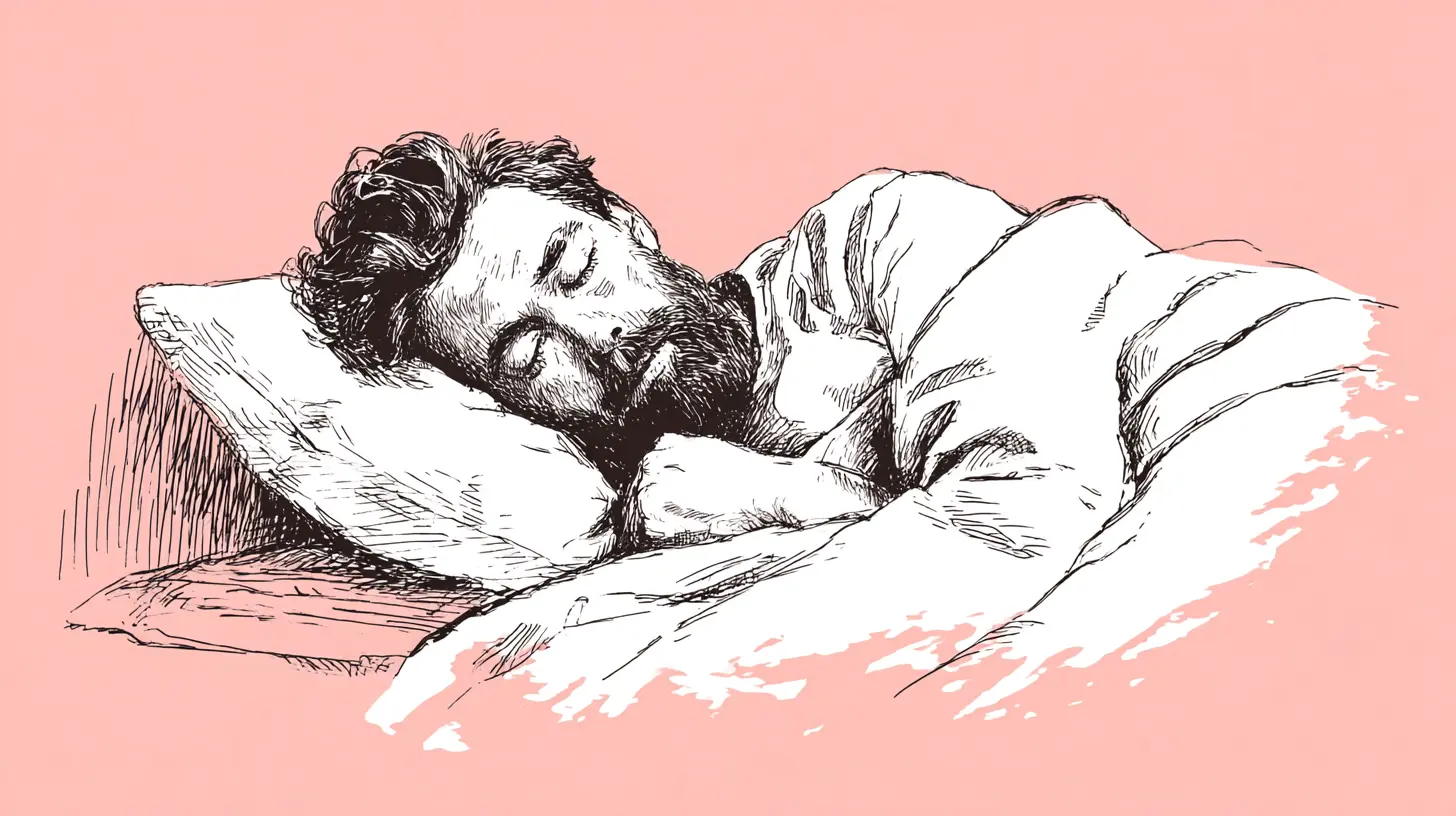
Can You Repay Sleep Debt?
A Short-Term Fix: The Weekend Catch-Up
Many people swear by catching up on sleep over the weekend. You stay up late during the week and then sleep in on Saturday and Sunday to "reset."The good news? You can reduce some of the immediate effects of sleep deprivation by sleeping longer on weekends. Studies show that after a few nights of extra sleep, people often feel more alert and less groggy.
The bad news? This is only a temporary fix. Sleeping in on weekends doesn’t fully reverse the damage of chronic sleep loss. It’s like trying to undo weeks of poor eating with a single salad—it helps a little, but it’s not a cure-all.
The Long-Term Problem: Chronic Sleep Deprivation
If you're regularly skimping on sleep, you're not just feeling tired—you’re actually impacting your body's long-term health. Chronic sleep deprivation has been linked to:- Weakened immune function – Making you more prone to illnesses.
- Weight gain – Messing up your metabolism and increasing hunger hormones.
- Increased risk of heart disease and diabetes – Sleep affects blood pressure and insulin regulation.
- Memory and cognitive decline – Your brain needs sleep to process and store memories.
Catching up with a few extra hours on the weekend won’t undo these effects. Your body still struggles with the long-term consequences of regularly missing sleep. 
How Long Does It Take to Recover from Sleep Loss?
Here's where things get tricky. While you can recover from short-term sleep loss relatively quickly, recovering from chronic sleep deprivation takes much longer.Experts suggest that for every hour of sleep debt, you may need several nights of quality sleep to fully recover. Some studies even indicate that after weeks or months of sleep deprivation, your cognitive function and health may take just as long to return to normal.
For example:
- If you pulled an all-nighter, it may take a couple of nights of good sleep to feel normal again.
- If you’ve been sleeping poorly for months, it could take weeks of consistent, high-quality sleep to fully recover.
The bottom line? Recovery is possible, but it requires consistency, not just weekend catch-ups. 
What Happens If You Never Fully Recover Sleep?
If you continually deprive yourself of sleep without making a real effort to recover, you’re at risk for long-term consequences.Imagine running a marathon without proper training or resting. Over time, your body breaks down. Similarly, missing out on sleep without making true, consistent recovery efforts can lead to:
- Chronic fatigue – Always feeling drained, no matter how much you rest on weekends.
- Lower mental sharpness – Poor concentration, forgetfulness, and brain fog.
- Higher stress levels – Increased cortisol levels make you feel more anxious and on edge.
- Shortened lifespan – Yes, research suggests chronic sleep deprivation may shorten your life.
So, while short-term recovery is possible, long-term neglect of sleep takes a serious toll that even sleeping in on weekends won’t fix.
How to Actually Fix Your Sleep Schedule
If catching up on sleep over the weekend isn’t the answer, what is? Here are proven ways to get your sleep back on track and truly recover from sleep debt:1. Prioritize Consistency
Your body thrives on routine. Going to bed and waking up at the same time—even on weekends—helps regulate your body's internal clock.2. Take Short Naps (But Not Too Late!)
Short power naps (around 20-30 minutes) can help boost alertness and cognitive function without making it harder to fall asleep at night.3. Avoid Caffeine Late in the Day
Caffeine has a half-life of 5-6 hours, meaning it can still be in your system well into the evening. Switch to decaf or herbal tea in the afternoon.4. Limit Screen Time Before Bed
Blue light from screens tricks your brain into thinking it’s daytime. Try to unplug at least an hour before sleep.5. Improve Your Sleep Environment
Make your room a sleep-friendly zone by keeping it dark, cool, and quiet. Invest in comfortable bedding and minimize noise distractions.6. Slowly Extend Your Sleep Time
If you’ve built up a serious sleep debt, don’t try to fix it in one night by oversleeping. Instead, gradually increase your sleep duration by going to bed 15-30 minutes earlier each night until you're hitting a healthy range.Final Thoughts: Can You Catch Up on Lost Sleep?
The truth is, you can recover from short-term sleep loss, but chronic sleep deprivation isn’t something you can fully erase with a weekend of extra sleep. While sleeping in temporarily reduces tiredness, it doesn't fully undo the long-term health consequences of poor sleep.Instead of relying on weekend catch-ups, your best bet is to create a consistent sleep schedule and prioritize rest every single night. Your body—and brain—will thank you for it!
all images in this post were generated using AI tools
Category:
Sleep DisordersAuthor:

Angelo McGillivray
Discussion
rate this article
1 comments
Kane McNulty
Quality sleep is essential for health.
July 10, 2026 at 3:08 AM
Angelo McGillivray
Absolutely, quality sleep is crucial. Catching up might help, but it's not a complete fix for sleep deprivation.