Clean Eating Essentials to Maintain a Healthy Weight
29 March 2026
Maintaining a healthy weight can feel like an uphill battle, especially with all the conflicting nutrition advice out there. But what if I told you that clean eating could simplify things? Imagine a lifestyle where you nourish your body with wholesome foods, ditch the processed junk, and actually enjoy what you eat. Sounds refreshing, right?
In this guide, we’ll break down the essentials of clean eating and how it can help you maintain a healthy weight. No fad diets, no starving yourself—just real, nutrient-dense foods that fuel your body and keep you feeling satisfied.
What is Clean Eating?
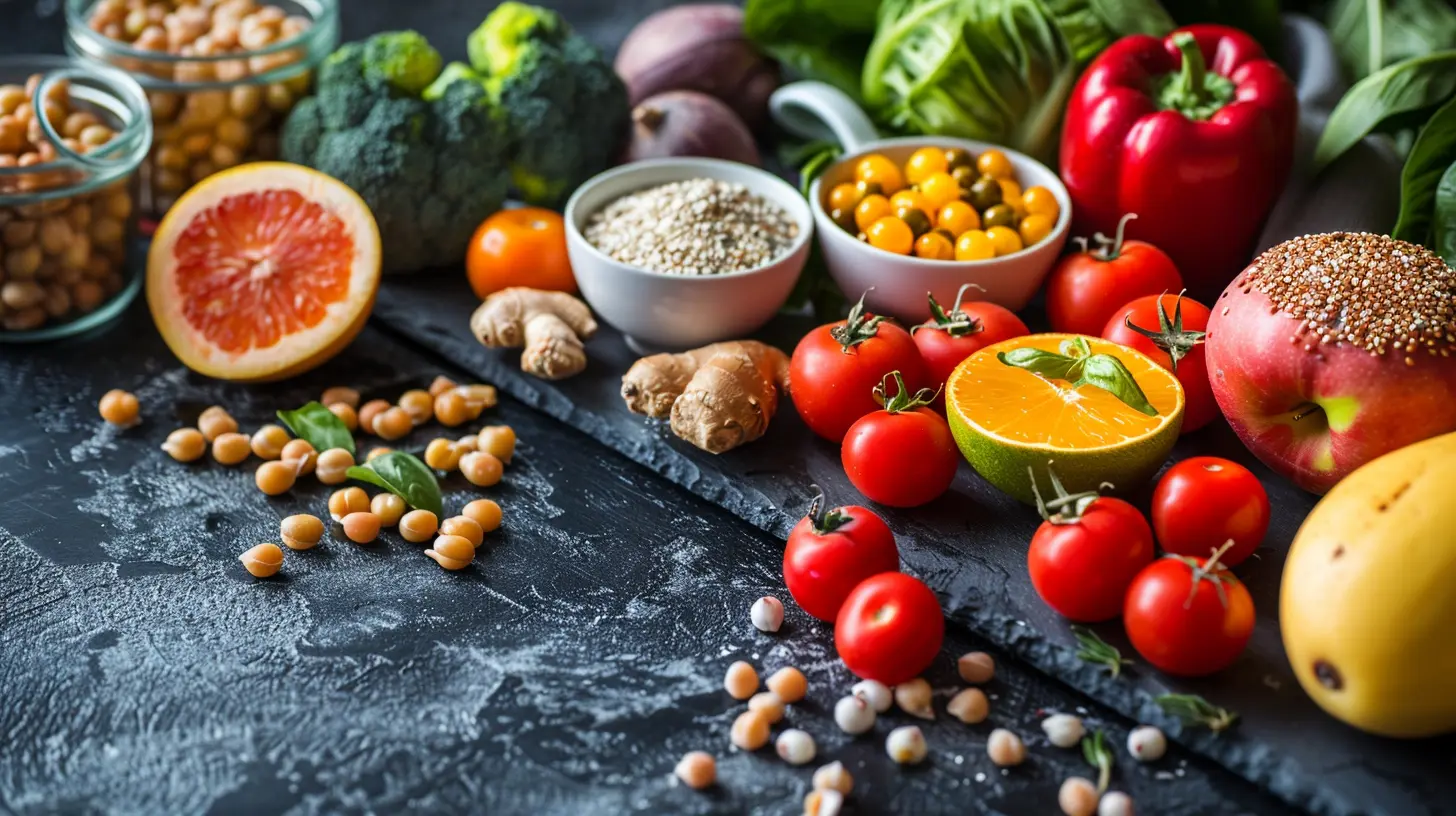
Before we dive into the essentials, let’s get clear on what clean eating actually means. It’s not about restricting yourself, nor is it about cutting out entire food groups. Instead, clean eating emphasizes whole, minimally processed foods that nourish your body and support overall well-being.At its core, clean eating is about eating real food—the kind that comes from nature, not a factory. Think fresh vegetables, fruits, lean proteins, healthy fats, and whole grains. It’s about choosing quality over convenience and making mindful decisions about the foods you put on your plate.
Why Clean Eating Helps With Weight Management
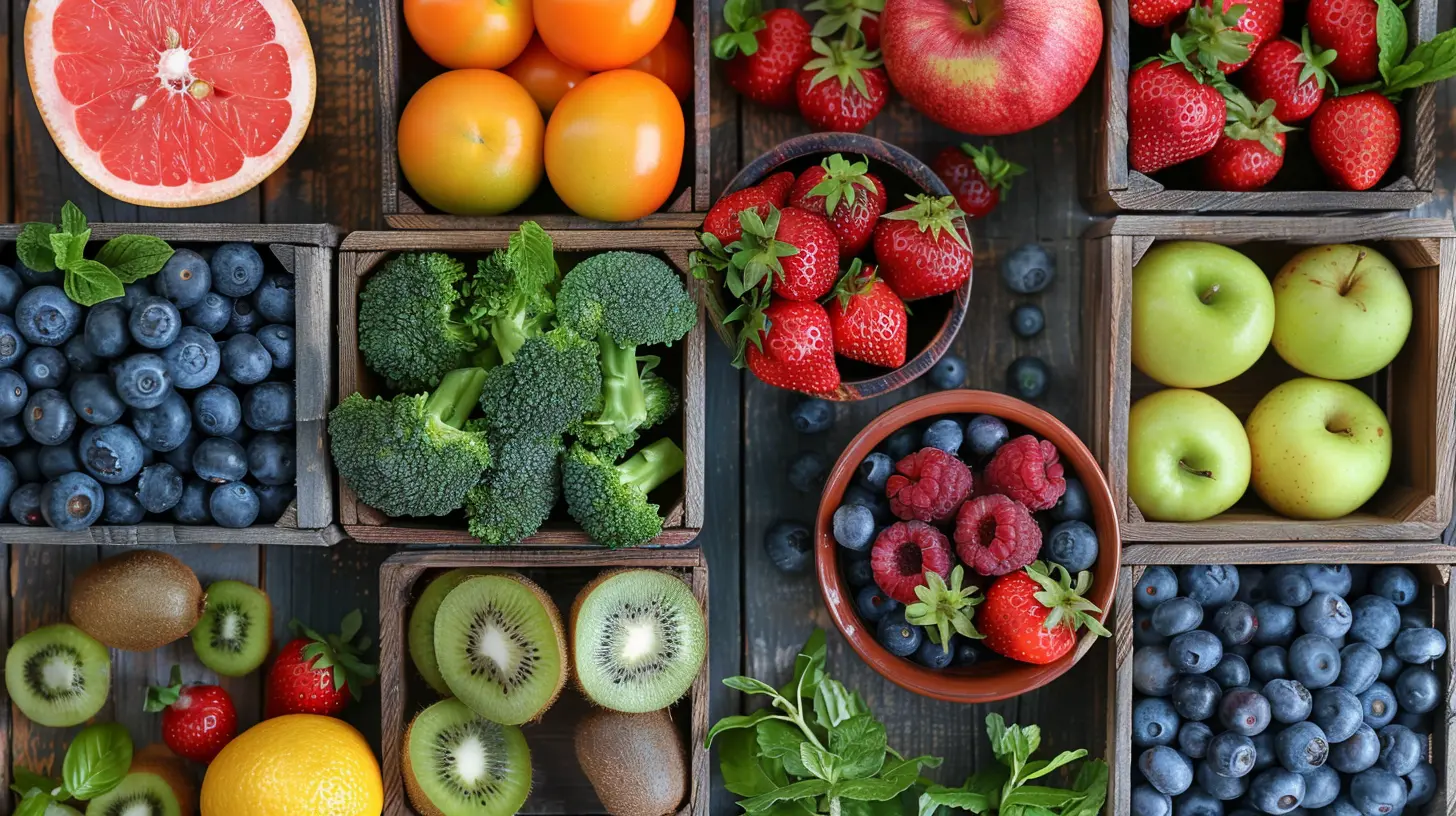
You might be wondering, how does eating whole foods help me maintain a healthy weight? The answer is simple: clean eating naturally supports weight loss and maintenance by focusing on nutrient-dense foods that keep you full and satisfied.- Fewer Empty Calories: Processed foods are often packed with added sugars and unhealthy fats, leading to overeating. Clean eating helps eliminate these calorie-dense, nutritionally void foods.
- Better Satiety: Whole foods contain fiber, protein, and healthy fats that keep you fuller for longer, reducing mindless snacking.
- More Nutrients, Less Junk: When you fuel your body with high-quality nutrients, it functions efficiently, leading to better digestion, improved metabolism, and fewer cravings.
Now, let's look at the core essentials of clean eating and how they can help you maintain a healthy weight. 
1. Prioritize Whole, Unprocessed Foods
The foundation of clean eating is choosing whole foods over processed ones. Processed foods are often loaded with artificial additives, preservatives, unhealthy fats, and refined sugars that contribute to weight gain.Foods to Focus On:
- Fresh vegetables and fruits- Whole grains (quinoa, brown rice, oats)
- Lean proteins (chicken, fish, turkey, beans)
- Healthy fats (avocados, nuts, seeds, olive oil)
Foods to Minimize:
- Processed snacks and fast food- Sugary drinks and sodas
- White bread and refined grains
- Artificial sweeteners and additives
If a food label has a long list of ingredients you can't pronounce, it's best to skip it. Fresh, whole foods should always be your go-to. 
2. Eat More Fiber-Rich Foods
Fiber is a game-changer when it comes to managing weight. It helps regulate digestion, keeps you feeling full, and even supports healthy blood sugar levels.Best High-Fiber Foods:
- Leafy greens (spinach, kale)- Berries (strawberries, raspberries, blueberries)
- Legumes (chickpeas, lentils, black beans)
- Whole grains (brown rice, quinoa, whole wheat bread)
Fiber slows down digestion, preventing blood sugar spikes and crashes that often lead to cravings and overeating. Plus, it keeps your digestive system running smoothly—consider it your body's natural detox!
3. Choose Healthy Fats Over Processed Fats
Not all fats are created equal. While trans fats and heavily processed oils can lead to weight gain and inflammation, healthy fats actually support weight management and overall health.Healthy Fat Sources:
- Avocados- Nuts and seeds (almonds, flaxseeds, chia seeds)
- Olive oil
- Fatty fish (salmon, sardines, mackerel)
These fats keep you feeling full while also supporting brain and heart health. Just be mindful of portion sizes—moderation is key.
4. Cut Back on Added Sugar
Sugar is sneaky. Even "healthy" foods like flavored yogurts, granola bars, and salad dressings can be loaded with hidden sugars that contribute to weight gain. Excess sugar leads to blood sugar spikes, cravings, and increased fat storage—the perfect storm for weight struggles.Tips to Reduce Sugar Intake:
- Read labels and avoid anything with "added sugar," "corn syrup," or "dextrose."- Swap sugary snacks for fresh fruit.
- Choose dark chocolate over processed sweets.
- Use natural sweeteners like honey or maple syrup in moderation.
Your taste buds will adjust over time, and soon enough, you won’t even crave the overly sweet stuff!
5. Stay Hydrated With Water
Did you know that thirst is often mistaken for hunger? Staying hydrated is crucial for digestion, metabolism, and overall energy levels.Hydration Tips:
- Aim for at least 8 cups of water per day.- Start your morning with a glass of warm lemon water.
- Swap sugary drinks for herbal tea or infused water.
- Eat hydrating foods like cucumbers, melons, and oranges.
Drinking enough water keeps cravings in check and helps prevent overeating. Plus, it supports glowing skin—so it’s a win-win!
6. Practice Mindful Eating
In today's fast-paced world, we often eat on autopilot—scrolling through our phones or watching TV. But mindfulness can dramatically change how you experience food and improve weight management.How to Eat Mindfully:
- Slow down: Savor each bite and chew thoroughly.- Listen to hunger cues: Eat when you're hungry, stop when you're full.
- Minimize distractions: Focus on your meal without screens.
- Enjoy the process: Appreciate the flavors, textures, and nourishment you're giving your body.
When you tune into your body's signals, you naturally eat less and feel more satisfied.
7. Plan and Prep Your Meals
Planning ahead takes the guesswork out of healthy eating and prevents last-minute unhealthy choices. If you have nutritious meals ready, you're less likely to reach for processed, calorie-dense foods.Meal Prep Tips:
- Batch cook grains and proteins for easy meal assembly.- Stock up on healthy snacks like nuts, hummus, and veggie sticks.
- Pack homemade lunches to avoid fast food temptations.
- Keep it simple: Quick, nutritious meals don’t have to be complicated.
Meal prepping saves time and keeps you on track with your clean eating goals.
8. Get Enough Sleep and Manage Stress
Believe it or not, sleep and stress play a huge role in weight management. When you're sleep-deprived, your body craves sugary, high-calorie foods for quick energy. Stress triggers cortisol spikes, which can lead to overeating and fat storage (especially around the belly).Healthy Habits to Support Weight Management:
- Aim for 7-9 hours of quality sleep each night.- Practice stress management techniques like meditation, deep breathing, or journaling.
- Move your body daily—exercise reduces stress and supports weight health.
When you take care of your sleep and stress levels, maintaining a healthy weight becomes much easier.
Final Thoughts
Clean eating isn't about perfection—it’s about making better choices, one meal at a time. By focusing on whole foods, cutting back on sugar, staying hydrated, and being mindful of what you eat, you can maintain a healthy weight without feeling restricted.Remember, healthy eating is a lifestyle, not a temporary diet. Give your body the nourishment it deserves, and you’ll feel the difference inside and out. Now, go grab a wholesome meal and enjoy every bite!
all images in this post were generated using AI tools
Category:
Weight MaintenanceAuthor:

Angelo McGillivray
Discussion
rate this article
2 comments
Kendall McMahan
Great article! I appreciate the practical tips on clean eating. Incorporating these essentials can truly make a difference in maintaining a healthy weight. Thanks for sharing!
April 1, 2026 at 2:51 PM
Angelo McGillivray
Thanks for your kind words! I'm glad you found the tips helpful. Happy clean eating!
Azura Newton
This article effectively highlights the importance of clean eating as a foundational approach to maintaining a healthy weight. By emphasizing whole, unprocessed foods, it encourages mindful consumption and nutrient awareness, ultimately fostering a sustainable lifestyle. A balanced perspective on moderation could enhance the discussion further.
April 1, 2026 at 3:38 AM
Angelo McGillivray
Thank you for your insightful comment! I appreciate your suggestion on incorporating a balanced perspective on moderation to enrich the discussion.