Creative Outlets for Mental Health: Why Hobbies Matter
22 May 2026
Life gets overwhelming sometimes, doesn’t it? Between work, responsibilities, and daily stressors, it’s easy to feel like you're constantly running on empty. But here’s the good news—having a creative outlet can be a game-changer for your mental health.
Engaging in hobbies isn't just a fun way to pass the time; it's a powerful tool for relaxation, self-expression, and emotional balance. So, if you're feeling stressed, anxious, or just stuck in a rut, finding a creative hobby might be exactly what you need.
Let’s dive into why creative outlets matter for mental health and explore some amazing hobby ideas to get you started. 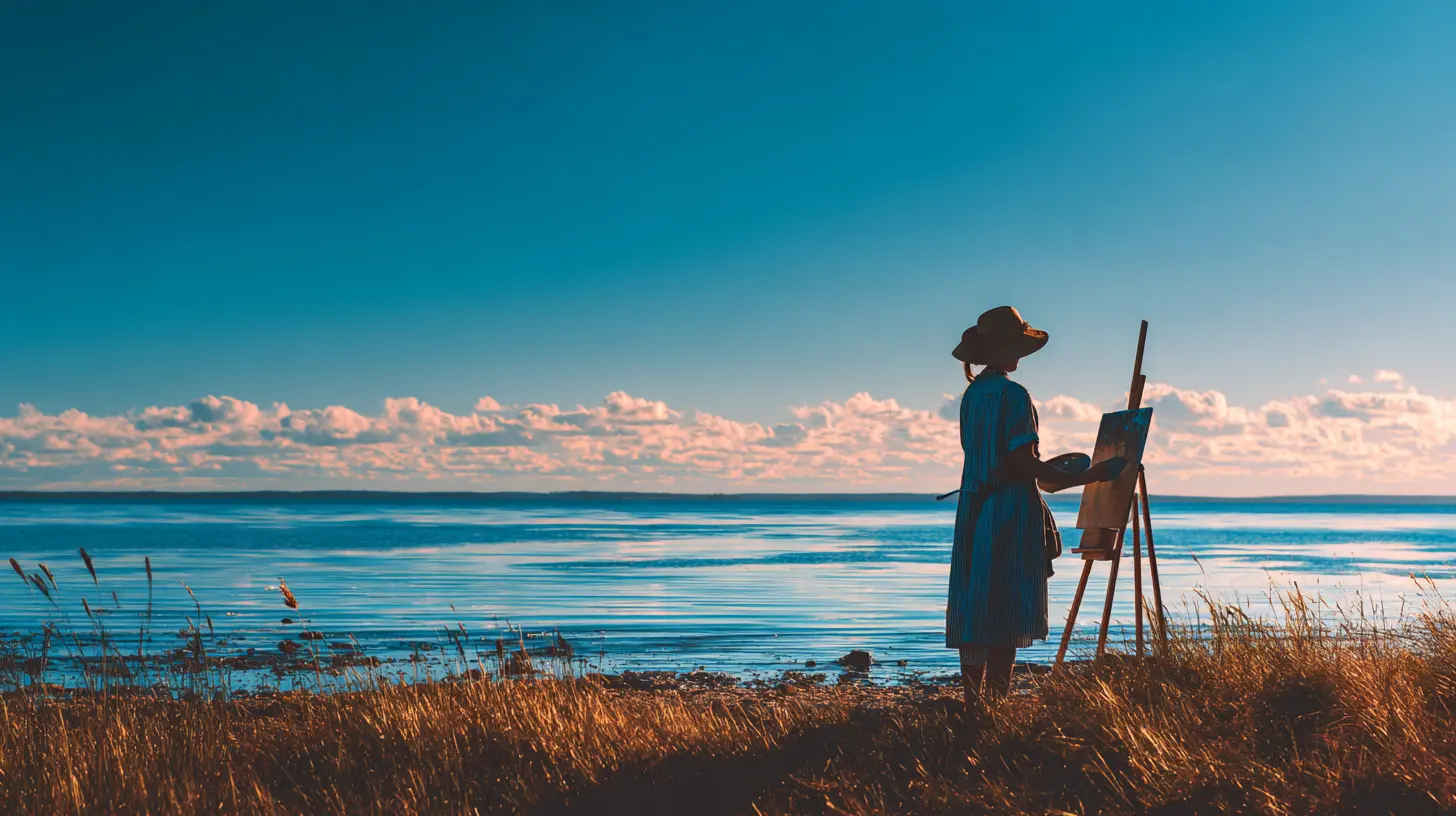
Why Do Creative Outlets Matter for Mental Health?
Ever noticed how painting, playing music, or even knitting can make you feel calmer? That’s because creative activities give your brain a much-needed break from stress and negative thoughts. Here’s how hobbies help improve mental well-being:1. Reduces Stress and Anxiety
When you engage in a creative activity, your focus shifts away from worries and onto the task at hand. This mindfulness-like effect helps reduce anxiety and stress, making you feel more relaxed and in control.2. Boosts Mood and Happiness
Creativity triggers the release of dopamine, the "feel-good" chemical in the brain. Whether it’s finishing a painting, baking a beautiful cake, or writing a poem, the sense of accomplishment you feel can lift your mood instantly.3. Enhances Self-Expression
Sometimes, words just aren’t enough to express how we feel. Creative hobbies provide a way to process emotions and let them out in a healthy, productive way.4. Improves Cognitive Function
Engaging in creative activities stimulates the brain, improving memory, problem-solving skills, and focus. It’s like a mental workout—but way more fun!5. Builds Resilience and Confidence
Mastering a new skill takes patience and practice. Overcoming challenges in a hobby teaches perseverance, which translates to real-life situations, making you more resilient in the face of struggles.
Best Creative Outlets for Mental Health
Now that we know the benefits, let’s talk about some hobbies that can help boost mental well-being. Here are some of the best creative outlets to try:1. Painting & Drawing
You don’t need to be the next Picasso to enjoy painting or drawing! Just picking up a brush or doodling on paper can be incredibly therapeutic. The act of putting colors on a canvas allows you to express emotions freely, making it a fantastic stress reliever.Getting Started:
- Grab some basic supplies (paper, sketchbook, colored pencils, or paints).
- Follow online tutorials or just go with the flow—there’s no right or wrong in art!
2. Writing & Journaling
Writing is one of the most powerful ways to process emotions. Whether it’s journaling your thoughts, writing poetry, or even starting a blog, putting words on paper helps clear your mind and gain perspective.Getting Started:
- Keep a journal and write freely without worrying about grammar.
- Try creative writing prompts or daily gratitude lists.
3. Playing a Musical Instrument
Music has an incredible impact on emotions. Learning to play an instrument, whether it's the guitar, piano, or even a ukulele, can be a fulfilling way to channel emotions and improve focus.Getting Started:
- Pick an instrument you enjoy and start with beginner lessons.
- Play for fun—progress comes with time!
4. Crafting & DIY Projects
If you love working with your hands, crafting is a great way to unleash creativity. From knitting and crocheting to woodworking or making jewelry, DIY projects provide a deep sense of satisfaction and relaxation.Getting Started:
- Choose a craft that excites you and gather basic supplies.
- Follow YouTube tutorials or join an online craft community.
5. Photography
Photography encourages you to see the beauty in the little things. Capturing moments, landscapes, or even candid shots of your loved ones can be a rewarding way to shift focus from stress to creativity.Getting Started:
- Use your phone camera or invest in a simple DSLR.
- Experiment with different styles—nature, portraits, or street photography.
6. Gardening
There’s something truly peaceful about tending to plants. Gardening not only connects you with nature but also provides a sense of accomplishment as you watch your plants grow over time.Getting Started:
- Start with low-maintenance plants like succulents or herbs.
- Spend time outdoors to benefit from fresh air and sunshine.
7. Cooking & Baking
Cooking is more than just making food—it’s a creative experience! Trying new recipes and experimenting with ingredients can be a therapeutic practice that also results in delicious rewards.Getting Started:
- Try simple recipes that bring you joy.
- Experiment with new flavors and make cooking a fun, stress-free activity. 
How to Make Time for Creativity in a Busy Life
One of the biggest excuses people make for not picking up a hobby is, “I don’t have time.” But guess what? You don’t need hours every day to enjoy creativity. Here’s how to fit it into your schedule:- Start Small: Even 10–15 minutes a day can make a difference.
- Schedule It: Treat your hobby like an important appointment.
- Make It a Habit: The more consistently you do it, the easier it becomes.
- Ditch Perfectionism: Your hobby is for YOU—no pressure! 
Final Thoughts
At the end of the day, hobbies aren’t just about having fun; they’re about self-care. Carving out time for creative outlets can improve your mental health, boost happiness, and help you feel more in tune with yourself.So, what are you waiting for? Pick a hobby, dive in, and let your creativity flow—your mind will thank you for it!
all images in this post were generated using AI tools
Category:
Mental WellnessAuthor:

Angelo McGillivray
Discussion
rate this article
2 comments
Blaze Alvarez
Embracing creative hobbies can truly uplift our spirits and enhance mental well-being. Let your passions flourish and watch how they brighten your life.
July 14, 2026 at 3:50 AM
Angelo McGillivray
Absolutely! Hobbies have a unique way of boosting our mood and enriching our lives. Embracing what we love can lead to real joy.
Otis McGill
Hobbies are a fantastic way to boost mental health! Embrace creativity and let joy flourish in your daily life...
May 27, 2026 at 3:17 AM
Angelo McGillivray
Absolutely! Hobbies not only spark creativity but also bring joy and relief from daily stress. They are essential for a healthy mind.