Dealing with Nightmares and Night Terrors: A Practical Guide
17 July 2026
Waking up in the middle of the night, heart racing, drenched in sweat... sound familiar? Whether it’s a terrifying dream or an episode that jolts you out of sleep screaming, nightmares and night terrors can be draining emotionally, mentally, and even physically.
Let’s get one thing straight—you're not alone in experiencing these scary night-time disruptions. Millions of people, both children and adults, face them. But don’t worry, the good news is there are practical, down-to-earth ways to manage them.
Ready to take back your nights and finally get some peaceful rest? Let’s dive in.
? What’s the Difference Between Nightmares and Night Terrors?
We all use the terms interchangeably, but they're actually quite different.Nightmares:
These are vivid, disturbing dreams that usually wake you up. You might remember them in great detail, and they often reflect some stress or trauma in your waking life.Example? That dream where you’re being chased but can’t scream or move? Classic nightmare.
Night Terrors:
A whole different beast. Unlike nightmares, night terrors typically happen during deep Non-REM sleep, usually early in the night. You might scream, thrash around, or even sit up with your eyes wide open. Scary stuff, right? But here’s the kicker: you often won’t remember it the next morning.Who’s more prone? Night terrors are more common in children (especially between ages 3-12), but adults can experience them too—particularly when dealing with high stress, lack of sleep, or PTSD.
? Why Do We Get Nightmares or Night Terrors?
Understanding the why behind your night-time drama is key to fighting it.1. Stress & Anxiety
Let’s be real—life is stressful. Whether it’s work, relationships, or financial worries, stress doesn’t just disappear when your head hits the pillow.2. Traumatic Experiences
Trauma can get buried deep in our subconscious. Sometimes it sneaks its way back through dreams. That’s especially true for people with PTSD.3. Sleep Disorders
Conditions like sleep apnea or restless leg syndrome break up your sleep, creating a breeding ground for nightmares or terrors.4. Medications
Some medications, especially antidepressants and blood pressure drugs, can affect the brain chemicals responsible for sleep and dreams.5. Substances
Alcohol, caffeine, or recreational drugs can mess with your sleep cycle. You might fall asleep faster, but your brain doesn’t get the rest it needs.6. Irregular Sleep Schedules
Pulling an all-nighter or sleeping only a few hours can disrupt REM sleep and lead to more vivid, unsettling dreams.
?️ Signs You Might Be Dealing With Night Terrors (Not Just Nightmares)
Sometimes it’s hard to know exactly what you're dealing with. Here are some tell-tale signs you’re facing night terrors:- Sudden loud screaming or gasping for air
- Sitting up abruptly in bed
- Rapid heartbeat and heavy breathing
- Being difficult to awaken
- Little or no memory of the episode
Sound familiar? If so, it’s time to pay closer attention to your sleep habits.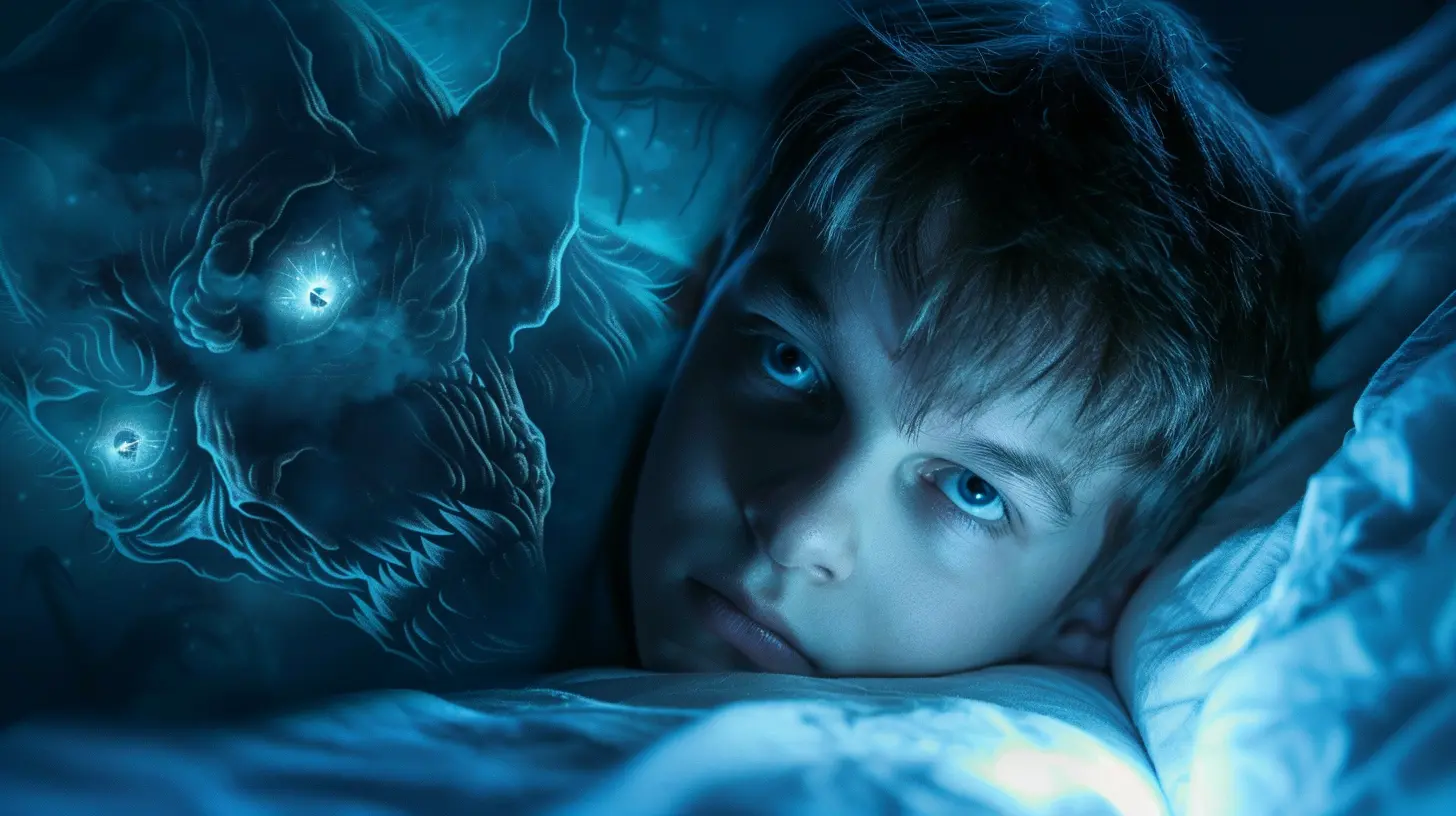
?️ Practical Tips to Manage Nightmares and Night Terrors
Okay, now to the good stuff. Let’s break down some steps you can take starting tonight.1. Create a Relaxing Bedtime Ritual
Think of bedtime as winding down from a rollercoaster. The goal? Calm, peaceful energy.Try:
- Reading (nothing too intense!)
- Warm bath or shower
- Listening to calming music or white noise
- Deep breathing or light yoga stretches
Think of your bedtime routine as a little love letter to yourself. You deserve wind-down time.
2. Keep a Sleep Schedule
Consistency is key. Going to bed and waking up at the same time—even on weekends—trains your brain. It’s sort of like house-training a puppy. The more consistent you are, the better your sleep becomes.3. Ditch Screens Before Bed
Sorry Netflix, you’re part of the problem! The blue light from phones and TVs messes with your melatonin levels. Try powering down at least 30-60 minutes before bed. Your brain will thank you.4. Track Your Dreams
Keep a dream journal next to your bed. Jot down whatever you remember—no matter how weird. Over time, you may notice patterns or triggers. Plus, just writing them out can be oddly therapeutic.5. Set Up a Safe Sleep Environment
Make your bedroom a sanctuary. Cool temperature, blackout curtains, comfy pillows—this is your haven. If you feel secure while sleeping, the chances of bad dreams can drop.6. Practice Stress-Reduction Techniques
Meditation, breathing exercises, journaling, or even talking to a friend can go a long way. Keeping your emotional tank full helps your subconscious chill out too.7. Watch Your Diet
Big meals, spicy food, caffeine, or alcohol too close to bedtime? Total sleep saboteurs. Aim to stop eating at least 2–3 hours before sleep.? Helping Kids Deal With Nightmares and Night Terrors
If you’re a parent, seeing your child go through this stuff can be heartbreaking. Here’s how you can help:- Comfort them but don’t overreact. Stay calm—that energy is contagious.
- Don’t force them to talk about it if they don’t want to.
- Keep a consistent bedtime routine (kids thrive on routine).
- Avoid scary TV shows, games, or movies before bed.
- Make sure they feel safe—maybe a nightlight or favorite stuffed animal can help.
Pro tip: If your child sleepwalks during night terrors, keep the environment safe—lock windows and hide sharp objects.
?♀️ Mind-Body Practices That Work Wonders
Sometimes, you’ve just got to reconnect with yourself. Here are a few soul-soothing practices worth trying:1. Meditation
Even 5–10 minutes a day can calm that monkey mind. Try guided meditations focusing on sleep or relaxation.2. Progressive Muscle Relaxation
This is where you tense and then relax each muscle group in your body. It’s like telling your body, “Hey, it’s okay now. You can let go.”3. Visualization
Before you drift off, imagine a peaceful scene—maybe a beach or a quiet forest. Picture the sights, sounds, smells. Let your mind vacation there.? When to Seek Professional Help
If nightmares or night terrors are ruining your life, it might be time to bring in the pros.Red flags to watch for:
- Frequent disruptions (more than once a week)
- Fear of going to sleep
- Trouble functioning during the day
- Signs of PTSD, depression, or severe anxiety
Therapies like Cognitive Behavioral Therapy (CBT), EMDR (Eye Movement Desensitization and Reprocessing), or even medications can help in more serious cases.
Talking to a sleep specialist or therapist isn’t a sign of weakness. In fact, it’s a power move.
? Final Thoughts: You Deserve Restful Nights
Let’s be real—nobody enjoys waking up from a creepy, heart-racing nightmare or being told they were screaming in their sleep. The good news? You’re not stuck with it forever.By tuning into your body, understanding your mind, adjusting your environment, and seeking help when you need it, you can absolutely regain control.
Think of your sleep as sacred. Protect it. Nurture it. And most importantly? Don’t beat yourself up when things aren’t perfect. Healing takes time—but every step counts, even the small ones.
So tonight, as your head hits the pillow, remember: peaceful sleep is possible—and you’re already on your way there.
all images in this post were generated using AI tools
Category:
Sleep DisordersAuthor:

Angelo McGillivray
Discussion
rate this article
1 comments
Nyx Reese
This article touches on a vital topic that often goes unaddressed. Nightmares and night terrors can be deeply unsettling. It's comforting to see practical advice shared for those struggling. I hope many find relief and support through these strategies. Thank you for shedding light on this issue.
July 25, 2026 at 4:06 AM
Angelo McGillivray
Thank you for your thoughtful comment. I'm glad you found the advice helpful. I hope it brings comfort to those who need it.