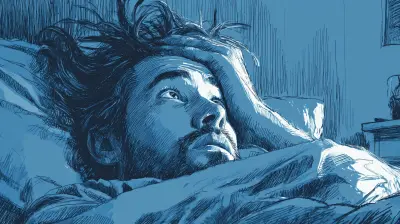
Debunking Common Myths About Chronic Pain
8 August 2026
Chronic pain is a mystery to many. The confusion is understandable—pain is a personal experience, and what works for one person might not work for another. Unfortunately, misconceptions about chronic pain run rampant, leaving people with misguided beliefs that often do more harm than good.
So, let’s set the record straight. If you or someone you love struggles with chronic pain, it's time to bust the most common myths surrounding it. 
Myth #1: "Chronic Pain Is Just in Your Head"
This is perhaps the most harmful myth of all. It dismisses the real and debilitating nature of chronic pain, making those who suffer feel gaslit and invalidated.While pain may have neurological and psychological components, it is not "imaginary." Chronic pain often stems from conditions like arthritis, fibromyalgia, nerve damage, or past injuries. Even in cases where no clear cause is found, the pain is still real.
Dismissing chronic pain as a mental illusion only adds to the emotional pain sufferers endure. Instead of questioning its reality, we should focus on effective ways to manage it. 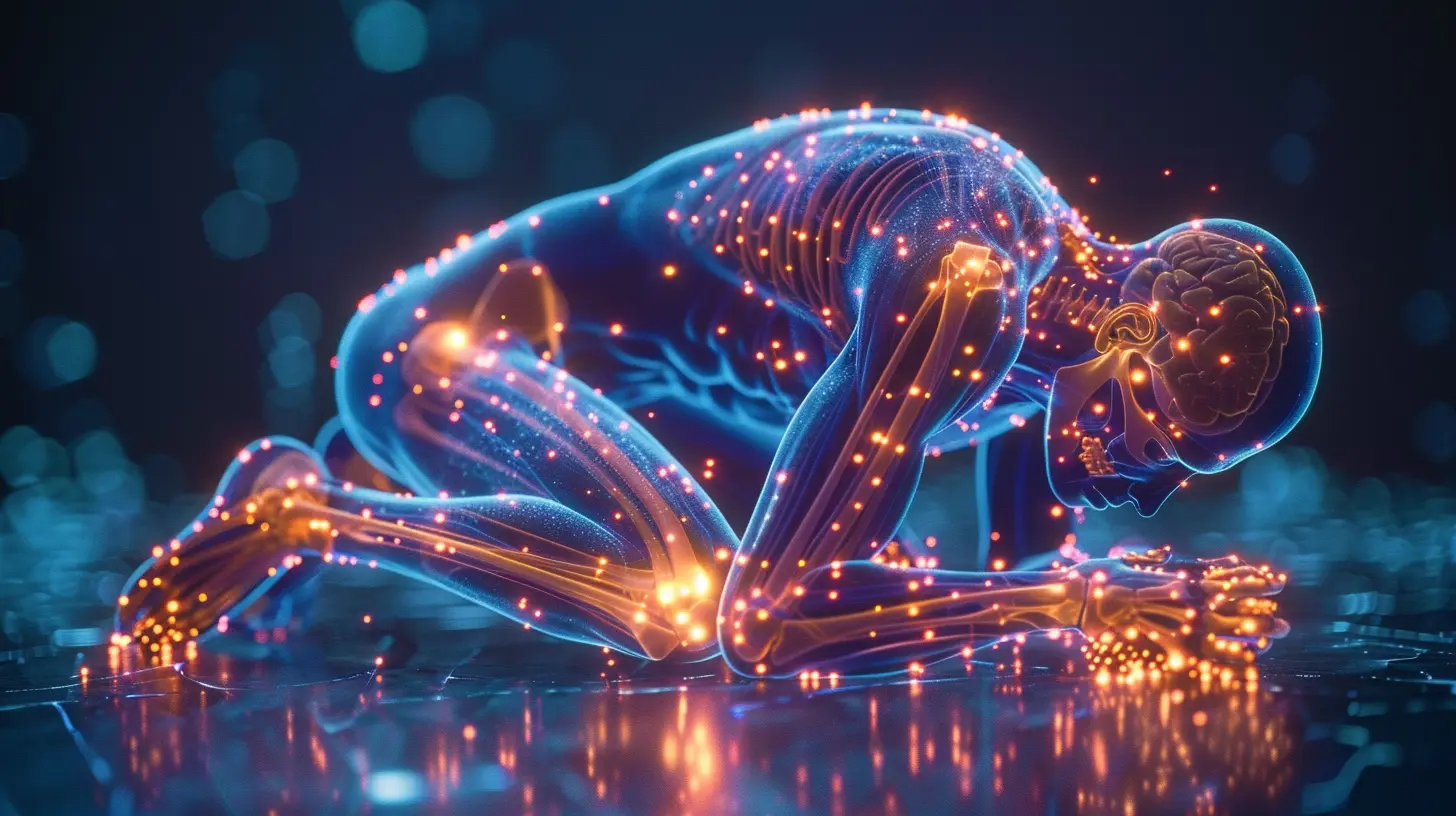
Myth #2: "You Just Need to Toughen Up"
Ever heard someone say, "Pain is part of life, deal with it"? That’s like telling a drowning person to "just swim harder." Chronic pain isn’t the same as minor aches or temporary discomfort; it’s a persistent, often debilitating condition that requires treatment and management.No amount of "toughness" can make it disappear. In fact, pushing through the pain without proper care can make things worse. The key isn’t to "man up" but to find the right treatment, lifestyle adjustments, and support. 
Myth #3: "If You Look Fine, You Must Be Fine"
Not all disabilities are visible. Chronic pain sufferers often face skepticism because they don’t "look sick." Unlike a broken leg or a visible injury, chronic pain exists beneath the surface, making it easy to underestimate.Many people with chronic pain learn to mask their discomfort, either because they don’t want constant pity or they’re tired of being doubted. But just because someone looks okay doesn’t mean they are.
Rather than assuming, let’s practice empathy. Sometimes, the strongest people hide their struggles the most. 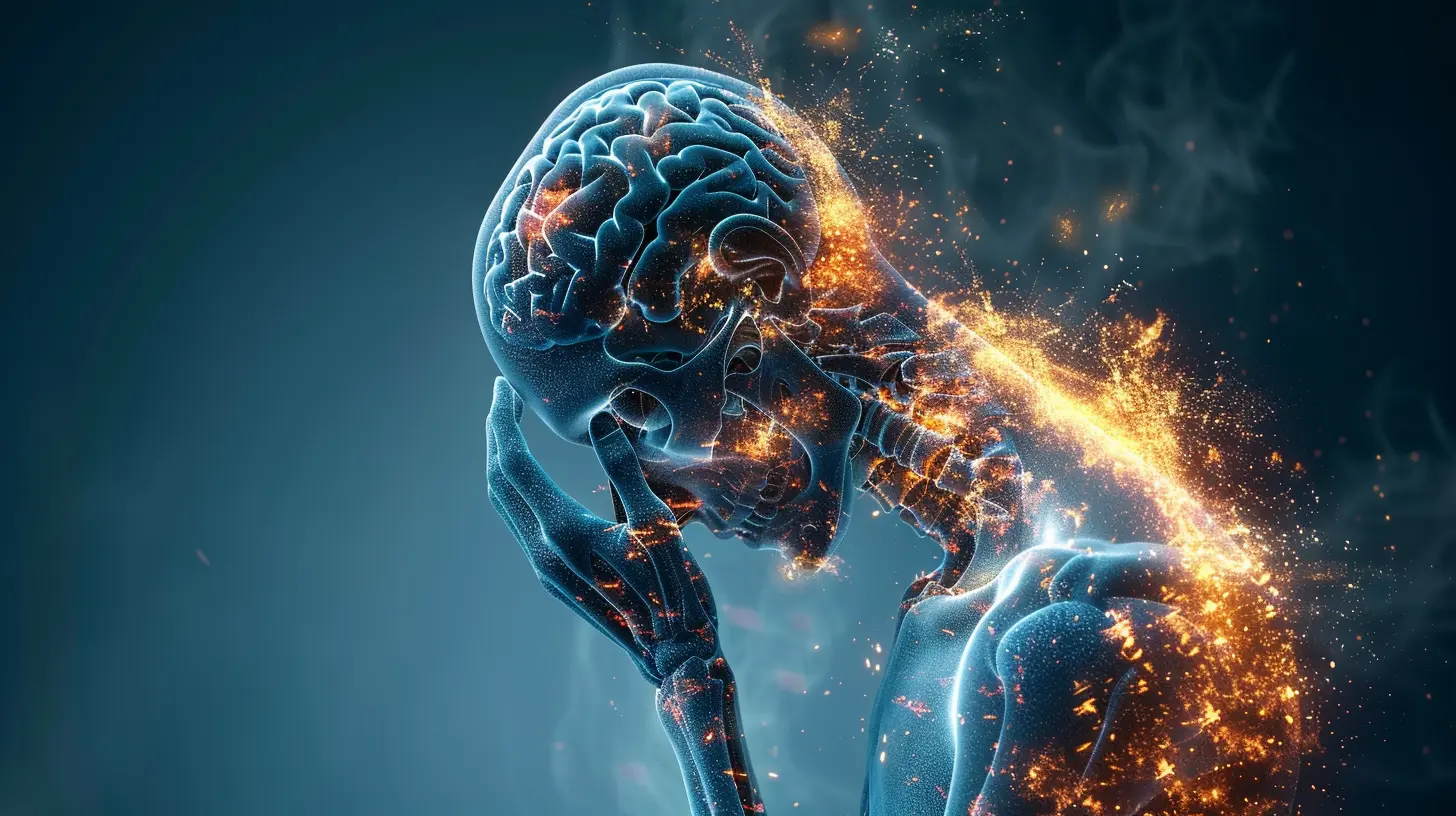
Myth #4: "Medication Is the Only Solution"
Painkillers might offer relief, but they’re just one piece of the puzzle. Relying solely on medication can lead to dependency and unwanted side effects.A holistic approach is often the most effective. Exercise, physical therapy, acupuncture, dietary changes, and mindfulness techniques can all contribute to pain management. Some find relief through lifestyle adjustments, while others benefit from a combination of methods. The key is to find what works best for the individual.
Pain management isn’t about masking the problem—it’s about improving quality of life.
Myth #5: "Exercise Will Only Make the Pain Worse"
It’s natural to fear movement when you're in pain, but avoiding exercise altogether can actually make things worse. Staying still for too long can lead to muscle stiffness, weakness, and even increased pain over time.Of course, not all exercises are suitable for chronic pain sufferers. High-impact workouts might be off-limits, but low-impact activities like swimming, yoga, and walking can work wonders. Movement keeps the joints flexible, improves circulation, and releases endorphins—the body's natural painkillers.
The key is to stay active in a way that doesn’t trigger more pain. Listen to your body and adopt a fitness routine suited to your condition.
Myth #6: "Resting All the Time Will Help"
While rest is important, too much inactivity can be counterproductive. Our bodies are designed to move, and being constantly sedentary can lead to muscle weakness, decreased mobility, and worsened pain.Instead of complete rest, a balanced approach works best. Gentle movement combined with adequate recovery leads to better pain management. It’s all about finding the right balance between activity and rest.
Myth #7: "Losing Weight Will Cure Chronic Pain"
Weight management can certainly help with chronic pain, especially for conditions like arthritis or back pain. However, it's not a magic cure. People of all sizes suffer from chronic pain, and losing weight doesn’t always guarantee relief.Instead of fixating on weight alone, a broader approach focusing on overall health is more beneficial. Proper nutrition, exercise, hydration, and stress management all play a role in reducing pain levels.
Rather than obsessing over the number on the scale, the goal should be to improve overall well-being.
Myth #8: "Pain Always Means There's an Injury"
Pain is the body's alarm system, but chronic pain doesn’t always signal ongoing damage. In some cases, the nervous system becomes overly sensitive, sending pain signals even when there’s no active injury.Conditions like fibromyalgia and neuropathy are examples where pain persists without overt physical damage. Understanding this can help reshape how we approach treatment—focusing more on managing pain responses rather than constantly searching for an elusive injury.
Myth #9: "All Chronic Pain is the Same"
Chronic pain comes in various forms—nerve pain, inflammatory pain, muscular pain, headaches, and more. Each type has different causes, symptoms, and treatment approaches.Assuming all chronic pain is the same is like saying all weather is the same. A thunderstorm and a heatwave are both weather events, but they require different preparations and responses. Similarly, chronic pain management varies from person to person.
Personalized treatment plans are essential because no two cases are identical.
Myth #10: "If Treatment Doesn't Work, You're Just Stuck With It"
Just because one treatment fails doesn’t mean there’s no hope. Pain management is often a journey of trial and error. What doesn’t work for one person might work for another.Medical advancements continue to evolve, offering new treatments and pain management techniques. Many sufferers find relief through alternative therapies, lifestyle adjustments, or a combination of approaches.
Chronic pain doesn’t have to define life. Persistence, patience, and exploring different options can make all the difference.
Final Thoughts
Chronic pain is misunderstood by many, leading to harmful myths that discourage proper treatment and support. By debunking these misconceptions, we can help build a more compassionate and informed perspective on chronic pain.If you or someone you love is struggling, remember this—pain is real, but so is hope. With the right approach, chronic pain can be managed, and a fulfilling life is still possible.
all images in this post were generated using AI tools
Category:
Chronic PainAuthor:

Angelo McGillivray
Discussion
rate this article
1 comments
Zethryn McQuade
Understanding chronic pain is a journey. By dispelling myths, we empower ourselves and others to seek the right support. Keep pushing forward-your strength can inspire change.
August 8, 2026 at 4:30 PM