Exploring the Link Between Brain Health and Physical Pain
12 July 2026
Ever had a really stressful day and then—bam!—your back starts aching for no good reason? Or maybe you've noticed that when you’re feeling low, those nagging headaches or joint pains hit a little harder? If that sounds familiar, you're not alone. There's a deeper connection between what’s happening in our heads and how our bodies feel.
In fact, the link between brain health and physical pain is not just real—it's huge. And the more we understand that connection, the better we can manage both our mental wellness and physical well-being.
Let’s break it down in plain English—no PhD in neuroscience required.
What Exactly IS Brain Health?
Before jumping into the relationship between your brain and physical pain, let’s first get super clear on what brain health means.Put simply—brain health is how well your brain works in different areas. That includes:
- Cognitive function (how you think, learn, and remember)
- Emotional balance (your mood and ability to manage stress)
- Behavioral control (how you respond to situations)
- Neurological functioning (how your brain regulates the rest of your body)
When your brain is healthy, you’re firing on all cylinders: thinking clearly, feeling good, making smart decisions, handling life’s curveballs with grace. But when it’s not doing great? That’s when things can start to fall apart—mentally and physically.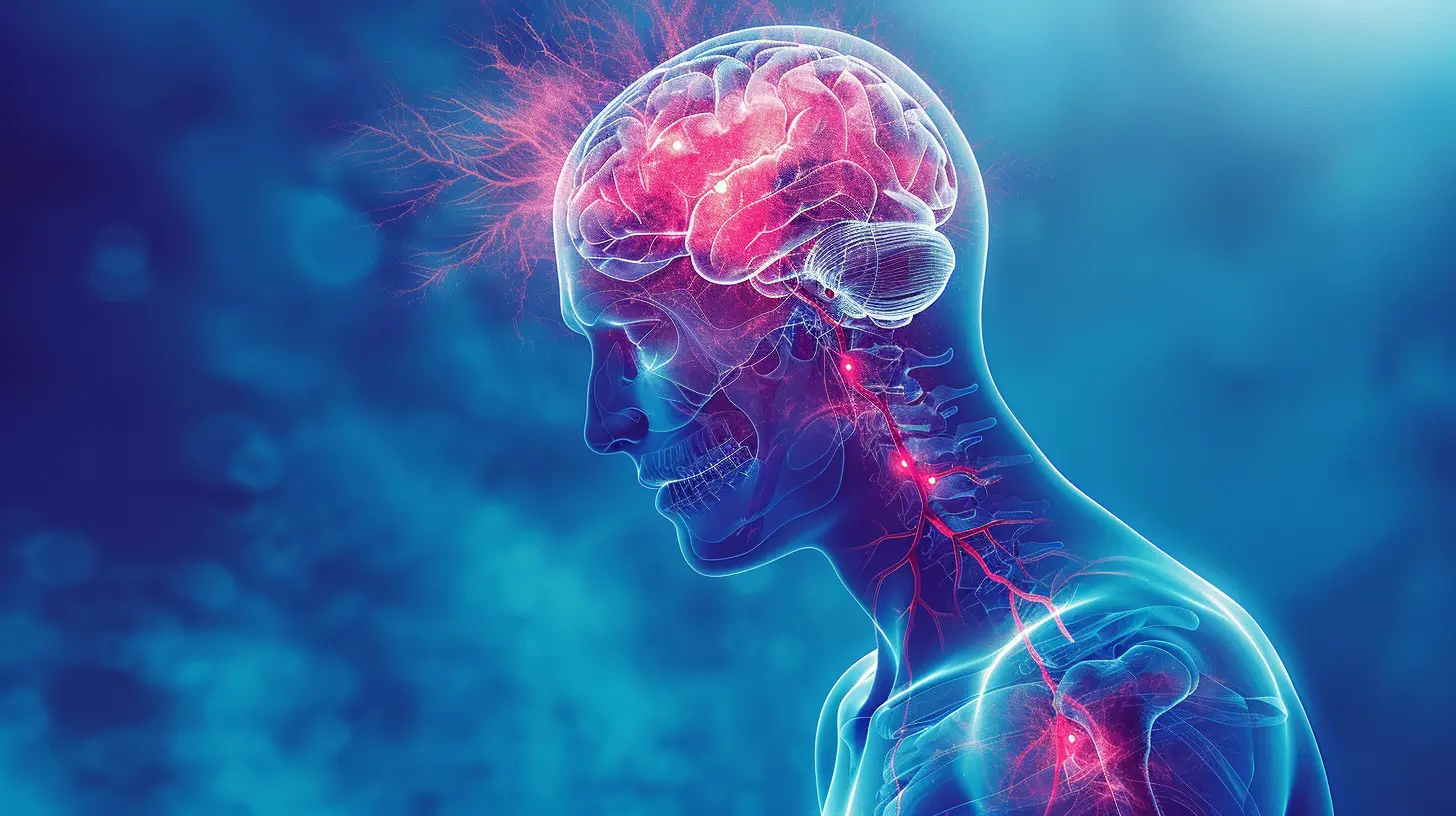
How the Brain Connects to Physical Pain
Now here’s where things get interesting. You feel pain in your body, right? Your back hurts, your knees ache, you get stomach cramps. But guess where pain is actually processed?? Your brain.
Pain might start in your muscles, tissues, or nerves, but it only registers once your brain gets the message. It’s like your body sends a text, and your brain opens it: “Hey! Something hurts down here!”
The brain decides:
- How bad the pain feels
- How long it lasts
- Whether it’s something to worry about
So what happens when the brain itself is “struggling”—maybe due to anxiety, depression, chronic stress, or even past trauma? Well... it can actually turn the volume up on those pain signals.
The Science-y Bit (But Super Simple)
The part of your brain that plays a starring role here is the central nervous system (CNS), which includes your brain and spinal cord. This system processes sensory information, including pain.Here’s a quick cheat sheet of how it works:
1. Pain signal gets triggered in your body (say, you stub your toe).
2. The signal travels up your spinal cord.
3. It reaches your brain.
4. Your brain interprets it: “OUCH! That sucks.”
Now, if your brain is under chronic stress or emotionally off-balance, it becomes more sensitive to these signals. This is called central sensitization. It’s like turning up the sensitivity on a microphone—suddenly, even a whisper (or mild pain) sounds like a scream.
Mental Health and Physical Pain: A Two-Way Street
Let’s flip the script for a second.So far we’ve talked about how poor brain health can trigger more intense pain. But did you know that chronic pain can actually hurt your mental health too?
It’s a vicious cycle:
- You’re in pain all the time.
- You get frustrated, anxious, even depressed.
- That emotional stress messes with your brain.
- And then—yep, you guessed it—your pain feels even worse.
Over time, your body and brain are basically feeding off each other in the worst way possible.
Common Conditions Where This Happens
This brain-pain connection doesn’t just exist in theory. It shows up in real, diagnosable conditions. Here are a few big ones:1. Fibromyalgia
This chronic condition is known for widespread pain—but no visible cause. Brain imaging shows that people with fibromyalgia have altered brain activity linked to pain processing. Basically, their brains are on high alert 24/7.2. Chronic Fatigue Syndrome (Myalgic Encephalomyelitis)
Aside from exhaustion, muscle and joint pain are common symptoms. Again, research points to dysfunction in the brain’s communication systems.3. Depression
People with major depression often report aches and pains, even when there’s no physical injury. That’s because depression affects brain chemicals like serotonin and norepinephrine—both of which influence pain perception.4. Anxiety Disorders
Anxiety can lead to muscle tension, headaches, stomach pain, and more. Why? Because your brain is stuck in a loop of “danger alert,” causing physical responses.Neuroplasticity: The Brain’s Superpower
Here’s the good news: just as your brain can learn to amplify pain, it can also be trained to calm it down.Enter: neuroplasticity.
Neuroplasticity is the brain’s ability to change its wiring. Just like muscles get stronger with exercise, your brain can build new pathways for healing, relaxation, and better pain tolerance.
Practices like:
- Mindfulness meditation
- Cognitive Behavioral Therapy (CBT)
- Regular physical activity
- Social connection
- Sleep optimization
...all help rewire your brain to process pain differently. They literally change how your brain “talks” to your body.
Mind Over Matter: Does It Really Work?
You might be thinking, “Wait... can I think my way out of pain?” Well, not exactly. But changing your mindset and improving brain health can absolutely reduce how much pain you feel.Think of it like this: pain is like smoke. The damage may be real (like a fire), but how much smoke fills the room depends on your brain’s settings.
Boost brain health = less smoke = a clearer, calmer body.
Tips to Boost Brain Health And Reduce Physical Pain
Okay, let’s get practical. What can you actually do to support your brain and ease pain? Here’s a little toolkit.1. Prioritize Restorative Sleep
Your brain resets while you sleep. Poor sleep ramps up pain sensitivity and emotional distress. Aim for 7–9 hours of quality snooze time.2. Move Your Body (Even Gently)
Exercise boosts feel-good chemicals in the brain—like endorphins and serotonin. You don’t have to run marathons. Walking, yoga, stretching—they all help.3. Eat Brain-Friendly Foods
What you eat affects your brain. Add in:- Omega-3s (like salmon, chia seeds)
- Leafy greens
- Berries
- Nuts
- Whole grains
Avoid processed junk and reduce added sugar whenever possible.
4. Practice Mindfulness or Meditation
It’s not just woo-woo. Studies show mindfulness reduces both emotional and physical pain. Start with just 10 minutes a day.5. Talk It Out
Therapy isn’t just for trauma. Talking to a mental health pro can help you manage stress, anxiety, and rewire those brain pathways tied to pain.6. Connect With Others
Loneliness takes a toll on your brain and body. Even a quick chat with a friend can boost your mood and lower inflammation.7. Keep Stress in Check
Chronic stress floods your body with cortisol—a hormone that increases inflammation and riles up pain responses. Deep breathing, journaling, or even a hot bath can work wonders.When to See a Doctor
If you’re wondering whether your pain is tied to your brain health—or if it’s maybe something more medical—it’s always wise to talk to a healthcare provider.They can help rule out underlying conditions, guide you toward treatment, and make sure you’re not walking this journey alone.
Final Thoughts
Your brain and your body aren’t separate systems—they’re an interconnected team. When one gets out of whack, the other feels it. And when it comes to pain, your brain is more than just a messenger. It’s part of the pain experience itself.So next time your body’s hurting, don’t just reach for the ice pack or painkillers. Pause and ask yourself: “How’s my brain doing today?”
You might be surprised by the answer—and by how much relief you can find by caring for both your mind and your body like the dynamic duo they truly are.
all images in this post were generated using AI tools
Category:
Brain HealthAuthor:

Angelo McGillivray
Discussion
rate this article
1 comments
Gwen Cox
The connection between brain health and physical pain is critical. Understanding how mental processes influence pain perception can lead to more effective treatment strategies and improved overall well-being for patients.
July 16, 2026 at 4:33 AM
Angelo McGillivray
Absolutely, the interplay between brain health and pain perception is vital. It's exciting to consider how insights in this area can enhance treatment approaches and improve patient outcomes.