Exploring the Link Between Sleep and Mental Health Disorders
29 July 2026
Ever had one of those nights where you tossed and turned, staring at the ceiling at 3 a.m., wondering why sleep feels like a long-lost friend? We've all been there! But did you know that poor sleep doesn’t just leave you groggy—it messes with your mental health too?
Yep! If you’re struggling with anxiety, depression, or stress, your sleep (or lack thereof) might be playing a bigger role than you think. Let's unravel this tangled mess and see how sleep and mental health are more connected than peanut butter and jelly.
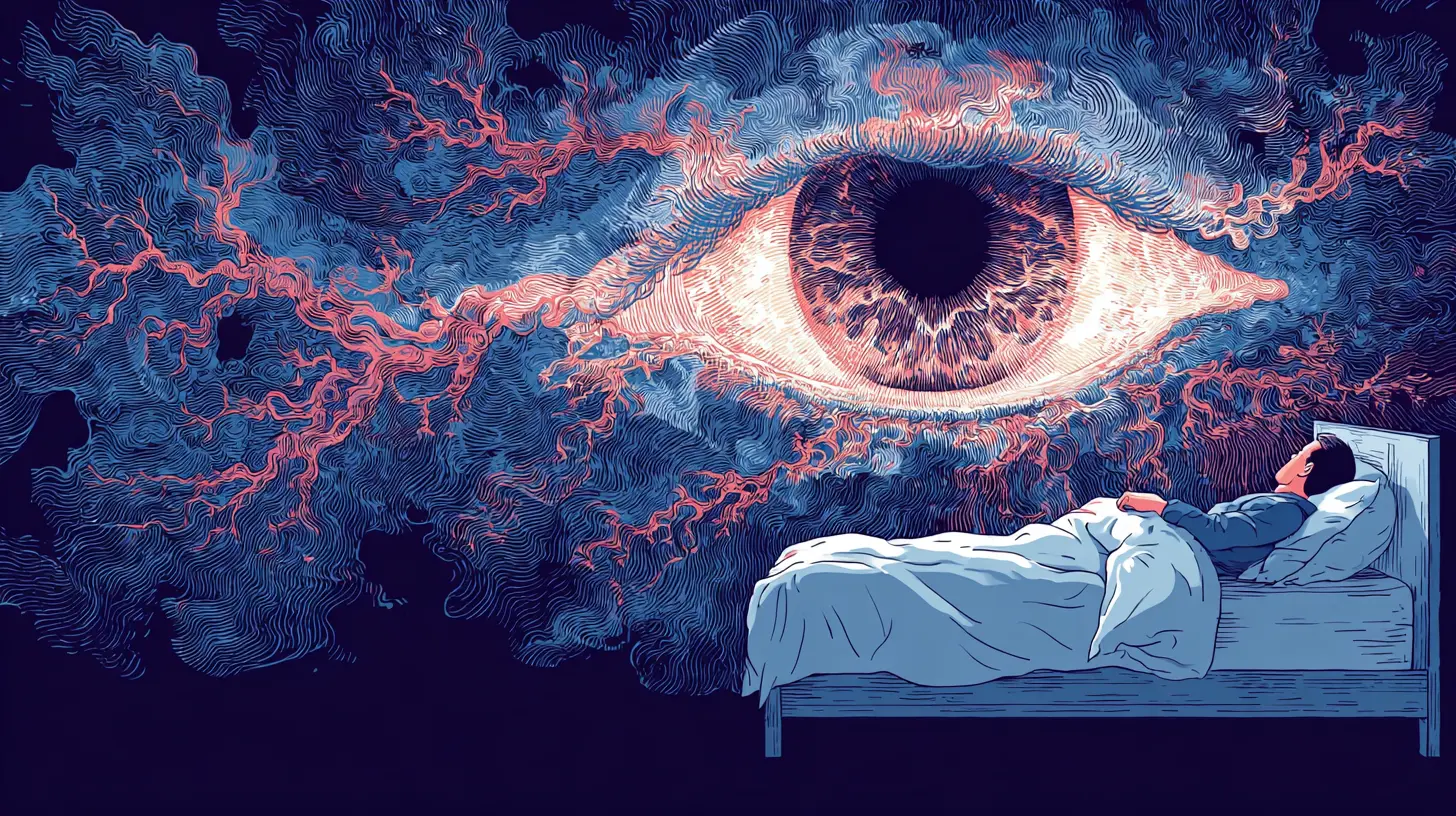
Why Sleep Is More Important Than You Think
We often treat sleep like an afterthought—sacrificing it for Netflix marathons, social media scrolling, or late-night work sessions. But sleep isn’t just about resting; it’s about rebooting your brain.When you sleep, your body does a whole bunch of maintenance work—kind of like a night janitor cleaning up after a messy day. Your brain processes emotions, repairs tissues, balances hormones, and removes toxins. Skip this crucial process, and things start going haywire.
The Science of Sleep: More Than Just Shut-Eye
Sleep happens in cycles, and each one has different functions:- NREM (Non-Rapid Eye Movement) – Deep sleep that helps with physical restoration and memory consolidation.
- REM (Rapid Eye Movement) – The dream phase, where your brain processes emotions, creativity, and problem-solving skills.
When sleep is interrupted (or just plain bad), your brain doesn’t get the full benefits of these cycles. That’s when mental health issues start creeping in like uninvited guests at a party.
The Sleep-Mental Health Domino Effect
You might think sleep and mental health are separate issues, but they’re actually locked in a vicious cycle. Poor sleep can contribute to mental health disorders, and mental health disorders can disrupt sleep—trapping you in an endless loop of exhaustion and stress.Let’s break it down:
1. Lack of Sleep Fuels Anxiety
Ever noticed how everything feels ten times worse when you’re sleep-deprived? That’s because sleep deprivation cranks up the brain’s fear center—the amygdala—making it overreact to stress.Without enough sleep, small problems suddenly feel like catastrophes. Your brain struggles to regulate the stress hormone cortisol, pushing you into a state of anxiety. No wonder sleepless nights make you feel jittery and restless the next day!
2. Sleep Deprivation and Depression: A Dark Connection
Depression and sleep issues often go hand in hand. Studies show that insomnia is both a symptom and a risk factor for depression. It’s a classic chicken-and-egg scenario—does depression cause sleep problems, or do sleep problems lead to depression? Answer: Both!When you don’t sleep well, your brain doesn’t produce enough serotonin and dopamine—the feel-good chemicals responsible for happiness and motivation. Over time, this imbalance can lead to severe mood disorders, leaving you emotionally drained.
3. Insomnia and Stress: A Never-Ending Battle
Got a stressful job? A mountain of deadlines? Relationship troubles? Stress is already bad enough, but when it messes with your sleep, it turns into a full-blown crisis.Chronic stress keeps your brain “on high alert,” which means you’re stuck in fight-or-flight mode even when trying to sleep. Cue insomnia and restless nights, making the stress even worse. It’s like trying to put out a fire with gasoline!
4. Bipolar Disorder and Sleep Irregularities
Bipolar disorder is another condition deeply linked with sleep disturbances.- Manic episodes – Less need for sleep, increased energy, racing thoughts.
- Depressive episodes – Excessive sleep, fatigue, lack of motivation.
Disruptions in sleep patterns can trigger or worsen bipolar episodes, making managing the condition even tougher. Sleep stability is crucial for anyone dealing with bipolar disorder.

How to Fix the Sleep-Mental Health Cycle
Good news: You don’t have to stay trapped in this exhausting loop forever! Simple tweaks can improve both your sleep and mental health. Here’s how:1. Stick to a Sleep Schedule
Your body loves routine! Going to bed and waking up at the same time every day helps regulate your internal clock (circadian rhythm) and improves sleep quality.2. Create a Sleep-Friendly Environment
Make your bedroom a relaxation zone:- Keep it cool, dark, and quiet
- Use comfy pillows and blankets
- Say goodbye to late-night phone scrolling (blue light is sleep’s worst enemy!)
3. Watch Your Caffeine and Alcohol Intake
Caffeine’s great for morning energy, but terrible for nighttime relaxation. Try cutting back on coffee in the afternoon. And while alcohol might make you sleepy, it actually disrupts deep sleep—leading to more night wakings.4. Practice Relaxation Techniques
Feeling stressed? Try:- Meditation – Calms the nervous system.
- Deep breathing – Lowers heart rate and stress levels.
- Reading a book – A good way to unwind before bed.
5. Exercise, but Not Too Late
Regular exercise helps regulate sleep and reduces anxiety and depression. Just avoid hardcore workouts right before bed—they’ll leave you too pumped to sleep!6. Limit Naps
Daytime naps can be tempting, especially if you’re sleep-deprived. But long naps mess with your nighttime sleep. If you must nap, keep it under 30 minutes and avoid napping late in the day.7. Consider Therapy or Counseling
If sleep issues and mental health struggles persist, therapy might help. Cognitive Behavioral Therapy for Insomnia (CBT-I) is a super effective method for retraining your brain to sleep better.
Final Thoughts
Sleep and mental health are like dance partners—when one stumbles, the other follows. Ignoring your sleep means risking your mental well-being, and vice versa. But the good news? You can break the cycle with small, consistent changes.So tonight, instead of scrolling TikTok until 2 a.m., grab a book, dim the lights, and give your brain the rest it deserves. Your mind (and mood) will thank you in the morning!
all images in this post were generated using AI tools
Category:
Sleep DisordersAuthor:

Angelo McGillivray
Discussion
rate this article
1 comments
Phaedra McKeehan
Great read! Sleep really can be a game changer for mental health. A few extra hours of rest might be just what you need to feel your best. Sweet dreams!
July 29, 2026 at 3:13 PM
Angelo McGillivray
Thanks for your comment! I'm glad you enjoyed the read. Sleep truly is essential for mental well-being. Sweet dreams to you too!