Exploring the Role of Hormones in Chronic Pain
9 May 2026
Chronic pain is a widespread issue affecting millions of people worldwide. It can be frustrating, overwhelming, and even life-altering. While most people associate pain with physical injuries or conditions like arthritis, there's another key player often overlooked—hormones.
Yes, those tiny chemical messengers in your body do much more than control mood swings or energy levels. They also have a significant impact on how you perceive and process pain. But how exactly do hormones influence chronic pain? And can understanding this connection lead to better pain management?
Let’s dive deep into the fascinating world of hormones and their role in chronic pain.
Understanding Chronic Pain
Before we get into hormones, let’s first talk about chronic pain itself. Unlike acute pain, which comes and goes after an injury heals, chronic pain lingers for weeks, months, or even years. It can stem from conditions like fibromyalgia, nerve damage, arthritis, or autoimmune diseases.What makes chronic pain so challenging is that it’s not just physical—it also involves complex neurological and biochemical processes. And that’s where hormones come into play.
The Connection Between Hormones and Pain
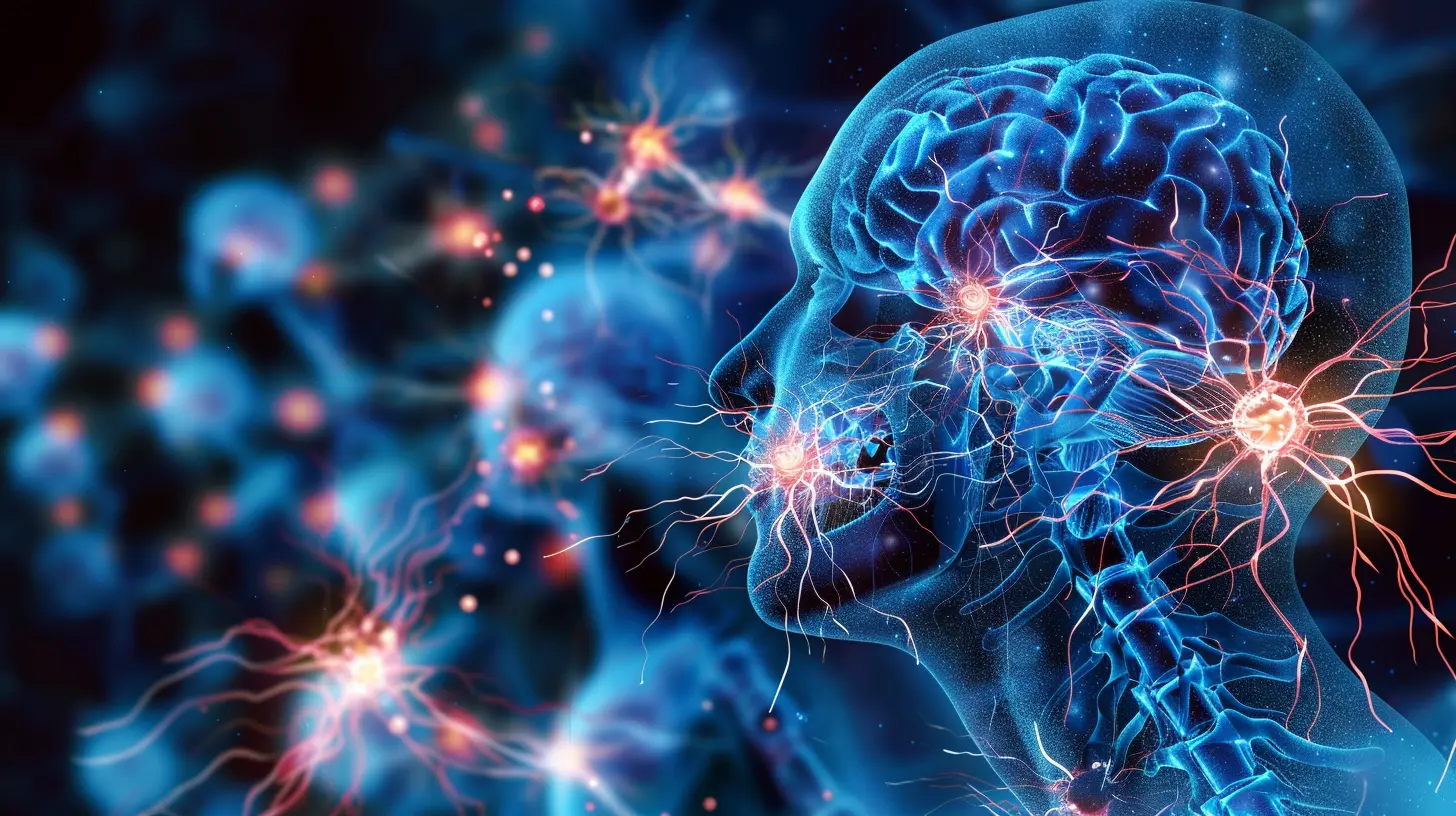
Hormones are like the body's internal messengers. They regulate various functions, including stress response, mood, immune activity, and yes—pain perception. When these hormones become imbalanced, they can either amplify or decrease pain.Let’s break down how specific hormones affect chronic pain.
1. Cortisol: The Stress Hormone
Cortisol is your body’s built-in alarm system. It kicks in during stressful situations, helping you stay alert and react quickly. In normal amounts, cortisol helps regulate inflammation and immune function.But what happens when stress becomes chronic?
- High cortisol levels over time can increase inflammation, leading to more pain.
- On the flip side, if the body becomes overwhelmed and cortisol levels drop too low, the immune system can go haywire, making pain conditions worse.
- Conditions like fibromyalgia and chronic fatigue syndrome are often linked to dysregulated cortisol levels, which may explain why stress worsens symptoms.
2. Estrogen and Progesterone: The Female Factor
Women often report more intense and frequent bouts of chronic pain compared to men. A big reason? Hormonal fluctuations.- Estrogen, which has anti-inflammatory properties, can help reduce pain perception. However, when estrogen levels drop (like during menstruation or menopause), pain sensitivity can spike.
- Progesterone, another key female hormone, also plays a role in pain reduction. When levels are low, pain thresholds decrease, making conditions like endometriosis or migraines worse.
Ever wonder why some women experience worse pain right before their periods? It’s largely due to these hormonal shifts.
3. Testosterone: The Pain Buffer
Testosterone isn’t just about muscle growth or libido—it also helps with pain management. Compared to women, men tend to have higher levels of testosterone, which may explain why they generally experience lower pain sensitivity.- Testosterone has anti-inflammatory effects, helping to dampen pain signals.
- Low testosterone levels (which can happen due to aging, stress, or medical conditions) are linked to chronic pain conditions, including fibromyalgia and arthritis.
This is why some men with low testosterone report an increase in joint pain, fatigue, and muscle discomfort.
4. Endorphins: The Body’s Natural Painkillers
You’ve probably heard of “runner’s high,” that euphoric feeling after exercise. That’s because of endorphins—your body’s natural painkillers.- Endorphins bind to opioid receptors in the brain, reducing pain perception.
- People with chronic pain conditions often have lower levels of endorphins, making it harder for their bodies to naturally block pain.
- Activities like exercise, meditation, and laughter can boost endorphin production, helping to relieve pain naturally.
5. Insulin and Pain Sensitivity
Insulin, the hormone responsible for blood sugar regulation, might not be the first thing you think of when it comes to pain. However, there’s a strong connection between insulin resistance and increased pain sensitivity.- People with diabetes or metabolic disorders often experience neuropathy (nerve pain) due to insulin imbalances.
- High blood sugar levels can cause nerve damage, leading to chronic pain in areas like the feet and hands.
Keeping blood sugar stable through diet and exercise can help reduce pain linked to insulin imbalances.
How to Balance Hormones for Better Pain Management
Now that we know how hormones influence chronic pain, the next logical question is—can we do anything about it? The good news is yes! While balancing hormones isn’t always easy, certain lifestyle changes can help.1. Manage Stress Effectively
Since cortisol plays a significant role in pain, managing stress is crucial. Some effective ways to lower stress include:- Daily meditation or deep breathing exercises
- Yoga or Tai Chi to promote relaxation
- Adequate sleep to regulate cortisol levels
2. Stay Physically Active
Exercise isn’t just good for your heart—it boosts endorphins, testosterone, and insulin sensitivity, all of which help reduce pain. Low-impact activities such as:- Swimming
- Walking
- Strength training
can keep hormones in balance while preventing muscle stiffness.
3. Eat a Hormone-Friendly Diet
What you eat affects hormone balance. Here are some dietary tips:- Include healthy fats (avocados, nuts, olive oil) to support hormone production
- Eat protein-rich foods (fish, poultry, tofu) to maintain insulin balance
- Avoid excessive sugar and processed foods, which can cause inflammation and hormone dysregulation
4. Consider Herbal Supplements
Certain herbs and supplements are known to help regulate hormones and reduce chronic pain, such as:- Ashwagandha (helps with cortisol control)
- Turmeric (reduces inflammation)
- Maca root (supports estrogen balance)
5. Talk to a Doctor About Hormone Therapy
In some cases, doctors may recommend hormone replacement therapy (HRT) or other treatments to regulate hormone levels and reduce pain. This is especially relevant for men with low testosterone or women going through menopause.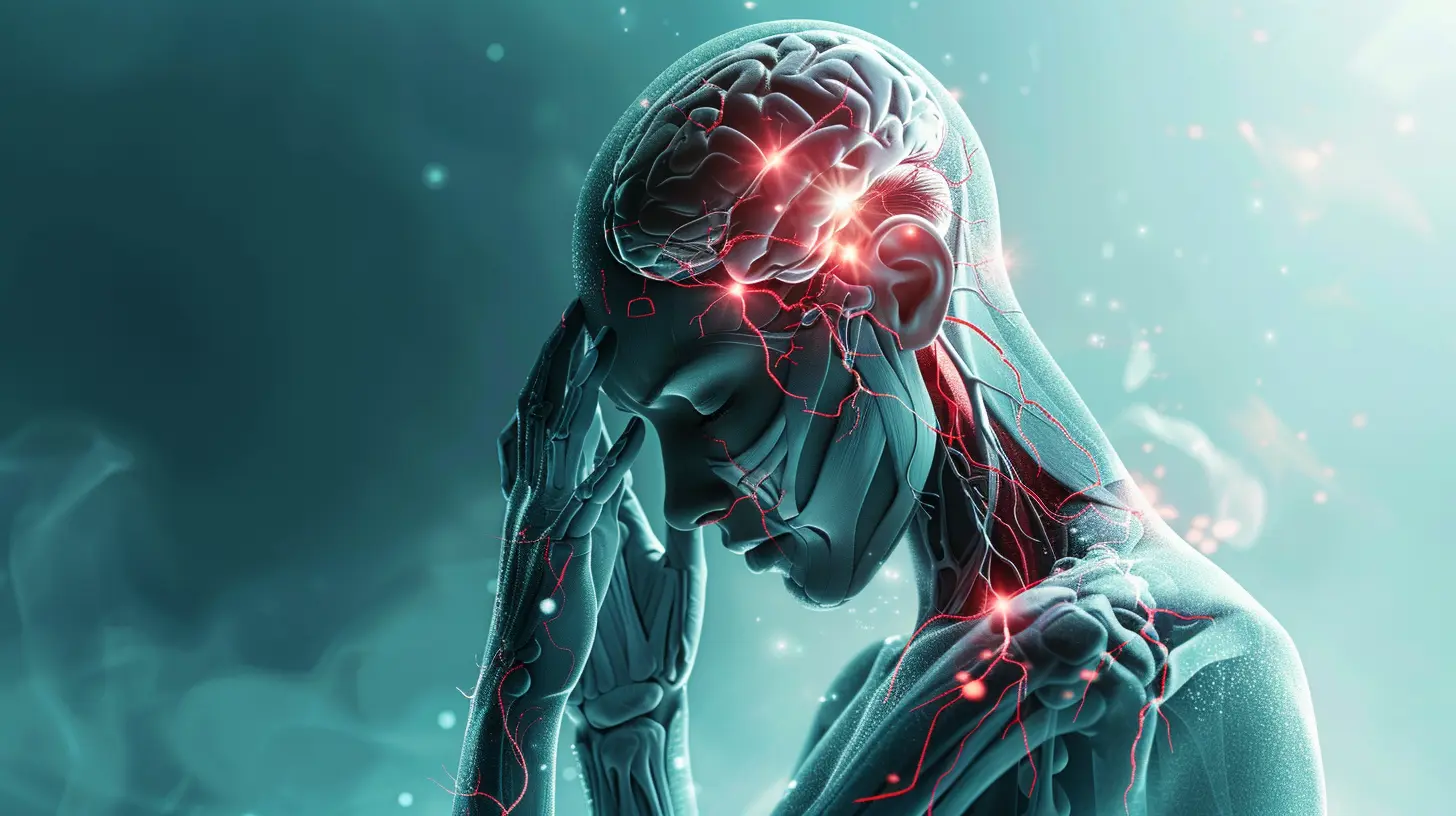
The Future of Hormone-Based Pain Treatment
As research advances, experts are uncovering new ways to use hormone therapy in chronic pain management. Scientists are even exploring how personalized hormone treatments could help people reduce pain without relying on opioids or harsh medications.While more studies are needed, one thing is clear—hormones play an undeniable role in chronic pain, and addressing imbalances might be the key to long-term relief.
Final Thoughts
Chronic pain is complex, and hormones are a crucial piece of the puzzle. From cortisol’s stress-driven effects to estrogen’s protective role, the delicate balance of hormones can either worsen or ease pain.If you’re struggling with chronic pain, it may be worth looking into hormonal health as part of your pain management strategy. Whether it’s through lifestyle changes, diet, exercise, or medical treatments, balancing hormones might just be the missing link to finding relief.
all images in this post were generated using AI tools
Category:
Chronic PainAuthor:

Angelo McGillivray
Discussion
rate this article
2 comments
Spencer Stewart
This article effectively highlights the complex relationship between hormones and chronic pain. It raises awareness of how hormonal fluctuations can influence pain perception, suggesting that targeted hormone therapies might offer new avenues for relief in affected individuals.
June 3, 2026 at 3:36 AM
Angelo McGillivray
Thank you for your insights! I'm glad the article resonated with you and sparked thoughts on hormone therapies for pain management.
Ulysses Duffy
Hormones really affect pain.
May 15, 2026 at 4:26 PM
Angelo McGillivray
Absolutely. Hormones can significantly influence pain perception and response, making this a crucial area of exploration in chronic pain management.