Foods That May Help Ward Off Colds This Winter
22 October 2026
Winter arrives, and with it the annual ritual of sniffles, sore throats, and the nagging question of whether anything on your plate can actually keep you out of bed. The honest answer is more interesting than the marketing suggests. No single food blocks a cold virus the way a lock blocks a key. But the immune system is a demanding consumer of nutrients, and the food you eat shapes how well that system responds when a virus shows up. Some foods support the machinery of immune defense in ways that are well understood. Others have reputations that outrun their evidence. This article separates the two, explains the biology behind the claims, and gives you a practical framework for eating through the cold season.
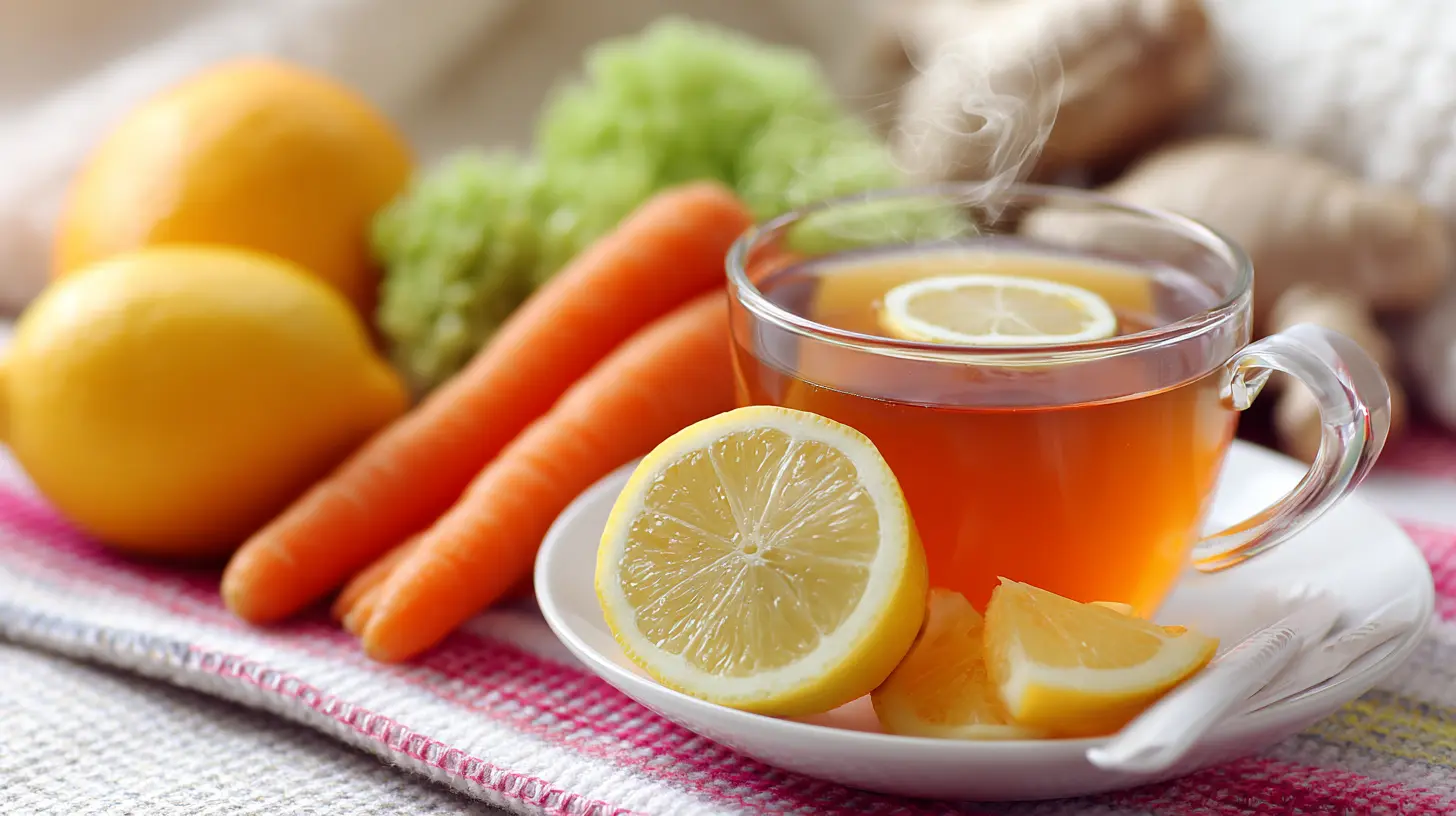
How the Immune System Fights a Cold
Before evaluating any food, it helps to understand what you are feeding. The common cold is not one illness but a family of them, caused by hundreds of virus strains, most commonly rhinoviruses. Because so many strains circulate, there is no single vaccine and no single nutrient that stops them all. What you can influence is the terrain the virus encounters.Your immune response has two broad layers. The innate layer acts within hours. It includes physical barriers like the mucous membranes of your nose and throat, plus patrol cells such as macrophages and natural killer cells that attack anything unfamiliar. The adaptive layer takes days to activate and is highly specific, producing antibodies and memory cells tailored to a particular invader. Both layers depend on a steady supply of protein, vitamins, minerals, and energy.
This matters because immune cells are not static guards. They are constantly produced, deployed, and replaced. A shortage of raw materials slows that process. A surplus does not accelerate it beyond normal. This distinction, between correcting a deficiency and boosting a healthy system, is where most food claims fall apart, and it is the lens you should use for everything that follows.
The Nutrient Foundations of Immune Defense
Protein: The Structural Backbone
Antibodies are proteins. So are the signaling molecules that coordinate immune attacks and the receptors that let immune cells recognize targets. If your diet is low in protein, your body has fewer building blocks for these tools. Most adults eating a mixed diet meet their needs without effort, but older adults, people on restrictive diets, and anyone recovering from illness often fall short.Practical sources include eggs, fish, poultry, dairy, legumes, and tofu. The choice matters less than the consistency. A breakfast with eggs or yogurt and a dinner with fish or beans covers the base. Strict vegans should pay attention to total intake rather than relying on a single source.
Vitamin C: Useful but Oversold
Vitamin C supports the function of several immune cells and acts as an antioxidant, protecting cells from damage during an immune response. The critical word is supports. In people with adequate intake, extra vitamin C does not prevent colds. Large reviews of the evidence have found that regular supplementation may shorten cold duration modestly, by roughly a day in some studies, and may reduce risk in people under heavy physical stress, such as endurance athletes or soldiers in extreme conditions. For the average office worker, a supplement is unlikely to change much.Food sources remain the sensible route. Citrus, kiwi, bell peppers, broccoli, and strawberries deliver vitamin C along with other compounds. Bell peppers are easy to overlook: a single red pepper contains more vitamin C than an orange. Since vitamin C is heat sensitive, raw or lightly cooked sources preserve more of it.
Vitamin D: The Winter Variable
Vitamin D is the nutrient most tied to the season. Your skin produces it when exposed to sunlight, and in winter at higher latitudes, production drops sharply. Immune cells carry vitamin D receptors, and deficiency is associated with increased susceptibility to respiratory infections. The evidence for supplementation is mixed but leans toward benefit in people who are deficient, particularly those with low baseline levels.This is a case where testing beats guessing. A blood test through your doctor tells you where you stand. If your level is low, a supplement is reasonable and often recommended. If it is normal, mega-doses offer no proven advantage and can be harmful over time. Food sources such as fatty fish, egg yolks, and fortified dairy contribute, but they rarely close a significant gap on their own.
Zinc: Timing Is Everything
Zinc plays a role in immune cell development and function, and lozenges have been studied for cold treatment. The results are inconsistent, but some trials suggest that zinc lozenges started within the first day or two of symptoms can shorten a cold. The catch is timing and form. Starting zinc after symptoms have settled in does little. High doses can cause nausea and interfere with copper absorption if used for long periods.Food sources include oysters, beef, pumpkin seeds, and legumes. Dietary zinc supports normal immune function, but it does not act as a treatment. If you try lozenges, follow label directions, keep the dose moderate, and stop if you feel nauseated.
Foods With Real Evidence Behind Them
Garlic and Its Sulfur Compounds
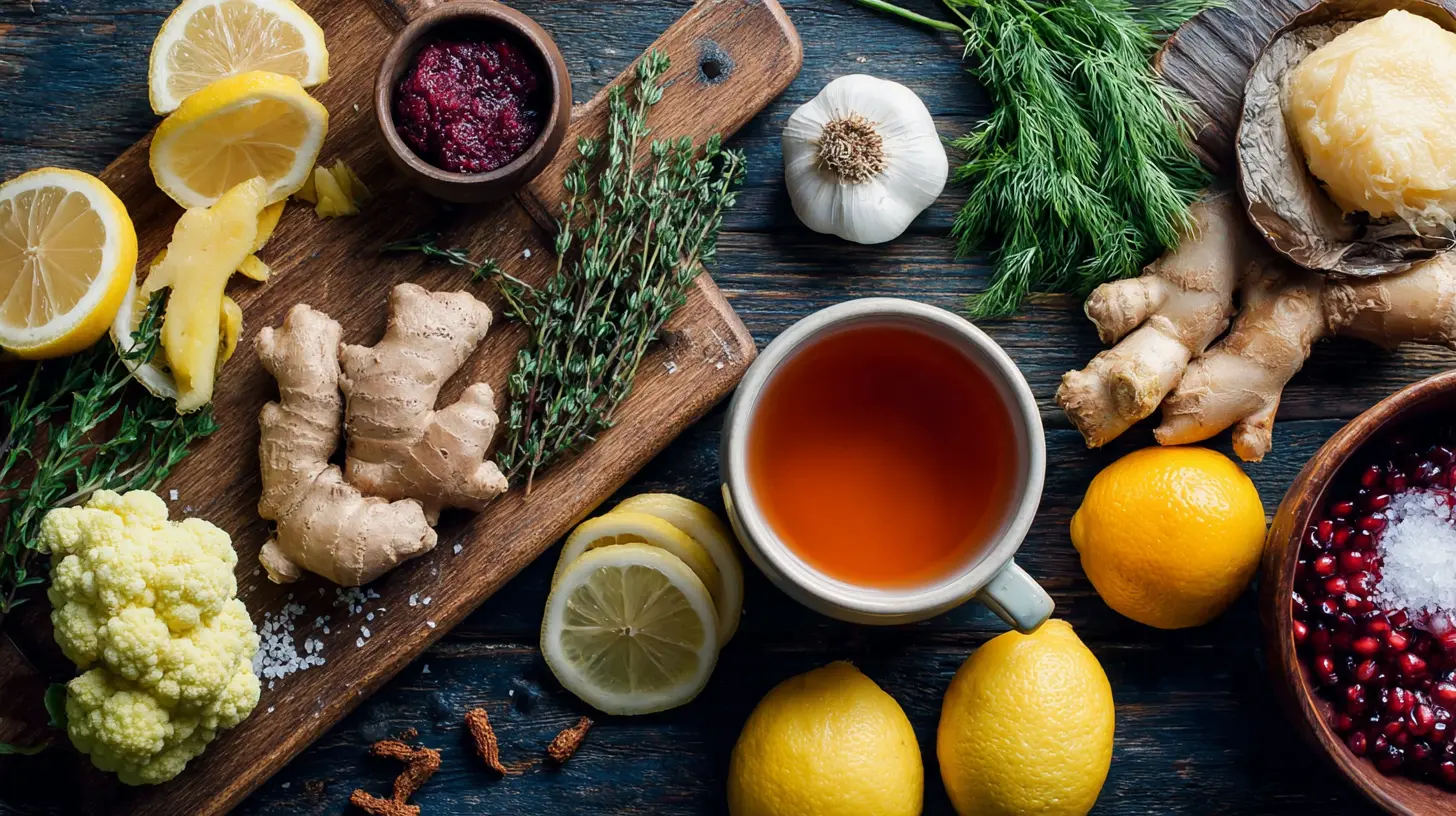
Garlic has a long folk reputation, and it has attracted genuine research attention. Crushing or chopping garlic triggers an enzyme reaction that produces allicin, a sulfur compound with antimicrobial activity in laboratory settings. Whether that activity translates to fewer colds in people is less certain. A small number of trials have suggested that garlic supplementation may reduce the frequency of colds, but the studies are few and not definitive.The practical takeaway is modest. Garlic is a flavorful, low-risk addition to meals. To preserve its active compounds, crush it and let it sit for about ten minutes before cooking, and add it late in the cooking process when possible. Do not expect it to function as medicine, and be aware that garlic supplements vary widely in what they actually contain.
Honey: More Than Comfort
Honey is often dismissed as a placebo, but it has a reasonable evidence base for soothing coughs, particularly in children over one year old. Its thick texture coats the throat, and its natural sugars and trace compounds may calm irritation. Some studies have found honey comparable to common over-the-counter cough syrups for nighttime cough relief.Two cautions apply. Never give honey to infants under twelve months because of the risk of botulism. And remember that honey is sugar. A spoonful in tea is fine; several spoonfuls a day adds up quickly, especially for people managing blood sugar.
Fermented Foods and the Gut Connection
A large share of your immune tissue lines the gut. The microbes living there interact with that tissue constantly, influencing how the immune system calibrates its responses. Fermented foods such as yogurt with live cultures, kefir, sauerkraut, kimchi, and miso introduce beneficial bacteria and their metabolic products.The evidence here is promising but not yet precise. Studies suggest that regular consumption of fermented foods may support immune function and reduce markers of inflammation, but researchers cannot yet say which strains, in what amounts, produce which effects. What is clear is that fermented foods are generally safe, nutritious, and worth including if you tolerate them. Start small if you are new to them, since a sudden influx can cause bloating. Look for labels that state live and active cultures, because pasteurized products may not deliver them.
Mushrooms: Overlooked and Underrated
Mushrooms contain beta-glucans, a type of fiber that interacts with immune receptors in the gut. Laboratory and animal studies show immune-modulating effects, and some human trials with mushroom extracts have reported changes in immune markers. The research is not strong enough to promise fewer colds, but mushrooms are a sensible food: low in calories, rich in selenium and B vitamins, and versatile in cooking.Ordinary button and cremini mushrooms are fine. Exotic varieties cost more without proven extra benefit for cold prevention. Cook them thoroughly, and note that raw mushrooms contain small amounts of a compound called agaritine, which heat reduces.
Colorful Produce and Polyphenols
Berries, red onions, green tea, dark chocolate, and colorful vegetables contain polyphenols, plant compounds with antioxidant and anti-inflammatory activity. These compounds do not attack viruses directly, but they may help regulate the immune response and reduce the collateral damage that inflammation causes during an infection.The key insight is that polyphenols work best as part of a varied diet, not as isolated extracts. A handful of berries in oatmeal, a cup of green tea in the afternoon, and a serving of red cabbage or red onion at dinner add up. Supplements of individual polyphenols have repeatedly failed to match the benefits seen with whole foods, a pattern that suggests the combination matters more than any single compound.
What the Evidence Does Not Support
Mega-Doses of Anything
The logic of "more is better" fails badly with nutrients. Vitamin C beyond saturation is excreted. Zinc beyond need disrupts copper metabolism. Vitamin D in excess can raise blood calcium to dangerous levels. The immune system operates within narrow windows, and flooding it with nutrients does not improve performance. It can create new problems.Cold-Fighting Claims on Packaged Foods
Products labeled as immune boosters, from juices to snack bars to teas, are marketing more than science. Regulations in most countries allow such claims with little proof. Read the nutrition label instead of the front of the package. A juice that promises immune support may deliver more sugar than a soft drink. A fortified cereal may contain a fraction of the nutrients its box highlights.The Feed-a-Cold Myth
The old saying about feeding a cold and starving a fever has no scientific basis. Illness increases energy and protein needs. Undereating during a cold can slow recovery. The better guidance is to eat what you can tolerate, prioritize fluids, and include protein and produce as appetite allows.Common Mistakes and Misconceptions
Relying on one hero food. No food works alone. The immune system needs a broad supply of nutrients, and a diet centered on a single ingredient, however healthy, leaves gaps elsewhere.Confusing treatment with prevention. Zinc lozenges and honey are most relevant once symptoms start. They are not preventive strategies. Prevention rests on overall diet quality, sleep, stress management, and hygiene.
Ignoring sleep and stress. No dietary pattern compensates for chronic sleep deprivation or unrelenting stress, both of which measurably impair immune function. Food is one input among several, and arguably not the most powerful one.
Overlooking alcohol. Regular heavy drinking suppresses immune function and disrupts sleep. Cutting back in winter is a low-cost, high-value change.
Assuming supplements replace food. Supplements fill specific gaps, such as vitamin D in winter or vitamin B12 for vegans. They do not substitute for the complex mix of nutrients in whole foods.
A Practical Winter Eating Framework
Rather than chasing individual superfoods, build a pattern that covers the bases consistently. Here is a structure that works without demanding perfection.Anchor each meal with protein. Eggs at breakfast, beans or chicken at lunch, fish or tofu at dinner. This supports immune cell production and keeps you satisfied.
Aim for color at two meals a day. A red pepper at lunch, berries at breakfast, or a dark leafy green at dinner. Color signals variety in polyphenols and vitamins.
Include fermented food most days. A serving of yogurt, kefir, or sauerkraut. Small and regular beats large and occasional.
Use garlic, onions, and mushrooms as flavor builders. These ingredients earn their place on taste and nutrition, with immune support as a bonus rather than a promise.
Get vitamin D status checked if you live in a dark climate. Test, then supplement if needed, rather than guessing.
Keep fluids steady. Winter air, indoor heating, and illness all increase fluid needs. Water, tea, and broth count. So does soup, which combines fluid, protein, and vegetables in one bowl.
Plan for sick days. Keep easy protein and produce on hand, such as frozen vegetables, canned fish, eggs, and broth. When you are ill, convenience determines what you actually eat.
When to See a Doctor
Diet supports immune function, but it does not treat serious illness. Seek medical advice if a cold lasts more than about ten days, if symptoms worsen after improving, if you have a high fever, difficulty breathing, or chest pain, or if you are in a high-risk group such as older adults, pregnant people, or those with chronic conditions. Persistent or recurrent infections can signal an underlying issue that food cannot fix.
The Bottom Line
The most reliable cold-fighting foods are not exotic. They are the ordinary components of a varied diet: protein at every meal, colorful produce, fermented foods, garlic and onions, mushrooms, and enough vitamin D to meet your needs. Their power is cumulative and unglamorous. They keep the immune system supplied so it can do its job, and they do so without the risks that come with mega-dosing or miracle claims. Eat well, sleep enough, wash your hands, and treat the occasional cold as a normal part of winter rather than a personal failure. That combination is unexciting, but it is what the evidence actually supports.
all images in this post were generated using AI tools
Category:
Cold And Flu PreventionAuthor:

Angelo McGillivray