Foods to Avoid for Optimal Brain Function
26 August 2026
Let’s face it — we all want our brains firing on all cylinders. Whether you're trying to ace an exam, hit a work deadline, or just remember where you left your keys, mental sharpness is key. But here’s the kicker: it’s not just about what you do to take care of your brain; it’s also about what you eat — or more importantly, what you shouldn’t eat.
Yep, your brain is the hungriest organ in your body (next to your stomach when it's 3 PM and you missed lunch), and it demands high-quality fuel. But give it the nutritional equivalent of fast food? Your brain will thank you with forgetfulness, sluggishness, and maybe even a foggy mood. So, let's chat about the foods that can actually slow down your brainpower and some better options to keep your brain buzzing like a well-tuned engine.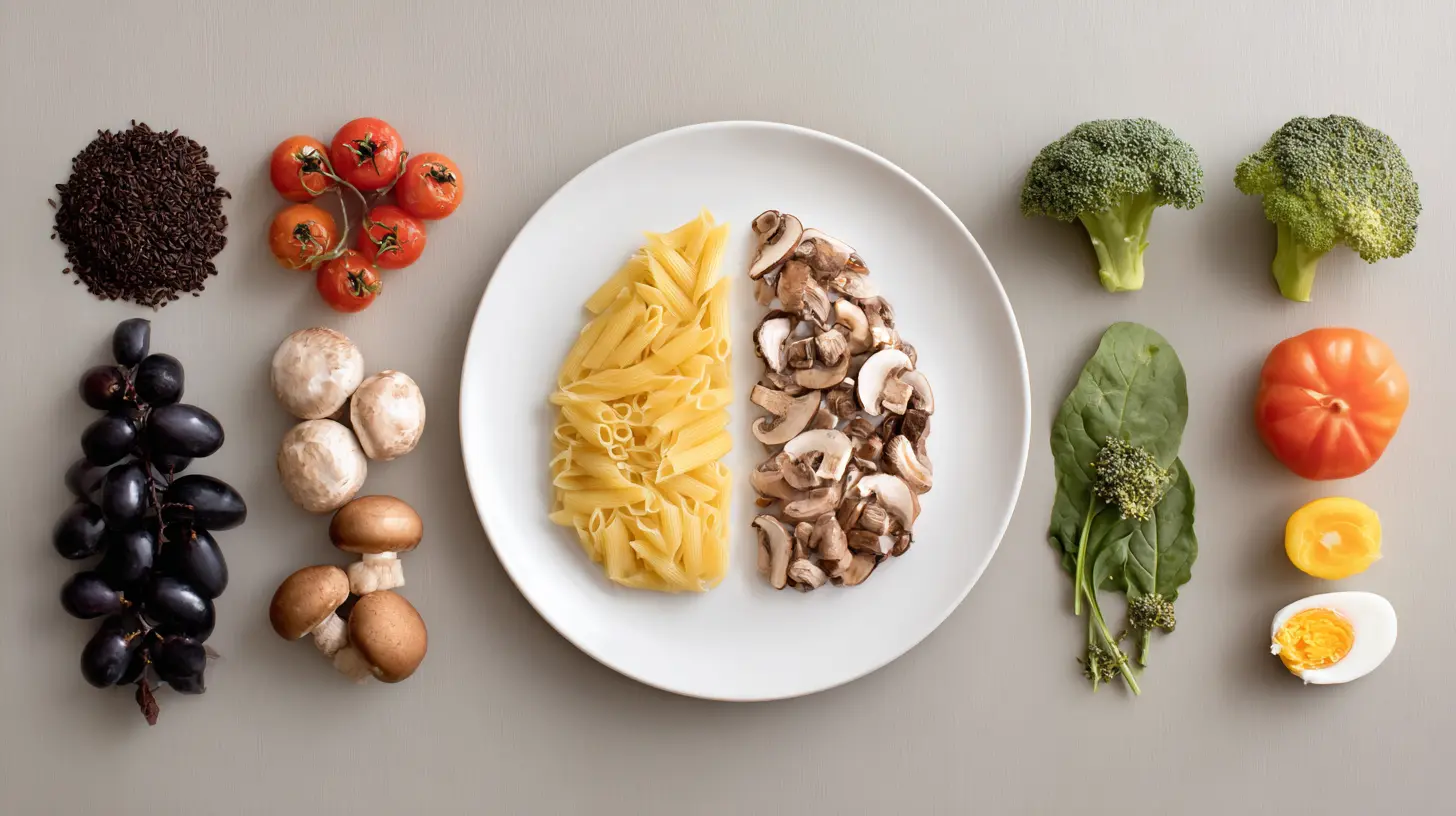
Why Diet Matters for Brain Health
Before we jump into the no-no list, let’s quickly understand why food affects our brain at all. Think of your brain like a high-performance car — it needs premium fuel and careful maintenance. When you feed it junk, it doesn’t perform at its best.Your diet influences:
- Neurotransmitter production (those are your brain's chemical messengers)
- Inflammation (too much = no bueno for brain tissue)
- Blood flow and oxygen to the brain
- Cognitive decline and memory loss risk as you age
Sound serious? It is. But the good news is, your daily food choices can keep your brain healthy for the long haul. Let's start by kicking some of the brain's biggest enemies off your plate.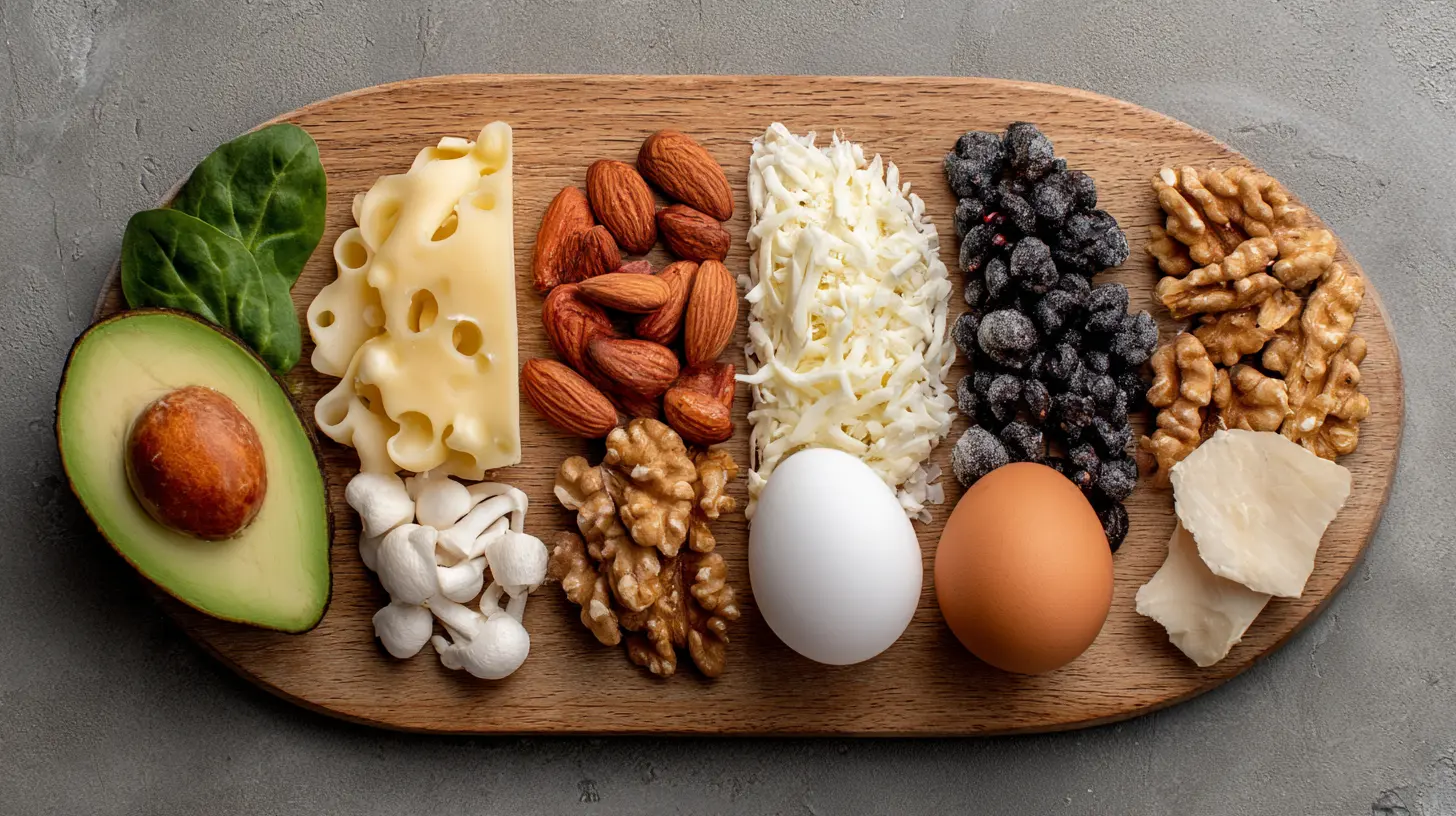
1. Sugary Drinks – Sippin’ on Stupidity?
Let’s talk about sodas, energy drinks, sweetened teas, and those sugar-loaded frappuccinos you may love. These sugary drinks might give you a quick jolt, but what goes up must come down — and fast.Why It's Bad:
- Loaded with fructose, which studies have linked to impaired memory and slower learning.- Sugar overload is connected to insulin resistance, and that can affect brain function long-term.
- Can raise inflammation in the brain — not your best look upstairs.
What to Sip Instead:
Opt for water, green tea, or unsweetened herbal teas. If you need a pick-me-up, black coffee in moderation can boost brain alertness without the sugar crash.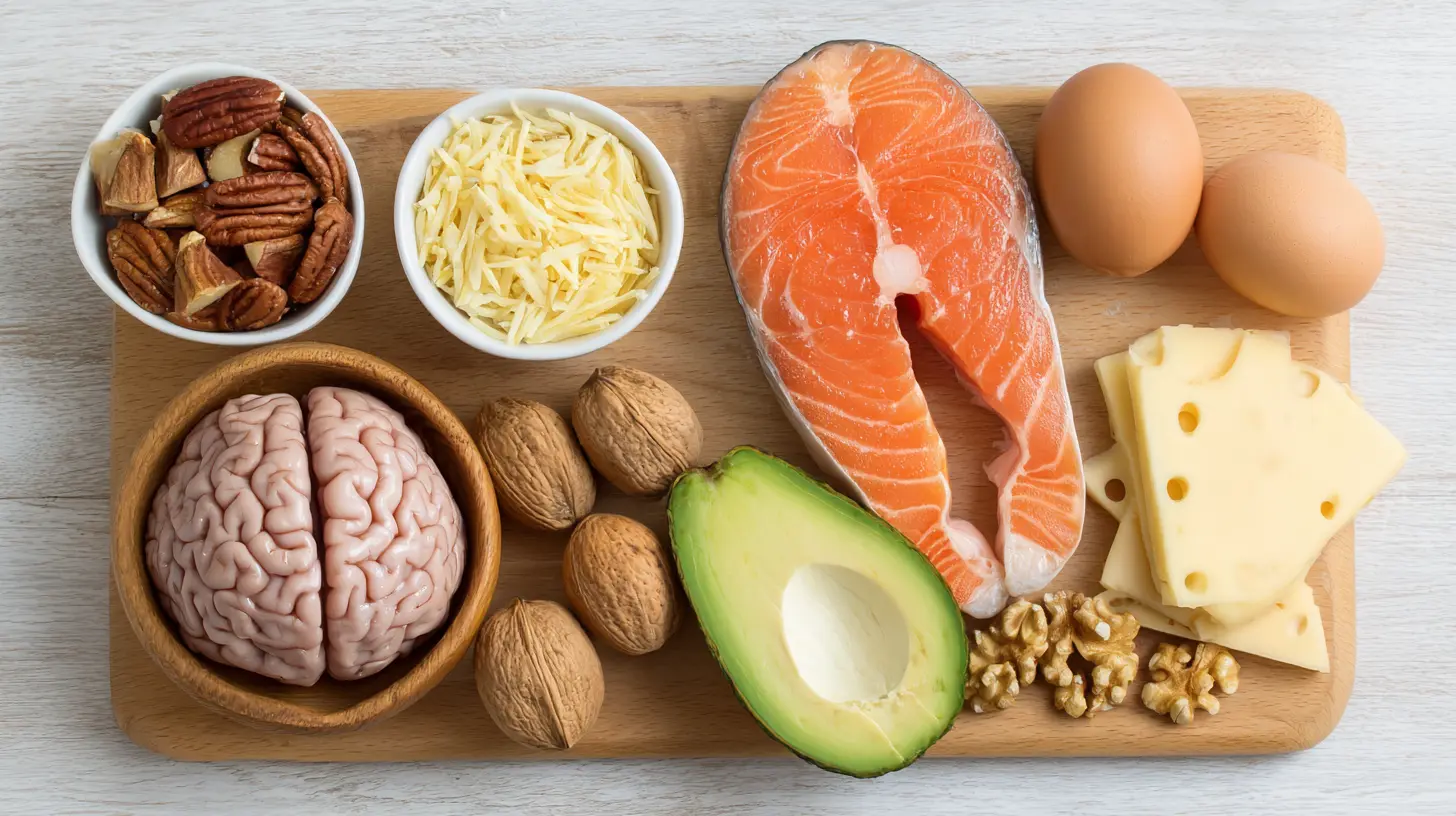
2. Trans Fats – The Brain's Worst Frenemy
Artificial trans fats are found in packaged baked goods, margarine, fried fast foods, and some junk snacks. These fats are basically the villain in your brain's story — they sneak in looking all tasty and comforting, but leave a mess behind.Why It's Bad:
- Linked to brain shrinkage (yup, that’s a thing).- Can increase the risk of Alzheimer’s disease.
- Promotes inflammation and poor memory retention.
Better Fat Options:
Your brain loves good fats like those in avocados, nuts, seeds, olive oil, and fatty fish like salmon. These fats feed your brain and help build those all-important cell membranes.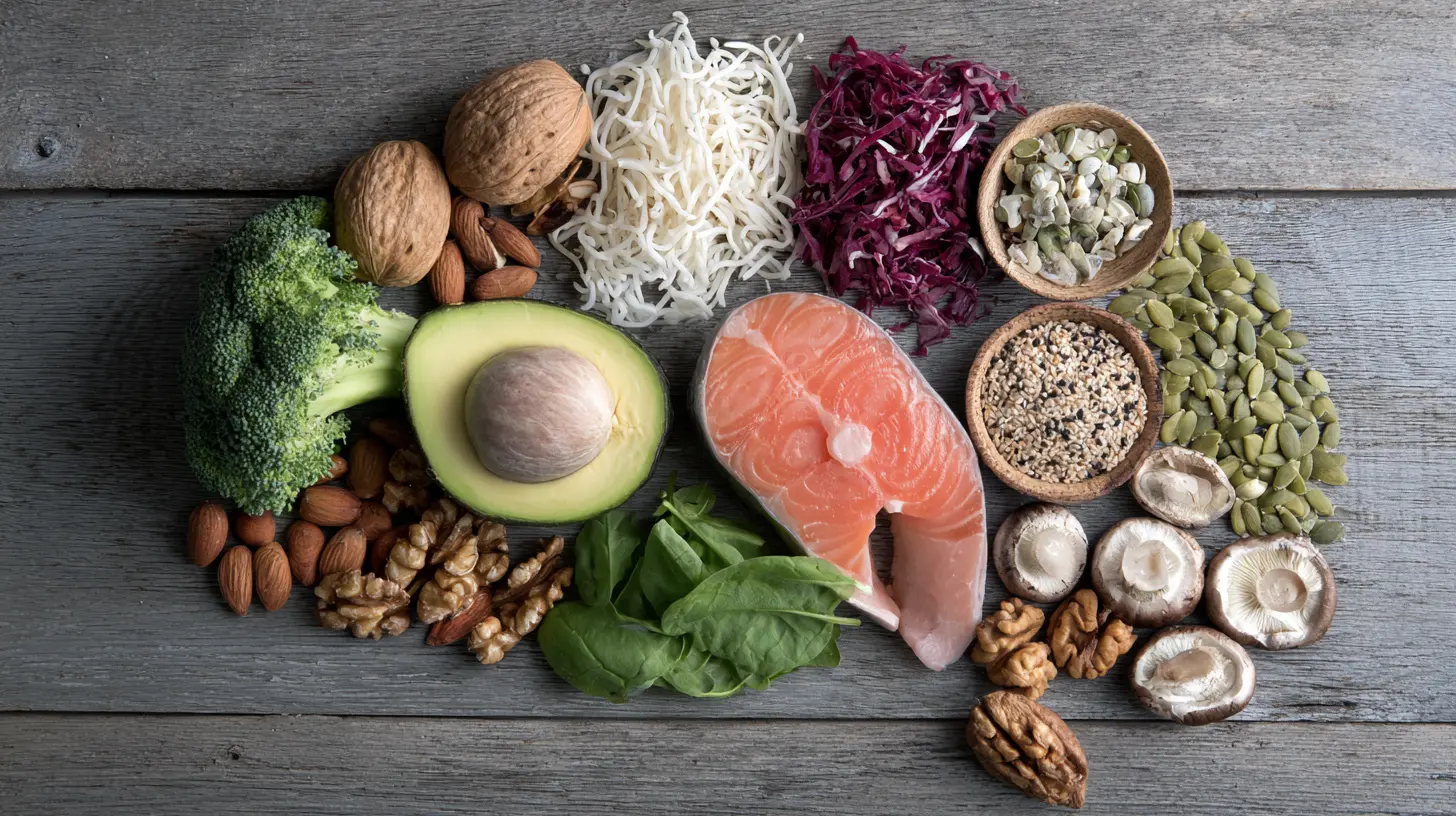
3. Refined Carbs – The Brain Fog Culprit
Let’s break bread… actually, let’s not. At least not the white, fluffy, enriched kind. Refined carbs — think white bread, pasta, pastries, and sugary cereals — may be the reason your brain feels like it’s running on dial-up.Why It's Bad:
- Cause blood sugar spikes that lead to energy crashes and mental fog.- Long-term consumption is linked to cognitive decline and poor memory.
- They’re digested quickly, so your brain gets no lasting fuel.
Smarter Carb Choices:
Whole grains, quinoa, oats, and legumes release energy slowly, keeping your brain humming along without the crashes.4. Highly Processed Foods – Lab Experiments, Not Lunch
Here’s the deal: if it comes in a box, bag, or frozen tray and has a list of 57 ingredients you can’t pronounce, your brain probably won’t like it.Why It's Bad:
- Often high in sugar, unhealthy fats, and salt — all brain fog culprits.- Linked to impaired learning ability and reduced brain volume.
- They replace healthy nutrients with empty calories.
Go Back to Basics:
Stick to whole foods. Think fresh veggies, fruits, lean meats, and nuts. The shorter the ingredient list, the happier your brain.5. Aspartame and Artificial Sweeteners – The Sneaky Saboteurs
Cutting sugar is smart, but swapping it out for artificial sweeteners? Not always better. Aspartame, found in many sugar-free drinks and products, is under fire for associations with mood disorders and slower cognitive functions.Why It's Bad:
- May change brain chemistry and affect neurotransmitter function.- Linked to anxiety, depression, and even headaches in some people.
The Smarter Sweet Fix:
Try natural sweeteners like stevia, honey, or better yet — grab a piece of fruit. Your taste buds and brain both win.6. Alcohol – The Brain's Party Downer
A little wine now and then isn’t the issue. But chronic or heavy drinking? That rewires your brain in ways that aren’t pretty.Why It's Bad:
- Long-term abuse damages the hippocampus, the brain’s memory center.- Impairs thinking, problem-solving, and emotional regulation.
- Leads to nutritional deficiencies, especially in vitamin B1 — crucial for healthy brain function.
Drink Consciously:
Low to moderate alcohol consumption isn't necessarily harmful for everyone, but keeping it in check is key. Hydration, nutrient-rich foods, and avoiding binge drinking helps protect your brain.7. Mercury-Heavy Fish – The Toxic Catch
Fish is often hailed as brain food, but not all fish are created equal. Some species, especially big predator fish like shark, king mackerel, swordfish, and tilefish, have sky-high mercury levels.Why It's Bad:
- Mercury builds up in your body over time (bioaccumulation).- Messes with your central nervous system.
- Can affect memory, motor skills, and cause brain fog or mood swings.
Safer Seafood Choices:
Go for wild-caught salmon, sardines, and trout — all rich in omega-3s and low in mercury.8. Excess Salt – Quietly Cluttering Your Brain
You might not think twice about sprinkling some salt on your fries, but your gray matter might be raising an eyebrow.Why It's Bad:
- High sodium intake is linked to high blood pressure, which reduces blood flow to the brain.- Chronic salt overconsumption can impact cognitive function, especially in older adults.
Salt Smarts:
Flavor foods with herbs and spices instead. Your brain (and your heart) will thank you.9. Nitrates in Processed Meats – More Than Just a Hot Dog Problem
Bacon, sausages, hot dogs, and even deli meats are pumped full of nitrates — chemicals used to preserve color and prevent spoilage. But they may come with a cost.Why It's Bad:
- Nitrates break down into nitrosamines, which can damage brain cells.- Some studies link them to mood disorders and neurodegenerative diseases.
Better Protein Picks:
Choose unprocessed meats and plant-based proteins. Grilled chicken, lentils, beans, and tofu are clean alternatives that nourish your brain without the risk.10. Fried Foods – Crispy, Crunchy, Cognitive Decline?
Who doesn't love crispy fries or golden fried chicken? Unfortunately, your brain might not be as enthusiastic.Why It's Bad:
- Deep-frying creates free radicals, which stress the brain and promote inflammation.- Fried foods have been linked to worse memory and learning performance.
- Often high in trans fats, which, as we already know, wreak havoc upstairs.
Crisp Without the Crash:
Bake, air fry, or roast your favorites. You get the texture without turning your neurons into couch potatoes.So, What Should You Eat for a Brain Boost?
Now that we’ve dished out the don'ts, here’s a quick recap of the do’s:- Healthy fats – Think salmon, walnuts, avocado.
- Antioxidant-rich foods – Blueberries, leafy greens, dark chocolate.
- Whole grains – Oats, quinoa, brown rice.
- Hydration – Drink water like your brain depends on it (because it does).
- Protein-rich foods – Eggs, legumes, seeds for neurotransmitter support.
Final Thoughts: Fuel Your Brain Like It Matters (Because It Does)
Let’s be real — no one eats perfectly all the time. But cutting back on these brain-draining foods is a powerful step toward keeping your memory sharp, your focus strong, and your mood steady. The brain is your command center. Feed it right, and it’ll take you places.Remember, eating smart isn’t about restriction — it’s about intention. So, the next time you reach for a snack, ask yourself: is this brain fuel or brain fog?
Choose wisely; your future self will thank you.
all images in this post were generated using AI tools
Category:
Brain HealthAuthor:

Angelo McGillivray
Discussion
rate this article
1 comments
Raelyn James
Thank you for sharing these insights. It's crucial to be mindful of our food choices, as they play a significant role in maintaining brain health and function.
August 29, 2026 at 2:36 AM