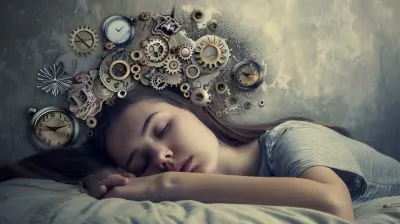
How Chronic Pain Affects Mental Health: What You Need to Know
23 August 2026
Let’s face it — living with chronic pain is tough. It’s not just about the physical discomfort that lingers day in and day out. It seeps into every corner of life — affecting your mood, your relationships, your job, even the way you see the world. And what many people don’t realize is just how deeply chronic pain can mess with your mental health.
If you've been dealing with pain that just won’t go away, or you love someone who is, then this is something you need to understand. Let’s unpack how chronic pain affects your mental health, why this connection matters, and what you can actually do about it.
What Is Chronic Pain, Really?
Let’s start by clearing this up: chronic pain isn’t just long-lasting pain. It’s pain that sticks around for 12 weeks or more, even when the initial injury or illness that caused it has healed (or sometimes — frustratingly — when there’s no clear cause at all).This pain can come in many forms — back pain, migraines, arthritis, fibromyalgia, or even nerve pain. And because it doesn’t go away, it tends to wear people down emotionally and mentally. Imagine waking up each day with pain as your unwanted shadow. That’s the reality for millions of people.
The Hidden Toll: How Chronic Pain Impacts Mental Health
We usually think of pain as a physical sensation. You stub your toe, and it hurts. But chronic pain is different. Over time, it affects more than just your body. It rewires your brain, messes with your emotions, and changes your behavior.Here’s how:
1. Constant Pain = Constant Stress
When your body is in pain, it’s basically sounding the alarm. That triggers your stress response. And if this happens over and over again — or never stops — your body stays in fight-or-flight mode.Now, imagine being stuck in that hyper-alert state for months (or even years). That kind of ongoing stress can lead to:
- Anxiety
- Depression
- Insomnia
- Mood swings
2. Depression and Anxiety Creep In
It’s no surprise that chronic pain and mental health issues often go hand in hand. In fact, studies show that people with chronic pain are up to four times more likely to suffer from depression or anxiety.Why? Because chronic pain limits your ability to do things that bring joy — like socializing, hobbies, exercising, working, or just living normally. And that isolation and helplessness? It chips away at your mental well-being, day by day.
3. Lack of Sleep Makes Everything Worse
Poor sleep and chronic pain are like a toxic couple — one feeds the other. Pain keeps you awake, and lack of sleep makes the pain feel worse. But it doesn’t stop there. Sleep deprivation messes with your mood, patience, memory, and ability to concentrate — which makes dealing with pain even harder.4. It Messes with Your Identity and Self-Worth
Think about it: When you’ve been an active, independent person your whole life, and now you can’t do basic things without pain — that changes how you see yourself. You may feel like a burden. You may feel useless. And that can spiral into low self-esteem, frustration, and even anger toward yourself and others.
The Vicious Cycle of Pain and Mental Health
Here’s where things get really tricky — chronic pain and mental health feed into each other in a vicious cycle.Pain causes stress ➝ stress increases pain sensitivity ➝ worsened mood ➝ reduced motivation to manage pain ➝ more pain.
See how that works? It’s like being stuck on a never-ending hamster wheel. But the good news? You can break the cycle — and we’ll get to that in a minute.
Common Mental Health Challenges Linked with Chronic Pain
Let’s break down some of the most common mental health struggles people with chronic pain deal with:Depression
- Loss of interest in things you used to enjoy- Low energy or fatigue
- Feelings of hopelessness or worthlessness
- Trouble concentrating
- Changes in appetite or sleep patterns
Anxiety
- Constant worry about pain getting worse- Fear of going out or being active
- Panic attacks
- Racing thoughts
- Muscle tension and restlessness (which only adds to the pain!)
Mood Disorders
- Mood swings- Irritability
- Anger toward loved ones
- Emotional numbness
PTSD (Post-Traumatic Stress Disorder)
Some people develop PTSD after traumatic injuries or intense pain experiences. The brain starts associating certain movements or environments with pain, which creates fear and avoidance behavior.How to Cope: Managing Mental Health While Living with Chronic Pain
The truth is, you may not be able to completely eliminate chronic pain. But you can absolutely reduce its impact on your mental health. Here’s how:1. Acknowledge What You’re Feeling
First things first — it’s okay to not be okay. When you’re living with constant pain, it’s natural to feel overwhelmed. Don’t bury or ignore it. Name it. Talk about it. That’s how healing begins.2. Seek Professional Help (for Mind and Body)
You don’t have to choose between managing your physical pain or your mental health — you need both.- See a pain specialist for treatment options (meds, physical therapy, etc.)
- Talk to a therapist — especially one who specializes in chronic illness or pain
- Consider cognitive-behavioral therapy (CBT), which helps reframe negative thoughts
3. Medications May Help — But They Aren’t the Whole Picture
Antidepressants or anti-anxiety meds can help manage the mental side of chronic pain — especially if you’re stuck in that pain-depression-pain loop. But they’re only one piece of the puzzle.Be sure to discuss any meds with a doctor who understands the full picture — both your physical and emotional symptoms.
4. Keep Moving (Even a Little)
Exercise might sound like the last thing you want to do when in pain, but gentle movement can do wonders for your mind and body.- Try walking, swimming, yoga, or even stretching
- Start slow — your goal isn’t a workout, it’s motion
- Movement helps release endorphins (your body’s natural painkillers!)
5. Sleep Hygiene Is Key
Set yourself up for better sleep by:- Keeping a regular sleep schedule
- Avoiding caffeine and screens before bed
- Creating a calming bedtime routine
- Using relaxation techniques if your mind won’t shut off
6. Find Your People
Chronic pain can feel incredibly lonely — but you are NOT alone. Consider:- Joining a support group (online or in person)
- Talking openly with friends and family
- Connecting with others who “get it”
Sometimes just having someone say “Me too” can make a huge difference.
7. Practice Mindfulness and Meditation
These techniques help you focus on the present moment, instead of getting stuck in thoughts about the past or future. They can also reduce stress, lower blood pressure, and improve pain tolerance.Apps like Headspace or Calm are great places to start, even if it’s just for 5 minutes a day.
When to Reach Out for Help
Here’s the deal: If chronic pain is making it hard to get through your day, ruining your relationships, or making you feel hopeless — it’s time to talk to someone. Please don’t wait for things to hit rock bottom.Look for signs like:
- Feeling sad or anxious most days
- Withdrawing from people
- Trouble sleeping or eating
- Losing interest in life
- Thoughts of self-harm or suicide
Mental health matters just as much as physical health. And you deserve to feel better — inside and out.
Final Thoughts: You’re Strong, But You Don’t Have to Go It Alone
Chronic pain challenges you in ways most people don’t see. But your pain doesn’t define you. And you certainly don’t have to suffer in silence.Understanding how chronic pain affects your mental health is the first step in taking back control. You’re not weak for struggling — you’re human. And there are tools, strategies, and people who can help lighten the load.
If this article resonated with you, take a deep breath. You’re not alone. And you’ve got this.
all images in this post were generated using AI tools
Category:
Chronic PainAuthor:

Angelo McGillivray
Discussion
rate this article
1 comments
Zanthe Bailey
Chronic pain can create a relentless cycle of despair and frustration, deeply impacting mental health. It's vital to address both physical and emotional aspects for effective management and improved quality of life.
September 5, 2026 at 3:49 AM
Angelo McGillivray
Absolutely. Chronic pain not only affects the body but also weighs heavily on mental health. A holistic approach that considers both aspects is essential for better management and overall well-being.