How Chronic Pain Affects Your Immune System
3 December 2025
Living with chronic pain isn't just about feeling sore all the time. It digs deeper—right into your body’s core defenses. You might not realize it, but there’s an unseen tug of war between your aching body and your immune system. And the longer the pain sticks around, the more it can wear down your natural ability to fight off illness.
In this article, let’s break down how chronic pain affects your immune system, in plain English. We’ll talk about the science behind it, what this means for your health, and how you can take steps to support your immune system even when pain doesn't take a day off.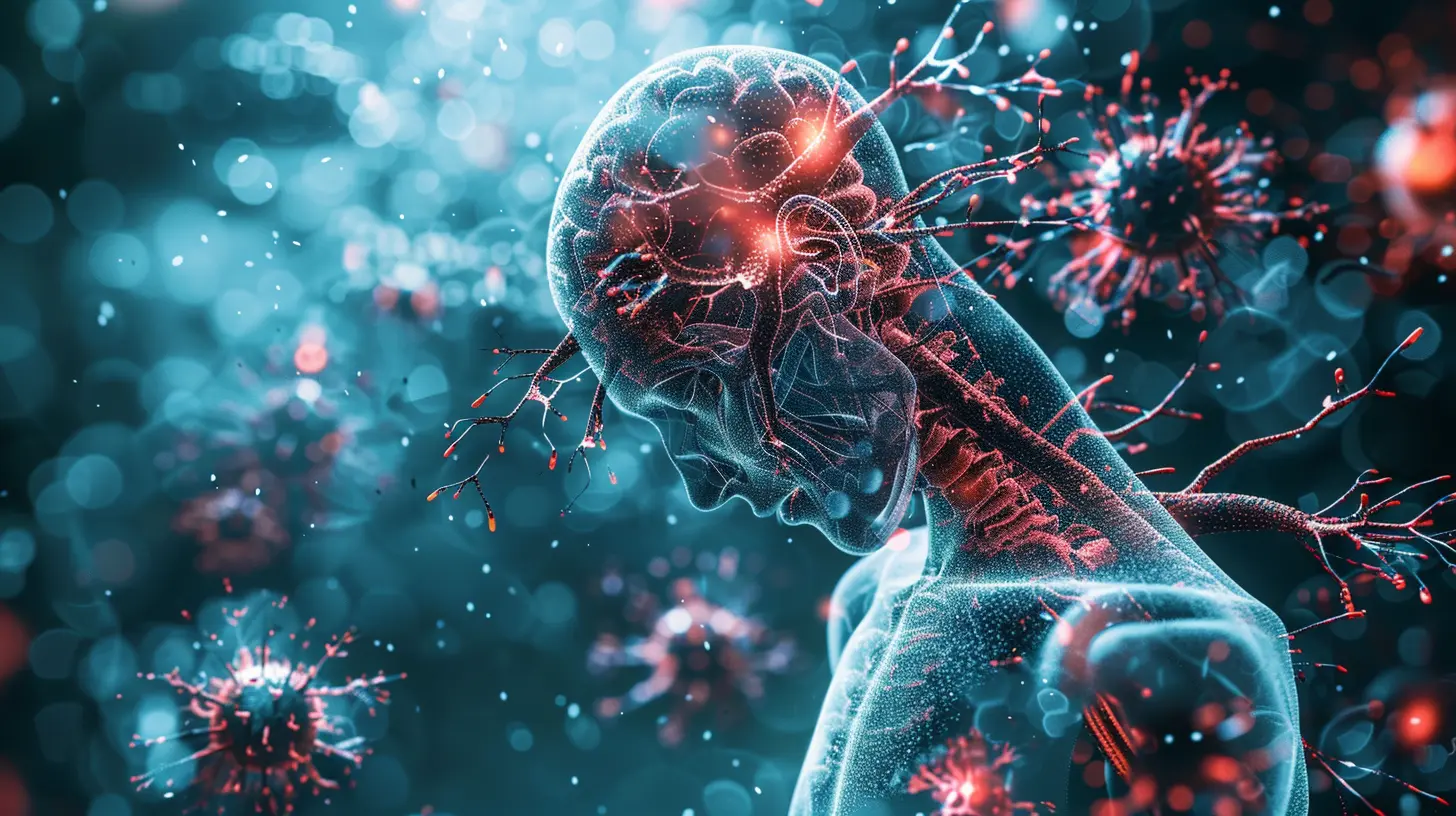
What Exactly Is Chronic Pain?
Before we dive into the immune stuff, let’s get clear on what chronic pain even is.Unlike acute pain, which is your body’s red flag after an injury or surgery (and usually fades as you heal), chronic pain is the type that doesn’t go away. It lingers for months—often for years. Some people feel it constantly, while others experience flare-ups. Common types include:
- Arthritis
- Fibromyalgia
- Chronic back pain
- Neuropathy
- Migraines
It can be triggered by an old injury, an ongoing health condition, or sometimes even without a clear cause. But regardless of how it starts, chronic pain becomes a full-time visitor in the body—and it doesn’t come empty-handed.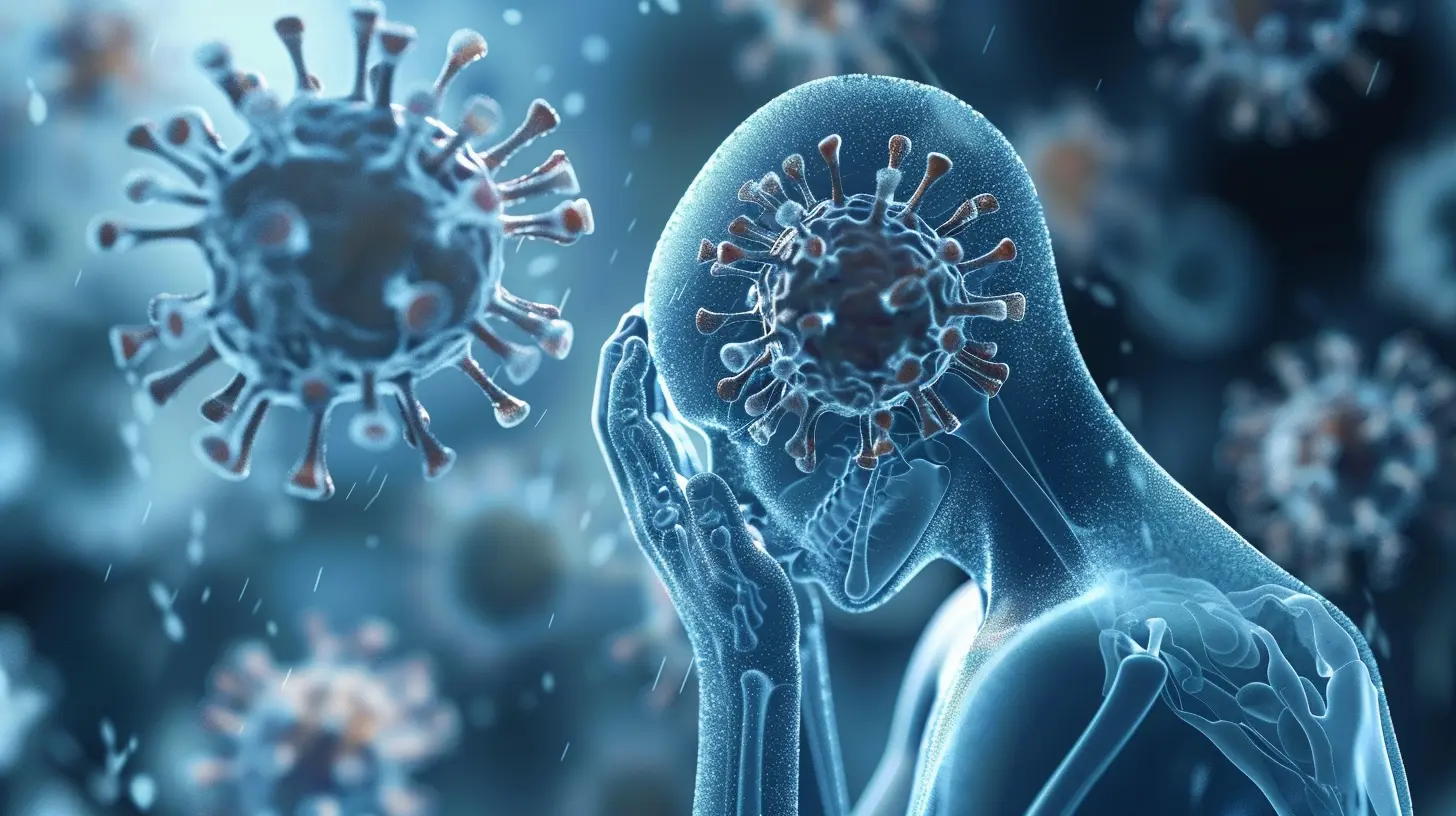
The Immune System: Your Body’s Security Team
Your immune system is like your body’s bouncer—it keeps out the bad guys. Whether it’s bacteria, viruses, or even internal threats like cancer cells, your immune system is your frontline defense.It's made up of white blood cells, antibodies, the lymphatic system, and even your skin and gut. These parts all work together, communicating and coordinating attacks against anything that might harm you.
But here's the kicker: this “security team” can get pretty frazzled when your body is under constant stress—like from chronic pain.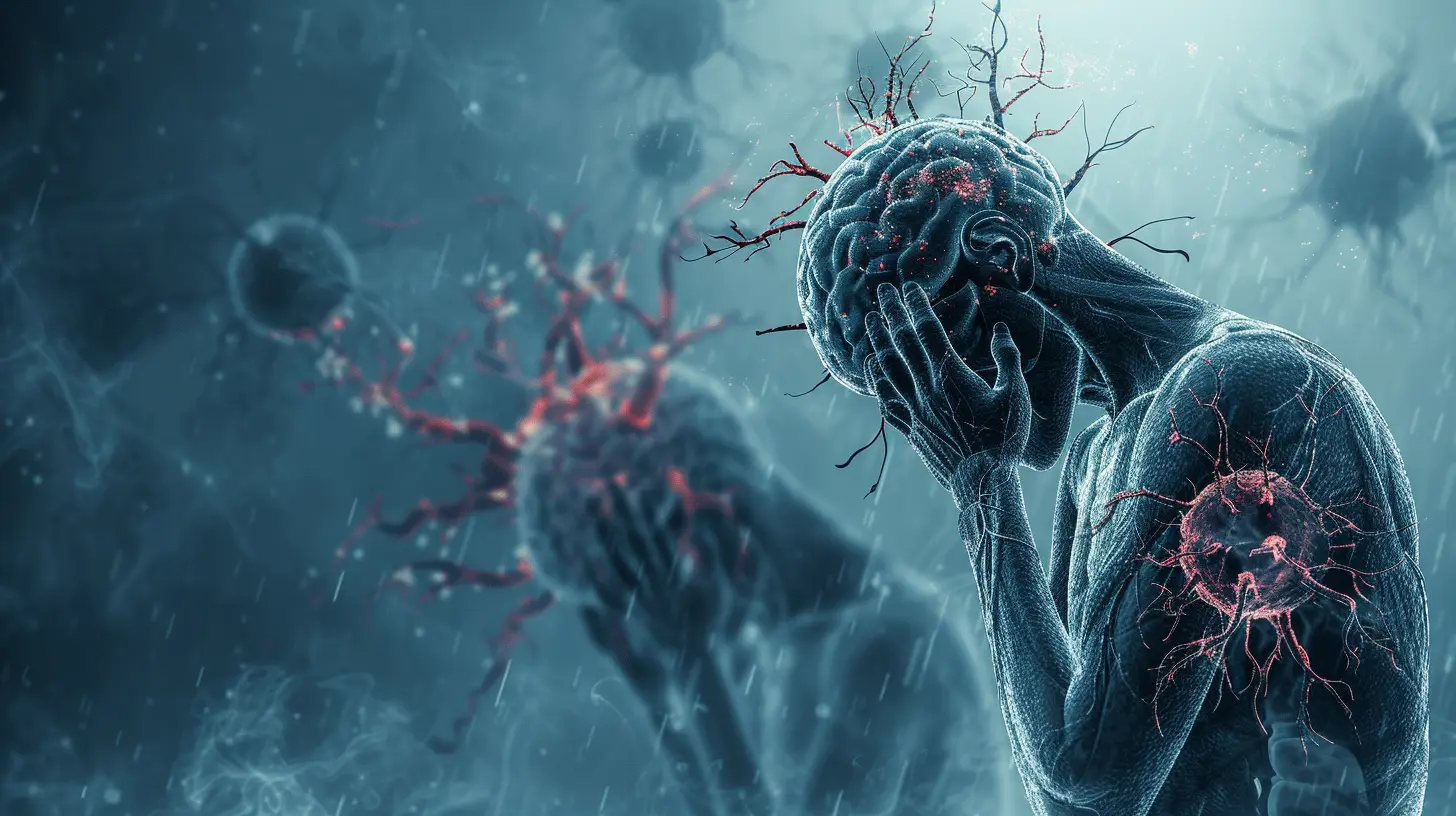
The Link Between Chronic Pain and the Immune System
You might not feel the effects immediately, but chronic pain can quietly wreak havoc on your immune function over time. It influences the body in more ways than one—emotionally, chemically, and physically—and all of that affects immunity.Let’s break this down.
1. Stress Hormones Get Out of Control
Pain is a form of stress, right?Well, when you’re in pain every day, your brain thinks you're dealing with a constant emergency. This kicks your fight-or-flight system into overdrive. Your body starts pumping out cortisol, which is your main stress hormone.
In the short term, cortisol helps you deal with acute stress. But in the long haul? Elevated cortisol becomes a problem. It suppresses inflammation initially, but over time, it can actually weaken your immune response.
It’s like a thermostat getting stuck. Your body can’t regulate what needs to be cooled down or heated up because the system’s misfiring.
2. Inflammation Runs Wild
Here’s where things get tricky. Chronic inflammation is often both a cause and an effect of chronic pain. It’s like a vicious cycle: pain causes inflammation, and inflammation increases pain.The immune system naturally uses inflammation to heal injuries. But when there’s no actual wound to heal—as with many chronic pain conditions—the body just keeps the fire going, for no good reason.
This low-grade, long-term inflammation can confuse the immune system. It starts to misfire, burning itself out, or worse—starts attacking healthy cells.
Autoimmune disorders like lupus and rheumatoid arthritis are prime examples of this mechanism going rogue.
3. Sleep Gets Messed Up
Anyone who's dealt with pain knows how hard it is to get a good night's sleep. But here's the problem: your immune system recharges while you sleep.Poor sleep affects immune cell production and slows down your body’s response to viruses and infections. So if you're tossing and turning because of pain, your immune system isn’t getting the rest it needs to do its job.
You’re basically trying to run a marathon every day on no real fuel.
4. The Gut Takes a Hit
Did you know that about 70% of your immune system lives in your gut? Yep, your digestive system is a major player in immune function.But here’s the thing—chronic pain, stress, poor diet, and medications (like long-term use of NSAIDs or opioids) can mess up your gut microbiome. That’s the community of good bacteria that helps regulate inflammation and immune responses.
When your gut isn’t in great shape, neither is your immune system. It’s like trying to operate a high-powered machine with broken parts.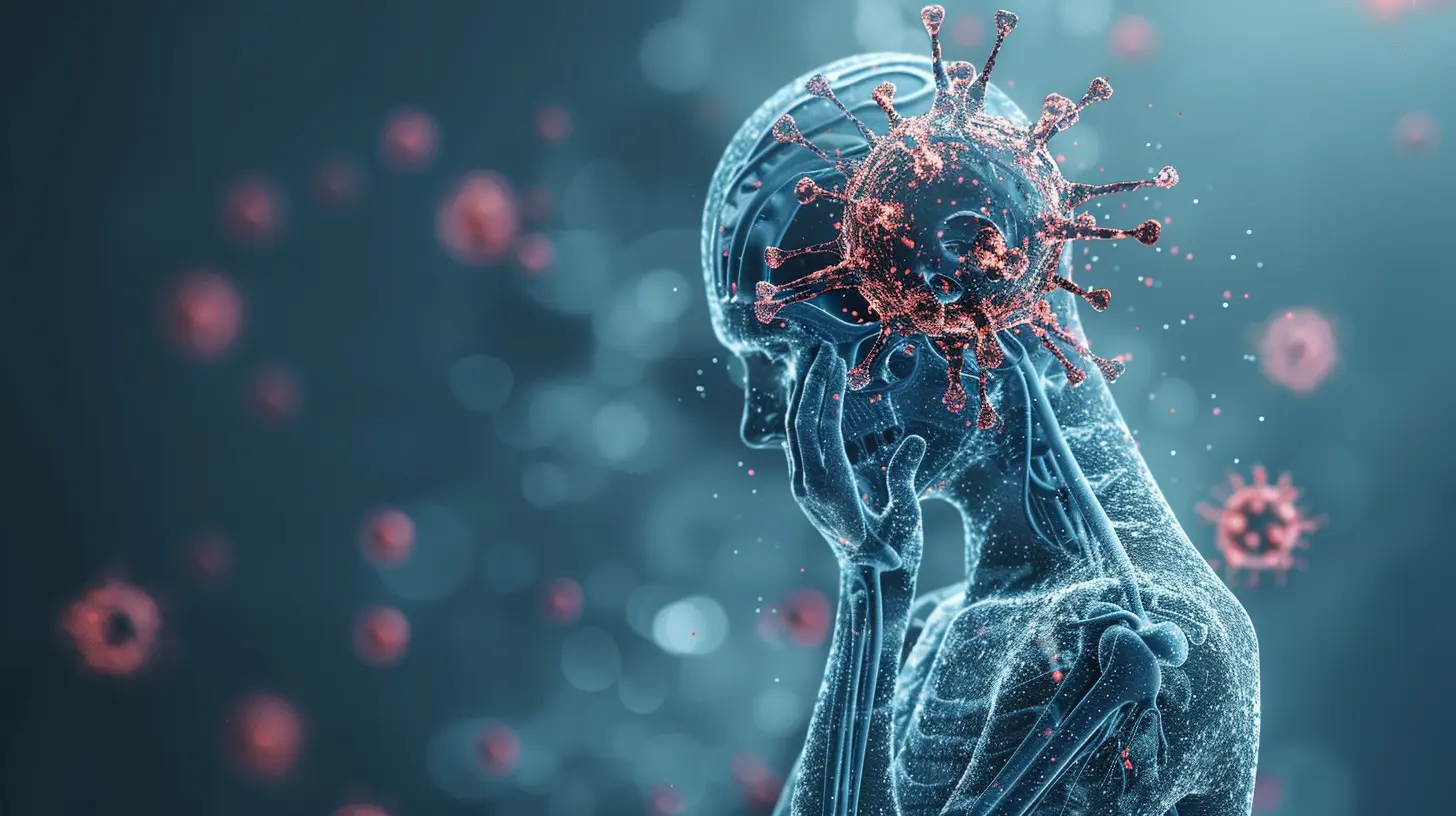
Mental Health and Immunity: The Overlapping Web
Living in constant pain is exhausting—not just physically, but emotionally. Chronic pain is deeply linked to depression, anxiety, and stress.And guess what? Mental health and immune health are tightly connected.
Negative emotions and long-term psychological stress can lower your body’s ability to produce lymphocytes, the white blood cells that fight off infection. They also increase inflammation, making that vicious cycle even more intense.
So yeah, that “it’s all in your head” talk? Totally unhelpful and quite frankly, wrong.
Real-world Impact: Why This Matters
Okay, so what does all this mean in the real world?Here are some actual consequences of the immune system getting tangled up with chronic pain:
- You get sick more often: Weak immune responses mean you’re more susceptible to colds, flus, and infections.
- Slower healing: Cuts, scrapes, and even surgeries take longer to heal.
- Increased risk of autoimmune problems: A confused immune system may start targeting your own tissues.
- Higher chance of developing other illnesses: Chronic inflammation is linked to heart disease, diabetes, and even cancer.
That’s why managing chronic pain isn’t just about comfort—it’s about your long-term health.
How To Support Your Immune System When You’re In Chronic Pain
Here’s the good news: there are ways to support your immune system, even if the pain isn’t going away entirely. It’s all about balance, baby.1. Prioritize Restful Sleep
Easier said than done, I know. But even a slight improvement in sleep quality can have a big impact. Try:- Creating a bedtime routine
- Limiting screens before bed
- Using white noise or calming music
- Talking to your doc about safe sleep aids
2. Eat Like You Love Your Gut
Because you should. Load up on:- Fermented foods (like yogurt, sauerkraut, kimchi)
- Prebiotics (fiber from oats, bananas, artichokes)
- Lean proteins
- Anti-inflammatory foods (think: leafy greens, berries, fatty fish)
Steer clear of processed sugar and refined carbs. They only feed the fire.
3. Manage Stress Like a Boss
Don’t underestimate the power of your mindset. Chronic pain is already tough—adding stress on top just makes it worse. Try:- Meditation
- Deep breathing
- Journaling
- Talking to a therapist
- Doing something you love (even if for 5 minutes)
4. Move When You Can
Movement helps reduce inflammation, improve circulation, and elevate mood. We’re not talking about running marathons here. Just gentle movement:- Stretching
- Yoga
- Walking
- Water aerobics
Listen to your body and move in a way that feels right.
5. Stay Connected
Isolation messes with mental health—and by extension, the immune system. Reach out to friends. Join a support group. Talk to people who understand what you’re going through. It helps more than you think.When to Talk to Your Doctor
If you’ve been feeling unusually run-down, constantly sick, or just can’t shake that foggy, tired feeling—it’s time to chat with your healthcare provider. They might run blood tests to check your immune markers, suggest supplements, or explore medications that won’t compromise your immune health.Don’t tough it out alone. Your body’s trying to keep you safe—it just needs a little help.
Final Thoughts
Chronic pain doesn’t just hurt—it drains your energy, fogs your mind, and weakens your immune system. It’s like carrying around a heavy backpack every day, while trying to dodge life’s curveballs with one hand tied behind your back.But knowledge is power. When you understand how pain affects your body beyond the surface, you’re better equipped to fight back.
Take care of your mind, nourish your body, and give yourself the grace to rest. After all, your immune system is doing its best to protect you, even when everything feels like it's working against it.
all images in this post were generated using AI tools
Category:
Chronic PainAuthor:

Angelo McGillivray
Discussion
rate this article
2 comments
Elowis Vance
Great article! It's amazing how our bodies work together, even when facing challenges like chronic pain. Remember, every small step counts towards healing, and your immune system is a resilient partner in this journey. Stay positive and keep moving forward! 🌟💪
December 13, 2025 at 4:24 AM
Angelo McGillivray
Thank you for your thoughtful comment! I completely agree—every small step is vital in the healing process, and our resilience is key. 🌟
Denise Montgomery
Chronic pain can lead to dysregulation of the immune system, triggering increased inflammation and lowering resistance to infections. Understanding this connection is crucial for developing holistic treatment approaches that address both pain management and immune health.
December 5, 2025 at 4:28 PM
Angelo McGillivray
Thank you for highlighting this important connection! Addressing both pain and immune health is essential for effective holistic treatment.