How Gut Health Impacts Your Mood and Mental Wellbeing
1 May 2026
Have you ever had a "gut feeling" about something? Or felt butterflies in your stomach when you were nervous? That’s not just a figure of speech — your brain and your gut have a direct line of communication. In fact, they chat more than you might think, and what’s going on in your belly can have a serious impact on what’s going on in your head.
In this post, we’re diving deep (but in a fun, non-complicated way) into the fascinating connection between your gut health and your mood. So grab a cup of tea, get comfy, and let’s talk about how your gut might be the silent partner running the show behind your mental health.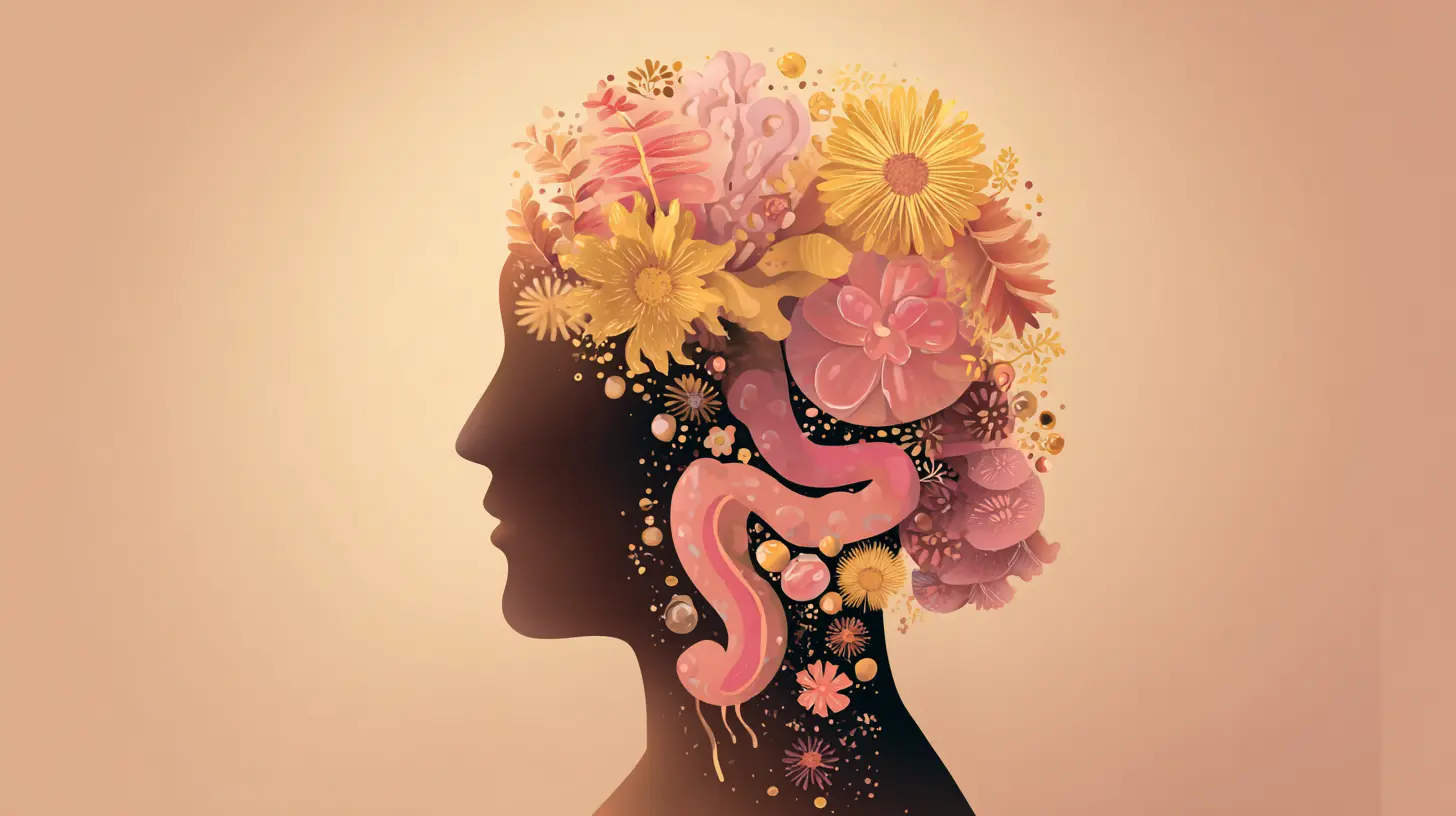
What Is Gut Health, Anyway?
Let’s start with the basics. When we talk about "gut health," we’re mostly referring to the health of your digestive system — especially your intestines and the trillions of bacteria living in there. These bacteria (collectively known as the gut microbiome) are tiny workers that help you digest food, produce vitamins, and support your immune system.Yes, trillions with a “T.” You actually have more bacterial cells in your gut than human cells in your entire body. Let that sink in for a second.
But they’re not just hanging out in there for digestion. These guys are multitaskers — and their roles extend way beyond your stomach.
The Gut-Brain Axis: A Two-Way Street
Here’s where it gets really interesting. Your gut and your brain are connected through something called the gut-brain axis. Think of it like a two-way highway of constant communication. Messages travel back and forth via nerves (especially the vagus nerve), hormones, and even chemical messengers like neurotransmitters.So when your gut’s out of whack, your brain gets the memo. And when your brain is stressed, your gut feels it too. Ever noticed how anxiety can lead to an upset stomach? That’s the gut-brain axis in action.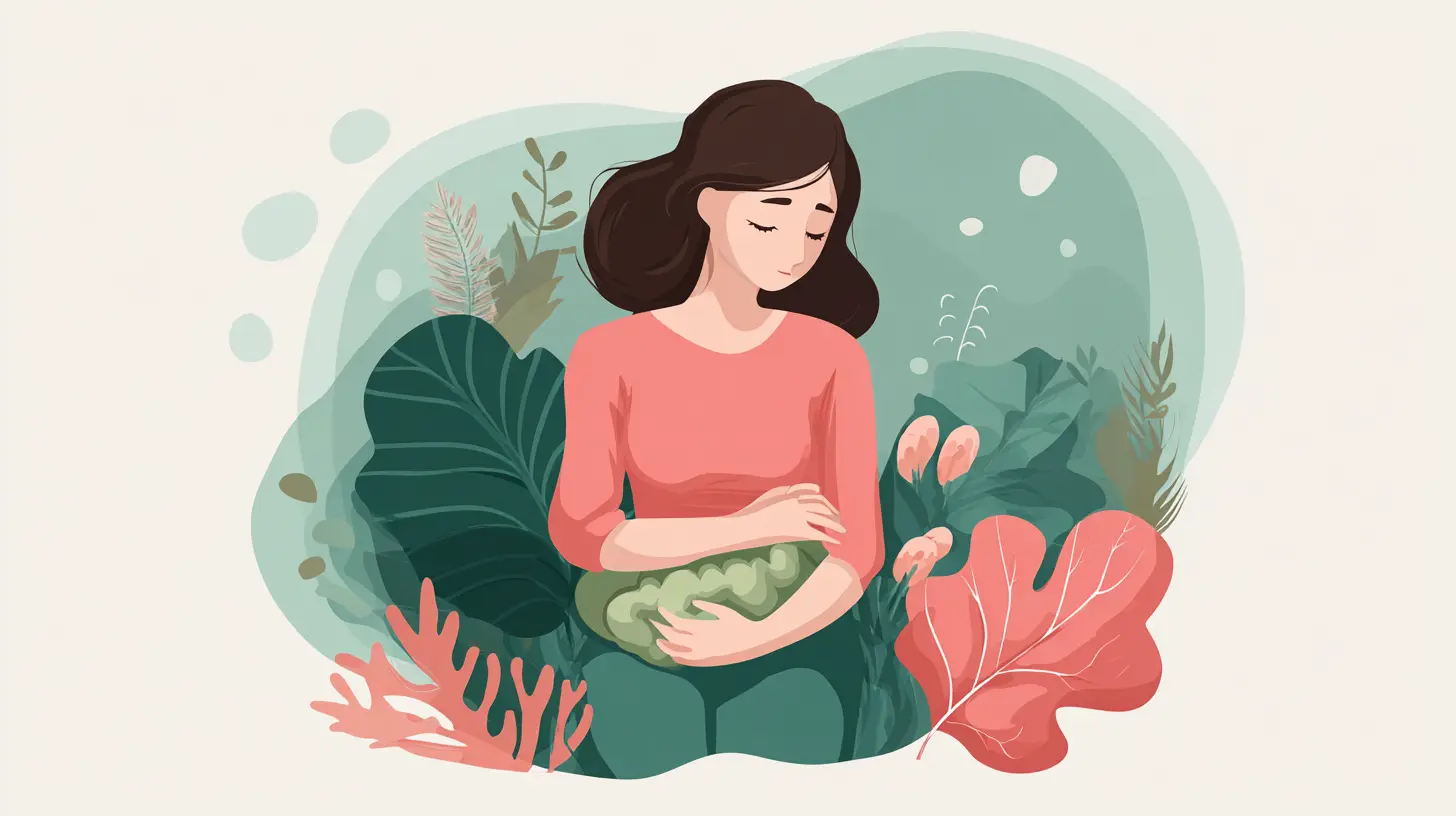
How Gut Bacteria Influence Your Mood
Alright, let’s zoom in on the mood part of things. Your gut bacteria don’t just digest fiber and make vitamins — they also produce chemicals that influence your brain.1. Neurotransmitters from the Gut
Did you know that almost 90-95% of your body’s serotonin — the "happy hormone" — is made in your gut?That’s right. Serotonin helps regulate your mood, sleep, and appetite. If your gut is imbalanced, your serotonin levels might take a hit. And that can lead to feelings of sadness, irritability, or even depression.
Some gut bacteria also help produce dopamine, GABA, and other brain-boosting chemicals. So if the wrong bacteria take over, your emotional state can go downhill fast.
2. The Role of Inflammation
An unhealthy gut often leads to inflammation — both in the gut and throughout the body. Chronic inflammation has been closely linked to issues like depression and anxiety.In other words, if your gut is constantly irritated (think poor diet, stress, or antibiotics), it can spark low-grade inflammation that messes with your brain chemistry. Think of it like a fire alarm going off at all hours. Eventually, your brain gets overwhelmed and starts to feel the heat.
3. Cortisol and Stress Response
Cortisol is your body’s main stress hormone, and guess what controls a lot of your cortisol regulation? Yep — your gut.An imbalanced gut microbiome can tamper with how your body handles stress. You might feel more anxious or stressed out even when things are fine. It’s like your body is stuck in panic mode, and your gut is pushing the alarm button.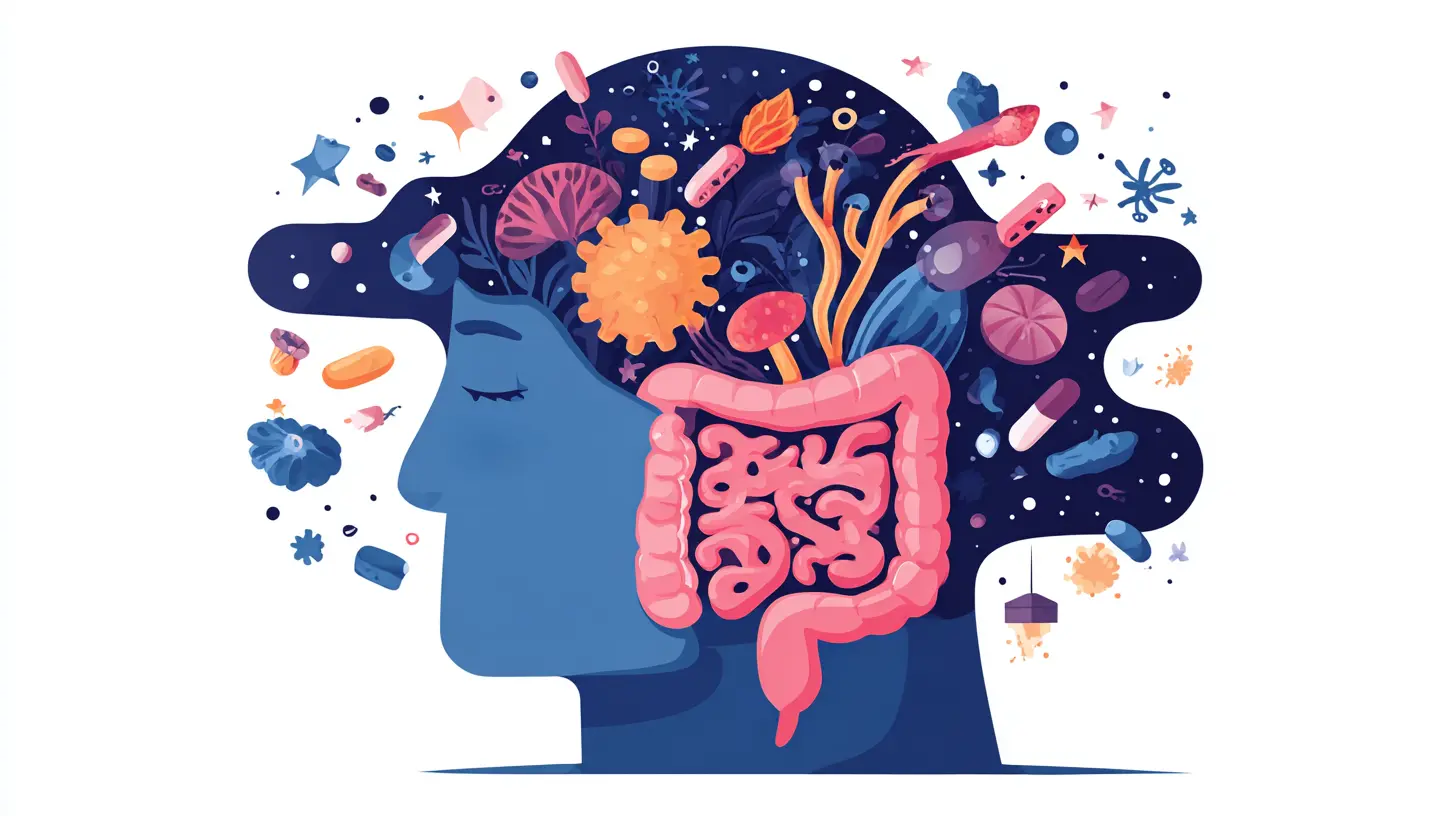
Signs Your Gut Might Be Impacting Your Mental Health
Okay, so a messed-up gut can mess with your mood. But how can you tell if this is happening to you? Here are some not-so-obvious red flags:- You feel anxious or moody for no clear reason
- You suffer from brain fog or can’t concentrate
- You’re tired all the time, even with enough sleep
- You often get stomach issues — bloating, gas, constipation
- You crave sugar or carbs constantly
- You’re catching colds more than usual
- Your sleep is all over the place
If a few of these sound too familiar, your gut might be knocking on your brain’s door, asking for some attention.
How to Improve Gut Health Naturally (And Boost Your Mood Along the Way)
The good news? You’re not stuck with a cranky gut. With a few changes, you can literally feed your way to better mood and mental wellbeing. Here’s how to get started:1. Load Up on Probiotics
Probiotics are the friendly bacteria your gut loves. You can get them from foods like:- Yogurt (with live cultures)
- Kefir
- Sauerkraut
- Kimchi
- Miso
- Tempeh
Or try a good-quality probiotic supplement (look for one with multiple strains and over 10 billion CFUs).
2. Don’t Forget Prebiotics
Probiotics are the good guys — but they need food to thrive. That’s where prebiotics come in. These are fibers that feed the good bacteria. Foods rich in prebiotics include:- Bananas
- Garlic
- Onions
- Asparagus
- Oats
- Apples
Basically, give your good bugs the fuel they need to kick butt.
3. Cut The Junk
Processed foods, sugar, and artificial sweeteners can mess with your gut big time. They feed the wrong bacteria and lead to inflammation. Try cutting back and notice how your mood shifts. It’s kind of amazing.4. Manage Stress (For Real)
You can pop all the probiotics you want, but if you’re constantly in a stress spiral, your gut’s going to suffer. Try stress-busting habits like:- Deep breathing
- Meditation
- Journaling
- Walking in nature
- Connecting with friends
Even just turning off your phone for an hour can help your nervous system chill out.
5. Sleep Like It Matters (Because It Does)
Your gut has its own circadian rhythm. Mess with your sleep, and you mess with your gut. Poor sleep can throw off your microbiome, and the cycle continues. Aim for 7-9 hours a night. Your gut and your brain will thank you.The Science Backs It Up
Still need some receipts? Here are a few research-backed highlights:- A 2017 study found that probiotics significantly reduced depression symptoms in people with major depressive disorder.
- Another study in Nature Microbiology linked low gut microbial diversity to symptoms of anxiety and low quality of life.
- Randomized controlled trials are showing that gut-supportive diets (like the Mediterranean diet) can help reduce the risk of depression.
Scientific circles are even calling the gut the “second brain” — that's how powerful this connection is.
Can Gut Health Help With Mental Health Disorders?
Short answer: absolutely, but it’s not a cure-all.Conditions like anxiety, depression, bipolar disorder, and even autism have all been shown to have some kind of gut connection. That doesn’t mean gut health “fixes” them, but it can definitely play a role in managing symptoms.
Think of it as one piece of the mental health puzzle. Diet, therapy, medication, exercise — they all matter. But supporting your gut puts one more powerful tool in your toolbox.
Final Thoughts: Trust Your Gut (Literally)
Your gut isn’t just about digestion. It’s a mood influencer, a stress regulator, and maybe even the DJ behind the soundtrack of your thoughts and feelings.Tuning into your gut health can offer surprising improvements to your emotional well-being. It’s not magic — it’s biology. And once you get your gut back in balance, you might just find your mental fog lifting, your mood brightening, and your stress easing.
So next time your stomach’s acting up or your mood’s in a funk, remember — your gut might be trying to tell you something. Listen closely. Because your belly? It’s got brains.
all images in this post were generated using AI tools
Category:
Gut HealthAuthor:

Angelo McGillivray
Discussion
rate this article
2 comments
Elara Bell
Gut health is crucial for emotional balance. The connection between the gut and brain underscores the importance of a healthy diet. By nourishing our gut flora, we can enhance our mood and overall mental wellbeing. A simple yet powerful link.
May 25, 2026 at 3:45 PM
Angelo McGillivray
Absolutely, the gut-brain connection is fascinating. A healthy diet really can make a big difference in how we feel emotionally. Thanks for highlighting this important link!
Winter Matthews
Gut health significantly influences mood and mental clarity.
May 6, 2026 at 4:34 AM
Angelo McGillivray
Absolutely, the connection between gut health and mental wellbeing is fascinating. A healthy gut can enhance mood and boost clarity.