How Hydration Plays a Key Role in Maintaining a Thriving Gut
24 April 2026
Let’s face it—when we think about gut health, our minds usually go straight to fermented foods, fiber, and pricey probiotic supplements. Don’t get me wrong, all of those are important. But you know what often gets totally overlooked?
Water. Plain ol’ H2O.
Surprising, right? But the truth is, hydration plays a massive role in keeping our gut happy, balanced, and thriving. So, grab a glass of water (seriously, go get one), and let’s dive into why staying hydrated might be one of the simplest and most powerful things you can do for your digestive health.
Why Gut Health Deserves Your Attention
Before we get into water talk, let’s set the stage: Why even care about your gut?Your gut doesn’t just help you digest food. It’s home to trillions of bacteria—collectively known as the gut microbiome—that influence everything from your mood to your immune system, your skin, your weight, and even how your brain functions. Yeah, it’s kind of a big deal.
A thriving gut is like a well-run city. Everything flows smoothly, waste is managed efficiently, and the “citizens” (aka your gut bacteria) stay happy and productive. When things go wrong, though—like when you're dehydrated—chaos can ensue.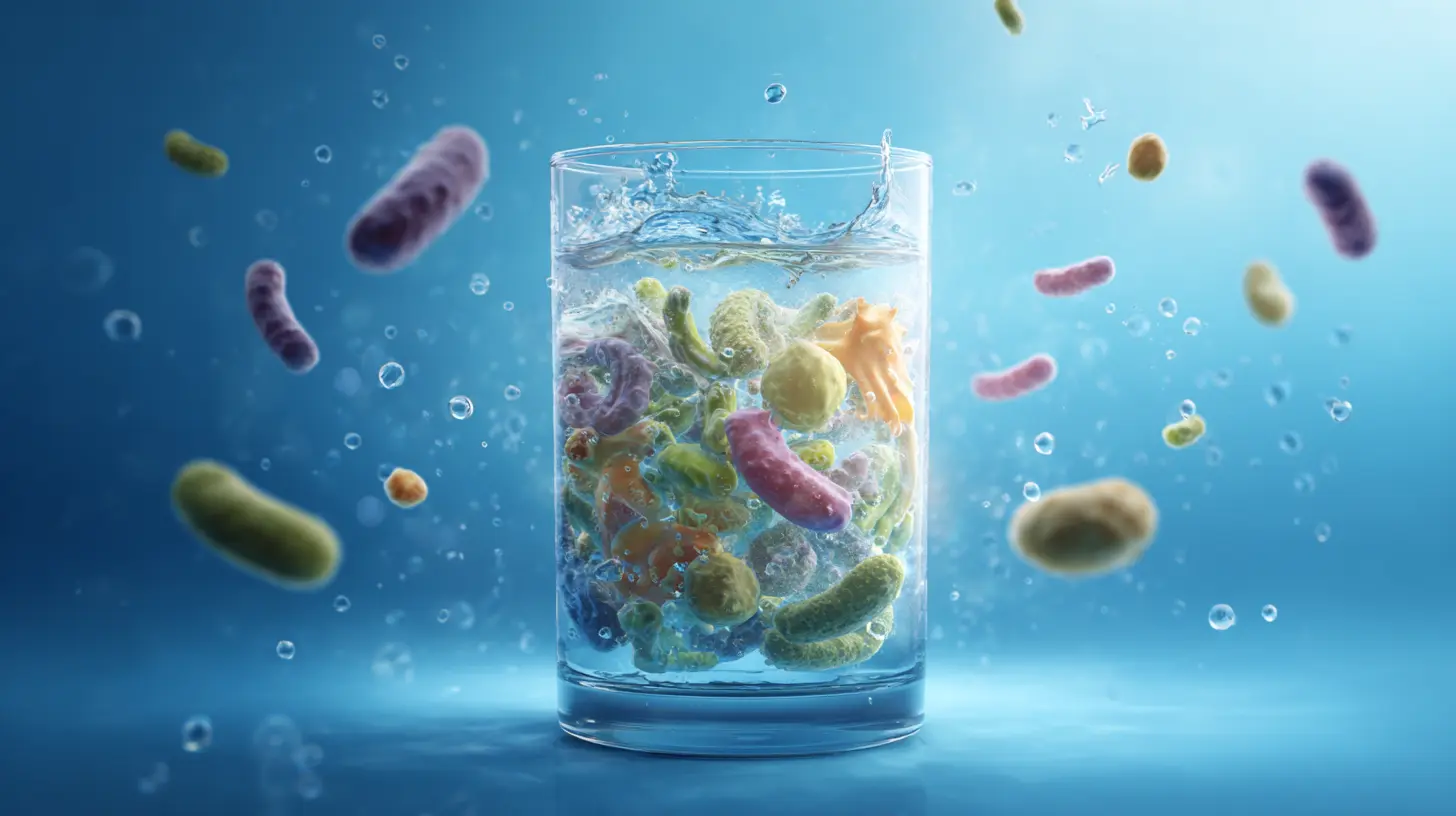
The Gut-Water Connection: What's Really Going On?
We all know we should drink water. But how exactly does hydration affect your gut health?1. Water Keeps Things Moving—Literally
Ever been constipated? It’s not fun. Often, it’s because you're not drinking enough water. Your intestines absorb water from everything you eat and drink. If there’s not enough fluid available, your colon starts pulling extra water from your waste—leaving you with hard, dry stools.Think of your digestive tract like a slip-and-slide. Without enough water, everything just... sticks. With adequate hydration, your food waste can move easily and exit gracefully (yes, that’s a nice way of saying poop).
2. Hydration Supports the Mucosal Lining
Your GI tract is coated with a protective mucosal lining that does more than just keep things slippery. It’s a barrier that helps keep harmful bacteria and toxins out of your bloodstream. And guess what? It’s made largely of water.If you're dehydrated, this lining can become dry and thin, making it easier for bad bacteria to slip through the cracks. That can lead to inflammation and mess with the balance of your gut microbiome.
3. Water Helps Digestive Enzymes Do Their Job
Your body produces digestive enzymes to break down proteins, fats, and carbohydrates. These enzymes need a fluid-rich environment to move and work efficiently. When you're properly hydrated, that enzyme activity is more effective, meaning your body absorbs more nutrients. That’s a big win for your gut—and your overall health.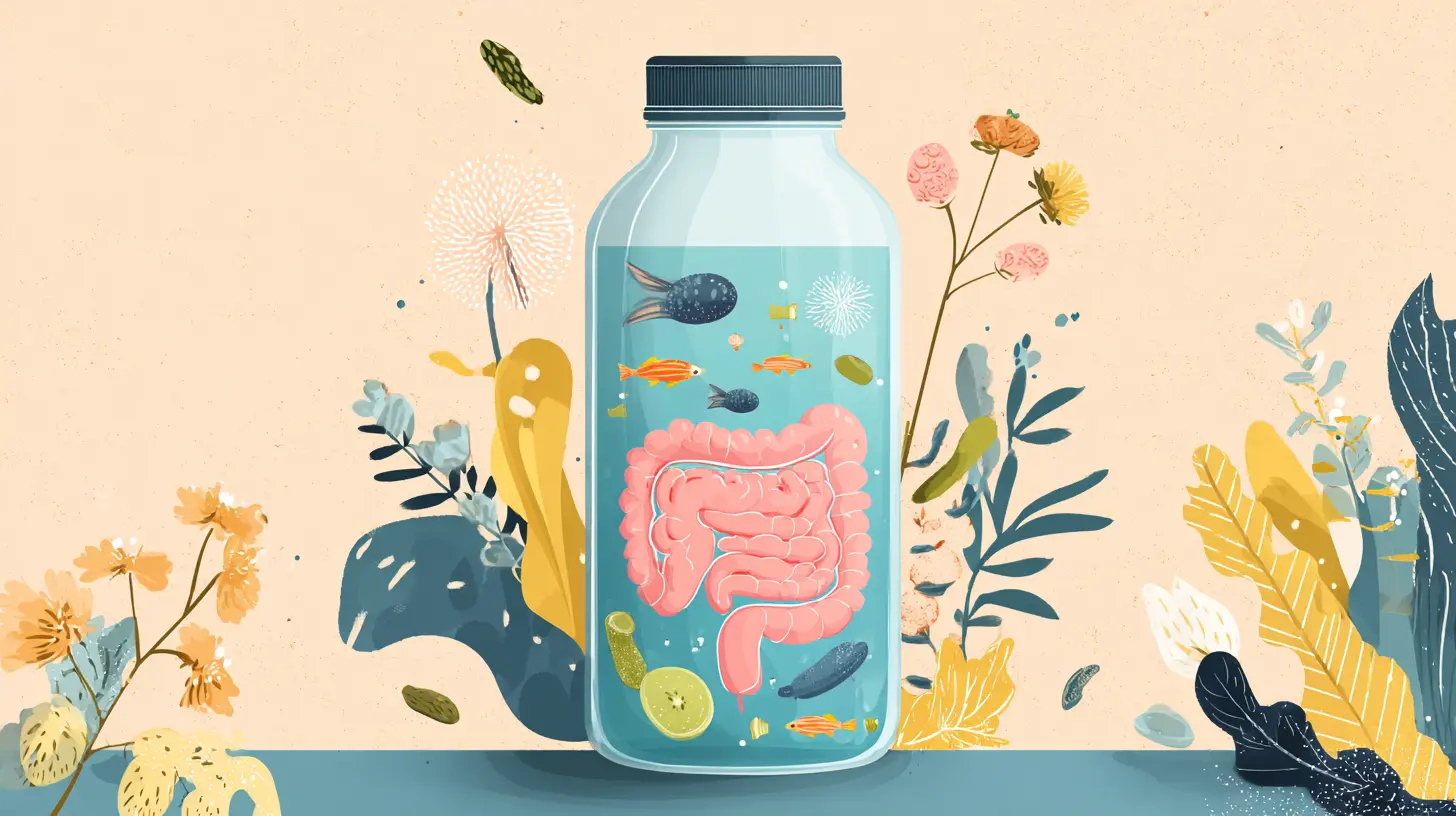
What Happens to the Gut When You’re Dehydrated?
Okay, so now you know hydration matters. But what are the actual consequences of skimping on water?A. Sluggish Digestion
It’s simple: less water = slower digestion. And slower digestion can lead to bloating, gas, and constipation. Not exactly a recipe for gut happiness.B. Increased Toxin Exposure
Remember that mucosal barrier we talked about? When it dries out, your gut becomes a doorway instead of a wall. Toxins and bacteria can enter your bloodstream more easily, potentially triggering inflammation all over your body.C. An Imbalanced Gut Microbiome
Dehydration doesn’t just affect you—it affects your gut bacteria, too. A dry, poorly functioning gut creates a hostile environment for the good guys (the beneficial bacteria) and gives the bad guys a chance to thrive. That imbalance is known as dysbiosis, which is linked to everything from IBS to depression.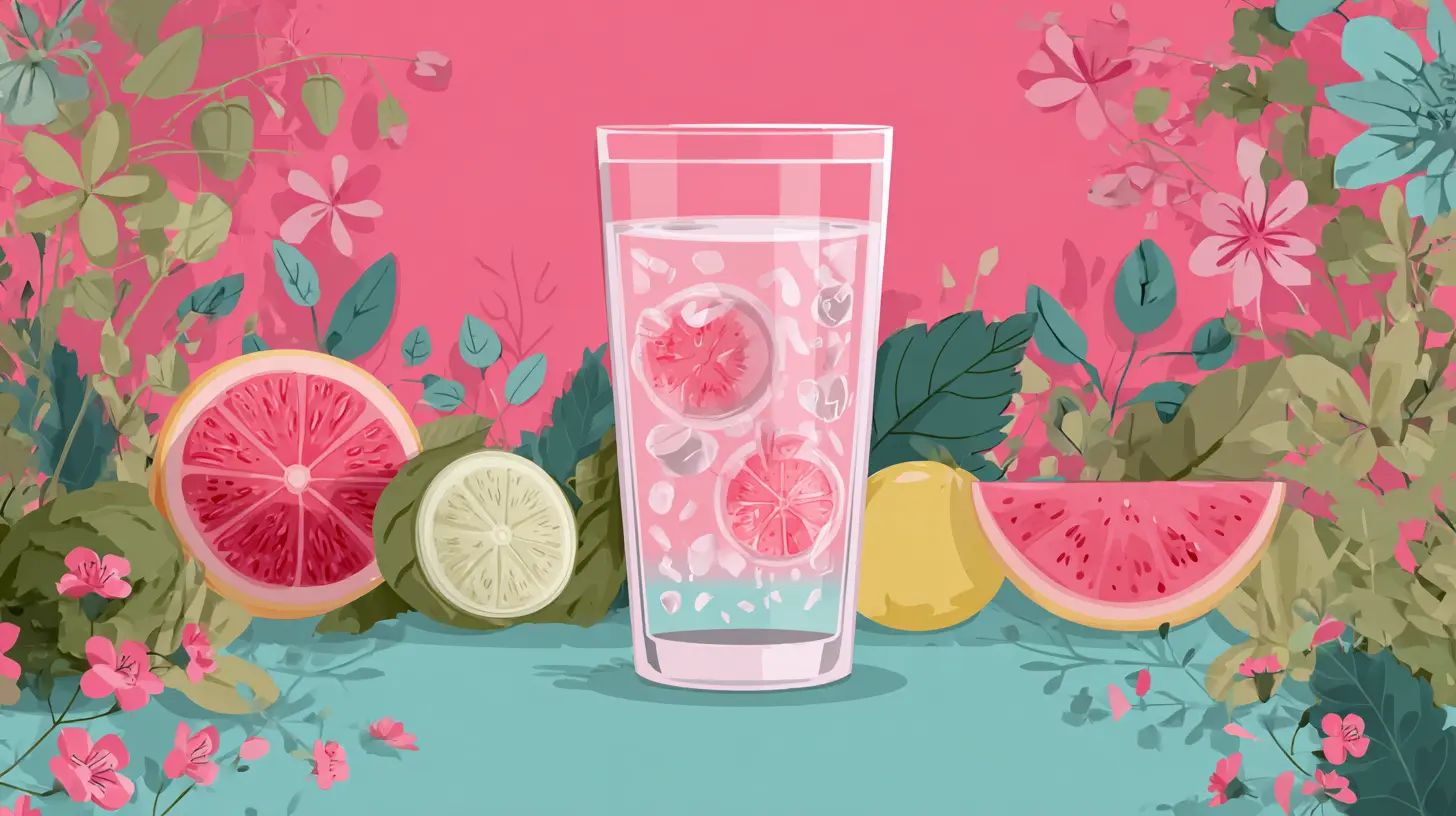
How Much Water Do You Really Need?
You’ve probably heard the “8 glasses a day” rule, but hydration isn’t one-size-fits-all. Factors like your body size, activity level, and even how much fiber you eat can all affect your water needs.A more accurate guideline? Aim for half your body weight in ounces. So, if you weigh 160 pounds, shoot for about 80 ounces (or 10 cups) of water per day. More if you’re active, sweating a lot, or eating tons of fiber (because fiber soaks up water like a sponge).
Also, trust your thirst. Sounds obvious, but it’s your body’s built-in reminder that it needs a refill.
Best Ways To Stay Hydrated (Without Chugging Water All Day)
If the idea of downing gallon-sized jugs of water makes your eyes roll, don’t worry. Staying hydrated doesn’t have to feel like a full-time job.✔ Add Flavor to Your Water
Throw in slices of cucumber, lemon, mint, berries—whatever makes it more appealing to sip.✔ Eat High-Water Foods
Did you know you can hydrate through food, too? Foods like watermelon, cucumber, oranges, and even soups contribute to your water intake.✔ Balance Electrolytes
If you're drinking loads of water but still feeling blah, you may be flushing out important electrolytes. Add a pinch of mineral salt or sip on coconut water here and there to keep things balanced.✔ Create a Hydration Routine
Attach hydration to other habits. Fill a glass every time you brush your teeth, or have a glass before each meal. It adds up.How Other Drinks Affect Gut Hydration
Let’s clear up a common misconception: not all liquids hydrate the same way.✅ Good Choices
- Herbal teas: Chamomile, ginger, peppermint—they’re soothing for the gut and hydrating.- Infused water: Adds flavor without sugar or artificial stuff.
- Bone broth: Super hydrating and filled with gut-healing nutrients like collagen and amino acids.
❌ Not-So-Great Choices
- Sugary sodas: These mess with your gut bacteria and don’t hydrate effectively.- Alcohol: It’s a diuretic, meaning it makes you lose more fluids than you take in.
- Caffeinated drinks: In moderation, coffee and black tea are okay, but don’t count on them to do your hydration heavy lifting.
Hydration & Gut Disorders: Is There a Link?
Hydration plays a particularly important role if you’re dealing with digestive issues like IBS, acid reflux, or leaky gut. Let’s break it down:IBS (Irritable Bowel Syndrome)
Hydration can ease the severity of both constipation-dominant and diarrhea-dominant IBS. Proper fluid levels help regulate the transit time of waste, easing stomach cramps and bloating.Acid Reflux
Drinking water can temporarily dilute stomach acid, offering mild relief from heartburn. Staying hydrated also helps your stomach empty more efficiently, reducing reflux risk.Leaky Gut
As mentioned earlier, dehydration can damage your gut lining. A compromised barrier = a leaky gut. Hydration helps maintain that barrier and keeps the immune response in check.What About Overhydration?
Yes, there’s such a thing as too much of a good thing. While rare, drinking excessive amounts of water in a short time (especially without balancing electrolytes) can lead to a condition called hyponatremia or "water intoxication". Your sodium levels get diluted, which can be dangerous.Rule of thumb? Steady sips throughout the day. Listen to your body. More isn't always better—just be consistent.
Signs You're Not Drinking Enough Water
Not sure if you're dehydrated? Here are a few gut-related clues:- You're frequently constipated
- Your poop is dry, hard, or pellet-like
- You feel bloated or gassy after meals
- You get frequent heartburn
- You always feel tired after eating
- Your mouth feels dry even when you’re not hungry
- You have persistent bad breath (yep, it starts in the gut!)
If any of these sound familiar, increasing your water intake might be just what your gut's been begging for.
Final Sip: Hydration Is Gut Self-Care
At the end of the day, maintaining a thriving gut isn’t just about loading up on fiber and probiotics. Water is the unsung hero of gut health. It’s the silent supporter, the glue that holds your entire digestive process together.Think of hydration as the oil in your gut engine—it keeps everything running smoothly, prevents friction, and supports all the little moving parts (like enzymes, mucus, and microbes) that make your digestive system thrive.
So, if you’re serious about gut health, don’t just focus on what you eat—pay attention to what you drink. Your gut will thank you.
all images in this post were generated using AI tools
Category:
Gut HealthAuthor:

Angelo McGillivray
Discussion
rate this article
2 comments
Peyton Flores
This article effectively highlights the critical connection between hydration and gut health, emphasizing that proper fluid intake can significantly enhance digestive function.
April 26, 2026 at 4:36 AM
Angelo McGillivray
Thank you! I'm glad you found the article informative and that it resonated with the important link between hydration and gut health.
Mindy McQuillan
Thank you for this insightful article! It’s fascinating to see how hydration impacts gut health. I appreciate the practical tips and look forward to incorporating more water into my daily routine for better digestive wellness.
April 25, 2026 at 4:35 AM
Angelo McGillivray
Thanks for your kind words! I'm glad you found the tips helpful. Here's to better gut health through hydration!