How Regular Exercise Can Improve Cognitive Performance
14 June 2026
So, you’re hitting the gym to look good in your favorite jeans, right? Maybe even to flex a bit at the beach or simply to avoid huffing and puffing climbing stairs. But did you know your brain is secretly throwing a party every time you break a sweat? That’s right — regular exercise isn’t just for abs and biceps. It’s like fertilizer for your brain (minus the smell). Let’s dig into exactly how regular exercise can improve cognitive performance — minus the confusing jargon.

First Things First: What Even Is "Cognitive Performance"?
Before we dive into the brain-boosting magic of exercise, let’s unpack what we mean by "cognitive performance." Fancy term, but it’s basically how well your brain does its thing — thinking, remembering, learning, problem-solving, staying focused, making decisions… you know, all the good stuff that powers your Netflix password recall and your work Zoom meetings. ?✨
Your Brain on Exercise: Why It Loves to Get Sweaty
So, what’s actually happening up there in your noggin when you’re jogging, lifting, or dancing like nobody’s watching?1. Blood Flow Bonanza
When you exercise, your heart works harder, pumping more blood — and with it, more oxygen — to your entire body, including your brain. Think of it as giving your grey matter a shot of espresso. This increased circulation means your brain is alert, energized, and firing on all cylinders.2. Neurotrophins – Brain Fertilizer
Science-y word alert! Neurotrophins are proteins that help build and maintain neurons (a.k.a. brain cells). Regular exercise boosts the production of one superstar protein called BDNF (Brain-Derived Neurotrophic Factor). The more BDNF you've got, the better your brain can form new connections and memories. It's like Miracle-Gro for your neurons.3. Stress? What Stress?
Ever had a rage-cleaning session after a terrible day? That post-workout calm isn’t a myth. Your brain releases feel-good chemicals like endorphins and serotonin when you exercise. These not only help with mood but lower cortisol levels (that nasty stress hormone that makes you want to scream into a pillow). Less stress = clearer thinking.4. Sharper Focus and Laser-Like Attention
If your attention span has been shorter than a TikTok dance, good news: Exercise can help. Physical activity increases levels of dopamine, norepinephrine, and serotonin — neurotransmitters that play key roles in attention and focus. Basically, your brain becomes less like a browser with 30 open tabs and more like a high-speed, well-oiled machine.
The Science-Backed Benefits (Yep, Nerdy Stuff—But Fun!)
Alright, let’s geek out for a sec. Below are the brainy benefits backed by solid science, legit research, and more than a few lab coats.? Improved Memory
A study from the University of British Columbia found that regular aerobic exercise (like running, biking, or Zumba-ing your heart out) increases the size of the hippocampus — the part of your brain involved in verbal memory and learning. Translation: You’ll remember names better at parties and finally stop forgetting where you parked your car.? Better Concentration
Struggling to focus? Skipping through tasks like you're flicking through TV channels? Exercising regularly can help improve your sustained attention, meaning you’ll finally be able to sit through your boss’s Zoom meeting without spacing out.? Faster Learning Ability
Exercise increases the brain’s plasticity. And no, that doesn’t mean your brain turns into Tupperware. Plasticity = your brain’s ability to change and adapt, which is essential for learning new skills like speaking a new language or finally figuring out Excel formulas.? Sweet, Sweet Sleep
If your brain feels foggy from lack of sleep, exercise can help here too. Physical activity regulates your circadian rhythm, helping you fall asleep faster and enjoy better quality slumber. And a well-rested brain is a high-functioning brain. Period.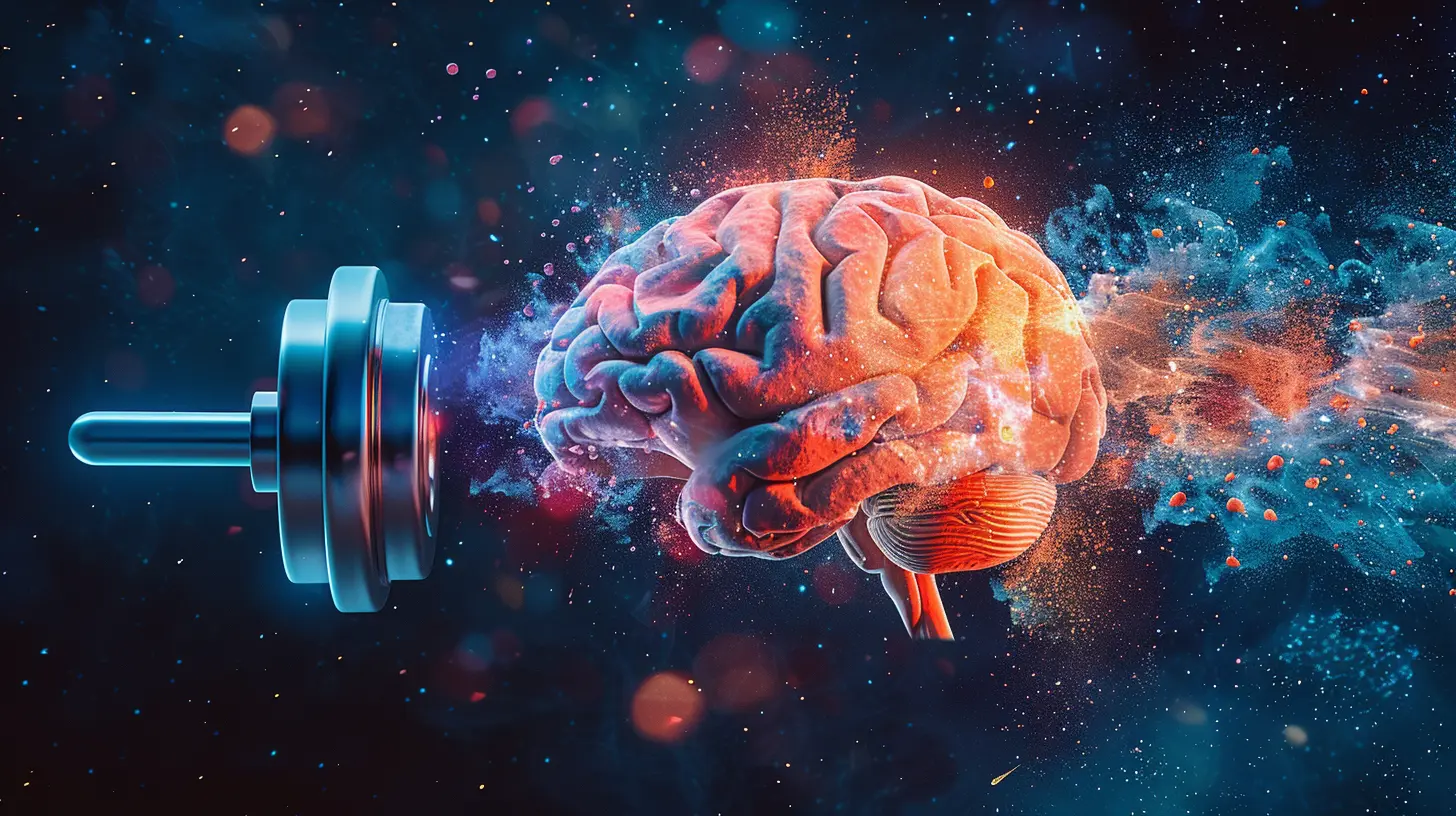
Types of Exercise That Give Your Brain the Most Bang for Its Buck
Hold up — not all exercise is created equal when it comes to cognitive boostage. Here are some of the most brain-loving workouts to consider:?♂️ Cardiovascular Exercises (a.k.a. Anything That Gets Your Heart Racing)
- Running- Biking
- Swimming
- Jumping rope
- Brisk walking
Cardio revs up blood flow to the brain and kicks BDNF production into high gear. It’s basically brain food disguised as sweat.
?♀️ Yoga and Mind-Body Exercises
- Yoga- Tai Chi
- Pilates
These might not leave you gasping for air, but they reduce stress big time. Plus, movements that require balance and coordination challenge your brain in sneaky, fun ways.
?️♂️ Strength Training
- Weightlifting- Resistance band workouts
- Bodyweight exercises (hello, squats!)
Research shows resistance training helps boost executive function (planning, decision-making, and multitasking). Basically, it helps your brain adult better. ?
How Often Should You Exercise for Brain Gains?
Let’s keep it simple: aim for at least 150 minutes of moderate-intensity aerobic exercise a week (that’s about 30 minutes, five times a week). Toss in a couple of days of strength training, and voilà — you’re golden.Oh, and you don’t have to do all 30 minutes in one go. Even short bursts — say, a 10-minute dance party in your living room or a brisk walk during your lunch break — add up to serious brain perks.
Real Talk: Why You Should Care (Even If You Hate Exercise)
Look, not everyone jumps out of bed excited to run three miles. We get it. But exercise doesn’t have to mean torturing yourself at the gym. It can be:- A dance class with your friends (extra points for bad choreography)
- Walking your dog (they need it too!)
- Playing tag with your kids (you’ll sleep like a log afterward)
- Cycling while listening to true crime podcasts (or whatever floats your boat)
The point isn’t perfection — it's consistency. Your brain doesn’t care if you ran a marathon or danced like a maniac for 10 minutes. It just wants you to move.
Sneaky Tricks to Make Exercise a Habit
If you're currently in a committed relationship with your couch, here are some tips to sneak exercise into your life:- Pair it with something fun: Watch your favorite show while on a treadmill.
- Set micro-goals: 5-minute walks add up.
- Use a fitness tracker: Those little buzzes feel oddly satisfying.
- Reward yourself: No guilt in enjoying a smoothie or bubble bath post-workout.
- Get an accountability buddy: Peer pressure isn’t always bad. ?♀️
When Will You Notice the Brain Benefits?
The cool part? Some benefits kick in almost immediately — like mood enhancement and better focus. Others, like improved memory and reduced risk of cognitive decline, build up over time. Think of it like compound interest for your brain. The earlier you start, the better your return.So go ahead... break a sweat, and give your brain a hug from the inside.
Final Thoughts: Move Your Body, Boost Your Brain
We often think about exercise in terms of how we look — abs, biceps, booty gains. But the real MVP is that squishy, walnut-looking mass between your ears. Regular physical activity is like premium fuel for your brain. More focus, better memory, less stress, deeper sleep — what’s not to love?So, next time you're debating between a workout and another Netflix binge, remember: your brain is silently begging you to lace up those sneakers.
You’re not just working out for your body. You’re working out for your mind, your mood, your memory — your whole dang self.
Now put down your phone and go move that beautiful bod of yours. Your brain will thank you.
all images in this post were generated using AI tools
Category:
Brain HealthAuthor:

Angelo McGillivray
Discussion
rate this article
2 comments
Haven Strickland
Regular exercise is not just for the body; it significantly boosts brain function too. Engaging in physical activity improves memory and focus, making it essential for better cognitive performance. Simple activities like walking or jogging can make a noticeable difference in mental clarity and mood.
August 6, 2026 at 2:30 PM
Angelo McGillivray
Absolutely! Regular exercise is a powerful tool for enhancing both mental clarity and mood. Just a bit of movement can really sharpen focus and improve memory.
Brigitte Tucker
Great article! I love how you highlighted the connection between exercise and cognitive performance. It's inspiring to see how physical activity can boost our brain health. Keep sharing these valuable insights!
June 14, 2026 at 2:58 PM
Angelo McGillivray
Thank you! I'm glad you found it inspiring. Exercise really does have a powerful impact on our brain health. I appreciate your support!