How to Develop a Routine When Living with Chronic Pain
10 July 2026
Living with chronic pain feels like carrying around an invisible weight. It’s not something you can just "shake off" or "get over." Some days, even getting out of bed feels like climbing a mountain. But here’s the thing: creating a consistent routine can make a world of difference. When you establish a daily structure tailored to your needs, you take back some control over your life. Sound good? Let’s dive into how you can craft a routine that works for you. 
Why Having a Routine Matters
If you’re living with chronic pain, you know life can feel unpredictable. One day, you're semi-functional; the next, even brushing your teeth feels like a marathon. Having a routine won’t magically erase the pain, but it will provide stability amidst the chaos. Think of it like having a roadmap on a foggy day—it doesn’t eliminate the fog, but it helps you navigate through it.Consistency helps your body and mind adapt, creating a sense of normalcy even in the face of discomfort. Plus, routines reduce decision fatigue (because let’s be honest, who has the energy to make endless choices when pain is gnawing at you?). 
Step 1: Start Small – Baby Steps are Golden
Ever heard the saying, “Rome wasn’t built in a day”? Well, neither is your routine. Don’t try to overhaul your entire life overnight. Start small.- Begin with one or two habits you can realistically manage, like stretching for five minutes in the morning or drinking a glass of water as soon as you wake up.
- Celebrate these small wins because every step forward is progress.
It’s like planting a seed; you nurture it little by little, and over time, it grows into something substantial. 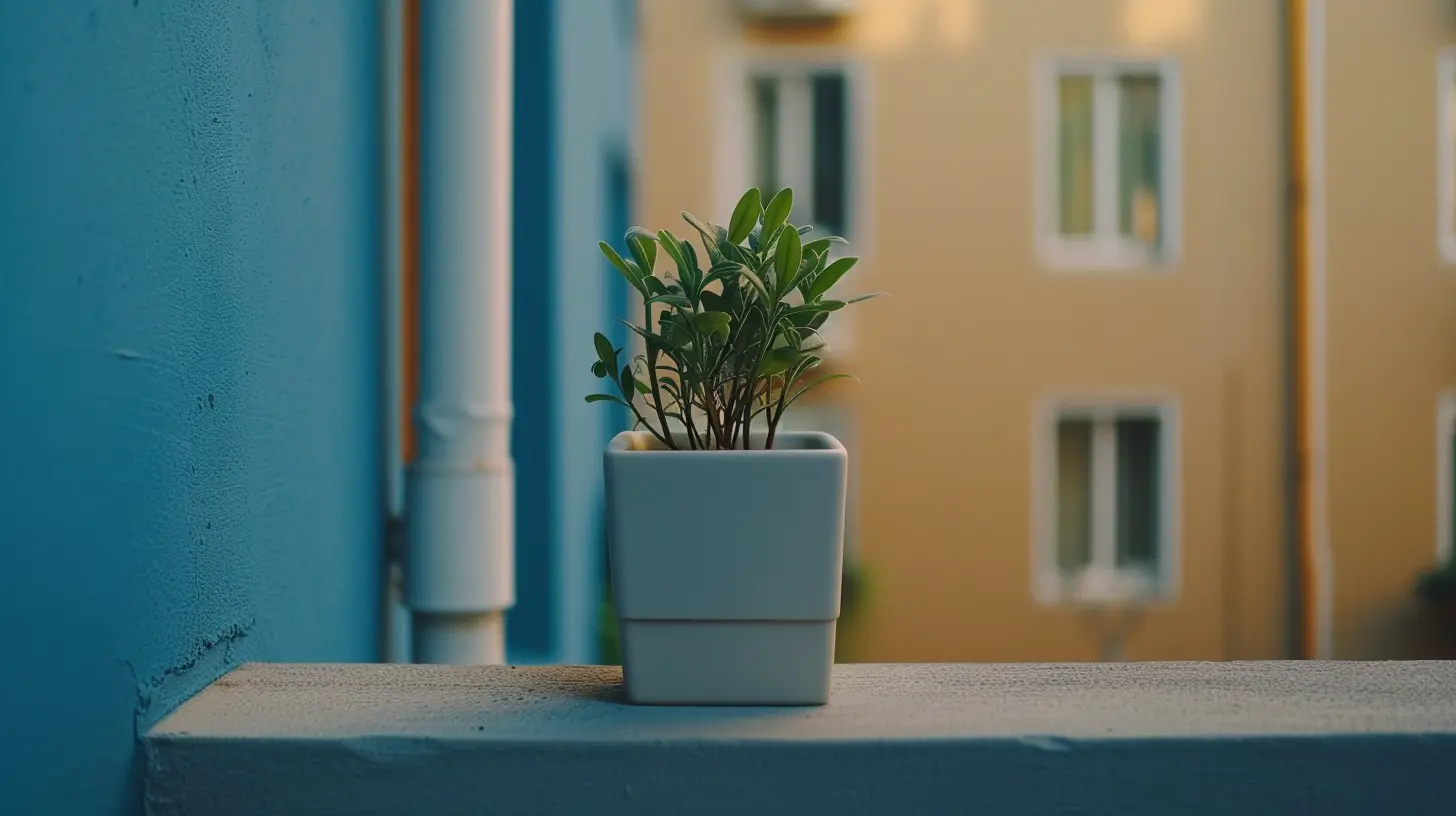
Step 2: Build Around Your Energy Fluctuations
Chronic pain doesn’t follow a 9-to-5 schedule. Some days, you might feel halfway decent in the morning, while on others, your energy peaks at night. Pay attention to your body.Ask Yourself:
- When do I feel the most energetic?- When is my pain at its worst?
Once you figure this out, align your activities with your energy levels. For example, if mornings are a struggle, don’t schedule something physically demanding right after you wake up. Save those tasks for when you feel slightly more capable. 
Step 3: Prioritize the Essentials
You can’t do everything, and that’s okay. The key is to focus on what truly matters.Create Three Tiers of Priorities:
1. Must-Do Tasks (e.g., take your medication, eat a meal, rest).2. Should-Do Tasks (e.g., light exercise, quick house chores).
3. Nice-to-Do Tasks (e.g., hobbies, social calls, extra errands).
On tough days, just stick to the essentials. Give yourself grace—it’s not about perfection; it’s about progress.
Step 4: Incorporate Gentle Movement
I know what you’re thinking: “Exercise? Are you serious?!” But hear me out—gentle movement can actually help manage pain. It’s like oiling a rusty hinge; you might feel stiff at first, but with time, you’ll notice improved mobility and a reduction in stiffness.Try These Low-Impact Activities:
- Stretching- Walking at your own pace
- Yoga or tai chi
- Swimming or water aerobics (bonus: water makes you feel lighter!)
Even just a couple of minutes a day can make a difference. And remember, listen to your body—if something feels off, stop.
Step 5: Make Rest a Non-Negotiable
Rest is not a luxury; it’s a necessity—especially when dealing with chronic pain. Build periods of rest into your day, and don’t feel guilty about them. Think of rest as recharging your internal battery. You wouldn’t expect your phone to run all day without a charge, right? Same goes for you.Quick Tips for Resting Strategically:
- Take short naps (20-30 minutes works wonders).- Use relaxation techniques like deep breathing or guided meditation.
- Create a cozy “rest zone” at home with blankets, cushions, and soft lighting.
Step 6: Be Flexible
Here’s the hard truth: even the best-laid plans can go out the window when chronic pain strikes. And that’s okay! Flexibility is your secret weapon.Think of your routine as a guideline, not a rigid rulebook. If today doesn’t go as planned, adjust. Tomorrow is a fresh start, and a detour doesn’t mean you’re off track—it just means you’re human.
Step 7: Use Tools to Stay On Track
When brain fog kicks in, remembering your routine can feel like trying to solve a 1,000-piece puzzle without the picture. This is where tools come in handy.Helpful Tools:
- Planners and Journals: Write down your routine and track your progress.- Apps: Apps like Habitica or Google Keep can nudge you with reminders.
- Timers: Set alarms for key parts of your day, like mealtimes or stretching breaks.
Think of these tools as your personal cheerleaders, keeping you on track even when your brain is running on empty.
Step 8: Lean on Your Support System
You don’t have to do this alone. Chronic pain can feel isolating, but there are people out there who want to help.Who’s on Your Team?
- Family and friends who understand your struggles.- Support groups, either in-person or online (Reddit and Facebook have plenty of chronic pain communities).
- Healthcare professionals like doctors, physical therapists, or counselors.
Let them know about your routine—you’d be surprised at how willing they are to support you.
Step 9: Practice Self-Compassion
This is probably the most important step of all. Living with chronic pain is tough—really tough. You’re not lazy, weak, or unmotivated. You’re fighting a battle that most people can’t see.So, be kind to yourself. If your routine falls apart one day, it’s okay. If all you did was survive, that’s enough. Remember, progress is not a straight line; it’s a squiggly, messy path, and that’s perfectly normal.
Bonus Tip: Celebrate Your Wins
Did you follow your routine today—or even part of it? Celebrate! Maybe treat yourself to your favorite snack, watch an episode of your favorite show, or just give yourself a well-deserved mental high-five. Acknowledging your successes keeps you motivated to keep going.Wrapping It Up
Developing a routine when living with chronic pain isn’t about forcing yourself into a rigid schedule. It’s about creating a flexible framework that supports your physical and mental well-being. Start small, adapt as needed, and always prioritize rest and self-compassion.Remember, it’s not about perfection—it’s about finding what works for you. Chronic pain might be part of your story, but it doesn’t define you. You’ve got this.
all images in this post were generated using AI tools
Category:
Chronic PainAuthor:

Angelo McGillivray
Discussion
rate this article
1 comments
Kimberly Bennett
This article provides valuable insights for those navigating chronic pain. Establishing a routine can empower individuals, fostering a sense of control and improving overall well-being. Thank you for sharing.
July 17, 2026 at 3:36 AM
Angelo McGillivray
Thank you for your thoughtful comment. I'm glad you found the insights helpful. Wishing you strength on your journey.