How Virtual Reality May Revolutionize Chronic Pain Treatment
4 December 2025
Have you ever wished you could simply escape your chronic pain—like, literally step out of it and into another world? Well, you're not alone. And thanks to Virtual Reality (VR), that “sci-fi-sounding” dream might be closer to reality than we ever thought possible.
Over the past few years, VR has been making waves in the gaming industry, architecture, education—heck, even virtual tourism. But hang on, it’s now entering a whole new arena: healthcare. And it’s not just for training doctors or simulating surgeries. One of the most promising (and honestly, mind-blowing) uses of VR is in helping people manage and even relieve chronic pain.
Let’s dive into this immersive topic (pun totally intended) and see how VR might just change the chronic pain game for good.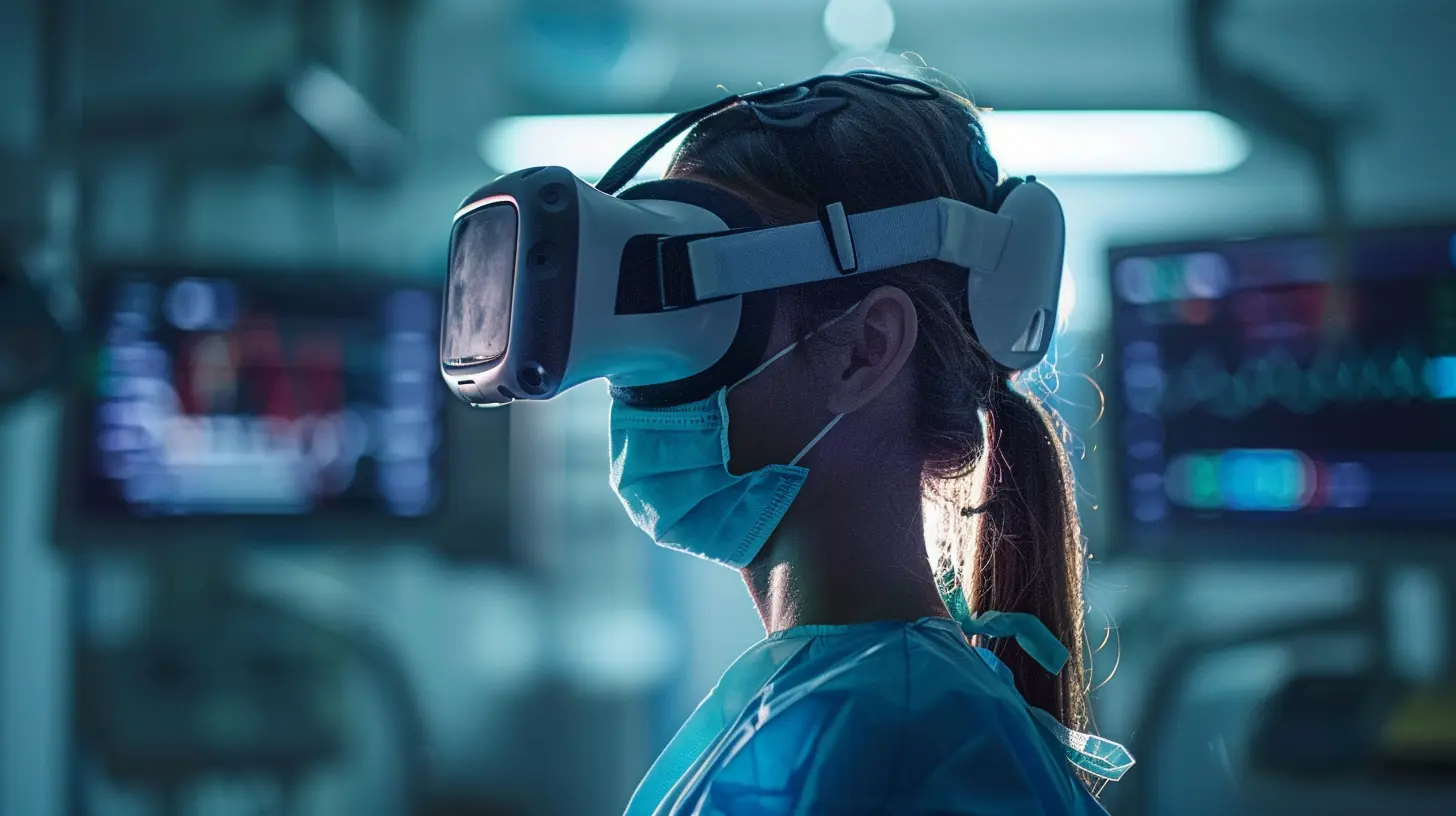
What Exactly Is Virtual Reality?
Let’s start with the basics. Virtual Reality is a computer-generated simulation of an environment that you can interact with using special equipment—usually a headset with goggles and sometimes gloves or handheld controllers.Once you're "in" the VR environment, your brain starts to trick itself into reacting as though what you're seeing and feeling is real. It’s sort of like dreaming while you’re awake, but with science behind it.
Crazy, right?
Chronic Pain: The Unseen Battle
Before we talk about how VR helps, let’s understand the beast it’s facing.Chronic pain is no joke. It’s not just a sore back or a headache that won’t go away. Chronic pain lasts for weeks, months, or even years—and can be caused by conditions like arthritis, fibromyalgia, nerve damage, or even appear without any identifiable source (which is super frustrating for patients and doctors alike).
What makes it worse? Traditional pain treatments—like medications, physical therapy, and injections—don’t always work. And opioids? Well, they come with their own scary risks like addiction and overdose.
So yeah, we need a better approach.
Enter Virtual Reality: The Game-Changer
Here’s the fun part: VR doesn’t just take your mind off of pain—it literally changes how your brain processes it. Yup, your brain can be trained to feel less pain.Let’s unpack that.
1. VR as a Powerful Distraction
Have you ever noticed how time flies when you’re completely absorbed in something fun? Like binge-watching your favorite show or playing a video game? That same concept works with VR.When you’re immersed in a virtual world—say, floating through space or exploring a serene beach—your brain has less “bandwidth” left to process pain signals. It's like turning the volume down on pain because your attention is dialed up somewhere else.
In fact, studies have shown that VR can significantly reduce acute pain, such as during wound care or dental procedures. And guess what? Those same distraction techniques are being adapted for chronic pain now.
2. Retraining the Brain Through Neuroplasticity
Here's a fun word: neuroplasticity. It’s the brain's ability to rewire itself by forming new neural connections. And it’s a big deal when it comes to pain.When someone experiences chronic pain, their brain can basically get "stuck" in pain mode. The nerve pathways get overused, kind of like a broken record looping the same painful tune.
VR can help retrain those pathways.
How? By repeatedly exposing patients to movements and environments that are normally painful—but without the pain—VR helps "convince" the brain that it doesn’t have to react so strongly. Over time, this can reduce the intensity and even the existence of chronic pain.
Mind blown yet?
3. Guided Therapy in Virtual Worlds
Imagine this: You're putting on a VR headset and suddenly, you're on a mountaintop guided by a calming voice, helping you breathe through pain, stretch your body, or meditate.That’s the beauty of VR-based therapy.
Programs are being developed that combine elements of cognitive behavioral therapy (CBT), mindfulness, breathwork, and body awareness—all inside a virtual environment that enhances engagement and relaxation. No more dull therapy sessions or boring lectures. VR makes healing interactive and enjoyable.
Best part? You can do it from the comfort of your living room.
4. Biofeedback + VR = Next-Level Pain Control
Here’s where things get even cooler.Some VR systems are now integrating biofeedback—a technique that helps you become aware of and control bodily functions like heart rate, breathing, and muscle tension. When used with VR, it’s like giving you a superpower to monitor your body and adjust things in real-time to ease your pain.
Imagine seeing your heart rate slow down in real time as you practice breathing exercises in a virtual rainforest. Not only do you feel more in control, but your brain starts associating these calming responses with less pain.
Talk about turning pain management into an adventure!
What Research Is Saying So Far
Still skeptical? Fair enough. Let’s peek at what the researchers are saying.A growing number of studies show that VR is indeed effective in helping reduce chronic pain from conditions like:
- Fibromyalgia
- Chronic lower back pain
- Phantom limb pain (after amputations)
- Complex Regional Pain Syndrome
- Burn-related nerve damage
One 2020 clinical study published in JMIR Pain reported that participants who used VR therapy daily for three months experienced significant decreases in chronic pain intensity compared to those who didn’t.
Another study in The Lancet found VR therapy led to improved mobility and function for people with musculoskeletal chronic pain.
So science? Totally on board.
VR vs Traditional Treatments: A Friendly Comparison
| Treatment Type | Pain Relief | Risks | Accessibility | Engagement | Long-Term Benefit ||----------------|-------------|---------------|---------------|------------|-------------------|
| Medications | Moderate | Addiction, Side Effects | Moderate (prescribed) | Low | Low to Moderate |
| Physical Therapy| Moderate to High | Minimal | Dependent on location | Moderate | High |
| VR Therapy | Moderate to High | Minimal | Growing rapidly | High | High |
VR isn’t about replacing traditional treatments but enhancing and personalizing them. Plus, it’s non-invasive, doesn’t involve drugs, and is actually… fun?
Challenges to Widespread Adoption
Of course, it’s not all sunshine and rainbows.Let’s talk real for a second—there are still some hurdles:
- Cost: The tech isn’t free, and high-quality VR headsets can be pricey.
- Accessibility: Not every doctor or therapist is trained in VR applications… yet.
- Motion Sickness: Some users may feel dizzy or nauseated, especially at first.
- Consistency: Users need to stick with it regularly to see results—kind of like exercise.
But like any emerging tech, these issues tend to shrink with time as innovation grows and prices drop.
Who’s Already Using VR for Pain Relief?
You’d be surprised at the number of places already using VR in clinics and hospitals:- Cedars-Sinai in Los Angeles has a whole VR pain management program.
- Stanford University is conducting extensive research and trials.
- Children’s hospitals use VR to help kids with burns and chronic conditions feel less discomfort.
- Physical therapists are combining VR with movement training for injury recovery.
It’s not just a trend—it’s happening now.
The Future Is Bright (and Virtual!)
Looking ahead, it’s not far-fetched to imagine VR headsets being as common in doctor’s offices as stethoscopes. As the technology becomes more affordable and the research grows stronger, more chronic pain sufferers may find real, lasting relief in virtual spaces.We’re talking personalized programs, AI-driven feedback, and even community-based VR support groups (yes, virtual group hugs coming your way!).
Is VR Pain Relief Right for You?
If you or someone you love is struggling with chronic pain, it’s worth chatting with a healthcare provider about VR options. Whether it’s part of a full treatment plan or a fun supplemental tool, the potential is enormous.And hey—who wouldn’t want the chance to fight pain while climbing virtual mountains or swimming in coral reefs?
Final Thoughts
Chronic pain can feel like a prison—a never-ending loop of discomfort and coping. But VR is offering a window into freedom, creativity, and healing.It’s not about pretending the pain doesn’t exist. It’s about giving your brain new tools and new experiences so it can learn a different story about your body.
The future of chronic pain treatment? It might just be found in a headset near you.
all images in this post were generated using AI tools
Category:
Chronic PainAuthor:

Angelo McGillivray
Discussion
rate this article
2 comments
Tempra McGowan
This article highlights a promising frontier in pain management. The potential of virtual reality to offer relief for chronic pain is exciting, yet it also raises questions about accessibility and the long-term effectiveness of such treatments. As we explore these innovations, we must ensure they complement traditional therapies for holistic care.
December 6, 2025 at 3:40 AM
Angelo McGillivray
Thank you for your thoughtful comment! I completely agree—while virtual reality shows great promise in pain management, addressing accessibility and ensuring it complements traditional therapies will be crucial for holistic care.
Peyton Barlow
Exciting insights! Virtual reality could be a game-changer for chronic pain treatment—looking forward to more innovations!
December 4, 2025 at 3:50 PM
Angelo McGillivray
Thank you! We're excited about the potential of virtual reality to transform chronic pain management. Stay tuned for more developments!