How Your Daily Makeup Routine Impacts Your Skin Health
16 October 2025
Makeup has become an essential part of many people’s daily routine. Whether it’s a quick touch of mascara or a full face of foundation, makeup helps enhance our features and boost confidence. But have you ever stopped to wonder how your daily makeup routine is affecting your skin health?
Believe it or not, the products you use, how often you wear makeup, and even how you remove it at the end of the day all play a role in your skin's overall well-being. If you’re not careful, your beloved beauty routine could be doing more harm than good.
Let’s dive deep into the connection between makeup and skin health and how you can make better choices for a glowing, healthy complexion. 
The Hidden Effects of Makeup on Your Skin
Wearing makeup daily can have both positive and negative effects on your skin. While some products provide hydration and sun protection, others clog pores and trigger breakouts. Here's what makeup really does to your skin over time.1. Clogged Pores and Acne Breakouts
Heavy foundations, concealers, and powders can trap dirt, oil, and bacteria in your skin. Over time, this buildup leads to clogged pores, which can cause blackheads, whiteheads, and even painful cystic acne.If you have oily or acne-prone skin, using comedogenic (pore-clogging) makeup products can worsen your condition. Always check the labels for "non-comedogenic" products to reduce the risk of breakouts.
2. Premature Aging and Fine Lines
Makeup might enhance your appearance now, but in the long run, it could be speeding up the aging process. Many cosmetics contain harsh chemicals, alcohol, and fragrances that dry out your skin. When your skin lacks moisture, fine lines and wrinkles become more noticeable.Additionally, constantly tugging and pulling at your skin while applying or removing makeup can weaken your skin’s elasticity, making it more prone to sagging over time.
3. Increased Sensitivity and Skin Irritation
If you’ve ever experienced redness, itching, or irritation after applying makeup, your skin might be reacting to certain ingredients. Many cosmetic products contain allergens, preservatives, and synthetic dyes that can trigger allergic reactions or cause contact dermatitis—especially if you have sensitive skin.Always patch-test new makeup products before applying them to your face. Your skin will thank you later!
4. Disrupting the Skin’s Natural Barrier
Your skin has a natural barrier that helps retain moisture and fight off bacteria. Unfortunately, excessive use of makeup—especially products with harsh chemicals—can strip away this protective layer.When this happens, your skin may become drier, more sensitive, and more prone to infections. Using makeup with hydrating ingredients like hyaluronic acid can help maintain your skin's barrier. 
The Role of Makeup Removal in Skin Health
No matter how expensive or high-quality your makeup is, leaving it on overnight is a recipe for disaster. Removing your makeup properly is just as important as the products you use.1. Sleeping with Makeup On: A Skincare Nightmare
We’ve all been guilty of crashing into bed without washing off our makeup at least once in our lives. But doing this regularly can wreak havoc on your skin.Your skin repairs itself while you sleep, and if you leave makeup on, it prevents this natural regeneration process. The result? Clogged pores, dull complexion, and faster aging.
2. Harsh Makeup Removers Can Do More Harm Than Good
Some makeup removers contain alcohol and other harsh chemicals that strip your skin’s natural oils. Instead of using aggressive cleansers, opt for gentle micellar water, cleansing balms, or oil-based makeup removers that effectively dissolve makeup without irritating your skin.3. Double Cleansing: A Must for Daily Makeup Wearers
Double cleansing is a game-changer if you wear makeup daily. The first cleanse removes makeup, sunscreen, and excess oil, while the second cleanse deep-cleans your pores.A good double-cleansing routine includes:
1. First cleanse: Use an oil-based cleanser or micellar water to break down makeup.
2. Second cleanse: Use a gentle foaming or gel-based cleanser to remove any remaining residue.
This ensures that no makeup is left sitting on your skin overnight. 
How to Keep Your Skin Healthy While Wearing Makeup
Worried that your daily makeup routine is harming your skin? Don’t panic! You don’t have to give up makeup entirely—just make some smart adjustments.1. Opt for Skin-Friendly Makeup Products
Choose makeup that benefits your skin rather than harms it. Look for products with skin-loving ingredients such as:- Hyaluronic acid (for hydration)
- Niacinamide (to reduce redness and irritation)
- Vitamin C (for brightening and antioxidant protection)
- Zinc oxide or titanium dioxide (for sun protection)
Avoid products with parabens, artificial fragrances, and alcohol, as these can be drying or irritating.
2. Give Your Skin a Break
It’s okay to go makeup-free once in a while! Let your skin breathe and recover by skipping makeup at least a couple of days a week. If you're staying home, embrace your bare skin.3. Clean Your Makeup Brushes and Sponges Regularly
Dirty makeup brushes and sponges are breeding grounds for bacteria. If you’re constantly applying makeup with unclean tools, you’re essentially spreading bacteria all over your face.Here’s how often you should clean them:
- Foundation and concealer brushes: Every week
- Eyeshadow brushes: Every two weeks
- Sponges and beauty blenders: Every 3-4 days
Use a gentle brush cleanser or baby shampoo to keep your brushes clean and bacteria-free.
4. Hydrate and Moisturize Religiously
Makeup can dry out your skin, especially if you use powders or matte foundations. Combat this by moisturizing your skin daily. Well-hydrated skin looks healthier and helps makeup apply smoother.Look for moisturizers with ingredients like ceramides, glycerin, and squalane for extra hydration.
5. Never Skip Sunscreen
If you wear makeup daily, sunscreen should be non-negotiable. Many foundations contain SPF, but they’re not enough to provide full protection. Use a separate broad-spectrum sunscreen (SPF 30 or higher) underneath your makeup every day.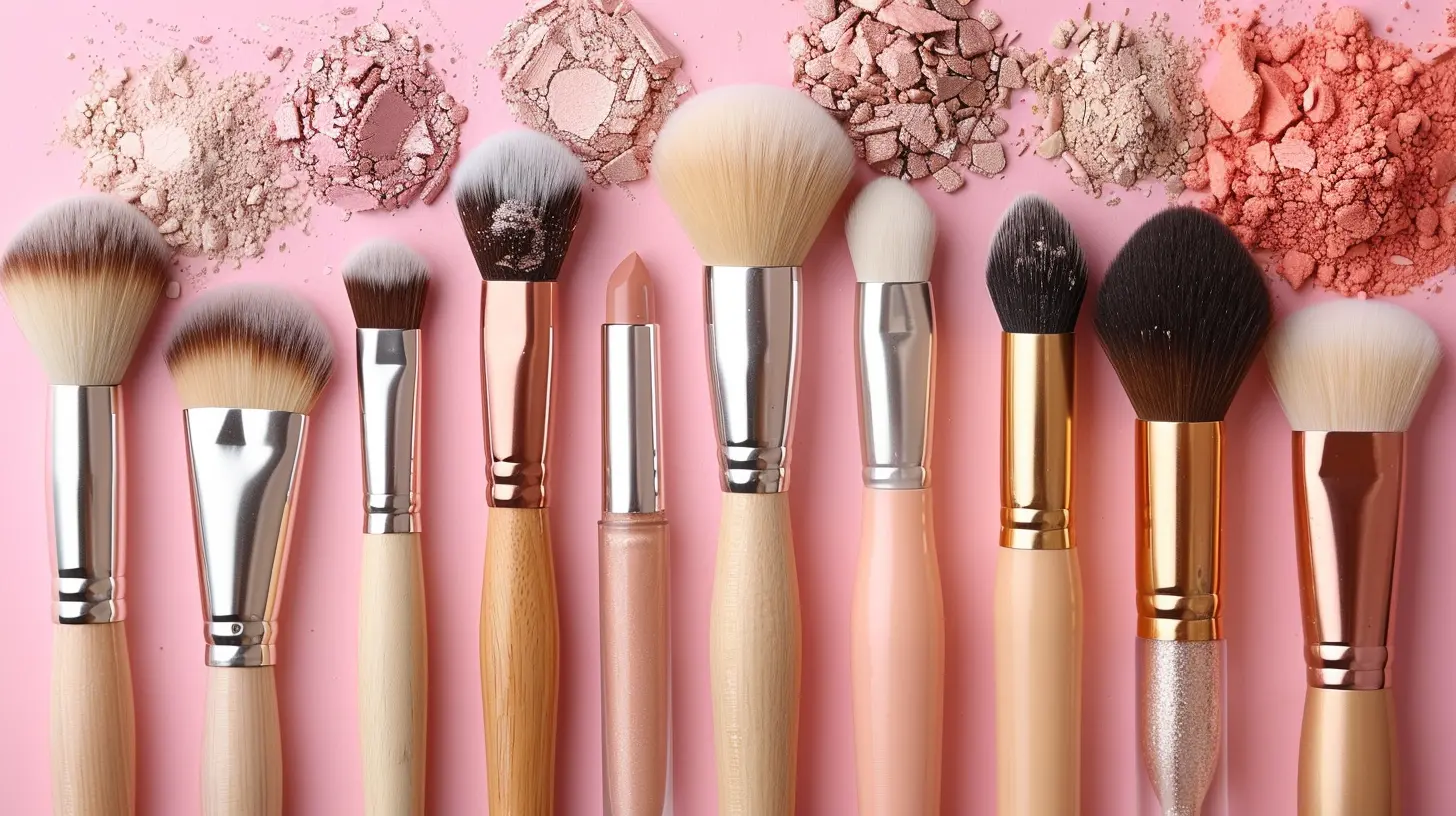
Final Thoughts: Balance is Key
Makeup is an amazing tool, but when worn daily, it can take a toll on your skin if not used and removed properly. The key to maintaining both a flawless makeup look and healthy skin is balance.By choosing the right products, practicing good hygiene, and following a solid skincare routine, you can enjoy makeup without sacrificing your skin’s health. Always listen to your skin—it will tell you what it needs.
So, the next time you reach for that foundation or lipstick, remember: your skin deserves just as much love as your makeup collection!
all images in this post were generated using AI tools
Category:
Skin CareAuthor:

Angelo McGillivray
Discussion
rate this article
1 comments
Carmen Blevins
Daily makeup use can disrupt skin balance; choosing non-comedogenic products is crucial for maintaining skin health.
October 27, 2025 at 5:06 PM
Angelo McGillivray
Thank you for your insightful comment! You're absolutely right; using non-comedogenic products is essential for preserving skin balance and health while maintaining a daily makeup routine.