How Your Sleeping Position Affects Your Health
3 June 2026
We all know sleep is essential for overall well-being. But did you know that your sleeping position can impact your health in surprising ways? Whether you curl up like a baby, lay flat on your back, or sprawl across the bed like a starfish, the way you sleep can influence everything from posture and digestion to breathing and joint pain.
So, what’s the best sleeping position? And which one is secretly sabotaging your health? Let’s dive deep into how your sleeping posture can shape your well-being.
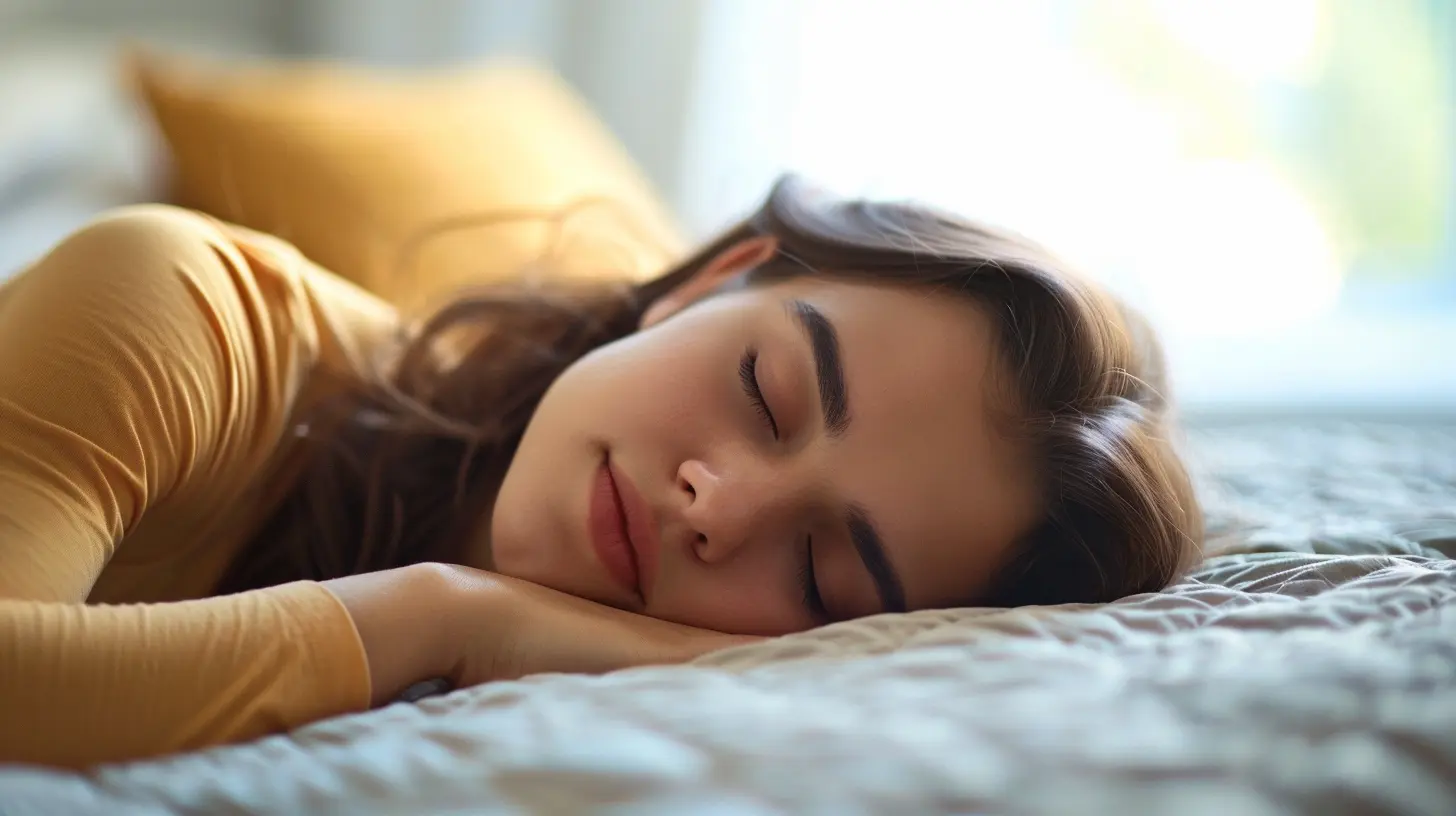
Why Your Sleeping Position Matters
The average person spends about one-third of their life asleep. That means your body is in the same position for several hours every night. Just like sitting with bad posture during the day can cause pain and discomfort, your sleeping position can have long-term effects on your body—both good and bad.It can affect your:
✔️ Spinal alignment
✔️ Breathing and snoring
✔️ Blood circulation
✔️ Digestive health
✔️ Joint and muscle pain
Now, let’s break down the most common sleeping positions and how each one affects your health. 
1. Sleeping on Your Back (Supine Position)
Pros:
✅ Best for spine and neck alignment✅ Reduces acid reflux and heartburn
✅ Prevents facial wrinkles and skin breakouts
Cons:
❌ Increases snoring and sleep apnea risk❌ Can cause back pain if the mattress isn't supportive
Is sleeping on your back good for you? Absolutely! This position keeps your spine aligned, reducing the risk of neck or back pain. It also helps prevent wrinkles (because your face isn’t smushed into a pillow all night).
However, if you snore or suffer from sleep apnea, this might not be the best position for you. When you lie on your back, gravity pulls your tongue backward, partially blocking your airway. This can lead to louder snoring and interrupted sleep.
Pro Tip:
If you love sleeping on your back but struggle with snoring, try using a pillow that elevates your head slightly to keep your airway open.
2. Sleeping on Your Side (Lateral Position)
Pros:
✅ Great for reducing snoring and sleep apnea✅ Best for digestion and reducing acid reflux
✅ Ideal for pregnant women
✅ Supports spinal alignment
Cons:
❌ Can cause shoulder and hip pain❌ May lead to facial wrinkles over time
This is one of the most popular sleeping positions and for good reason. It’s particularly beneficial for:
✔️ People who snore – Side sleeping prevents the tongue from blocking your airway.
✔️ Pregnant women – Left-side sleeping improves circulation for both mom and baby.
✔️ People with acid reflux – Laying on your left side can reduce heartburn and improve digestion.
However, if you sleep on one side for too long, you might wake up with shoulder or hip pain. A good-quality mattress and a pillow between your knees can help distribute weight evenly and reduce pressure points.
Left vs. Right Side: Which Is Better?
Experts recommend sleeping on your left side because it’s better for digestion and circulation. Sleeping on your right side may worsen acid reflux and put extra pressure on the liver.
3. Sleeping in the Fetal Position
Pros:
✅ Comfortable and stress-relieving✅ Good for lower back pain
✅ Reduces snoring
Cons:
❌ Can restrict deep breathing❌ May cause joint stiffness over time
The fetal position (curled up like a baby) is one of the most common sleeping positions. It’s cozy, stress-relieving, and helps reduce snoring. If you suffer from lower back pain, tucking your knees slightly toward your chest can help relieve pressure.
But here's the catch—if you curl up too tightly (like a pretzel), it can restrict deep breathing and stiffen joints over time. Try to keep your body slightly stretched out to avoid unnecessary strain.
4. Sleeping on Your Stomach (Prone Position)
Pros:
✅ May reduce snoring and improve breathingCons:
❌ Bad for spine, neck, and joint health❌ Can cause numbness and tingling in arms
❌ Increases facial wrinkles and acne
Sorry stomach sleepers, but this is considered the worst sleeping position for overall health. Sleeping on your stomach puts your spine in an unnatural position, leading to neck pain, lower back pain, and numbness in your arms or hands.
Not to mention, pressing your face into the pillow all night increases wrinkles and breakouts!
If you can’t give up stomach sleeping, consider using a thin pillow or none at all to reduce neck strain.
How To Improve Your Sleeping Position
Maybe you’ve realized your favorite sleeping position isn’t doing your health any favors. No worries! You don’t have to make drastic changes overnight.Here are some easy ways to transition to a healthier sleeping posture:
? Use supportive pillows – A pillow between your knees (side sleeping) or under your lower back (back sleeping) can help with comfort.
? Upgrade your mattress – A good mattress provides proper spinal alignment and prevents pressure points.
? Slowly adjust your position – If you’re a stomach sleeper, try resting on your side with a body pillow for support.
? Stretch before bed – Gentle stretches can help loosen tight muscles and ease into a better sleeping position.
Final Thoughts
The way you sleep has a major impact on your health. While back and side sleeping are generally the best for spinal alignment and breathing, stomach sleeping can wreak havoc on posture.If you’re waking up with aches, pains, or poor sleep quality, it might be time to rethink your sleeping position. Small changes—like adjusting your pillow or practicing better posture—can make a huge difference in how rested and pain-free you feel each morning.
So, what's your go-to sleeping position? Is it helping or hurting your health? It might be time for a little sleep makeover!
all images in this post were generated using AI tools
Category:
Sleep DisordersAuthor:

Angelo McGillivray
Discussion
rate this article
2 comments
Genevieve Franklin
Sleep's embrace molds our health; find your position, let dreams arise.
July 23, 2026 at 4:30 AM
Angelo McGillivray
Absolutely, the right sleeping position can significantly impact our well-being. It's fascinating how much our sleep can shape our health.
Vito McInnes
The article effectively highlights how sleeping positions impact health, addressing issues like neck pain and sleep apnea. It's insightful to note that side sleeping may reduce snoring and improve circulation, making it a preferable option for many individuals.
June 3, 2026 at 3:36 AM
Angelo McGillivray
Thank you for your feedback! I'm glad you found the insights on sleeping positions helpful, especially regarding side sleeping. Your health truly can be influenced by how you rest.