Hydration Tips for Cardio Enthusiasts
14 May 2026
Staying hydrated isn't just about quenching your thirst—it's about fueling your body for peak performance. Whether you're a runner, cyclist, or HIIT junkie, proper hydration can make or break your workout. But it's not just about chugging water—hydration is a science, and getting it right can enhance endurance, prevent fatigue, and even speed up recovery.
So, how much water do you actually need? What about electrolytes? And how can you ensure you're not over- or under-hydrated? Let’s dive into the ultimate hydration guide for cardio lovers. 
Why Hydration is Crucial for Cardio
Water is your body's best friend, especially when you're sweating buckets during a long run or intense spin class. Here’s why hydration plays a key role in cardio workouts:- Regulates Body Temperature: Sweating is your body's natural way of cooling down. But without enough fluids, your cooling system fails, putting you at risk for overheating.
- Prevents Muscle Cramps: Dehydration can cause painful muscle cramps, cutting your workout short and leaving you sidelined.
- Supports Joint Health: Water helps lubricate your joints, reducing the risk of injury.
- Maintains Energy Levels: Even mild dehydration can lead to fatigue, dizziness, and reduced endurance.
- Enhances Recovery: Proper hydration helps flush out toxins and aids in muscle repair post-workout.
Now that we know why hydration is crucial, let’s break down how to do it right. 
How Much Water Do You Really Need?
The “8 glasses a day” rule is a good starting point, but when you’re sweating through intense cardio sessions, you’ll need more than that.General Guidelines for Athletes:
- Before Exercise: Drink 16-20 oz of water 2 hours before your workout.- During Exercise: Sip 4-8 oz every 15-20 minutes, depending on sweat loss.
- After Exercise: Replenish with 24 oz per pound of body weight lost through sweat.
A simple way to check your hydration status? Look at your urine. If it's pale yellow, you're good to go. Dark yellow or amber? You need more fluids. 
The Role of Electrolytes
Water alone won’t cut it—especially for longer workouts. When you sweat, you lose critical electrolytes like sodium, potassium, calcium, and magnesium. These minerals keep your muscles firing and your nerves functioning properly.When Do You Need Electrolytes?
- If your workout lasts more than 60 minutes- If you're training in hot, humid conditions
- If you're a heavy sweater (check for salt stains on your clothing)
Best Electrolyte Sources:
- Sports drinks: Convenient, but watch out for added sugars.- Coconut water: A natural alternative with potassium and sodium.
- Electrolyte tablets or powders: Easy to add to your water bottle.
- Salty foods: Pretzels, olives, or a dash of salt in your water can help.
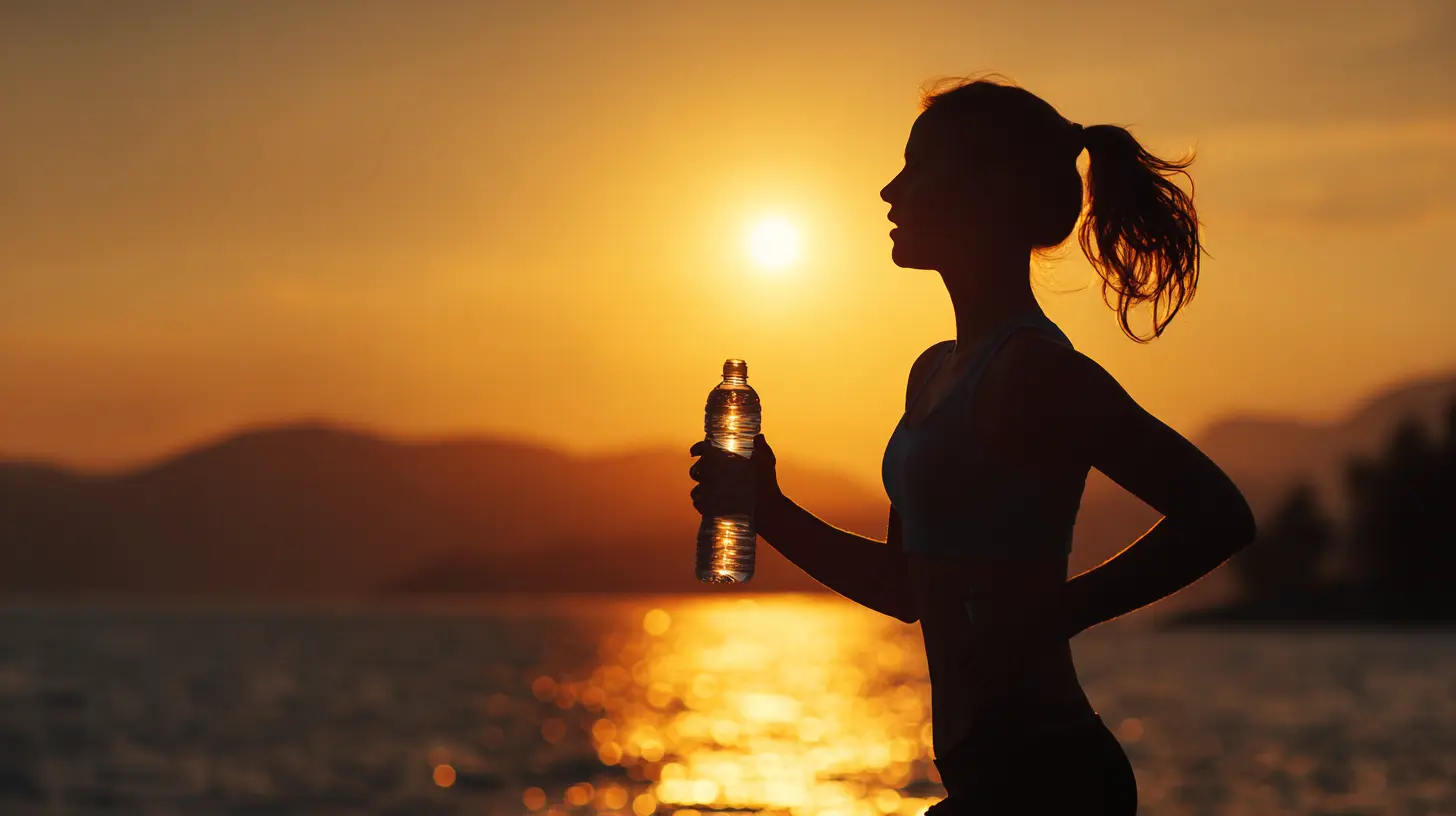
Hydration Mistakes to Avoid
Even the most experienced cardio enthusiasts can make hydration mistakes. Here are the most common blunders—so you can avoid them.❌ Drinking Only When You Feel Thirsty
By the time you're thirsty, you're already dehydrated. Set a schedule to sip water consistently throughout the day.❌ Overhydrating
Yes, too much water can be a problem. Overdrinking can lead to hyponatremia, a dangerous condition where sodium levels drop too low. This can cause nausea, confusion, or even life-threatening complications.❌ Ignoring Electrolytes
Water is great, but if you’re sweating heavily, you need to replace those lost minerals. Otherwise, you risk cramping and fatigue.❌ Relying Solely on Sports Drinks
While electrolytes are important, sports drinks can be loaded with sugar. Stick to electrolyte tablets or natural options when possible.The Best Hydration Strategy for Different Cardio Workouts
Not all cardio is the same, and your hydration needs will vary depending on the type of workout you’re doing.?♂️ Running
Long-distance runners need to hydrate before, during, and after their runs. Carry a hydration belt or handheld water bottle if you’re running for over an hour.? Cycling
Cyclists should aim to drink one bottle per hour during long rides. Electrolyte drinks can help replenish lost minerals, especially on hot days.?️ HIIT & Circuit Training
These workouts can be intense, causing rapid sweating. Sip water in between sets and opt for electrolyte drinks if you're training for over an hour.⛹️ Team Sports
If you’re playing high-intensity sports like basketball or soccer, hydration breaks are crucial. Drink water at every opportunity and refuel with electrolytes post-game.Smart Hydration Tips for Everyday Life
Hydration doesn’t just happen during your workouts—it’s an all-day effort. Here’s how to stay ahead:✅ Carry a Reusable Water Bottle
If it’s with you, you’re more likely to drink. Simple as that.✅ Eat Hydrating Foods
Fruits and veggies like watermelon, cucumbers, and oranges can boost your hydration levels.✅ Set Hydration Reminders
Use an app or alarms to remind yourself to drink throughout the day.✅ Listen to Your Body
Cravings for salty foods? Feeling fatigued? These can be signs that your hydration balance is off. Pay attention!✅ Start Your Day with Water
Before reaching for coffee, drink a glass of water to kickstart hydration.Final Thoughts
Hydration is more than just drinking water—it’s about keeping your body balanced, energized, and ready for cardio success. By following these hydration strategies, you’ll improve endurance, prevent dehydration, and recover faster.So, next time you lace up your running shoes or hop on your bike, make sure a solid hydration plan is part of your routine. Your body will thank you!
all images in this post were generated using AI tools
Category:
CardioAuthor:

Angelo McGillivray
Discussion
rate this article
2 comments
Kiera Weber
Staying hydrated is like giving your body a big high-five during cardio! Remember, water is your best workout buddy. Keep a bottle close, sip often, and let those endorphins flow while you crush those miles... You got this!
June 20, 2026 at 3:19 AM
Angelo McGillivray
Absolutely! Hydration is key to maximizing your cardio performance. Keep that water bottle handy and enjoy the boost. You've got this too!
Fallon McElroy
Great tips! Proper hydration really makes a difference in performance and recovery during cardio.
May 18, 2026 at 3:44 PM
Angelo McGillivray
Thanks for your feedback! I'm glad you found the tips helpful. Hydration truly is key for optimal performance and recovery.