Identifying Triggers: How to Reduce Flare-Ups in Chronic Pain
10 June 2026
Living with chronic pain is like walking on a tightrope—every step has to be calculated, the balance always maintained. But what happens when something tilts the rope? Pain flares up, and suddenly you're off balance. That’s where identifying your triggers can make all the difference.
Whether it’s arthritis, fibromyalgia, back pain, or another chronic condition, flare-ups can turn a bearable day into one you just want to sleep through. But here's the good news: chronic pain doesn’t always have to call the shots. Let’s dive into how you can find what’s setting off your pain—and how to stay one step ahead of it.
What Are Chronic Pain Flare-Ups, Anyway?
A flare-up is when your pain suddenly intensifies—it’s as if someone turned the volume up without warning. This spike might last a few hours, days, or even longer, depending on what’s behind it. While pain is a constant visitor in the lives of many, flare-ups are the uninvited guests that overstay their welcome.It’s important to note that flare-ups aren’t always predictable. But more often than not, they’re triggered by something specific. And figuring out what that “something” is? That’s the game-changer.
Why It's Crucial to Identify Triggers
Imagine you're trying to drive across a bumpy road in the dark. You hit pothole after pothole because you can’t see them. That’s what managing chronic pain without identifying triggers feels like.But when you learn what’s causing those dips—stress, weather, a lack of sleep, poor diet—you can start paving over the road. And that means fewer flare-ups and more control over your day-to-day life.
Knowing your triggers allows you to:
- Anticipate flare-ups
- Reduce their frequency and severity
- Improve your quality of life
- Feel more empowered in your pain management journey
So, where do you start?
Common Chronic Pain Triggers (That Might Be Sneaking Up on You)
Everyone’s body reacts differently, but many chronic pain sufferers tend to have similar troublemakers. Let’s break down the usual suspects.1. Stress — The Silent Aggravator
Stress is sneaky. It creeps in without a sound and leaves your muscles tense, your mind on overdrive, and your pain dialed up. When your body is under stress, it produces more cortisol—a hormone that can boost inflammation and worsen pain.Ever notice how a particularly chaotic week at work leads to more back pain or stiff joints? That’s no coincidence.
What you can do:
- Practice mindfulness or meditation daily
- Try deep breathing exercises
- Journal to get thoughts out of your head and onto paper
- Say “no” more often (your mental health deserves boundaries)
2. Weather Changes — Yes, It’s a Real Thing
You’re not imagining it. Changes in barometric pressure, humidity, or temperature can mess with your joints and muscles. Cold weather tends to stiffen you up, while a drop in pressure might increase swelling in your tissues.What you can do:
- Stay warm and layer up in chilly climates
- Use heating pads on affected areas
- Track weather changes alongside your symptoms
3. Lack of Sleep — The Vicious Cycle
Here’s the catch: pain keeps you from sleeping, and lack of sleep worsens pain. It’s a cruel cycle. Your body heals while you sleep, and without enough rest, your nervous system becomes more sensitive to pain.What you can do:
- Create a bedtime routine (no screens an hour before bed)
- Keep your room cool, dark, and quiet
- Avoid caffeine and alcohol close to bedtime
- Talk to your doctor if insomnia is a constant struggle
4. Certain Foods — More Than Just a Tummy Ache
Some foods have been linked to increased inflammation, which can spike pain. These can include:- Processed sugars
- Trans fats
- Red meat
- Dairy products
- Caffeinated beverages
Everyone reacts differently, so keeping a food diary is a solid first step.
What you can do:
- Test out an anti-inflammatory diet (rich in veggies, lean protein, omega-3s)
- Drink more water
- Cut back on soda and packaged snacks
5. Overdoing It — Or Doing Nothing At All
It’s tempting to “make the most” of a good day. But doing too much can lead to a crash. On the flip side, not moving enough can lead to muscle stiffness and weakness, making everything worse.What you can do:
- Pace yourself—even on good days
- Incorporate gentle movement (like yoga, walking, or swimming)
- Stretch daily
- Listen to your body before it screams at you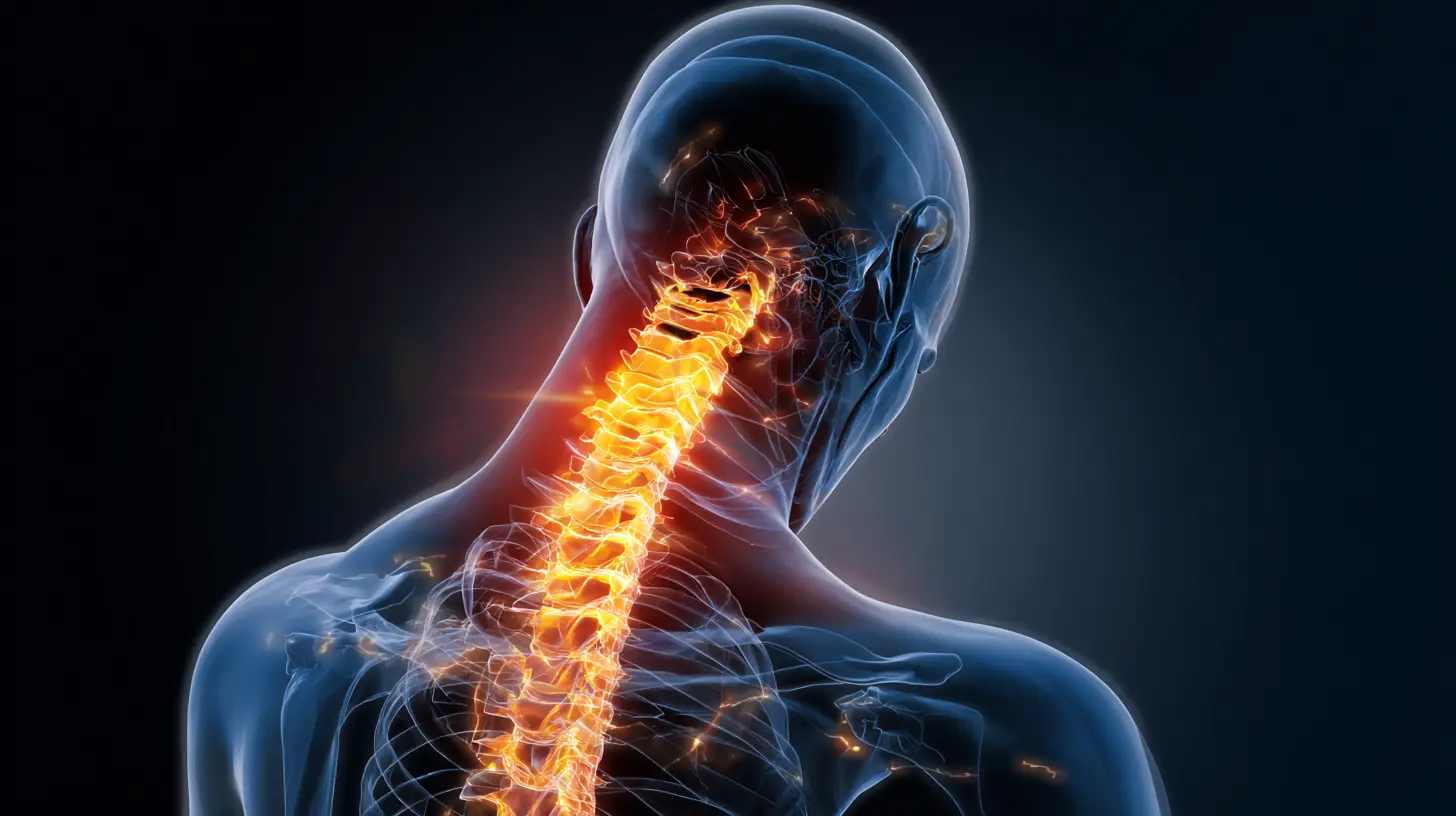
Keeping Track: How to Spot Your Personal Triggers
The key to managing chronic pain is being your own detective. A pain journal might sound a little old school, but it works. Writing things down helps you connect the dots.What to Include in Your Pain Journal:
- Pain levels (use a 1-10 scale)- Activities done that day
- Foods eaten
- Sleep quality
- Stress levels
- Weather observations
After a few weeks, patterns will start emerging. You might notice flare-ups happen after a bad night of sleep or when it rains. That kind of insight is golden.
There are also apps that can help you track these factors, like:
- MyPainDiary
- Curable
- Flaredown
Consistency is everything. Don’t skip a day if you can help it—it's all part of the puzzle.
The Role of Mental Health in Pain Triggers
You’re not just a body in pain—you’re a whole person. Emotions, mental health, and mindset all play a role in how you perceive and manage pain.For instance, depression and anxiety can amplify pain signals in your brain. When you’re emotionally drained, your tolerance for discomfort drops. That’s why flare-ups often feel worse during emotionally rough patches.
How to Support Mental Health:
- Talk to a therapist familiar with chronic conditions
- Join a support group (in-person or online)
- Try cognitive behavioral therapy (CBT)
- Lean on friends and family
Just having someone listen can be powerful medicine.
What To Do When a Flare-Up Strikes
Despite your best efforts, sometimes flare-ups still happen. So what do you do in the moment?Think of flare-up management like an emergency survival kit. You want to have it ready before the storm hits.
Your Flare-Up Toolkit Might Include:
- Heat or cold packs- Pain-relief creams or medications
- Gentle stretching routines
- Guided meditation or breathing apps
- Favorite distractions (a comfort show, a good book, soft music)
And most importantly—give yourself permission to rest. This isn’t laziness; it’s strategic healing.
Partnering With Your Healthcare Provider
Self-awareness is powerful, but you don’t have to go it alone. A doctor, physical therapist, or pain specialist can provide tailored strategies that complement your observations.Bring your pain journal to appointments. It shows initiative and gives your provider better information to work with. They may suggest:
- Adjustments to your treatment plan
- Testing for food intolerances
- Medication changes
- Referrals to lifestyle coaches or mental health therapists
Remember—you are the expert on your body. They bring the tools, but you're the one who knows what hurts and what helps.
Wrapping It Up: You’re Not Powerless
Let’s be honest—chronic pain can be exhausting. But identifying your triggers gives you something incredibly valuable: choice. You gain the ability to control what you can, to respond instead of just react.It’s not about eliminating pain entirely, but creating a life where pain doesn’t sit in the driver’s seat. Small changes add up, and even one less flare-up a month is a win worth celebrating.
So, grab that notebook, pay attention to your body, and start connecting the dots. Because the more you understand about your unique pain puzzle, the better you can manage it—and live your life on your own terms.
all images in this post were generated using AI tools
Category:
Chronic PainAuthor:

Angelo McGillivray
Discussion
rate this article
2 comments
Tia Hurst
This is intriguing! What specific triggers have you found most surprising in your own journey with chronic pain?
August 1, 2026 at 4:56 PM
Corinne Flores
This is such an insightful article! I often wonder how personal experiences shape our understanding of triggers. What if we could track them more effectively? I'm curious about the role of diet and stress management in reducing flare-ups. Have any readers found specific strategies that worked for them?
June 13, 2026 at 4:17 AM
Angelo McGillivray
Thanks for your thoughts! Tracking triggers is crucial, and diet and stress management can definitely play a role. I encourage readers to share their strategies. Let's learn from each other!