Managing Restless Leg Syndrome: Causes and Strategies for Better Sleep
1 July 2026
Have you ever found yourself lying in bed, desperate to fall asleep, but your legs just won’t stop moving? That irresistible urge to shift, stretch, or get up and walk around—yeah, that might be Restless Leg Syndrome (RLS). It’s frustrating. It’s exhausting. And honestly, it feels like your body’s playing tricks on you at the worst possible time.
Restless Leg Syndrome is more common than you might think, affecting millions worldwide. Yet, it still seems like one of those conditions people whisper about but rarely understand. Let’s change that. This honest, down-to-earth guide will dig into what causes RLS, how it messes with your sleep, and—most importantly—what you can do about it.
What Exactly Is Restless Leg Syndrome?
Think of RLS as your legs having a mind of their own—especially when you’re trying to relax. It’s a neurological condition that triggers uncomfortable sensations in the legs (and sometimes the arms), usually during the evening or bedtime hours. These sensations bring on an overwhelming urge to move.The feelings? People describe them as crawling, tingling, itching, burning, or like something is buzzing under the skin. Sounds weird, right? But it’s very real—and incredibly disruptive.
The Main Culprits: What Causes Restless Leg Syndrome?
You might be wondering, “Why me?” or “Where did this come from?” Well, RLS isn’t always easy to pin down, but there are a few usual suspects:1. Genetics
Yep, you can thank your family tree. RLS has a hereditary component, meaning it often runs in families. If your parents or siblings have it, your chances go up.2. Iron Deficiency
Iron plays a crucial role in how your body uses dopamine—a brain chemical that helps control muscle movement. Low iron levels can mess with that process, making symptoms worse.3. Chronic Health Conditions
Sometimes RLS is tied to other health issues. Conditions like kidney disease, diabetes, and Parkinson’s disease have all been linked to RLS.4. Medications Can Be Tricky
Some meds—like antihistamines, certain antidepressants, and antipsychotics—can actually trigger or worsen RLS symptoms. If you noticed your legs started acting up after starting a new prescription, it’s worth having a chat with your doctor.5. Pregnancy
Many pregnant women experience RLS, especially in the last trimester. The good news? It usually fades after delivery. The not-so-good news? It can make those already uncomfortable nights even harder.6. Lifestyle Triggers
Excessive caffeine, alcohol, smoking, and poor sleep hygiene can also make RLS worse. Basically, all the fun things—but don’t worry, balance is still possible!
How RLS Wreaks Havoc on Your Sleep
Imagine trying to fall asleep while your legs feel like they’re itching from the inside out. That’s the nightly reality for many people with RLS. It delays the onset of sleep, interrupts your rest throughout the night, and leaves you drained the next day.Lack of sleep doesn’t just lead to crankiness. It affects your mood, focus, and overall physical health. Over time, it can even lead to anxiety and depression—especially if you feel like no one gets what you're going through.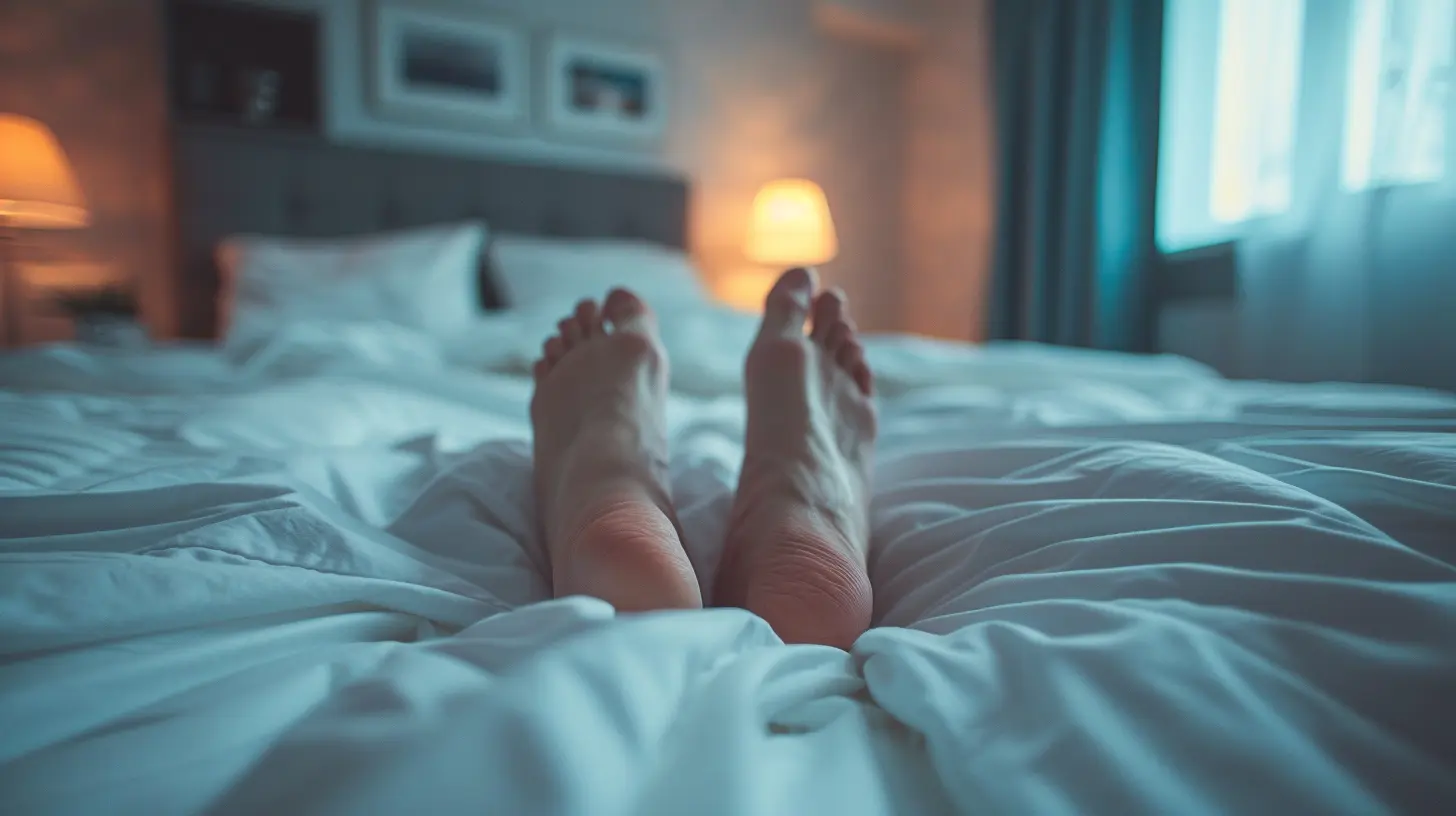
Common Signs You're Dealing with RLS
Still not sure if it’s RLS? Here are some classic red flags:- A strong urge to move the legs, usually accompanied by strange sensations.
- Symptoms get worse at night or during long periods of rest.
- Temporary relief when you move, walk, or stretch.
- Symptoms come and go, but they often get worse over time.
If you’re nodding along to most of these, it’s a good sign that RLS might be the culprit.
So... What Can You Do About It?
Let’s get to the meat of the matter—how do you manage Restless Leg Syndrome and take back your sleep? The good news is, you’ve got options. Some involve lifestyle tweaks; others might need support from your doctor. Here’s what works for a lot of folks:Lifestyle Strategies You Can Start Right Now
1. Build a Sleep Routine You Love
Your body loves routine. Try going to bed and waking up at the same time every day—even on weekends. Add in some calming rituals, like a warm bath, light stretching, or reading. Avoid screens at least an hour before bed. Your legs (and brain) will thank you.2. Get Moving (But Not Right Before Bed)
Regular exercise can reduce RLS symptoms over time. Focus on gentle, consistent movement like yoga, walking, or swimming. But don’t overdo it—too much or too intense a workout can actually trigger symptoms.3. Dial Back the Caffeine and Alcohol
As hard as it might be, cutting back on coffee, energy drinks, wine, and beer—especially in the evening—can make a big difference. Try experimenting with the timing and amount to see what works best for your body.4. Try Hot and Cold Therapies
Some people swear by alternating hot and cold packs on their legs. Others love warm baths with Epsom salts. There’s no one-size-fits-all, so try a couple of approaches and see what brings you relief.5. Massage and Stretch
A good leg massage or some light stretching before bed can do wonders. Think of it as telling your legs, “Hey, it’s bedtime now. Let’s chill.”When Lifestyle Changes Aren’t Enough
Sometimes, no matter how many baths you take or screens you avoid, the RLS fight continues. That’s when it’s time to bring in reinforcements.1. Talk to Your Doctor
Open up about your symptoms, even if they sound strange. RLS is real, and it’s treatable. Your doctor can check for underlying causes (like iron deficiency) or review your medications to rule out triggers.2. Iron Supplementation
If low iron is part of the problem, iron supplements might help. But don’t start dosing yourself without getting your iron levels checked first. Too much iron can be harmful, so let the pros handle this one.3. Prescription Medications
If symptoms are severe, prescription medications might be necessary. These include dopamine agonists, anticonvulsants, or opioids in more serious cases. The goal? Reduce your symptoms so you can finally sleep again.Alternative and Natural Remedies
Looking for more natural options? Here are a few worth considering:1. Magnesium Supplements
Some studies suggest magnesium may help with muscle relaxation. Again, chat with your doctor first before adding any supplements.2. CBD and Medical Cannabis
A growing number of people report relief from RLS symptoms using CBD oil or medical cannabis. Research is still catching up, but it’s worth discussing with a knowledgeable provider if you’re curious.3. Acupuncture
While evidence is limited, some people find relief through acupuncture or acupressure. If you're open to holistic approaches, it might be worth a shot.Tracking Your Triggers
Sometimes the trick lies in noticing patterns. Keep a journal where you track your daily habits—what you eat, drink, do for exercise, and how your symptoms behave. Over time, you might spot clues about what helps and what hurts.Living with RLS: The Mental Game
Let’s be real—living with Restless Leg Syndrome can feel isolating. People don’t always get how something as “simple” as leg discomfort can throw your life off balance.It helps to connect with others. Online support groups or forums can be a game-changer. You’re not alone in this—and sharing your story can be both healing and helpful.
Also, don’t underestimate stress as a trigger. Managing your mental health is just as important. Try mindfulness, meditation, or even therapy if RLS has you feeling overwhelmed.
Final Thoughts
Restless Leg Syndrome might be a stubborn, sleep-stealing companion—but it’s not unbeatable. With a little patience, some trial and error, and a good team in your corner, you can get back to those peaceful Zzz’s.Remember, your body isn't betraying you—it’s just sending a signal. Listen to it, treat it kindly, and take small steps toward healing each day.
So, next time your legs start doing the jitterbug at bedtime, don’t panic. You’ve got tools in your toolbox now. And better sleep? It’s absolutely within reach.
all images in this post were generated using AI tools
Category:
Sleep DisordersAuthor:

Angelo McGillivray
Discussion
rate this article
1 comments
Penelope Snyder
I wonder how lifestyle changes can impact restless leg syndrome. Have any specific strategies worked for you?
July 1, 2026 at 2:26 AM
Angelo McGillivray
Lifestyle changes like regular exercise, avoiding caffeine, and establishing a sleep routine have really helped me manage restless leg syndrome. These small adjustments can make a big difference in sleep quality.