Music and the Brain: How Tunes Influence Mental Health
26 June 2026
Let’s face it — music is pretty magical, right? Whether you're blasting your favorite song on a road trip, crying your heart out to a sad playlist, or jamming to feel-good beats in the shower, there’s no denying how powerful music can be. But have you ever stopped to wonder why your brain reacts the way it does to music?
Well, buckle up! Because we’re diving deep into your brain’s backstage pass to understand how music influences mental health. Put on your mental headphones—this is gonna be a fun ride!
The Soundtrack of Life and the Brain’s Response
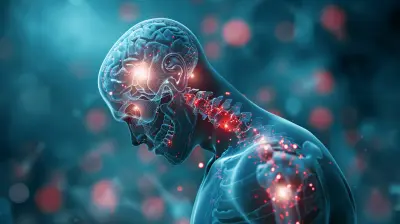
Okay, first off — let’s get nerdy for a second (don’t worry, we’ll keep it light). When you hear music, your brain doesn’t just hear it passively. Nope. It lights up like a Christmas tree.Music activates multiple areas in your brain at once:
- The auditory cortex processes the sound.
- The amygdala handles emotions.
- The hippocampus connects music to memories.
- The motor cortex may even start triggering foot-tapping or head-bobbing.
Music is like the ultimate brain workout — and it doesn’t even feel like exercise! That’s probably why it has such a direct line to your mental health.
Mood Magic: How Music Affects Emotions
Ever notice how songs can change your mood in seconds? One minute you’re fine, and the next you’re crying over a breakup that happened five years ago. It happens.Music has a sneaky way of weaving itself through your emotions because it can mimic the tone of your feelings:
- Upbeat music can increase feelings of happiness and energy.
- Slow, soft melodies can provide relaxation or bring up introspective thoughts.
- Minor chords often feel sad or melancholic.
- Major chords tend to sound bright and joyful.
This isn't by accident. Music triggers the release of neurotransmitters like dopamine (the “feel-good” chemical), serotonin (stabilizes mood), and oxytocin (the “love hormone”). It's like getting a natural emotional boost without needing to pop a pill or chug coffee!
Music as a Stress-Relief Remedy
Life’s stressful. We’ve got jobs, bills, relationship drama, and don’t get me started on traffic. But here’s the beautiful thing — music has your back.Studies (and honestly, our own experience) show that listening to music can:
- Lower cortisol levels (aka the stress hormone),
- Reduce blood pressure and heart rate,
- Relax tense muscles,
- Promote deep breathing and even better sleep.
Imagine being wrapped in a warm blanket of sounds. That’s music calming your nervous system like a lullaby for your stressed-out soul.
Meditative tunes, lo-fi chill beats, or even classical music can act like a mental massage. You don’t have to go full yoga-vibes to tap into this benefit. Just pop on a relaxing playlist and let your brain unwind.
The Nostalgia Factor: Music and Memory
There’s something almost spooky about how music can teleport us back in time. One second you hear a song, and the next you're standing in your high school gym at prom or lying on a summer beach with your best friends.This magic trick happens thanks to the brain’s hippocampus, which links music to memories and emotions. That’s why therapists often use music therapy with older adults or patients with Alzheimer’s — songs from their youth can spark recognition and even conversation.
Nostalgic music is like time travel — no DeLorean needed.
Music Therapy: Real Help for Mental Health
Music therapy is more than just humming along to your favorite jam. It’s an actual, legit therapeutic technique used in hospitals, mental health centers, and rehab facilities.Certified music therapists use instruments, singing, songwriting, and listening exercises to help people:
- Express emotions they can’t put into words,
- Cope with grief, trauma, or depression,
- Improve cognitive and motor skills in patients with brain injuries,
- Build social skills in children with autism.
And it's not just for extreme cases. Even if you're feeling “just a little off,” making or listening to music can totally help you feel more in control and emotionally grounded.
Beats and Brains: How Music Helps with Anxiety and Depression
We’re not gonna claim music alone can cure anxiety or depression — let’s be real. But it can be an amazing part of your mental health toolkit.So how does it work?
- Soothing music slows the brain waves and promotes a sense of calm.
- Songwriting or singing helps channel overwhelming feelings into expression.
- Rhythmic beats engage the brain and body, grounding you in the present moment.
Plus, when we connect with a song that gets us — like, really gets us — we feel seen. That sense of connection can ease feelings of isolation and loneliness.
It's music saying, “Hey, you’re not alone in this.”
Music and Motivation: Boosting Energy and Focus
Let’s talk productivity. You’ve got a deadline, your energy's at zero, and you’re staring blankly at your screen. Sound familiar?Cue the power of pump-up playlists!
Music can:
- Increase alertness and focus,
- Help with task completion (especially repetitive work),
- Improve physical performance (hello workout jams!),
- Make boring tasks more bearable.
Certain types of music, like instrumental tracks or lo-fi beats, offer just enough stimulation to keep your brain engaged without being distracting. It’s like a sonic energy drink — without the jitters.
Choosing Your Mental Health Playlist
Not all music works the same for everyone, right? Some people relax to classical piano, while others need heavy metal to feel alive. (You do you.)When curating a mental health playlist, try this:
1. Match your mood first, then shift it.
Feeling sad? Start with something reflective and slowly move to more uplifting songs.
2. Watch the lyrics.
Words matter. Avoid toxic or overly negative lyrics if you're in a vulnerable state.
3. Mix it up.
Include a variety of genres to stimulate different emotional responses.
4. Test and tweak.
If you’re not feeling better after a few songs, change the vibe. Your brain knows what it wants.
Playlists can act like your emotional support dog — reliable, comforting, and there when you need a boost.
The Science of Silence Between Notes
Here’s something a lot of people overlook — the silence between the beats can be just as powerful.Silence creates tension and release. It gives our brains a moment to breathe, reset, and process what's going on. That pause between musical phrases? Kind of like the white space in a painting — it makes everything else pop.
In terms of mental health, embracing those silences can help us:
- Be more mindful,
- Process emotions,
- Improve self-awareness.
So don’t skip the “calm” songs or the downtempo interludes. Sometimes, the quiet speaks louder than the noise.
Can You Overdo It? When Music Becomes Too Much
As much as we love music, there’s such a thing as musical overload. Yes, really.If you’re listening to music 24/7, especially super emotional or intense songs, it might:
- Prevent you from sitting with your thoughts,
- Increase anxiety (especially loud or fast-paced tracks),
- Distract you from real conversations and problem-solving.
As with anything, balance is key. Think of music like a spice — season your day with it, don’t drown in it. Use it intentionally, and you’ll feel the difference.
How to Incorporate Music into Your Mental Health Routine
Here are some simple ways to make music a daily mood-boosting habit:- Start your day with an energizing playlist.
- Wind down at night with calming instrumentals.
- Create playlists for different moods (happy, sad, focused, reflective — you name it).
- Use headphones to block out stress in busy environments.
- Try playing an instrument or singing, even if you’re not “good” at it. (No one’s judging!)
- Use guided music meditations for anxiety or sleep.
Make music your mental health sidekick. It’s always there, never judges, and never runs out of battery.
Final Thoughts: Let the Music Move You
We’ve all got our own soundtrack — songs that narrate our highs, lows, and everything in between. Music doesn’t just play in the background of life; it plays through us, shaping our feelings, triggering our memories, and helping us cope.So next time you're feeling overwhelmed, anxious, or just plain blah? Put on a tune. Let the rhythm reset your mind and the melody massage your soul.
Who needs a therapist on speed dial when you’ve got the perfect playlist?
all images in this post were generated using AI tools
Category:
Brain HealthAuthor:

Angelo McGillivray
Discussion
rate this article
2 comments
Lila Sweeney
Music has a remarkable power to uplift our spirits and soothe our minds. Embrace it as a wonderful tool for better mental health.
August 22, 2026 at 5:02 PM
Angelo McGillivray
I completely agree. Music truly has a unique ability to heal and inspire us.
Storm Lamb
Great insights! Music truly has a powerful way of uplifting our mental health.
June 28, 2026 at 4:57 AM
Angelo McGillivray
Thank you! I'm glad you found the insights valuable. Music really does have a unique impact on our well-being.