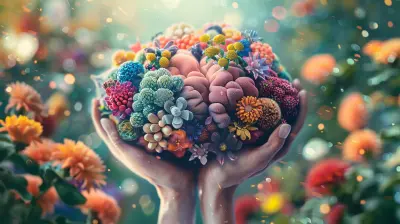
Nature's Influence on Brain Health and Creativity
3 January 2026
Ever taken a walk in the woods and felt your mind clear up? Or found yourself suddenly bursting with ideas while watching the waves roll in at the beach? You’re not imagining things. There’s something deeply powerful—almost magical, even—about nature’s ability to tune our minds, balance our emotions, and spark our creativity.
In an age of endless screen time, urban noise, and constant notifications, our brains are crying out for a break. And oddly enough, the greatest fix might just be what’s right outside our window: nature.
Let’s pull back the curtain and uncover how nature influences brain health and creativity. This isn’t just poetic musing. Science is finally catching up to what many have felt all along—nature heals and awakens the mind.

The Deep Connection Between Your Brain and Nature
We often think of our brains as machines—processors of information, analyzers of logic. But they aren't designed to thrive in concrete jungles or under fluorescent lighting. For thousands of years, humans evolved in forests, on grasslands, near rivers and mountain ranges. Nature isn’t just a backdrop—it’s home.So when we return to green spaces, something incredible happens. Our parasympathetic nervous system (that’s the part that chills us out) kicks in. Heart rate slows, stress levels drop, and brain fog starts to lift. But that's just scratching the surface.
Nature Actually Changes Your Brain
Let’s get a little nerdy here. Research using fMRI scans shows that spending time in nature reduces activity in the prefrontal cortex—the region linked to rumination and overthinking. You know that endless mental loop of “Why did I say that?” or “What if this goes wrong?” Yeah, that loop quiets down in the woods.A Stanford study even found that walking in nature reduced the risk of depression. Not just by a little—it made a notable difference in mood, mental clarity, and even self-esteem.
Better mood, lower stress, and improved focus? That’s a trifecta for brain health.
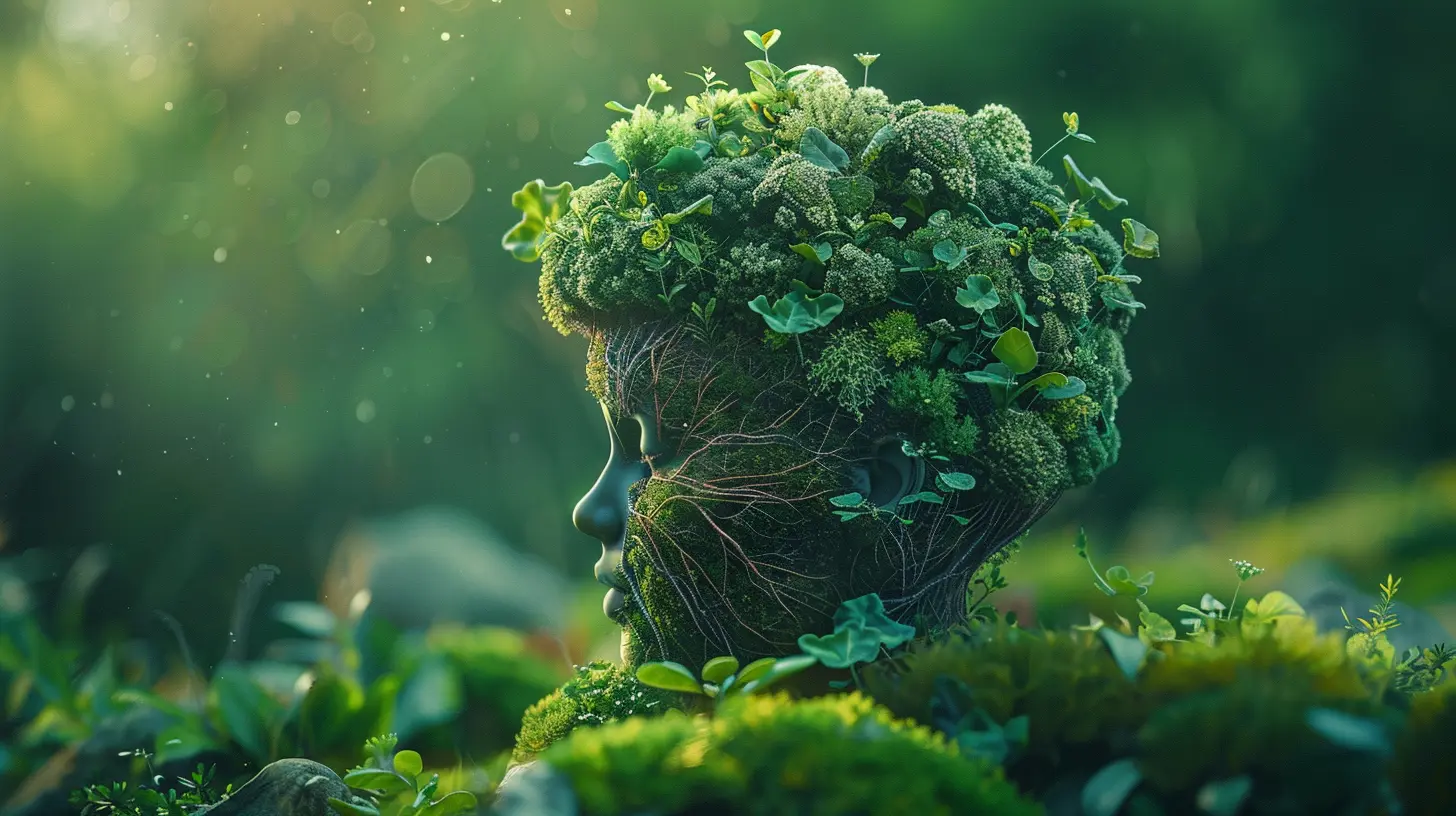
Nature and Neuroplasticity: New Paths for New Ideas
Here’s a fun term: neuroplasticity. Basically, it’s your brain’s ability to rewire itself—make new connections, form new habits, and adapt. And guess what? Nature supercharges it.When you immerse yourself in a natural setting, your brain gets a wave of stimuli that are unpredictable but calming. Leaves rustling. Birds chirping. A stream trickling. It’s like a gentle massage for your mind. This unique combination of stimulation and relaxation boosts cognitive flexibility—the foundation of creativity.
Your brain becomes more fluid in its thinking. Problems that seemed impossible suddenly have solutions. New ideas pop out of nowhere. Ever notice how your best ideas come in the shower or on a leisurely walk? Nature mimics that same mental state—calm but open.
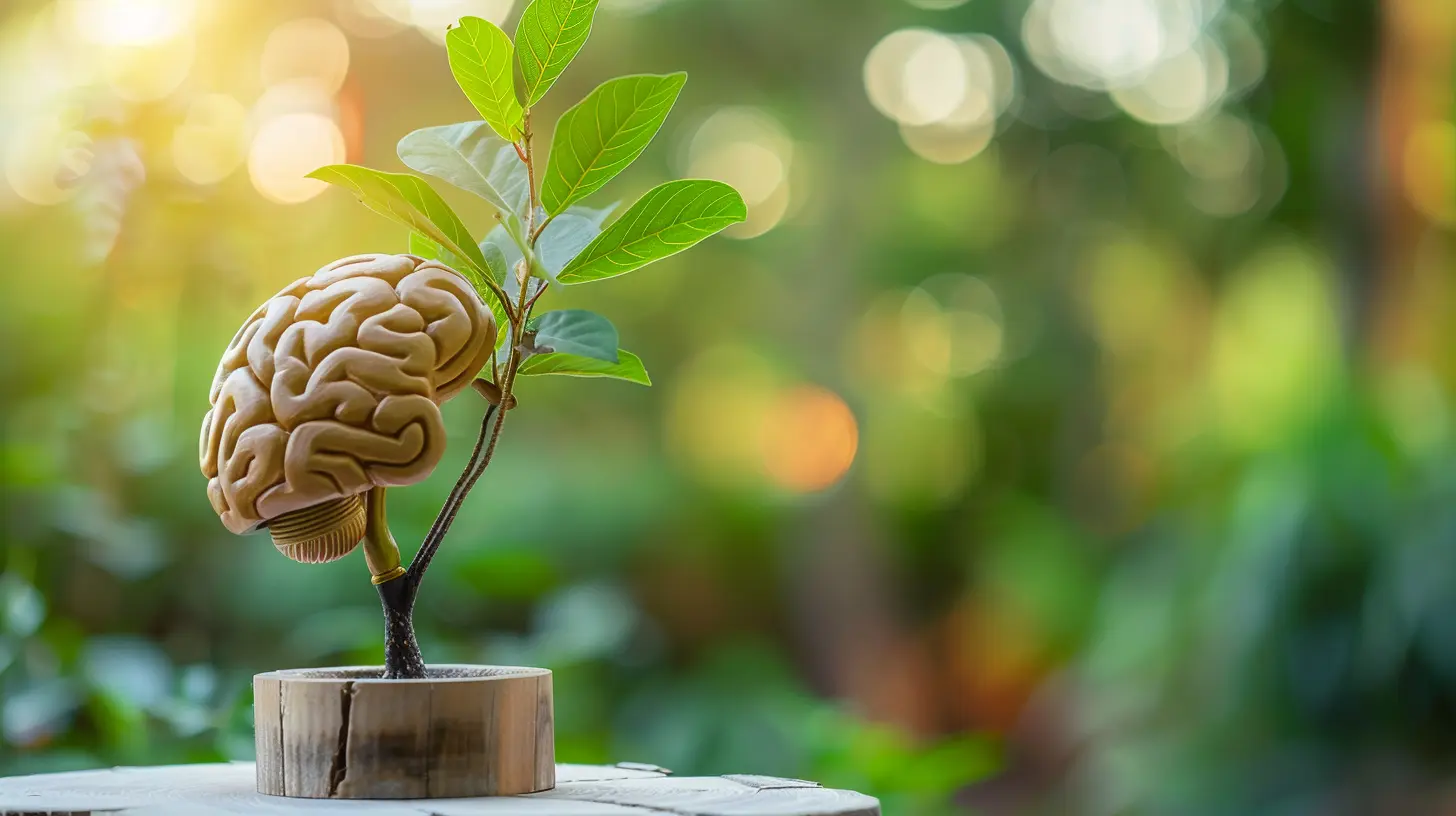
The Nature-Creativity Connection: More Than Just a Feeling
There’s a reason so many writers, artists, and inventors speak about their “muse” being found outdoors. Think of Thoreau at Walden Pond or Georgia O’Keeffe painting the New Mexico desert. Creativity and nature go hand-in-hand.But don’t take their word for it—science backs it up.
In one famous study, participants who spent four days hiking in nature showed a 50% boost in creativity on problem-solving tasks. Yeah, 50%. That’s not a fluke. That’s a transformation.
Why does it work so well? A few reasons:
- Mental Reset: Nature takes you out of your "task-oriented" brain and into a more mindful, present state.
- Unstructured Thinking: Unlike structured environments (offices, classrooms), nature doesn’t force linear thinking. It lets your mind wander.
- Sensory Engagement: Natural settings stimulate all your senses, which activates different parts of your brain.
- Reconnection: Nature reconnects you with your deeper self. That spark of originality? That’s you, minus the world’s noise.
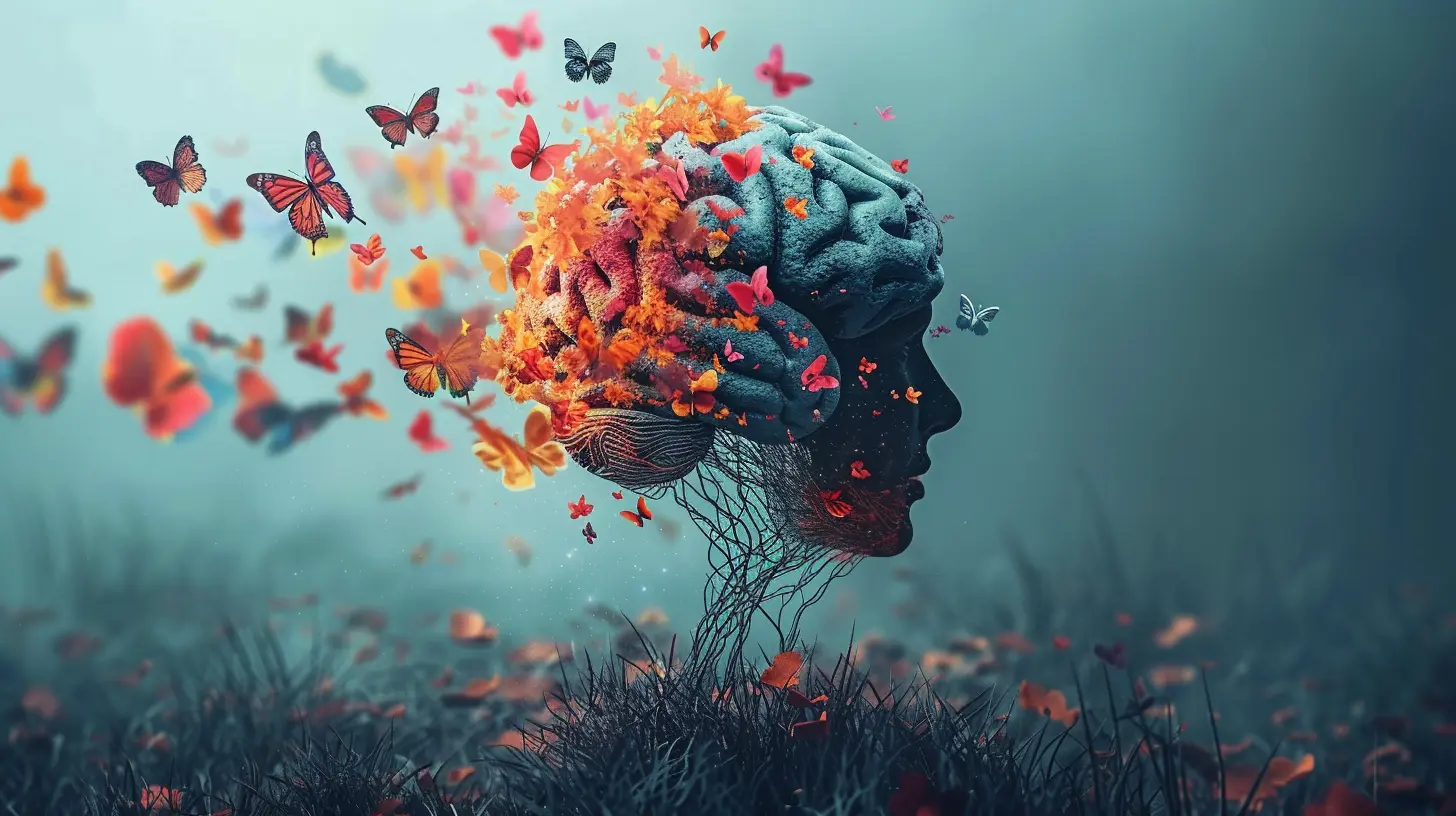
Your Brain on Green: The Science of Biophilia
Let’s talk about biophilia—a fancy term that describes the innate human desire to connect with nature.Our brains are literally wired to respond to natural environments. Several studies have shown that even looking at pictures of nature can trigger a relaxation response. Imagine the real deal!
But here’s the kicker—even microdoses of nature help. A houseplant on your desk. A five-minute walk in a park. A patch of sunlight streaming through a window. They all matter.
In fact, Japanese researchers coined the term “Shinrin-yoku” or “forest bathing” to describe the practice of simply being in nature, absorbing it through your senses. No hiking boots required—just presence. The results? Lower cortisol, improved immunity, brighter mood, sharper mind.
So the next time someone tells you to go take a walk, they might just be offering you a prescription for mental clarity.
Nature for the Overstimulated Brain
Let’s be real: our brains weren’t built for this modern life. Notifications ping us every few minutes, ads bombard us online, and scrolling is the new meditation. We’re constantly juggling, reacting, overstimulated.Nature is like the "off switch" we forgot we had.
Think about it. When you’re on a forest trail, there’s no need to react. No urgent messages. No decision fatigue. Just presence. Just being. And in that stillness, your brain gets a break. A chance to repair. A moment to breathe.
It’s like defragmenting your mental hard drive.
Nature Therapy: Can We Actually Prescribe It?
In many parts of the world, yes. Doctors in the UK, Canada, and even the U.S. are starting to issue “nature prescriptions.” Literally telling patients to spend more time outdoors—to combat anxiety, depression, high blood pressure, and even ADHD.Why? Because it works. And it’s low-cost, non-invasive, and has zero negative side effects (unless you count bug bites).
Schools introducing forest time for kids are seeing better moods, improved focus, and higher test scores. Nursing homes that incorporate gardens see fewer symptoms of dementia. And office workers with views of nature report higher satisfaction and lower burnout.
Nature is the therapist many of us never knew we needed.
How to Tap Into Nature’s Mental Magic
You don’t need to book a weeklong retreat or move to a cabin in the mountains (though if you can—go for it!). Nature’s brain-boosting benefits are accessible right now, even in small doses.Here’s how to infuse your life with more nature:
1. Take a Green Break (Daily)
Step outside. Even five or ten minutes in the park, your garden, or by a window with trees can help reset your focus.2. Bring Nature Inside
Add plants to your living or working space. Studies show they reduce stress and improve concentration. Bonus: they clean the air.3. Commit to a Weekly Nature Date
Whether it’s a weekend hike or a beach day, mark the time on your calendar. Make it as non-negotiable as a meeting.4. Try Earthing
Sounds woo-woo, but hear me out. Walking barefoot on natural surfaces (like grass or sand) can help regulate your nervous system. It reconnects you—literally and energetically.5. Use Nature as a Creative Tool
Stuck on a problem? Grab a notebook and head outside. Let yourself daydream. Jot down what comes. You’ll be surprised how solutions start to surface.
The Future of Brain Health Is… Wild?
As we learn more about the brain, we're beginning to realize that we're not separate from nature—we’re entangled with it. It isn’t just scenery. It’s sustenance. For every neuron, thought, and dream.Nature doesn’t just sharpen your mind. It nurtures it. It doesn't only reduce stress—it restores your sense of wonder. That's not something a pill can do.
So, maybe the next big revolution in brain science won’t come from a lab. Maybe it’ll come from the quiet rustle of leaves. From the rhythm of ocean waves. From the stillness of a forest floor.
Go ahead. Step outside. Your brain is waiting.
all images in this post were generated using AI tools
Category:
Brain HealthAuthor:

Angelo McGillivray
Discussion
rate this article
2 comments
Maisie McEachern
Embrace the great outdoors! Connecting with nature not only boosts brain health but also sparks creativity, helping you thrive both mentally and emotionally. Let nature inspire you!
February 2, 2026 at 4:23 PM
Angelo McGillivray
Thank you for highlighting the profound benefits of nature! Embracing the outdoors truly nurtures both our minds and creativity. Let’s continue to explore and celebrate this vital connection!
Emory Ortiz
Who knew that a stroll in the park could be the brain's version of a spa day? Just remember, if you start having deep conversations with squirrels, it might be time to head home and let the creativity flow from your couch instead!
January 7, 2026 at 5:23 AM
Angelo McGillivray
Absolutely! Nature has a remarkable way of refreshing our minds, but chatting with squirrels might be a sign to take a break and unleash that creativity indoors!