New Advances in Chronic Pain Research and Potential Treatments
23 May 2026
Chronic pain affects millions of people worldwide, often making even the simplest daily activities feel like an uphill battle. Whether it stems from arthritis, neuropathy, fibromyalgia, or another condition, managing long-term pain can be incredibly frustrating.
But here’s the good news—science is evolving, and researchers are constantly finding new ways to tackle chronic pain. From cutting-edge medical treatments to natural remedies, the future of pain management looks promising.
In this article, we’ll dive into the latest breakthroughs in chronic pain research and the potential treatments that could change the game.
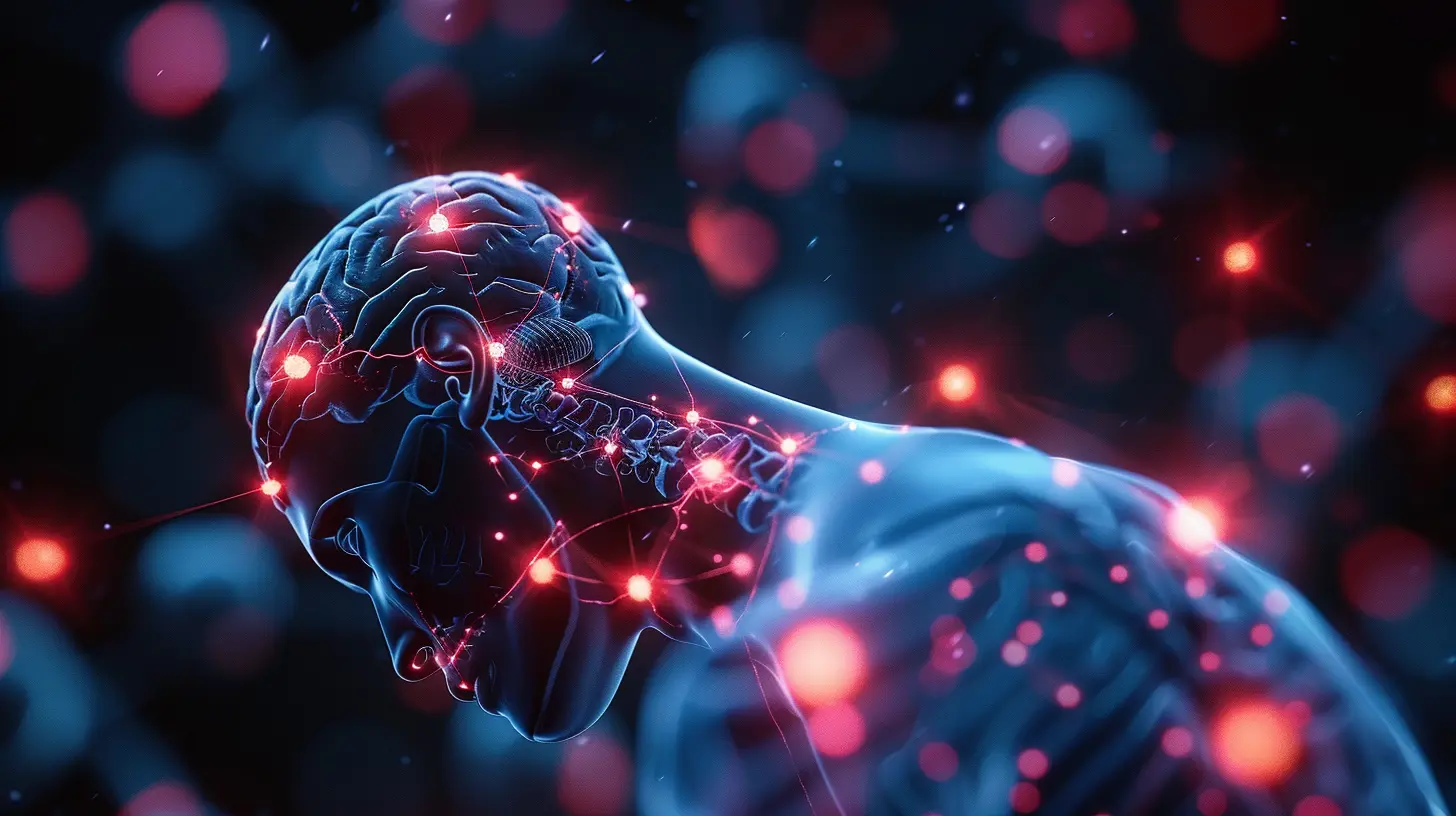
Understanding Chronic Pain: More Than Just a Symptom
Chronic pain isn’t just about discomfort—it’s a complex condition that impacts both body and mind. Unlike acute pain, which typically fades as an injury heals, chronic pain persists for months or even years. It can stem from an initial injury, a medical condition, or sometimes, have no clear cause at all.More importantly, chronic pain isn’t just physical; it messes with your emotions, mental health, and overall well-being. Anxiety, depression, fatigue—these often tag along when pain becomes a daily struggle. That’s why researchers are diving deeper to uncover better treatments beyond traditional painkillers.
The Problem With Conventional Pain Relief
For years, opioids and over-the-counter painkillers have been go-to solutions. While they can be effective, they also come with serious risks—opioid dependence, stomach issues, and damage to vital organs, to name a few.So what’s next? Scientists are working on finding safer, more effective alternatives that don’t just mask the pain but address its root cause. 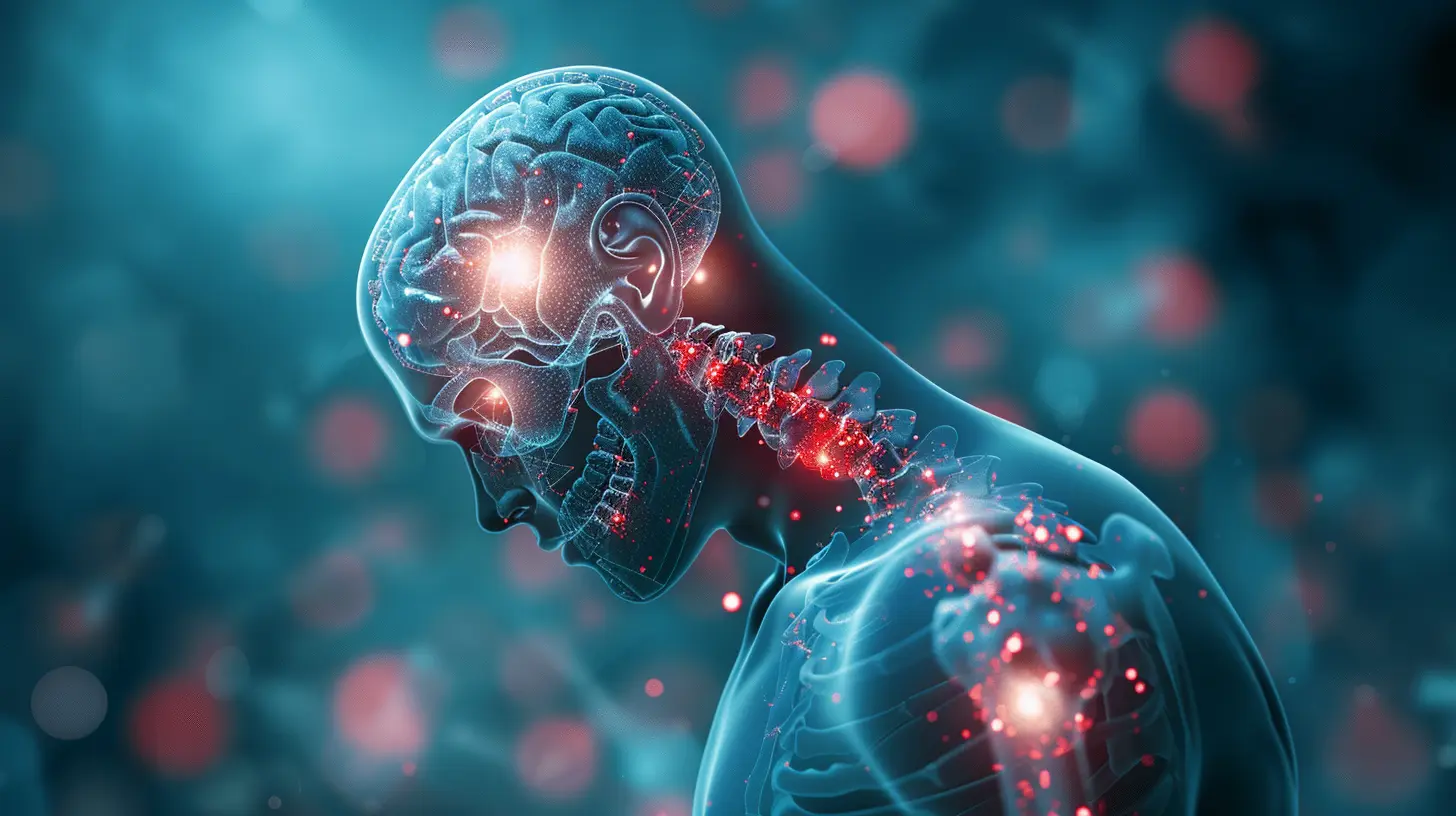
Breakthrough Research in Chronic Pain Treatment
Emerging research is shedding light on innovative ways to manage chronic pain. From advanced medications to mind-body techniques, let’s dive into some of the most promising developments.1. Gene Therapy: Rewriting Pain Signals
Imagine if we could turn down pain signals at the genetic level. That’s what scientists are working on with gene therapy for chronic pain management.Researchers are exploring ways to modify genes that contribute to pain sensitivity. One promising approach uses gene editing techniques to reduce pain transmission in nerves. In a recent study, scientists were able to block pain signals in lab animals without causing numbness or loss of sensation. If these findings translate to human treatments, gene therapy could revolutionize pain management in the future.
2. Regenerative Medicine: Harnessing the Body’s Healing Power
Our bodies have an incredible ability to heal themselves, and regenerative medicine focuses on enhancing that natural process.Stem Cell Therapy – By injecting stem cells into damaged tissues, researchers aim to promote cell regeneration and repair nerve damage. This could be a game-changer for conditions like arthritis and nerve pain.
Platelet-Rich Plasma (PRP) Therapy – This technique involves using a patient's own blood plasma, rich in growth factors, to accelerate healing and reduce inflammation. PRP therapy has shown promising results for musculoskeletal pain and joint issues.
Both treatments are still in the experimental phase but could soon become mainstream options for chronic pain patients.
3. Non-Invasive Brain Stimulation: Resetting the Pain Response
The brain plays a massive role in how we perceive pain, and new techniques are focusing on "rewiring" those pain signals.Transcranial Magnetic Stimulation (TMS) – This therapy uses magnetic fields to stimulate nerve cells in the brain, which can help manage chronic pain, particularly in conditions like fibromyalgia and chronic migraines.
Transcranial Direct Current Stimulation (tDCS) – Another brain-stimulating technique that uses mild electrical currents to improve pain thresholds and reduce discomfort.
Since these techniques are non-invasive, they offer an exciting alternative for those seeking relief without medications.
4. Medical Cannabis: A Natural Pain Reliever
Over the past decade, medical cannabis has gained recognition as a legitimate pain management tool. Cannabinoids like CBD and THC interact with the body’s endocannabinoid system, helping to reduce pain and inflammation.A growing body of research suggests that cannabis-based treatments could provide relief for conditions like neuropathy, arthritis, and multiple sclerosis without the risks associated with opioids. However, more studies are needed to fine-tune dosages and delivery methods.
5. Psychedelic Therapy: A Mind-Altering Pain Solution
Psychedelics like psilocybin (the active compound in magic mushrooms) and ketamine are showing surprising potential in chronic pain treatment.These substances work by altering brain pathways and perception of pain. Some studies suggest that ketamine infusions can help reset faulty pain signaling in the nervous system, offering relief for fibromyalgia and nerve pain sufferers.
Psilocybin, on the other hand, is being explored for its ability to reduce chronic pain-related anxiety and depression, making it an exciting area of research. 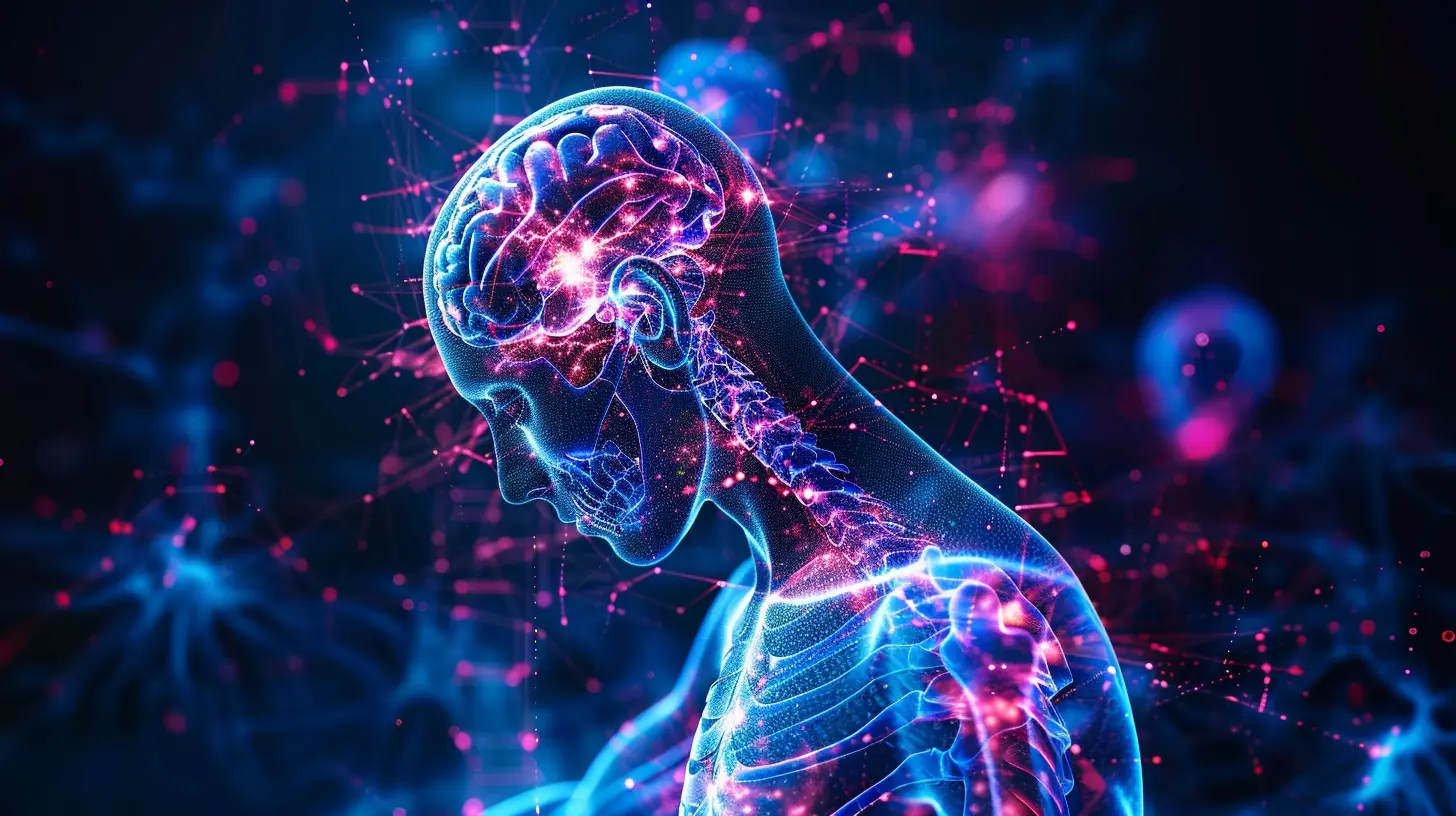
The Role of Lifestyle Changes in Pain Management
While advanced medical treatments are promising, daily habits play a crucial role in managing chronic pain. Let’s not forget the power of natural approaches that complement medical interventions.1. Anti-Inflammatory Diet: Eating for Pain Relief
What goes on your plate can either fuel or fight inflammation. Some foods have natural pain-fighting properties.- Omega-3 fatty acids (found in salmon, flaxseeds, and walnuts) help reduce inflammation.
- Turmeric contains curcumin, known for its anti-inflammatory effects.
- Green leafy vegetables and berries are packed with antioxidants that can support overall pain reduction.
Avoiding processed foods, sugar, and excessive red meat can also make a difference in how your body responds to pain.
2. Mind-Body Therapies: Stress Less, Hurt Less
Chronic pain isn’t just physical—it’s deeply tied to stress and emotional health. That’s why mind-body practices can be incredibly effective.- Meditation and Mindfulness help retrain how the brain processes pain signals.
- Yoga and Tai Chi improve flexibility, reduce muscle tension, and promote relaxation.
- Acupuncture stimulates specific points in the body to balance energy flow and alleviate pain.
These practices may not provide instant relief, but over time, they can help the body manage pain more effectively.
3. Physical Activity: Movement as Medicine
It may sound counterintuitive, but gentle movement can actually help reduce chronic pain.Low-impact exercises like swimming, walking, and stretching improve blood circulation, release endorphins (natural painkillers), and keep muscles from stiffening up. The key is consistency—small amounts of movement every day can make a significant difference over time. 
The Future of Chronic Pain Treatment
With so many advancements on the horizon, the future of chronic pain management looks hopeful. The goal is to move beyond temporary relief and focus on treatments that target the root cause of pain.While some of these breakthroughs are still in the research phase, their potential is promising. Chronic pain sufferers may soon have access to a wider range of safer, more effective treatments that don’t rely solely on medication.
In the meantime, adopting a holistic approach—combining medical advancements with lifestyle changes—offers the best path to long-term relief.
If you're dealing with chronic pain, stay informed, explore your options, and work closely with healthcare providers to find the best treatment plan for your unique needs. The journey to relief may be challenging, but with science advancing every day, there’s hope on the horizon.
all images in this post were generated using AI tools
Category:
Chronic PainAuthor:

Angelo McGillivray
Discussion
rate this article
2 comments
Julian Gill
It's encouraging to see the latest breakthroughs in chronic pain research. The potential treatments on the horizon could drastically improve the quality of life for millions. Continued investment in this area is crucial, and I look forward to seeing how these advances unfold in practice.
July 10, 2026 at 3:55 PM
Angelo McGillivray
I completely agree. It's a hopeful time for chronic pain sufferers, and sustained investment can lead to real change. Let's see what the future holds.
Thalyn Ellison
It's encouraging to see such progress in chronic pain research. These new treatments offer hope to many who suffer, proving that resilience and innovation can lead to brighter days.
May 26, 2026 at 2:29 PM
Angelo McGillivray
Thank you for your thoughtful comment. We're excited about these advances and their potential to make a real difference in people's lives.