New Breakthroughs in the Psychosomatic Understanding of Disease
20 November 2026
The intricate dance between mind and body has long captivated researchers and healers alike, revealing a profound truth: our emotions and thoughts wield a significant influence over our physical health. The psychosomatic understanding of disease has evolved dramatically, unveiling new breakthroughs that challenge conventional medical paradigms. This article delves into these developments, offering insights, practical advice, and a deeper understanding of the psychosomatic connection.
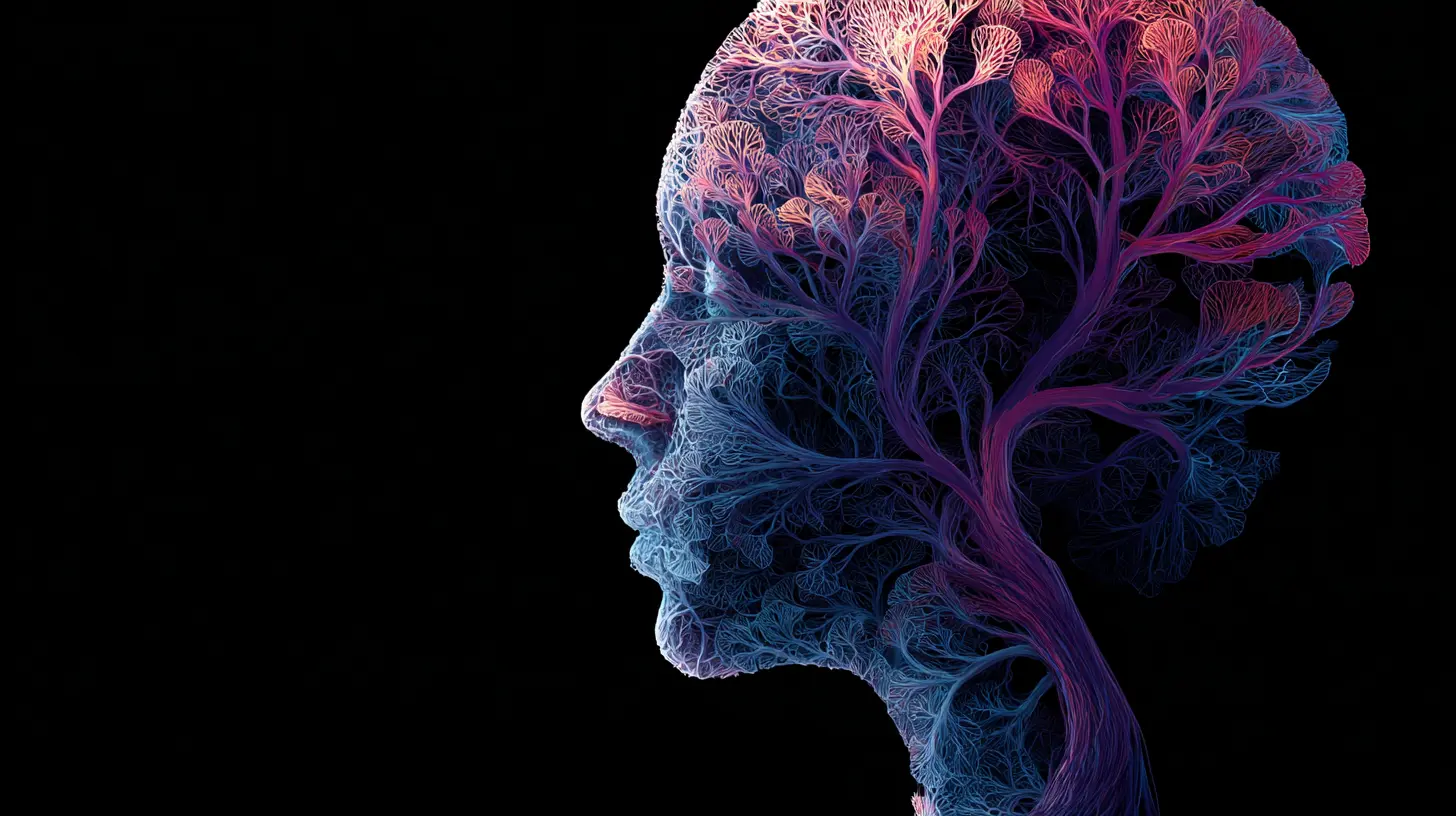
What is Psychosomatic Medicine?
Psychosomatic medicine focuses on the interplay between psychological factors and physical health. While traditional medical models often view the body and mind as separate entities, increasing evidence suggests that mental states can manifest as physical ailments. Conditions such as stress, anxiety, and depression are not merely emotional experiences; they can lead to tangible health issues, including heart disease, gastrointestinal disorders, and chronic pain.The Historical Context
Historically, the relationship between mind and body was often dismissed or misunderstood. Ancient philosophies recognized this connection, but it was not until the 20th century that scientific inquiry began to substantiate these claims. Freud's theories on the unconscious mind laid a foundation for psychosomatic research, which expanded in the following decades. The integration of psychology into medical practice has paved the way for modern understanding, yet misconceptions persist.
The Science Behind Psychosomatic Illness
A growing body of research reveals how psychological factors can influence physiological responses. Neurobiological mechanisms-such as the hypothalamic-pituitary-adrenal (HPA) axis-play a crucial role in this interaction. When faced with stress, the brain triggers the release of hormones like cortisol, which can lead to inflammation and various health issues if elevated over time.Key Mechanisms at Work
1. Stress Response: The body's stress response can lead to wear and tear on physiological systems. Chronic stress may result in hypertension, digestive issues, and weakened immune function.2. Mind-Body Connection: Neurotransmitters and hormones serve as messengers between the mind and body. For example, serotonin, often dubbed the "feel-good" hormone, not only affects mood but also has a significant role in regulating digestion.
3. Inflammation: Psychological distress can trigger inflammatory processes. Conditions such as rheumatoid arthritis and asthma may exacerbate with emotional turmoil, highlighting the need for an integrated approach to treatment.
Real-World Examples
Consider a patient suffering from irritable bowel syndrome (IBS). Research has shown that stress management techniques, such as cognitive behavioral therapy (CBT) and mindfulness meditation, can lead to substantial improvements in symptoms. This case illustrates the importance of addressing emotional health in managing chronic physical conditions.
Common Misconceptions
Mind Over Matter
One common misconception is that psychosomatic illnesses are "all in your head." While psychological factors indeed influence physical health, dismissing these conditions as mere figments of imagination undermines the real suffering experienced by individuals. It is vital to approach psychosomatic illnesses with empathy and a comprehensive treatment strategy.The Role of Placebo Effect
Some may attribute psychosomatic responses solely to the placebo effect, reducing the complexity of these interactions. While the placebo effect demonstrates the power of belief and expectation, it does not encompass the entire psychosomatic landscape. Understanding the nuances can lead to more effective interventions.
Best Practices for Addressing Psychosomatic Disorders
Integrated Treatment Approaches
To effectively address psychosomatic disorders, consider a multi-faceted approach:1. Psychotherapy: Engaging with a mental health professional can help uncover and address underlying emotional issues. Therapies such as CBT, dialectical behavior therapy (DBT), and acceptance and commitment therapy (ACT) have shown promise in treating psychosomatic conditions.
2. Mindfulness and Meditation: Practices focused on mindfulness can significantly reduce stress, improve emotional regulation, and enhance overall well-being. Mindfulness-based stress reduction (MBSR) programs have been particularly effective for various physical ailments linked to stress.
3. Physical Activity: Regular exercise is a powerful tool for both mental and physical health. It releases endorphins, reduces anxiety, and bolsters immune function. Finding an enjoyable activity can foster a positive feedback loop for both the mind and body.
4. Nutrition: A well-balanced diet can support mental health, providing the necessary nutrients for optimal brain function. Omega-3 fatty acids, for instance, are linked to reduced symptoms of depression and anxiety.
When Conventional Medicine Falls Short
In certain cases, conventional treatments may not fully address psychosomatic symptoms. For instance, a patient with chronic pain may not respond to standard analgesics if underlying emotional distress remains unaddressed. In such situations, integrating psychosomatic techniques can bridge the gap and lead to more comprehensive care.New Breakthroughs in Research
Exciting advancements in psychosomatic research are reshaping our understanding of health. Recent studies have demonstrated the effectiveness of biofeedback, a technique that teaches individuals to control physiological functions through conscious thought. Biofeedback can help reduce anxiety and improve conditions like hypertension by promoting relaxation.The Role of Technology
Telehealth and digital interventions are becoming increasingly valuable in psychosomatic treatment. Mobile applications for mindfulness and stress management allow individuals to access support anytime, anywhere. This accessibility can empower patients to take an active role in their health journey.Genetics and Psychosomatic Disorders
Emerging research also investigates the genetic predisposition to psychosomatic conditions. Understanding genetic markers may unveil why some individuals are more susceptible to stress-related illnesses, paving the way for personalized treatment approaches.
Ethical Considerations and Future Directions
As the field of psychosomatic medicine evolves, ethical considerations must remain at the forefront. Patient autonomy, informed consent, and the need for compassionate care are paramount. Clinicians should be aware of the potential for stigmatization and work to foster an environment where patients feel safe to discuss their experiences.Collaborative Care Models
The future of psychosomatic medicine may lie in collaborative care models that integrate mental health professionals with primary care teams. This approach ensures that patients receive holistic care, addressing both their physical and emotional needs while fostering communication between providers.Conclusion
The journey into the psychosomatic understanding of disease offers profound insights into the human experience. As we unravel the complex interplay between mind and body, we become better equipped to address health challenges holistically. Embracing these breakthroughs not only enhances our understanding of disease but also empowers individuals to take charge of their health, forging a path toward healing that honors both the psychological and physiological dimensions of well-being.
all images in this post were generated using AI tools
Category:
Mind Body ConnectionAuthor:

Angelo McGillivray

