Non-Opioid Treatments for Long-Term Pain Management
16 May 2026
Let's be real—chronic pain is a beast. It drains your energy, messes with your mood, and can turn even the happiest moments into a struggle. And while opioids have long been the go-to choice for pain relief, they're like that toxic ex you need to cut off: possibly helpful in the moment, but dangerous in the long run.
If you're tired of popping pills that come with serious side effects and a boatload of dependency issues, you're in luck. There’s a powerful (and growing!) collection of non-opioid treatments for long-term pain management. And guess what? You don’t need to sacrifice your sanity—or your health—to feel better.
So, grab your heating pad, a cup of tea, and let’s dive into the world of pain relief that doesn’t come in a prescription bottle marked “WARNING: HIGHLY ADDICTIVE.”

Why Kick the Opioid Habit?
Let’s set the stage. Opioids are effective, no doubt. But they’re also infamous for being:- Highly addictive
- Tolerance-building (you need more and more to feel less and less)
- Side-effect ridden (nausea, constipation, drowsiness, mood swings… should I go on?)
- Linked to serious overdose risks
Long-term use of opioids is like putting a Band-Aid on a bullet wound. The root of the pain often sticks around, and now you’ve got another problem—dependence.
The good news? There's a buffet of non-opioid options, and they’re good for so much more than just taking the edge off.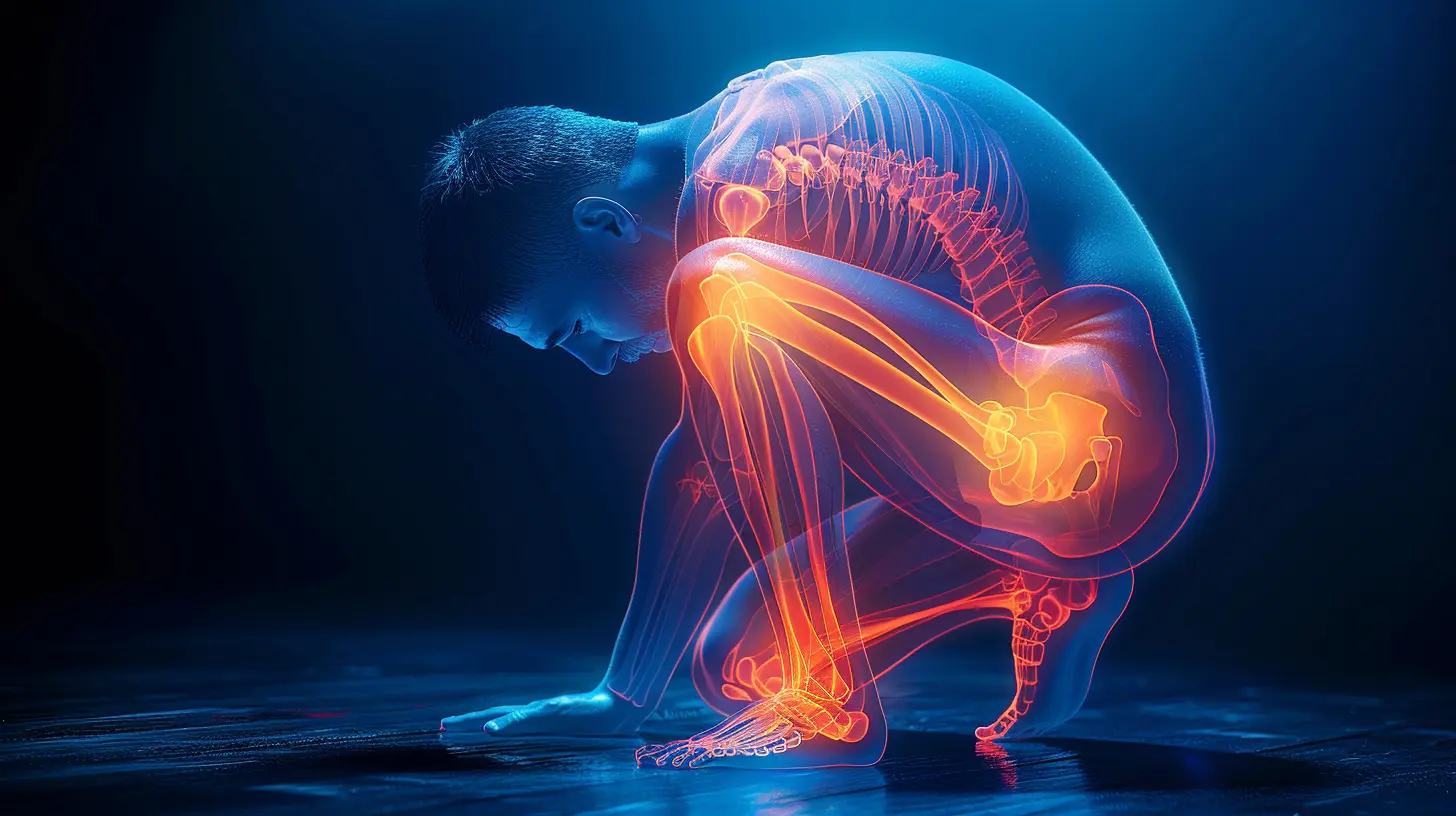
1. Physical Therapy – Moving Toward Relief
Think physical therapy is just for sports injuries and post-surgery rehab? Think again.A skilled physical therapist can be your pain-fighting BFF. These pros design exercise programs tailored to your body, your pain, and your goals. From stretching to strength building, they help retrain how your body moves—reducing stress on pained areas and improving overall function.
✨ Bonus: It’s non-invasive and empowers you with tools you can keep using forever.

2. Non-Opioid Medications – Yes, They Exist
Let’s talk meds—but not the ones that leave you zombie-scrolling Netflix at 2 a.m.NSAIDs (Nonsteroidal Anti-inflammatory Drugs)
- Ibuprofen, naproxen—these over-the-counter heroes reduce inflammation and moderate pain.- Perfect for arthritis, back pain, and menstrual cramps.
Acetaminophen
- Less hardcore than NSAIDs but still packs a punch.- Won’t reduce inflammation, but it’ll help dull the pain.
Antidepressants
- Wait, antidepressants for pain? Oh yes, they don’t just lift your mood.- Tricyclic antidepressants like amitriptyline can alter how your brain perceives pain—especially nerve-related pain or fibromyalgia.
Anticonvulsants
- Meds like gabapentin and pregabalin calm overactive nerves.- Great for nerve pain sufferers, like those with diabetic neuropathy or shingles.
? Here’s the kicker: These may not work overnight, but when they do? Holy relief.
3. Cognitive Behavioral Therapy (CBT) – Mind Over Pain
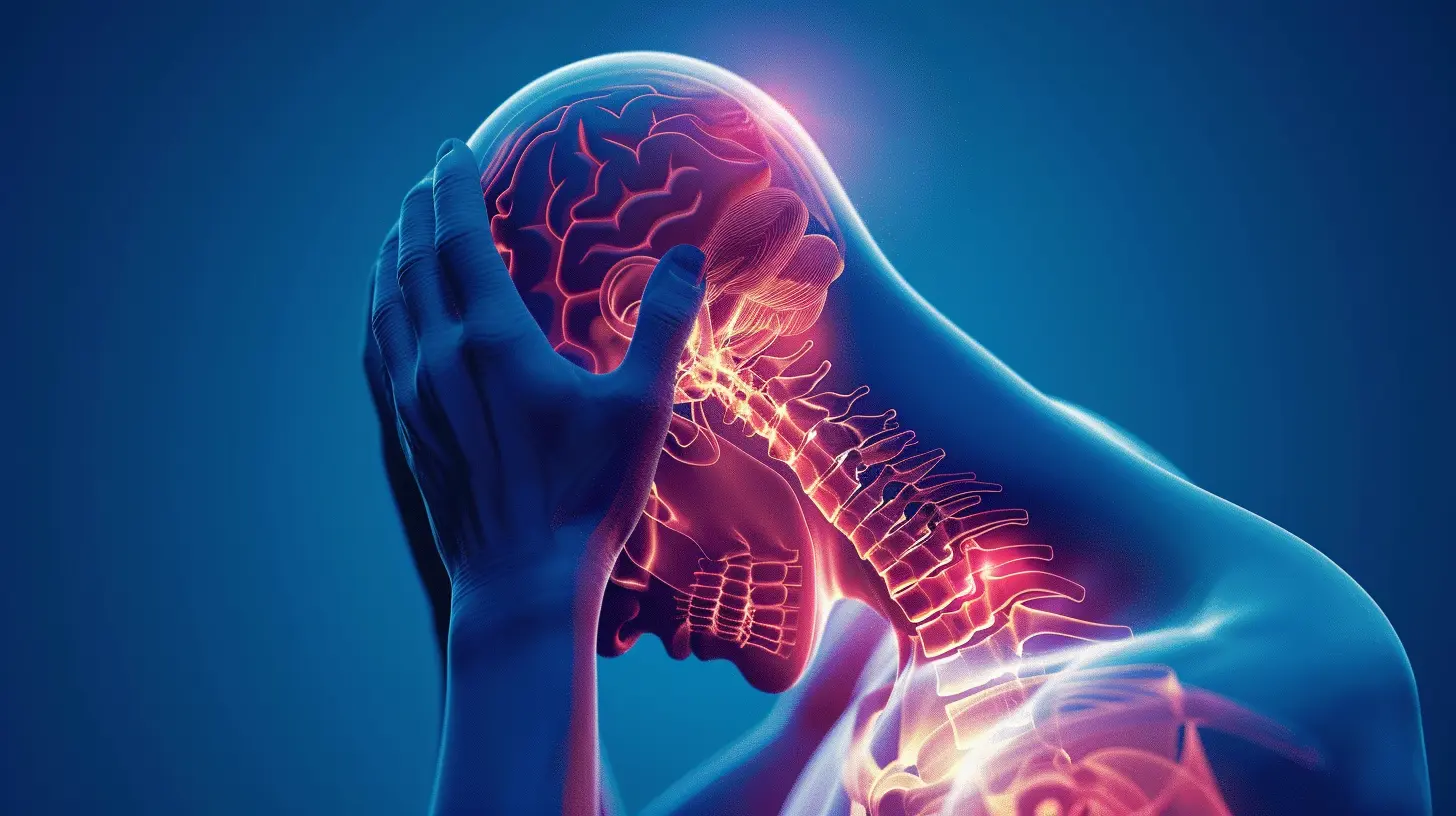
Okay, before you roll your eyes, hear me out.CBT isn’t some woo-woo “think your way out of pain” nonsense. It’s a legit, science-backed therapy that helps rewire how your brain processes pain.
The brain and body are in a mind-blowing relationship. When you’re in pain, your mood tanks, and when your mood tanks, you feel more pain. CBT identifies and breaks that cycle. It teaches coping strategies, stress management, and positive self-talk to keep pain in check.
?♀️ Think of it as physical therapy for your thoughts.
4. Acupuncture – Tiny Needles, Big Relief
You might hate needles, but acupuncture isn’t your average jab.Based on ancient Chinese medicine, acupuncture involves inserting super-fine needles into specific body points. These needles stimulate nerves, muscles, and connective tissue—helping release natural painkillers (hello, endorphins) and increase blood flow.
Whether it’s lower back pain, migraines, or joint pain—acupuncture has been proving itself for centuries. Plus, it’s kinda relaxing in a bizarre, zen way.
5. Massage Therapy – Yes, It’s More Than a Spa Day
Let’s bust a myth: massage therapy isn’t just a luxurious splurge. For chronic pain sufferers, it can be a lifeline.Therapeutic massage can:
- Improve circulation
- Loosen tight muscles
- Ease joint stiffness
- Reduce inflammation
- Calm your nervous system
The key is finding a massage therapist trained in medical or therapeutic techniques, not just someone who rubs oil and calls it a day.
6. Heat and Cold Therapy – Old School, Still Gold
Your grandma may have been onto something with her heating pad and frozen peas.Heat Therapy
- Soothes stiff joints- Relaxes tight muscles
- Improves blood flow
Cold Therapy
- Reduces inflammation- Numbs sharp pain
- Decreases swelling
Pro tip: Alternate between hot and cold to give pain a one-two punch.
7. TENS Therapy – Zapping Away the Pain
Ever dreamed of zapping your pain with a gadget? TENS (Transcutaneous Electrical Nerve Stimulation) is here for it.This tiny device sends low-voltage electrical current through your skin to target nerves. Sounds intense, but it’s actually painless—and kind of invigorating.
People with arthritis, fibromyalgia, and chronic back pain swear by it. Not to mention, it’s drug-free and you can use it right at home. Win-win!
8. Dietary Changes – Food That Heals
“Let food be thy medicine”—yeah, Hippocrates was a genius.If your diet’s full of sugar, processed junk, and inflammation-triggering oils, you’re basically inviting pain to stick around.
Anti-Inflammatory Superstars:
- Leafy greens- Fatty fish (those omega-3s are magic)
- Berries
- Turmeric
- Ginger
- Olive oil
- Nuts
Small changes can lead to big relief. Think of your fork as a mini painkiller with every bite.
9. Supplements – Nature’s Little Helpers
Before you load up your Amazon cart, consult a healthcare provider, okay?That said, certain supplements can help fight chronic pain:
- Turmeric/Curcumin – battles inflammation like a warrior
- Magnesium – especially good for migraines and muscle cramps
- Vitamin D – low levels are linked to chronic pain. Hello sunshine!
- Omega-3 Fatty Acids – reduce joint pain and stiffness
They’re not a magic pill, but they’re a great sidekick in your pain-fighting squad.
10. Mind-Body Practices – Zen Your Way to Relief
Pain isn’t just physical—it seeps into your thoughts, your sleep, your peace.Yoga
Combines gentle movement, breath control, and mindfulness. Amazing for back pain, arthritis, and even fibromyalgia.Meditation
Just 10 minutes a day can lower stress and reduce pain perception. It’s like hitting the mute button on your pain dial.Tai Chi
This slow-motion martial art promotes flexibility, balance, and inner calm. Great for joint pain and elderly folks.These practices aren’t about “pushing through” pain—they’re about coexisting with it more peacefully.
11. Interventional Procedures – Not Surgery, But Still Serious
If everything else is falling flat, it might be time to consider these middle-ground options:- Nerve Blocks – injections that deliver meds directly to the area causing pain.
- Joint Injections – like cortisone shots for arthritis flare-ups.
- Radiofrequency Ablation – zaps nerve tissues to disrupt pain signals.
These aren’t your daily go-to, but in stubborn cases? They can be game-changers.
12. Lifestyle Upgrades – Your Daily Habits Matter
Don’t underestimate the power of the little things. Chronic pain management is a marathon, and your daily habits are the shoes on your feet.Sleep
You can’t heal if you’re constantly exhausted. Create a bedtime routine and aim for 7–9 hours.Stress Reduction
Stress is like gasoline on your pain fire. Try:- Deep breathing
- Journaling
- Watching cat videos (yes, really)
Movement
No, you don’t need to run a marathon. But gentle daily movement (like walking or stretching) keeps your joints happy and pain in check.Hydration
A dehydrated body is a cranky one. Aim for at least 8 glasses a day.So, What's the Best Non-Opioid Treatment?
Spoiler alert: there’s no one-size-fits-all miracle.The trick? Creating a pain management cocktail that suits your body, your needs, and your lifestyle. That might mean combining physical therapy with acupuncture, tossing in some yoga, and cutting back on inflammatory foods.
The point is this: You’ve got options. You’re not stuck. And you sure as heck don’t need opioids to take control.
Chronic pain may be part of your story, but it doesn't get to write the ending.
Final Thoughts
Changing how you manage pain isn’t easy—it takes effort, trial and error, and sometimes a team of professionals. But ditching opioids in favor of smarter, safer alternatives? That’s a move worth making.Remember: You are not your pain. You're a fierce, unstoppable force of nature with too much life to live to be held back by a prescription bottle. Let’s start managing pain the empowered way.
all images in this post were generated using AI tools
Category:
Chronic PainAuthor:

Angelo McGillivray
Discussion
rate this article
2 comments
Ulysses Hines
Great read! Exploring non-opioid options for long-term pain management can really open up new paths to relief. Remember, it's all about finding what works best for you. Keep pushing forward and stay positive on your journey!
June 14, 2026 at 2:23 AM
Abram McCune
Exploring non-opioid treatments offers hope for those struggling with long-term pain. It's crucial to consider holistic approaches that prioritize overall well-being and functionality.
May 16, 2026 at 4:49 AM
Angelo McGillivray
I completely agree. Holistic approaches can make a significant difference in managing pain and enhancing quality of life.