Optimizing Your Rest and Recovery for Competitive Bodybuilding
28 April 2026
If you're serious about competitive bodybuilding, you probably spend endless hours perfecting your training routine and fine-tuning your diet. But here’s the truth—muscle growth doesn’t happen in the gym. It happens during rest and recovery. If you’re constantly pushing your body without giving it time to repair, you’re sabotaging your gains.
So, how can you optimize recovery for maximum muscle growth? Let’s break it down.

Why Rest and Recovery Matter in Bodybuilding
Lifting weights creates tiny tears in your muscle fibers. During recovery, your body repairs these tears, making your muscles bigger and stronger. But if you don’t allow enough recovery time, your progress will stall—or worse, you’ll risk injury and overtraining syndrome.Elite bodybuilders understand that training is only half the battle. The secret weapon? Rest and recovery strategies that supercharge muscle repair and growth.
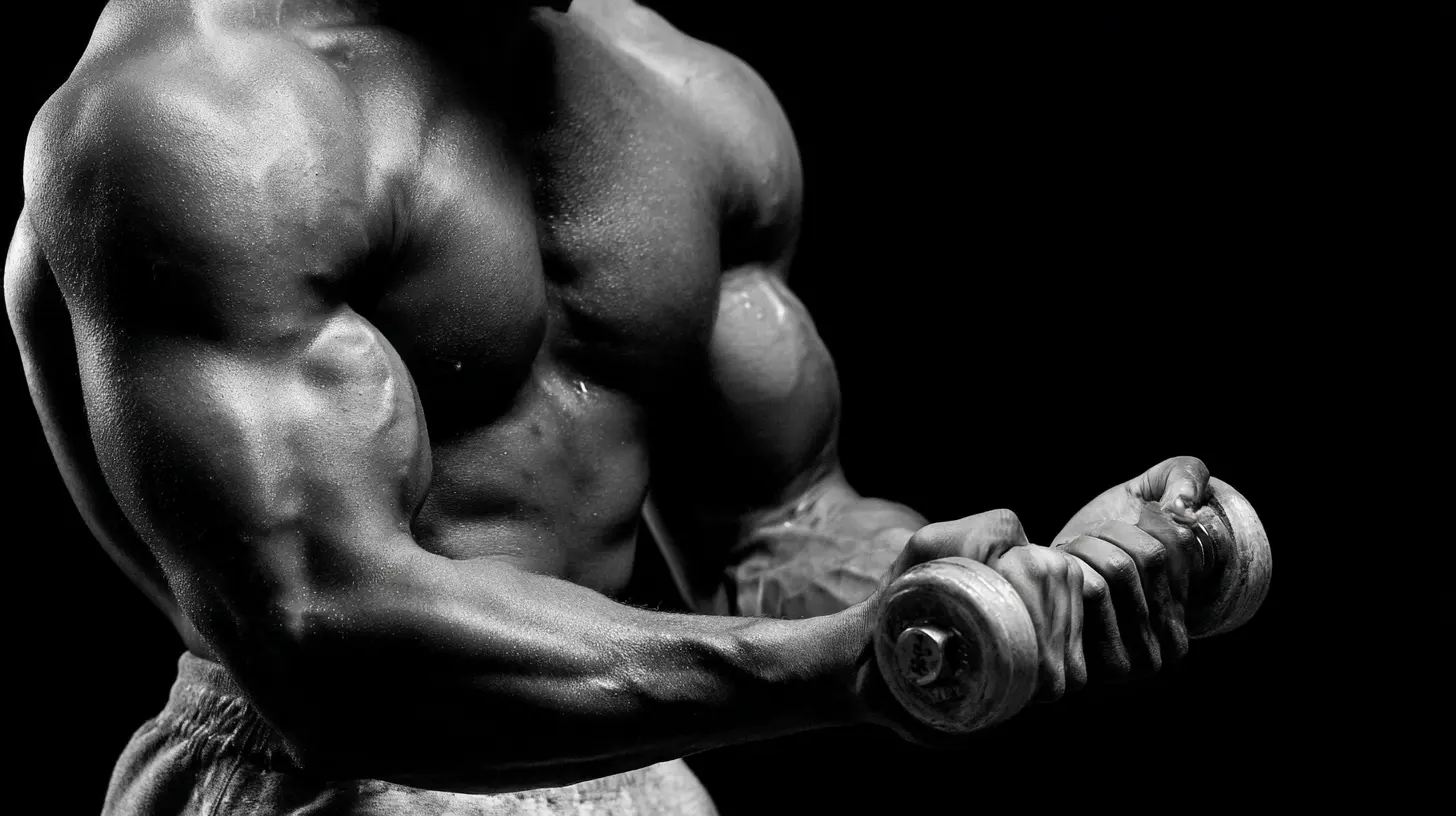
Sleep: The Ultimate Recovery Tool
If you’re not prioritizing sleep, you’re leaving gains on the table. Sleep is when your body goes into full repair mode, releasing growth hormones that aid in muscle recovery.How Much Sleep Do You Need?
Most bodybuilders should aim for 7–9 hours of high-quality sleep every night. If you're in a heavy training phase, your body may need even more.Tips for Better Sleep
- Stick to a schedule – Go to bed and wake up at the same time every day.- Optimize your sleep environment – Keep your room cool, dark, and quiet.
- Limit screen time before bed – Blue light from screens messes with melatonin production.
- Avoid stimulants late in the day – Skip caffeine at least 6 hours before bedtime.
- Try magnesium or herbal teas – Natural sleep enhancers like magnesium and chamomile tea can help.

Nutrition: Fueling Recovery
Muscle recovery isn’t just about rest—it’s also about what you feed your body. Your muscles need the right nutrients to repair and grow.Key Nutrients for Recovery
- Protein – Protein is crucial for muscle repair. Aim for 1.2–2.2 grams per kilogram of body weight.- Carbohydrates – Carbs replenish glycogen stores depleted during workouts.
- Healthy Fats – Omega-3s help reduce inflammation and aid in muscle recovery.
- Hydration – Water is essential for nutrient transport and muscle function.
Best Post-Workout Recovery Foods
- Lean meats (chicken, turkey, fish)- Eggs
- Greek yogurt
- Oatmeal
- Sweet potatoes
- Nuts and seeds
- Protein shakes

Active Recovery: Keep Moving Without Overdoing It
Taking a rest day doesn’t mean sitting still all day. Active recovery involves low-intensity activities that boost circulation and help muscle repair.Best Active Recovery Activities
- Walking or light jogging – Helps increase blood flow without straining muscles.- Stretching and mobility work – Keeps muscles flexible and prevents stiffness.
- Foam rolling – Breaks up muscle knots and improves circulation.
- Yoga – A great way to improve flexibility and aid relaxation.
The Importance of Rest Days
More isn’t always better. Training too hard without proper rest leads to overtraining syndrome, which can cause fatigue, weakened immunity, and stalled progress.How Many Rest Days Do You Need?
This depends on your training intensity, but most bodybuilders should aim for at least one full rest day per week. Some may need more, especially after intense leg days or heavy lifting sessions.
Recovery Techniques to Speed Up Muscle Repair
Besides sleep, nutrition, and rest days, there are some advanced recovery techniques that can help your muscles bounce back faster.Cold Therapy (Ice Baths & Cryotherapy)
Ice baths and cryotherapy can reduce muscle soreness and inflammation after intense workouts. Many pro athletes swear by this for faster recovery.Heat Therapy (Saunas & Hot Baths)
Heat helps relax muscles, increase blood flow, and ease tension. A few sessions in a sauna each week can enhance recovery.Massage Therapy
Deep tissue massage can help break down knots, improve circulation, and reduce soreness. Foam rolling is a good alternative if a massage isn’t an option.Compression Gear
Wearing compression clothing can increase circulation and reduce muscle fatigue, making it a helpful recovery tool.Supplements for Recovery
While whole foods should be your priority, certain supplements can help speed up recovery.Best Supplements for Muscle Recovery
- Whey or casein protein – Helps meet daily protein requirements.- Branched-chain amino acids (BCAAs) – May reduce muscle soreness.
- Creatine – Helps with muscle recovery and strength gains.
- Glutamine – Aids in muscle repair.
- Turmeric/Curcumin – A natural anti-inflammatory.
Stress Management for Better Recovery
Stress wreaks havoc on recovery. High cortisol levels (the stress hormone) can slow down muscle growth and increase fat storage—not great for bodybuilding.Ways to Reduce Stress
- Meditation and deep breathing – Helps lower cortisol levels.- Hobbies and downtime – Take time to do things you enjoy outside the gym.
- Good time management – Avoid overloading your schedule to prevent burnout.
Common Recovery Mistakes to Avoid
Even seasoned bodybuilders make mistakes when it comes to recovery. Here are some of the most common ones:- Skipping rest days – More training doesn’t always mean more gains. It can hinder progress.
- Not sleeping enough – Your muscles need deep sleep to rebuild.
- Ignoring hydration – Even mild dehydration can impact muscle recovery.
- Neglecting mobility work – Poor flexibility can lead to injury over time.
- Over-relying on supplements – Whole foods should always come first.
Final Thoughts
Recovery isn’t just something to think about when you’re feeling sore—it should be a key part of your bodybuilding routine. By prioritizing sleep, nutrition, active rest, and stress management, you'll build more muscle, reduce injury risk, and improve overall performance.So next time you hit the gym, remember: your muscles grow when you rest. Train hard, but recover harder. Your future self (and your gains) will thank you!
all images in this post were generated using AI tools
Category:
BodybuildingAuthor:

Angelo McGillivray
Discussion
rate this article
2 comments
Melanie Bennett
Rest and recovery are crucial for bodybuilding success. Prioritizing quality sleep and incorporating active recovery strategies can enhance muscle growth and performance. Listen to your body and adapt your routine for optimal results.
May 13, 2026 at 3:15 AM
Angelo McGillivray
Absolutely. Prioritizing rest and recovery is key. Quality sleep and active recovery really do make a difference in muscle growth and overall performance. Listening to your body is essential for maximizing results.
Felicity Hines
Prioritize sleep and nutrition to enhance recovery. Incorporate active rest days and listen to your body's signals for optimal performance in bodybuilding.
May 8, 2026 at 3:56 AM
Angelo McGillivray
Great points! Sleep and nutrition are crucial for recovery. Active rest days can really help keep the body in balance. Listening to your body is key for progress. Thanks for sharing your insights!