Prepping Your Home for Cold and Flu Season
1 November 2026
Every autumn, something predictable happens in households across the country. The kids go back to school, the weather turns, and within a few weeks somebody starts sniffling. Then somebody else. Then the whole house is a chorus of coughs and crumpled tissues.
You can't germ-proof a home completely. Respiratory viruses move through communities regardless of how careful we are, and pretending otherwise sets you up for frustration. But the gap between a household that gets flattened by every bug that comes through and one that mostly shrugs it off isn't luck. It's a set of small, boring, repeatable habits that most people never bother to set up. This guide is about building those habits before the season starts, when you have the energy and the clear head to do it properly.
Think of it like winterizing a car. You don't wait for the first ice storm to think about antifreeze. You do the prep in October so that January takes care of itself.
Why Timing Matters More Than Intensity
Most people react to illness instead of preparing for it. Someone gets sick, and suddenly there's a frantic trip to the pharmacy and a deep clean of the bathroom. That's understandable, but it's backward.The window that matters most is the one before anyone in your house is symptomatic. Once a virus is actively spreading indoors, your options narrow considerably. You're in damage control mode. The time to stock supplies, set up systems, and establish routines is when everyone is healthy, because that's when you can think clearly and act without urgency.
There's a practical reason this works, too. Household transmission of respiratory viruses often happens in the day or two before someone realizes they're sick, when viral load is building but symptoms haven't fully arrived. By the time a person knows they have a cold or the flu, they've likely already been breathing, coughing, and touching shared surfaces for a while. Preparation is what limits the spread during that blind spot.
So the goal isn't to create a sterile bunker. It's to make your home a place where viruses have a harder time moving from person to person, and where a sick person can be cared for without dragging the whole household down with them.
The Real Transmission Picture: What Actually Spreads Germs at Home
Before you buy anything, it helps to understand what you're actually trying to interrupt. Cold and flu viruses spread through a few main routes, and each one calls for a different kind of response.Respiratory droplets and aerosols. When someone coughs, sneezes, talks, or simply breathes, they release particles. Larger droplets tend to fall quickly onto nearby surfaces. Smaller aerosols can hang in the air and travel further than people realize, especially in rooms with poor ventilation. This is why ventilation and air quality matter so much, and why standing six feet away from a sick person isn't the bulletproof rule people once thought it was.
Contaminated surfaces and hands. Viruses can land on doorknobs, faucets, remote controls, and countertops. You touch them, then touch your face, and the virus finds a way in. Hand hygiene and surface cleaning interrupt this chain, but only if you're consistent about it.
Close-contact settings. Shared bedrooms, shared bathrooms, and family meals are high-risk zones because they combine all of the above.
Here's the key insight most cleaning guides miss: not every surface deserves equal attention. Obsessing over every square inch of floor is wasted effort. The surfaces that matter are the high-touch ones that sit between people, and the air that everyone shares. Focus there first.
Build a Sick-Day Supply Station Before You Need It
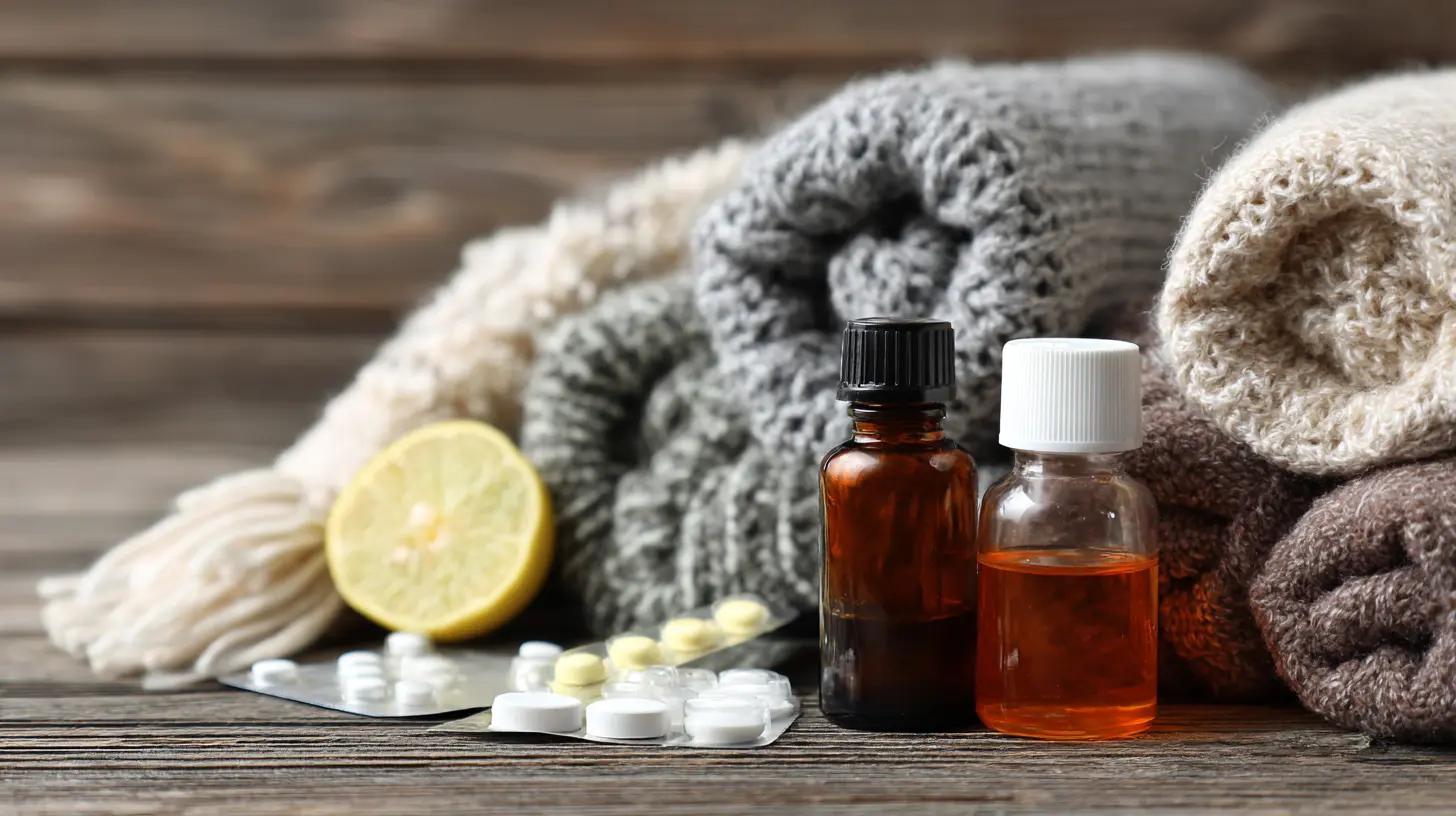
When you're the one with a fever and a pounding headache, the last thing you want is to hunt for a thermometer at 2 a.m. A dedicated sick-day kit removes that friction.What belongs in the kit
- A working digital thermometer, plus spare batteries. Check it now, not when someone is shaking with chills.- Fever reducers and pain relievers appropriate for each age group in your home, including children's formulations if you have kids.
- Oral rehydration solutions or electrolyte packets. These are genuinely useful for dehydration from fever, vomiting, or diarrhea, and they're more effective than sports drinks for rehydration because the sugar and salt ratios are designed for it.
- A pulse oximeter. This is optional for most healthy adults, but it can be reassuring for households with older adults or people with chronic lung conditions. It's not a substitute for medical judgment.
- Tissues, cough drops, saline nasal spray, and a humidifier.
- Face masks. A small supply of well-fitting masks is still one of the most practical tools for keeping a sick person from infecting everyone else.
- A few easy-to-prepare foods: broth, crackers, instant soups, applesauce pouches.
- A written list of your primary care provider, pharmacy, and local urgent care, plus insurance cards in one known spot.
The trade-off to consider
You can go minimalist or you can go deep. A minimalist kit covers the basics and takes up one drawer. A deep kit includes more comfort items and backup supplies. The minimalist approach is easier to maintain and less likely to expire unused. The deep approach is more forgiving if multiple people get sick at once or if you can't get to a store. Most families do best with a middle path: solid basics, checked once a year, with a note on the calendar to replace expired medications.The most common mistake here is buying supplies and never checking them again. Medications expire. Batteries leak. Saline spray gets gross. Pick a date, maybe the same weekend you change your smoke detector batteries, and audit the kit.
Ventilation: The Most Underrated Defense
If there's one area where most households fall short, it's indoor air. People spend enormous energy wiping counters and comparatively little on the air everyone breathes for hours.Respiratory viruses concentrate in stale indoor air. The more fresh air you exchange with the outside, the more you dilute whatever is floating around. This is simple physics, and it works whether or not anyone in the house is currently sick.
Practical ways to improve ventilation
Open windows, even briefly. Cracking a window for ten to fifteen minutes a few times a day can meaningfully refresh a room. You don't need a sauna-level draft. Cross-ventilation, where air flows in one window and out another, is more effective than a single open window.Use exhaust fans. Bathroom and kitchen fans pull air out of the house. Running the bathroom fan during and after showers helps with moisture, and it also moves air. If you have a fan that vents outdoors, use it.
Upgrade filtration if you can. A portable air cleaner with a HEPA filter can reduce airborne particles in a room. The catch is that it needs to be sized for the room, and filters need replacing. A small unit in a large open living room does very little. If you're considering one, match the unit's clean air delivery rate to the square footage, and put it where the sick person is, not in a distant corner.
Run your HVAC fan more. Many thermostats let you run the fan continuously or for a set period each hour. This circulates air through your filter even when heating or cooling isn't running. It's a low-effort improvement, though it does use a bit more electricity and means changing filters more often.
The trade-off
Ventilation improvements range from free (opening a window) to expensive (whole-house filtration systems). The free options deliver a surprising amount of benefit. The expensive options are worth considering if someone in the household is immunocompromised or if you live in a place where outdoor air quality or extreme cold limits window use. Don't feel pressured to buy equipment before you've maxed out the free stuff.Humidity: The Goldilocks Problem
Dry air is a cold-season reality in heated homes, and it does two things that matter. First, it dries out nasal passages, which can make them more vulnerable to irritation and less effective at filtering what you breathe in. Second, very low humidity can affect how long some viruses remain viable in the air and on surfaces, though the research here is complex and doesn't support simple claims.The practical takeaway: aim for indoor relative humidity in a comfortable middle range, roughly 30 to 50 percent. Too dry and you get irritated airways and static shocks. Too humid and you invite mold and dust mites, which is a different problem entirely.
A cheap hygrometer will tell you where you stand. If you're consistently below 30 percent, a humidifier in the bedroom or main living area can help. Clean it regularly, because a neglected humidifier can become a breeding ground for mold and bacteria, which defeats the purpose. If you're above 50 percent, run exhaust fans and consider a dehumidifier, especially in basements.
Cleaning Surfaces: Smarter, Not Harder
Here's where a lot of effort gets wasted. People scrub floors and windows while ignoring the actual hot spots.Prioritize high-touch surfaces
- Doorknobs and handles- Light switches
- Faucets and toilet flush handles
- Refrigerator and microwave handles
- Remote controls and game controllers
- Phones and tablets
- Countertops where food is prepared
- Stair railings
These are the surfaces that sit between people. A doorknob in a shared hallway gets touched dozens of times a day by everyone in the house. That's where the transmission action is.
Clean versus disinfect: know the difference
Cleaning removes dirt, grime, and many germs physically. Disinfecting kills germs on a surface. You generally need to clean first, because dirt can shield germs from disinfectants. For everyday household use, plain soap and water or an all-purpose cleaner handles most situations. Reserve disinfectants for when someone is actually sick or when a surface has been visibly contaminated.The disinfectant trade-off
There are several valid approaches, and each has downsides. Bleach solutions are effective and cheap but can irritate lungs and damage some surfaces. Alcohol-based products work well on many surfaces but evaporate fast and can damage certain plastics and finishes. Quaternary ammonium compounds are common in household disinfectants but require careful use and shouldn't be used around food preparation areas without rinsing. Hydrogen peroxide-based cleaners are gentler but may need longer contact time.Whatever you choose, read the label for contact time. A disinfectant sprayed and immediately wiped does almost nothing. It needs to stay wet on the surface for the stated time, which is often several minutes.
The common mistake
Over-disinfecting. Some households spray disinfectant everywhere constantly, which wastes money, exposes people to unnecessary chemicals, and can contribute to the development of resistant organisms over time. Routine cleaning of high-touch surfaces is enough for most days. Save the heavier disinfection for when someone is sick.Hand Hygiene: Simple, But People Get It Wrong
Handwashing is the most effective single habit for reducing household spread, and it's also the one people are most casual about.What actually works
Wet your hands, lather with soap, scrub for at least twenty seconds, covering backs of hands, between fingers, and under nails, then rinse and dry. Soap and water outperform hand sanitizer when hands are visibly dirty or greasy. Hand sanitizer with at least 60 percent alcohol is a fine backup when you can't wash.Where to place supplies
Put soap at every sink. Keep hand sanitizer near the entryway and in the car. The goal is to make the right behavior the easy behavior. If the only soap is in the bathroom and someone walks in the front door after school, they'll skip it.The misconception
Many people believe hot water kills germs on hands. It doesn't, not at temperatures you can tolerate. Comfortable water is fine. The mechanical action of scrubbing and the soap do the work.
Setting Up a Sick Room
When someone does get sick, having a plan for where they'll spend most of their time makes a real difference. It's not about quarantine drama. It's about giving a sick person a comfortable space and limiting how much of the house they contaminate.Practical setup
- Choose a room with a door that closes, ideally with its own bathroom or easy access to one.- Stock it with the sick-day kit, water, tissues, a trash can with a liner, and entertainment.
- Use a dedicated towel and washcloth for the sick person, and wash them separately or with hot water.
- If masks are tolerated, having the sick person wear one when others enter the room reduces exposure. This works best with well-fitting masks and is most valuable during the first days of illness when viral shedding tends to be highest.
- Keep the door closed and crack a window or run a fan to improve air exchange.
When a sick room isn't realistic
In small apartments or large families, full separation may be impossible. In that case, focus on the highest-yield actions: ventilation, hand hygiene, masking when close together, and cleaning high-touch surfaces more often. Perfect isolation isn't the goal. Reducing exposure is.Sleep, Nutrition, and the Immune System Conversation
You'll see a lot of claims about boosting immunity. Most are oversold. There's no supplement that turns your immune system into a fortress, and anyone selling one is probably selling something else too.What the evidence does support is that basic health habits influence how well your body handles infections. Consistent sleep, adequate nutrition, regular movement, and managing chronic stress all matter. They're not glamorous, and they don't come in a bottle, but they're the real foundation.
Practical angles for the cold season
- Keep bedtimes consistent, especially for kids. Sleep disruption is common during school transitions and holidays, and it's worth protecting.- Keep easy protein and produce on hand so that quick meals during busy weeks aren't purely processed. This is a logistics problem more than a willpower problem.
- Get outside when you can. Daylight and movement help mood and sleep quality, which matter more than people give them credit for.
- Don't chase megadoses of vitamins. If you're concerned about a specific deficiency, talk to a clinician rather than guessing.
Vaccination: The One Thing Worth Planning Around
Flu vaccination is the most targeted tool available for the season, and timing it well is part of home prep. Because flu activity typically peaks in the colder months, getting vaccinated in the early fall gives your body time to build protection before the season ramps up. The exact timing varies by region and by personal circumstances, so it's worth a conversation with your clinician rather than a fixed rule.The practical household angle: if everyone who can get vaccinated does so, the whole household's risk profile improves. This is especially true for households with infants, older adults, or people with conditions that make respiratory illness riskier.
Common Mistakes and Misconceptions to Avoid
Mistake: Waiting until someone is sick to stock up. By then you're exposed, tired, and possibly contagious yourself. Prep early.Mistake: Focusing on floors and windows while ignoring air and high-touch surfaces. Effort should follow transmission risk, not visibility.
Misconception: Cold weather causes colds. Cold weather correlates with cold season, but the driver is more about indoor crowding, dry air, and seasonal virus patterns than temperature itself. Bundling up is still smart, just not for the reason people think.
Misconception: You can catch the flu from the flu shot. Injectable flu vaccines don't contain live virus. Mild soreness or a low-grade feeling of tiredness after vaccination is a normal immune response, not the flu.
Mistake: Overusing disinfectants everywhere. Routine cleaning handles most days. Save heavy disinfection for active illness.
Mistake: Neglecting the humidifier. A dirty humidifier can spray mold and bacteria into the air. Clean and descale it regularly, and follow the manufacturer's instructions.
Mistake: Assuming one big cleaning day covers the season. Viruses don't respect spring cleaning. Consistency beats intensity.
A Simple Seasonal Prep Checklist
Here's a practical sequence you can work through over a weekend or two.1. Audit the sick-day kit. Replace expired medications and dead batteries.
2. Test your thermometer and pulse oximeter if you have one.
3. Check your HVAC filter and replace it if it's dirty. Note the size for future purchases.
4. Consider a portable air cleaner for the main living area or a bedroom, sized correctly for the room.
5. Buy a hygrometer and check indoor humidity. Address extremes with a humidifier or dehumidifier.
6. Restock soap at every sink and place hand sanitizer near entryways.
7. Clean and disinfect high-touch surfaces, then set a weekly routine.
8. Set up a sick room plan, even if it's just deciding which room and what goes in it.
9. Check vaccination status for everyone in the household and schedule anything that's due.
10. Put a reminder on the calendar to re-audit supplies in a few months.
None of this is dramatic. That's the point. The households that handle cold and flu season well aren't doing anything heroic. They've just removed the friction from the right behaviors, so that when the season hits, the good habits happen almost automatically.
The Bottom Line
Prepping your home for cold and flu season is less about buying products and more about reducing the number of easy paths a virus can take through your household. Prioritize air, hands, and high-touch surfaces. Build a supply kit you'll actually maintain. Set up a sick room before you need one. And skip the supplements and gimmicks in favor of sleep, food, and consistency.You won't prevent every sniffle. But you can absolutely change how hard a season hits your household, and the prep work is a lot more pleasant in October than in the middle of a February fever.
all images in this post were generated using AI tools
Category:
Cold And Flu PreventionAuthor:

Angelo McGillivray