Reducing Inflammation to Support Hormonal Balance
24 January 2026
Let’s be honest—when we feel “off,” it’s easy to blame hormones. Mood swings, fatigue, stubborn weight, acne, poor sleep… you name it. Hormones seem to be the usual suspects. But what if the true mastermind behind the chaos isn't just hormones, but inflammation?
Here’s the deal: chronic inflammation is like a silent saboteur. It creeps in, disrupts your body’s communication system (aka your hormones), and makes everything harder—from getting quality sleep to maintaining a healthy weight. If you’ve been trying to balance your hormones with little success, you might be overlooking inflammation.
In this deep dive, we’ll break down how inflammation messes with your hormones, how you can spot it, and most importantly, how you can reduce it naturally to restore harmony in your body. Ready to get your groove back? Let’s go.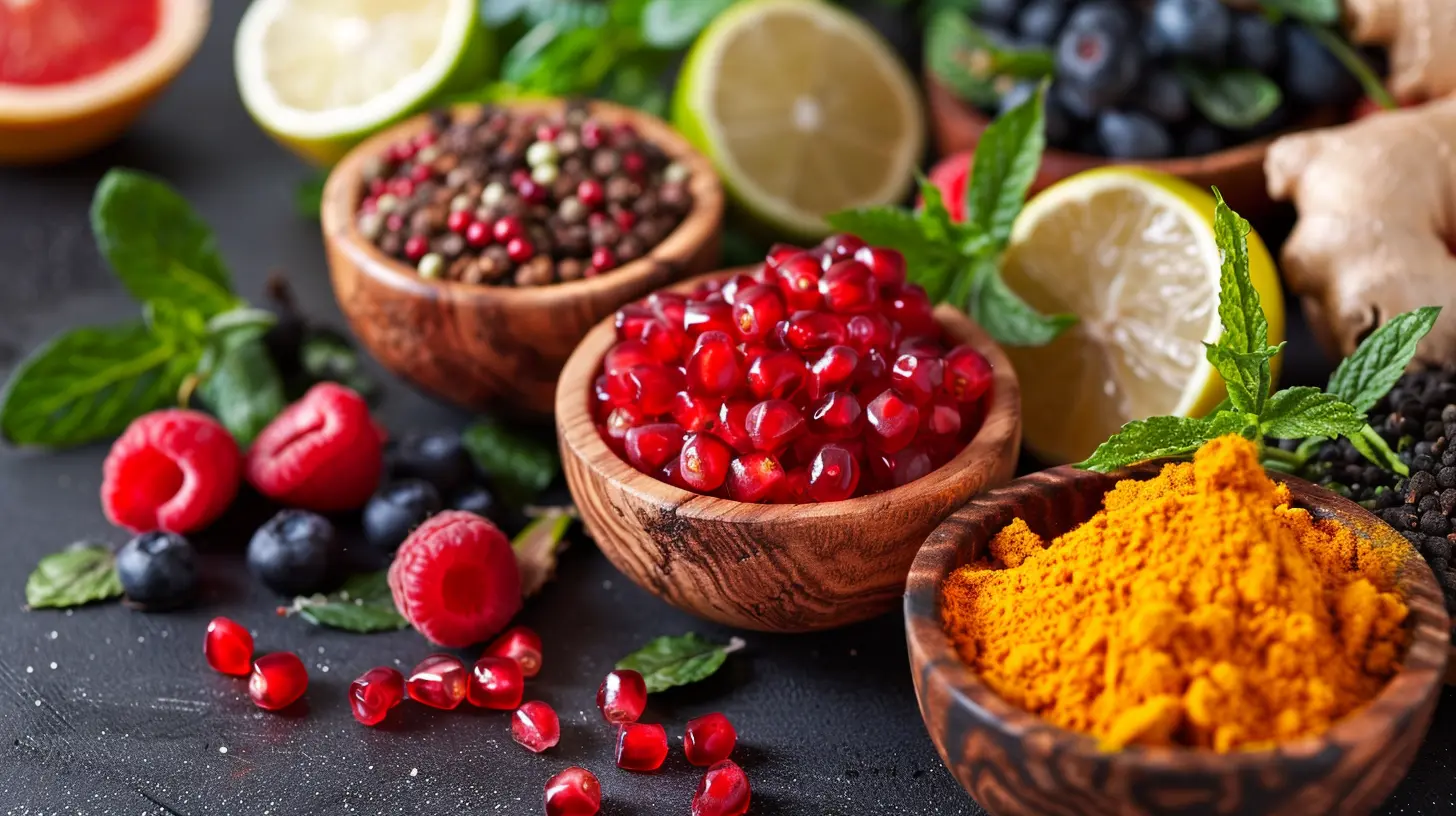
What Even Is Inflammation?
You hear the word all the time—but what is inflammation, really?Inflammation is a necessary part of your immune system. When your body senses danger—from injuries, infections, or toxins—it sends out an army of white blood cells to protect you. That’s acute inflammation, and it's a good thing. Think: swelling around a sprained ankle or redness around a cut.
But chronic inflammation? That’s the bad guy. It’s like your immune system has a broken off-switch. It keeps pumping out inflammatory chemicals even when there’s no real threat. Over time, that low-grade fire burns in the background and wreaks havoc on your body, including your hormones.
The Inflammation-Hormone Connection
Think of your hormones as messengers delivering vital information across your body. Now imagine inflammation as a fog that garbles the messages. When inflammation is high, your hormones can’t do their job properly, and that leads to symptoms like:- Irregular periods
- Weight gain (especially around the belly)
- Mood swings
- Fatigue
- Blood sugar imbalances
- Infertility
- Poor sleep
It’s not just one hormone that takes a hit—cortisol, insulin, estrogen, progesterone, testosterone, and thyroid hormones all get thrown off balance. It’s like a hormonal domino effect.
Signs You Might Be Dealing with Chronic Inflammation
Before we go into the “fix,” let’s make sure inflammation is actually part of your problem. Here are some common signs of chronic inflammation:- Persistent fatigue
- Brain fog
- Joint or muscle pain without a clear cause
- Frequent colds or infections
- Skin issues like eczema or acne
- Digestive problems (bloating, constipation, diarrhea)
- Unexplained weight gain or trouble losing weight
If those symptoms sound familiar, keep reading. The good news is, lifestyle and diet changes can make a big difference.
The Hormones Most Affected by Inflammation
🧠 Cortisol (The Stress Hormone)
Chronic inflammation raises cortisol levels because your body stays in a constant fight-or-flight mode. Over time, this exhausts your adrenal glands, leading to burnout and hormonal fatigue.🍬 Insulin (The Blood Sugar Regulator)
Inflammation makes your cells resistant to insulin. When that happens, your body pumps out even more insulin to compensate, which can lead to weight gain, especially around the belly—a hormone problem and metabolic one wrapped into one messy package.♀️ Estrogen and Progesterone
Inflammation can mess with estrogen metabolism and increase something called estrogen dominance (too much estrogen compared to progesterone). This can result in PMS, heavy periods, breast tenderness, and even mood swings that feel out of your control.🔥 Thyroid Hormones
Inflammation can slow down your thyroid function, especially if it's autoimmune-related (like Hashimoto’s). That means a sluggish metabolism, cold hands, thinning hair, and feeling tired all the time.
How to Reduce Inflammation Naturally (And Support Your Hormones)
Now the fun part—what you can actually do about it! Here’s a real-world, no-nonsense guide to reducing inflammation and giving your hormones the love they deserve.1. Clean Up Your Diet (Without Going Crazy)
What you eat directly fuels or fights inflammation. It’s that simple.Foods That Fuel Inflammation:
- Processed sugar (yes, even that “healthy” granola bar)- Refined carbs (white bread, pasta, pastries)
- Vegetable oils (canola, soybean, corn oil)
- Processed meats
- Artificial additives and sweeteners
Foods That Fight Inflammation:
- Leafy greens (spinach, kale, arugula)- Fatty fish (salmon, sardines, mackerel)
- Berries (blueberries, raspberries)
- Nuts and seeds (especially walnuts and flaxseeds)
- Olive oil and avocado
- Turmeric, ginger, and garlic
Instead of thinking restriction, think substitution. Swap in anti-inflammatory foods one at a time. Your hormones (and taste buds) will thank you.
2. Balance Your Blood Sugar
If your blood sugar is on a rollercoaster, so are your hormones. Every spike causes a spike in insulin, followed by a crash—leading to cravings, fatigue, mood swings, and inflammation.To keep blood sugar steady:
- Eat protein with every meal (eggs, beans, meat, lentils)
- Pair carbs with fat or fiber
- Don’t skip meals—especially breakfast
- Avoid sugary snacks and drinks
3. Focus on Gut Health
Here’s something wild: 70% of your immune system lives in your gut. That means gut inflammation = whole-body inflammation.Signs your gut may be inflamed:
- Bloating
- Gas
- Irregular bowel movements
- Skin issues
- Food sensitivities
To support gut health:
- Eat fermented foods (sauerkraut, kimchi, Greek yogurt)
- Add prebiotic-rich foods (asparagus, garlic, bananas)
- Reduce or eliminate processed foods
- Try a quality probiotic supplement
Your gut is essentially the control center for your hormones—treat it like royalty.
4. Prioritize Sleep Like It’s Your Job
Sleep is when your body repairs, detoxes, and regulates hormones. Inflammation skyrockets when you’re not getting enough rest, and hormonal balance becomes impossible.Tips for better sleep:
- Go to bed at the same time every night
- Avoid screens 1 hour before bed
- Keep your room cool and dark
- Try magnesium or herbal tea to wind down
Aim for at least 7–8 hours per night. Netflix can wait.
5. Manage Stress (Without Pretending It Doesn’t Exist)
Let’s be real—modern life is stressful. But if you don’t actively manage stress, your body keeps pumping out cortisol. And a cortisol overload triggers—you guessed it—inflammation.Simple ways to lower stress:
- Deep breathing (seriously, it works)
- Walking in nature (sunlight + movement = magic)
- Journaling your thoughts
- Saying “no” more often
- Doing one thing each day that brings you joy
You don’t need to meditate for an hour. Even five minutes of calm can shift your body out of stress mode.
6. Move Your Body (But Don’t Overdo It)
Exercise is a double-edged sword. Done right, it lowers inflammation. Pushed too far, it raises cortisol and adds more stress to your system.Aim for:
- Daily walks
- Strength training 2–3x/week
- Yoga or stretching
- Occasional cardio bursts (HIIT, swimming, cycling)
Listen to your body. If you’re feeling depleted after every workout, you might be overexercising—which can worsen hormonal imbalances.
7. Support Detox Pathways Naturally
Your liver breaks down excess hormones and toxins. But when it’s overloaded, inflammation kicks in and estrogen can go rogue. Helping your liver helps your hormones.Ways to support detox:
- Drink plenty of water
- Eat cruciferous veggies (broccoli, cauliflower, Brussels sprouts)
- Limit alcohol (yep, even that “clean” wine)
- Get sweaty (saunas, exercise, even hot baths)
- Consider milk thistle or dandelion root tea
Think of detox like taking out the trash—essential for order and balance in the system.
8. Consider Targeted Supplements
Supplements can help reduce inflammation, but they’re not miracle cures. They work best alongside lifestyle changes.Some helpful options:
- Omega-3 fatty acids (EPA & DHA)
- Magnesium (especially glycinate or citrate)
- Curcumin (turmeric extract)
- Vitamin D3
- Probiotics
- Adaptogens like ashwagandha or holy basil
Always talk to your doctor or a certified practitioner before adding anything new.
Final Thoughts: It’s Not Just About Hormones, It’s About the Whole System
When you take a step back, your body works as an integrated system. Hormones aren’t malfunctioning in isolation—there’s a root cause. And more often than not, that root is inflammation.The beauty of addressing inflammation is that you’re not just helping your hormones. You’re improving your energy, your brain, your digestion, your skin, your sleep—your whole life.
So, if you’re struggling with hormonal chaos, don’t just chase symptoms. Target the inflammation. Start with small, sustainable steps. You’ll be amazed at how big a difference they can make.
Remember, healing doesn’t mean doing everything perfectly. It means giving your body the support it needs to do what it’s designed to do: thrive.
all images in this post were generated using AI tools
Category:
Hormonal BalanceAuthor:

Angelo McGillivray
Discussion
rate this article
2 comments
Hattie Mason
Inflammation is the silent saboteur of hormonal health. Don't settle for mediocrity—take charge, prioritize anti-inflammatory foods, and reclaim your balance. Your body deserves nothing less than optimal wellness!
February 26, 2026 at 3:52 PM
Angelo McGillivray
Thank you for highlighting the crucial link between inflammation and hormonal health! Prioritizing anti-inflammatory foods is indeed essential for achieving optimal wellness. Let's empower ourselves to make mindful choices for our bodies!
Arianth Anderson
Great article! Reducing inflammation is such a crucial step for achieving hormonal balance. Can't wait to try some of these tips for a healthier lifestyle!
January 25, 2026 at 4:52 AM
Angelo McGillivray
Thank you! I'm glad you found the article helpful. Wishing you the best on your journey to better health!