Signs Your Gut May Be Crying for Help
12 May 2026
Your gut is more than just a digestive system—it's like a second brain, influencing everything from your mood to your immune health. If your gut is struggling, your entire body can feel the effects. But how do you know if your gut is in trouble? Here are some telltale signs that your gut might be crying for help. 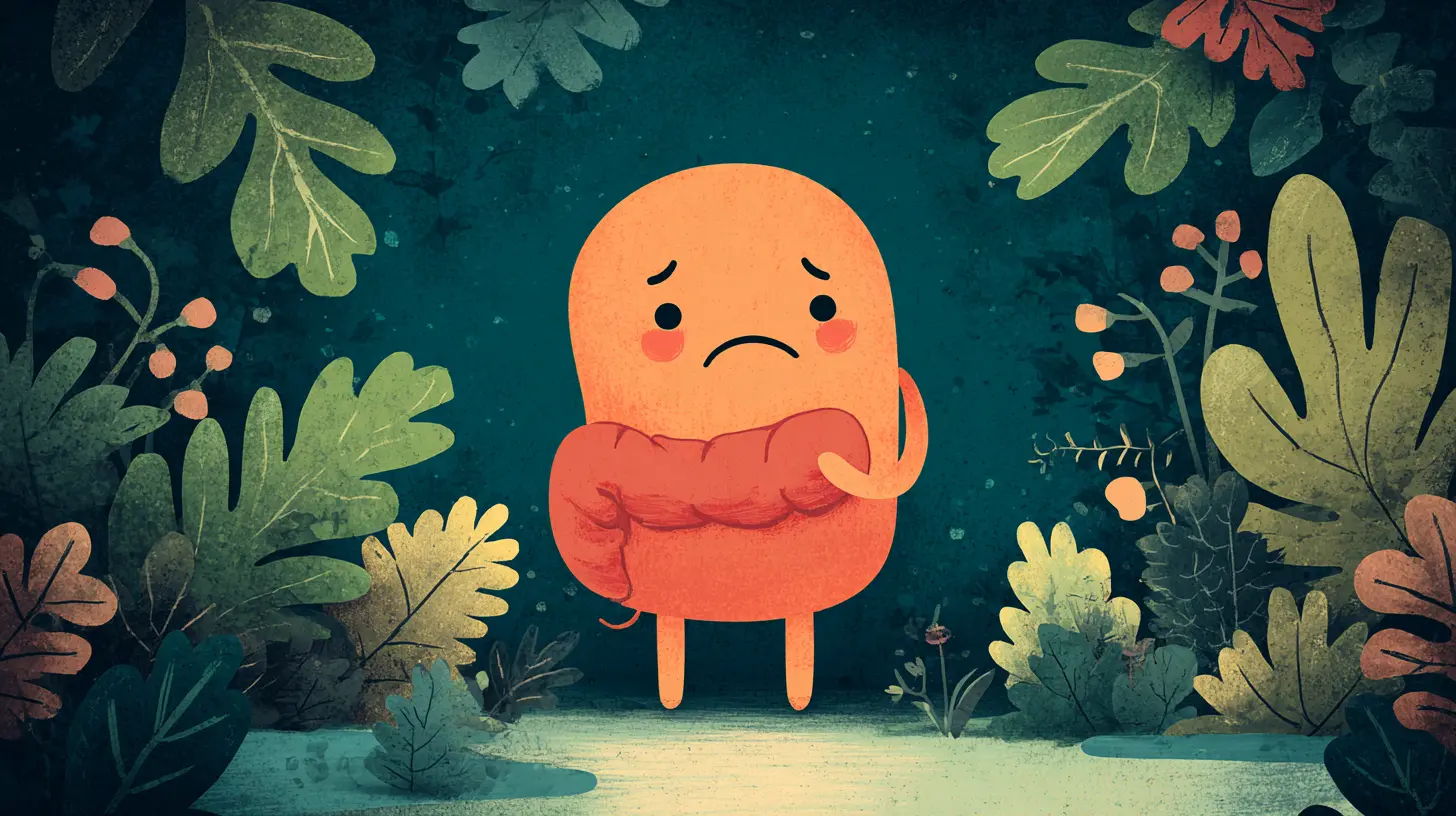
1. Frequent Digestive Issues
Your gut's main job is digesting food and absorbing nutrients. If it's not functioning properly, you might notice:- Bloating – Feeling like your stomach is about to explode after meals? That could mean poor digestion or an imbalance of gut bacteria.
- Gas – While some gas is normal, excessive gas that leaves you feeling uncomfortable may signal an unhealthy gut.
- Constipation or Diarrhea – A gut that's out of balance can speed things up (diarrhea) or slow them down (constipation).
- Heartburn or Acid Reflux – If you're constantly reaching for antacids, your gut might be inflamed or struggling with food breakdown.
Your gut should process food smoothly. If you're dealing with ongoing digestive distress, it might be a red flag. 
2. Unexplained Fatigue and Low Energy
Do you feel exhausted even after a good night's sleep? Your gut health could be to blame. A damaged gut may not absorb essential nutrients like iron, B12, and magnesium, which are crucial for energy production.Additionally, an unhealthy gut can cause inflammation, which forces your body to use more energy to combat the issue. The result? Chronic fatigue and sluggishness. 
3. Frequent Sugar Cravings
Do you constantly find yourself craving sweets? Your gut bacteria might be influencing your food choices. Certain harmful bacteria and yeasts thrive on sugar, and they send signals to your brain, making you reach for that donut or soda.The more sugar you feed them, the stronger they get—and the worse your cravings become. It’s a vicious cycle! 
4. Skin Problems Like Acne or Eczema
Your gut and skin are deeply connected. When your gut is unhealthy, it can trigger inflammation that shows up as:- Acne – An imbalanced gut can lead to poor digestion, affecting how your body eliminates toxins.
- Eczema or Psoriasis – Many skin conditions are linked to gut inflammation and food sensitivities.
If you’ve tried every skincare product under the sun and nothing works, it might be time to focus on healing your gut.
5. Mood Swings, Anxiety, or Depression
Ever feel like your emotions are all over the place? Your gut and brain are directly connected through the gut-brain axis. In fact, about 90% of your serotonin (the "feel-good" hormone) is produced in your gut!When your gut is inflamed or imbalanced, it can lead to:
- Anxiety and Depression – A struggling gut may not produce enough serotonin, affecting your mood.
- Brain Fog – Difficulty concentrating? Your gut may be struggling to regulate inflammation, which affects brain function.
Taking care of your gut might just improve your mental health, too!
6. Unintentional Weight Fluctuations
Gaining or losing weight without any major changes to your diet or exercise routine? Your gut health might be the culprit.An unhealthy gut can:
- Reduce your body's ability to absorb nutrients properly, leading to weight loss.
- Trigger insulin resistance and increased hunger, causing weight gain.
If your weight keeps changing unexpectedly, focusing on gut health could help restore balance.
7. Autoimmune Conditions and Inflammation
A struggling gut can trigger chronic inflammation, which may lead to autoimmune diseases like:- Rheumatoid arthritis
- Hashimoto’s thyroiditis
- Multiple sclerosis
- Inflammatory bowel disease (IBD)
Your gut plays a huge role in regulating inflammation. When it’s not functioning well, your immune system can go into overdrive and start attacking your own body.
8. Constantly Getting Sick
Your gut is home to about 70% of your immune system. If you’re frequently catching colds, dealing with infections, or struggling to recover from illness, it might be because your gut isn’t providing the protection your body needs.A strong gut = a strong immune system.
9. Food Intolerances and Sensitivities
Do you frequently experience bloating, cramps, or nausea after eating certain foods? This may indicate a food intolerance, which is often linked to poor gut health.An imbalanced gut can struggle to break down certain foods, leading to unpleasant reactions. Common culprits include:
- Dairy
- Gluten
- Soy
- Processed foods
If certain foods make you feel awful, your gut may be telling you something.
10. Bad Breath (Even With Good Oral Hygiene)
Your mouth and gut are closely connected. If you suffer from persistent bad breath despite brushing and flossing, your gut bacteria might be out of balance.An overgrowth of harmful bacteria in your gut can lead to foul-smelling breath, acid reflux, and other digestive issues.
How to Improve Your Gut Health
If your gut is showing signs of distress, don’t worry! There are plenty of ways to help it heal. Here are some simple but effective steps:1. Eat More Fiber
Whole foods like vegetables, fruits, nuts, and seeds help feed the good bacteria in your gut.2. Add Fermented Foods
Foods like yogurt, kimchi, sauerkraut, and kefir contain probiotics that support a healthy gut microbiome.3. Stay Hydrated
Water helps flush toxins from your gut and keeps digestion running smoothly.4. Cut Back on Processed Foods and Sugar
Highly processed foods and excess sugar can feed bad bacteria, worsening gut imbalance.5. Manage Stress
Chronic stress can mess with your gut. Try meditation, deep breathing, or yoga to keep stress levels in check.6. Get Enough Sleep
Your gut health and sleep are closely linked. Aim for at least 7-8 hours of quality sleep each night.7. Consider Probiotics and Prebiotics
Probiotics (good bacteria) and prebiotics (which feed good bacteria) can help restore the balance of your gut microbiome.Final Thoughts
Your gut health plays a massive role in your overall well-being. If you're experiencing any of these signs, your body might be telling you that your gut needs some extra care. By making a few simple lifestyle changes, you can support your gut and improve your digestion, energy, mood, and even your immune system.Listen to your gut—it knows more than you think!
all images in this post were generated using AI tools
Category:
Gut HealthAuthor:

Angelo McGillivray
Discussion
rate this article
2 comments
April McPherson
Is your gut in drama mode? Time for a hug!
June 1, 2026 at 4:39 AM
Angelo McGillivray
Absolutely, a hug can work wonders for both gut and heart!
Grant Mercado
Gut health is often overlooked, yet it's the body's silent messenger. If you're experiencing bloating, fatigue, or mood swings, it might be time to listen. Your gut whispers... will you finally take note?
May 15, 2026 at 4:26 PM
Angelo McGillivray
Absolutely, gut health is crucial. Our bodies often try to communicate when something's off. Paying attention to those signs can lead to better overall health.