Simple Daily Habits That Could Keep the Flu Away
1 September 2026
Every year, the flu season rolls around like an uninvited guest who refuses to take a hint. It disrupts work, school, and social plans, and it can leave you flat on your back for a week or more. While there is no magic shield that guarantees you will never get sick, there is a lot you can do on a daily basis to stack the odds in your favor.
The truth is that most flu prevention advice focuses on the obvious: get vaccinated, wash your hands, and stay home if you feel unwell. Those are all important, but they barely scratch the surface. The flu virus is resilient, and your body's defenses are complex. What you do in the hours before you ever touch a doorknob or shake a hand can determine whether a few viral particles turn into a full-blown infection.
This article walks through practical, science-informed habits that fit into a normal routine. These are not extreme measures or expensive gadgets. They are small, repeatable actions that support your immune system and reduce your exposure to the virus. Some of them might surprise you. Others you have heard before, but the reasoning behind them goes deeper than the usual public health slogans.
Why Daily Habits Matter More Than Seasonal Panic
Flu season creates a strange psychological effect. People suddenly become hyper-vigilant in November and December, then relax completely by March. But the influenza virus does not follow a strict calendar. In some regions, it circulates well into spring, and in tropical climates, it can appear at any time of year.The problem with seasonal panic is that it leads to crash efforts. You stock up on hand sanitizer, wipe down your desk obsessively for two weeks, then burn out. Meanwhile, your immune system is a long-term project. It is built daily through sleep, nutrition, stress management, and physical activity. A single day of perfect hygiene cannot compensate for months of poor sleep and constant stress.
Think of your immune system like a home security system. The flu virus is a burglar. You can install better locks, which is like getting a flu shot. You can keep the lights on, which is like hand washing. But if your foundation is cracked, the burglar will find another way in. Daily habits are the foundation. They determine whether your body can recognize, fight, and recover from the virus quickly.

The First Line of Defense Is Not Your Hands
Public health campaigns have drilled hand washing into our heads, and for good reason. The flu virus can survive on hard surfaces for up to 48 hours. Touching a contaminated surface and then touching your eyes, nose, or mouth is one of the most common ways the virus enters your body.But hand washing alone has a blind spot. It only works if you do it correctly and at the right moments. Most people wash their hands for about six seconds. The CDC recommends at least 20 seconds, which is roughly the time it takes to hum the "Happy Birthday" song twice. More importantly, most people wash their hands after using the bathroom or before eating, but they forget the critical moments in between.
The real skill is not washing more often. It is becoming aware of your face-touching habits. Studies using video observation have shown that people touch their face an average of 16 times per hour. Most of those touches are unconscious. You rub your eyes, scratch your chin, or adjust your glasses without thinking. Each touch is a potential entry point for the virus.
The habit to build is simple: keep your hands away from your face. This is harder than it sounds, but you can train yourself with a few tricks. Keep a tissue or a handkerchief in your pocket, and use it when you need to scratch an itch or wipe your eye. At your desk, keep a small bottle of hand sanitizer within arm's reach, and use it before you answer the phone or touch your keyboard. Over time, you will develop the awareness to catch yourself before your hand reaches your face.
Sleep Is the Most Underrated Flu Fighter
If you could take a single pill that reduced your risk of getting the flu by 50 percent, you would take it without hesitation. That pill exists, and it is called sleep. But nobody markets it because you cannot patent a biological process.The link between sleep and flu susceptibility is not vague wellness talk. It is measurable. When you sleep, your body produces cytokines, which are proteins that help regulate your immune response. Some cytokines are pro-inflammatory, meaning they help activate immune cells to fight off infection. Others are anti-inflammatory, meaning they calm the response after the threat is gone. Both types are necessary, and both are produced in significant amounts during deep sleep.
Lack of sleep disrupts this balance. You end up with fewer natural killer cells, which are the immune cells that target virus-infected cells. You also produce fewer antibodies, which are the proteins that recognize and neutralize specific pathogens. A study from the University of Washington found that people who slept fewer than six hours per night were four times more likely to catch a cold compared to those who slept more than seven hours. The same principle applies to the flu.
The key is not just duration but consistency. Sleeping nine hours one night and five hours the next does not give you the same benefit. Your immune system works on a circadian rhythm. It expects sleep at the same time every night. When you keep a consistent schedule, your body can prepare for sleep by lowering cortisol and increasing melatonin, which supports the production of immune cells.
A practical approach is to set a fixed wake-up time and stick to it, even on weekends. Then work backward to determine a bedtime that allows at least seven and a half hours of sleep. If you struggle to fall asleep, avoid screens for at least 30 minutes before bed. The blue light from phones and laptops suppresses melatonin production, which delays the onset of deep sleep.
Nutrition Is Not About Superfoods
Walking down the supplement aisle during flu season is overwhelming. There are vitamin C gummies, zinc lozenges, elderberry syrups, and probiotic capsules, each promising to boost your immunity. The reality is more nuanced. No single nutrient can prevent the flu. But a diet that consistently provides certain vitamins and minerals can support your immune system in ways that make a difference.Vitamin C is the most famous immune nutrient, but its preventive power is modest. It does not stop you from getting the flu. It may shorten the duration of a cold by a small margin, and it helps maintain the integrity of your skin and mucous membranes, which are physical barriers against the virus. You do not need megadoses. Eating citrus fruits, bell peppers, broccoli, and kiwi provides enough.
Zinc is more interesting. Zinc is required for the development and function of immune cells. A deficiency in zinc is associated with impaired immune response. But taking high doses of zinc for more than a few days can cause nausea and interfere with copper absorption. The best approach is to get zinc from food sources like oysters, beef, pumpkin seeds, and lentils. If you take a supplement, keep it under 40 milligrams per day and only during an active cold or flu.
Vitamin D is a different story. Unlike vitamin C, which you can get from food, vitamin D is primarily produced by your skin when exposed to sunlight. During winter, when flu season peaks, many people have low vitamin D levels because they spend less time outdoors. Low vitamin D is associated with a higher risk of respiratory infections. If you live in a northern climate or spend most of your day indoors, getting your vitamin D levels checked is a reasonable step. A supplement may be appropriate, but the dose depends on your baseline level.
The bigger picture is that your immune system runs on energy. A diet that is high in processed foods and sugar creates chronic inflammation, which taxes your immune cells. A diet that is balanced, with lean protein, healthy fats, complex carbohydrates, and plenty of vegetables, provides the raw materials your body needs to mount a strong defense. You do not need to eat perfectly every day. But if most of your meals are built around whole foods, your immune system will have what it needs.
Hydration and Mucous Membranes
Your nose and throat are the first battlegrounds when the flu virus enters your body. The virus attaches to cells in your respiratory tract, and your first line of defense is mucus. Mucus traps viral particles, and tiny hair-like structures called cilia sweep them up and out of your airways. This system only works if your mucous membranes are well hydrated.When you are dehydrated, your mucus becomes thick and sticky. It moves slowly, giving the virus more time to attach to cells. Your cilia also become sluggish. The result is that your physical defenses are compromised before the immune system even gets involved.
The common advice is to drink eight glasses of water a day, but that number is not based on strong science. A better guide is to drink enough so that your urine is pale yellow. If it is dark, you are likely dehydrated. If it is clear, you are overhydrated, which is not harmful but is unnecessary.
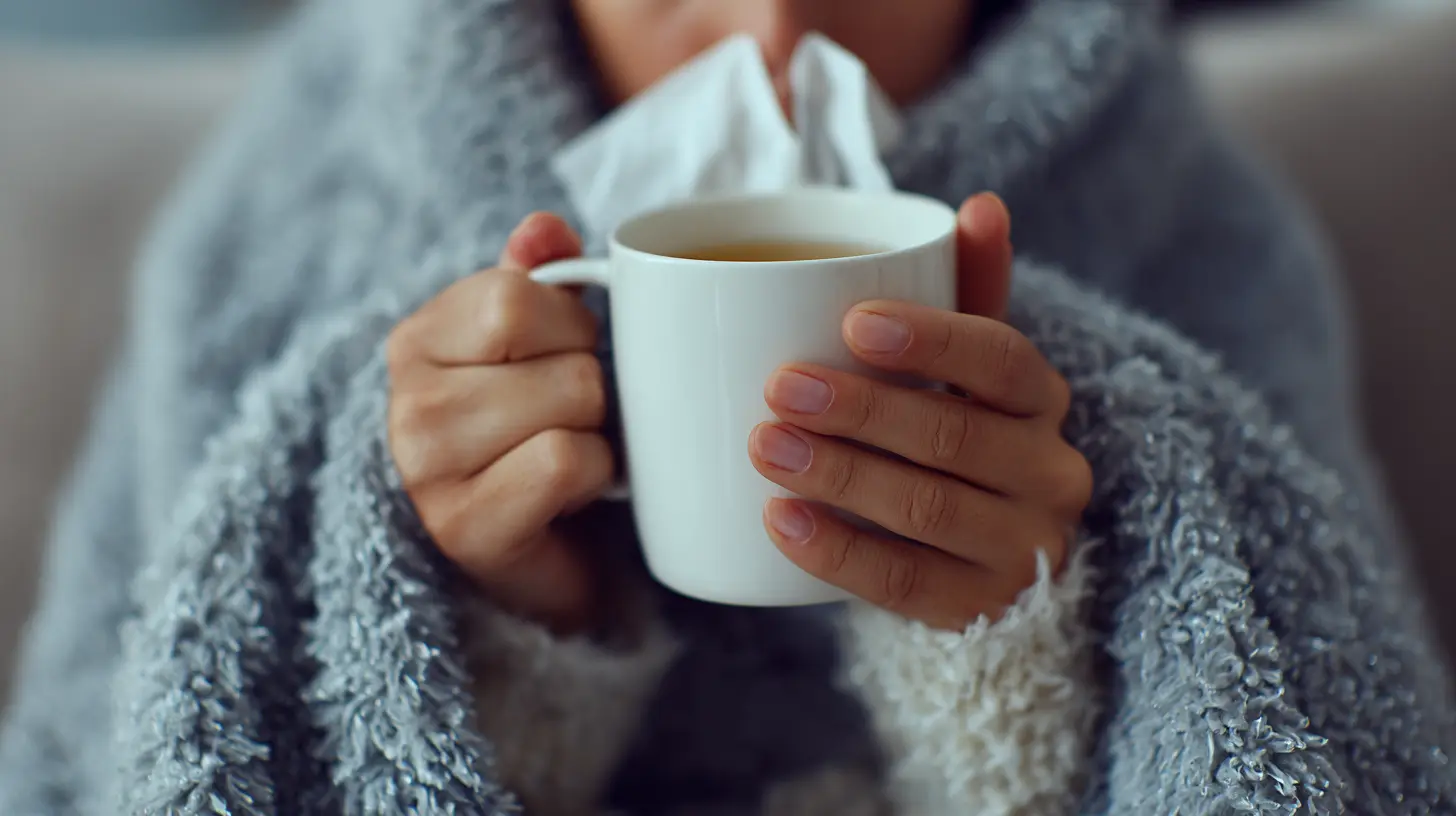
Warm liquids deserve special attention. Tea, broth, and warm water with lemon can help keep your throat moist and may support the movement of mucus. There is no evidence that hot drinks directly kill the flu virus, but they can soothe an irritated throat and make it easier for your cilia to function. During flu season, starting your day with a warm beverage is a simple habit that supports your respiratory defenses.
Exercise as a Modulator, Not a Cure
Exercise has a complex relationship with your immune system. Moderate exercise, such as a brisk 30-minute walk, has been shown to increase the circulation of immune cells in your blood. This is called the "open window" effect. After moderate exercise, your immune system is temporarily more active, which may help it detect and respond to pathogens more quickly.But intense exercise does the opposite. A marathon or an extremely heavy weightlifting session can suppress your immune system for several hours afterward. This is sometimes called the "J-shaped curve" of exercise and immunity. People who exercise moderately have a lower risk of respiratory infections than sedentary people. But people who exercise at high intensity without adequate recovery have a higher risk than both groups.
The practical takeaway is not to stop exercising during flu season. It is to be smart about intensity. If you feel healthy, engage in moderate exercise most days of the week. If you feel tired or have early symptoms of a cold, skip the intense workout and go for a walk instead. If you already have a fever or body aches, rest completely. Exercising with a fever can put unnecessary stress on your heart and prolong your illness.
The best exercise for flu prevention is the one you can sustain. For most people, that is a daily walk. Walking 30 minutes a day at a pace that raises your heart rate slightly is enough to support immune function without suppressing it. If you enjoy more intense exercise, that is fine, but ensure you are getting enough sleep and calories to recover.
Stress Management Is a Biological Necessity
Stress is not just a mental state. It is a physiological response that directly affects your immune system. When you are stressed, your body releases cortisol, a hormone that prepares you for immediate threats. Cortisol shuts down non-essential functions, including parts of the immune system, so that your body can focus on the immediate danger.This is useful if you are running from a tiger. It is not useful if you are stuck in traffic or dealing with a demanding boss. Chronic stress keeps cortisol levels elevated, which suppresses the production of lymphocytes, the white blood cells that fight off viruses. The result is that you become more susceptible to infections, and when you do get sick, the illness lasts longer.
The challenge is that you cannot simply stop being stressed. Stress is a response to external circumstances, many of which are beyond your control. What you can control is your recovery from stress. Activities that activate the parasympathetic nervous system, which is the "rest and digest" system, help lower cortisol levels.
Deep breathing is one of the most effective tools. When you breathe slowly and deeply, you stimulate the vagus nerve, which sends a signal to your brain to lower your heart rate and reduce cortisol. A simple practice is to breathe in for four counts, hold for four counts, and exhale for six counts. Doing this for five minutes, two or three times a day, can have a measurable effect on your stress levels.
Another approach is to schedule "worry time." This sounds counterintuitive, but it works. Set aside 15 minutes each day to write down everything that is stressing you out. Once the time is up, close the notebook and move on. This prevents stress from following you around all day and keeps cortisol from spiking repeatedly.
The Flu Shot Is a Daily Habit Too
Getting a flu shot is not a one-time event that you can check off your list. It is a yearly decision that requires timing and consistency. The vaccine changes every year because the flu virus mutates. The previous year's shot may not protect you against this year's strain.The best time to get vaccinated is in September or October, before flu season ramps up. But it is never too late. The vaccine takes about two weeks to produce peak antibody levels, so getting vaccinated in December still offers protection for the later part of the season.
There are common misconceptions about the flu shot. It does not give you the flu. The vaccine contains inactivated virus particles or a weakened version of the virus, neither of which can cause infection. You may feel soreness at the injection site or a mild fever for a day, but that is a sign that your immune system is responding, not that you are sick.
The vaccine is not 100 percent effective. Some years, it matches the circulating strains well, and effectiveness is around 50 to 60 percent. Other years, the match is poor, and effectiveness drops. But even a 30 percent effective vaccine reduces your risk of severe illness, hospitalization, and death. It also reduces the viral load you shed if you do get sick, which means you are less likely to pass the virus to others.
Common Mistakes That Undermine Your Efforts
Even with good habits, people make avoidable mistakes that increase their flu risk. The most common one is going to work or school while sick. This is often driven by pressure to not fall behind. But showing up sick exposes everyone around you, and it makes your own illness worse because you are not resting.Another mistake is relying on hand sanitizer as a substitute for hand washing. Hand sanitizer is effective against the flu virus, but it does not remove dirt and grime. If your hands are visibly dirty, sanitizer is not enough. Also, sanitizer does not work well if your hands are greasy or if you have been handling food. Washing with soap and water is always the preferred method.
A third mistake is ignoring your gut health. The gut is home to a large portion of your immune system. The bacteria in your intestines help regulate immune responses. A diet high in processed foods and low in fiber starves these beneficial bacteria. Eating a variety of fruits, vegetables, and fermented foods like yogurt or kimchi supports a diverse gut microbiome, which in turn supports immune function.
Creating a Routine That Sticks
The challenge with daily habits is not knowing what to do. It is doing it consistently. The key is to attach new habits to existing routines. For example, if you brush your teeth every morning, take your vitamin D supplement right after. If you make coffee every day, drink a glass of water while the coffee brews. If you check your phone before bed, leave it in another room and do a quick breathing exercise instead.Start with one or two habits, not all of them at once. Trying to change everything at the same time leads to burnout. Pick the habit that will have the biggest impact on your life. For most people, that is sleep. Once your sleep is consistent, add a daily walk. Once the walk is routine, add the hand-washing awareness. Small, incremental changes are more sustainable than a complete lifestyle overhaul.
Another useful technique is to keep a simple checklist. Write down the three or four habits you want to maintain, and mark them off each day. This creates a sense of accomplishment and makes the habits visible. After a few weeks, the habits become automatic, and you no longer need the checklist.
When to See a Doctor
No amount of prevention can guarantee you will never get the flu. If you do get sick, the most important thing is to know when to seek medical care. Most healthy adults can recover at home with rest, fluids, and over-the-counter symptom relief. But certain symptoms warrant a doctor's visit.Difficulty breathing, chest pain, confusion, severe dehydration, or a fever that lasts more than three days are red flags. If you have an underlying condition such as asthma, diabetes, heart disease, or a weakened immune system, you should contact your doctor early in the illness. Antiviral medications like oseltamivir are most effective when started within 48 hours of symptom onset. Waiting too long reduces their benefit.
The flu is not just a bad cold. It is a serious respiratory infection that can lead to pneumonia, especially in older adults and young children. Taking it seriously does not mean living in fear. It means respecting the virus and giving your body the support it needs to fight it off.
The Big Picture
The flu is a part of life, but it does not have to dominate your winter. The habits that keep the flu away are the same habits that keep your heart healthy, your mind sharp, and your energy high. Sleep well, move regularly, eat real food, manage stress, wash your hands, and get vaccinated. These are not flashy or new. They are the basics, done consistently.The difference between someone who gets the flu twice a year and someone who rarely gets sick is rarely a single dramatic action. It is the accumulation of small daily choices. You do not need to be perfect. You just need to be consistent. Start today with one habit. Tomorrow, add another. By the time flu season peaks, your body will be in a much better position to handle whatever comes its way.
all images in this post were generated using AI tools
Category:
Cold And Flu PreventionAuthor:

Angelo McGillivray
Discussion
rate this article
1 comments
Faryn Vaughn
If avoiding the flu was a sport, I'd need a coach. Daily habits sound great, but my biggest challenge is remembering to wash my hands before reaching for the snack stash. Who knew being healthy meant dodging germs and resisting chips at the same time?
September 6, 2026 at 4:33 AM
Angelo McGillivray
I totally get that. It can be tough balancing healthy habits with cravings. Small steps like setting reminders can make a big difference. You've got this!