Simple Swaps to Make Your Diet More Immune-Friendly
26 November 2026
Your immune system does not run on a single miracle food. It runs on a steady supply of raw materials: amino acids to build antibodies and immune cells, fatty acids that shape inflammatory signaling, vitamins and minerals that act as cofactors in hundreds of reactions, fiber that feeds the gut bacteria training your immune cells, and polyphenols that help manage oxidative stress. When any of these run chronically low, the system does not collapse overnight. It degrades quietly, and you notice it as slower recovery, more frequent colds, or lingering fatigue.
That is why "boosting immunity" through one supplement or one superfood is mostly marketing. The more honest and more useful goal is making your diet consistently immune-friendly: supplying what the system needs, reducing what works against it, and doing so in a way you can sustain for years rather than a two-week cleanse. This article focuses on simple, realistic swaps that move your everyday eating in that direction, with the reasoning behind each one so you can adapt it to your own life.

What "Immune-Friendly" Actually Means in Practice
Before swapping anything, it helps to define the target. An immune-friendly dietary pattern does four things well.First, it delivers adequate protein. Immune cells, antibodies, and the signaling molecules that coordinate immune responses are all built from amino acids. Chronic under-eating of protein is more common than people assume, especially among older adults, people dieting aggressively, and anyone eating mostly refined carbohydrates.
Second, it supports the gut barrier and microbiome. A large share of your immune tissue sits along the intestinal lining. Fiber and fermented foods influence that ecosystem, and a compromised gut barrier creates a low-grade inflammatory burden the immune system has to manage constantly.
Third, it manages inflammation through fat quality and plant diversity. The balance of omega-3 and omega-6 fats, plus the polyphenols in fruits, vegetables, herbs, and spices, shapes how aggressively your body responds to immune triggers.
Fourth, it avoids the things that blunt immune function: chronic excess alcohol, very high added sugar intake, and severe calorie restriction over long periods.
Every swap below maps to one or more of these pillars. None of them require special products or dramatic lifestyle changes, which is precisely why they work.

Protein Swaps: Building the Raw Material
Swap some refined-carb breakfasts for protein-forward ones
A breakfast of white toast and jam delivers energy but little building material. Swapping it for eggs, Greek yogurt, cottage cheese, or a legume-based dish like chickpea flour pancakes shifts the meal toward amino acids while usually reducing the blood sugar spike. That matters because repeated large glucose excursions are associated with inflammatory stress over time.A practical example: instead of a bagel with cream cheese, have two eggs with whole-grain toast, or plain Greek yogurt with nuts and berries. The calorie count may be similar, but the protein and micronutrient density are not.
Treat plant proteins as complements, not replacements to fear
There is a persistent misconception that plant proteins are "incomplete" and therefore inferior for immune support. In practice, eating a variety of plant proteins across the day, such as beans, lentils, soy foods, nuts, and whole grains, supplies all essential amino acids. The trade-off is that plant proteins come packaged with fiber and polyphenols, which animal proteins lack, but they can be less dense in certain micronutrients like vitamin B12 and heme iron. If you eat mostly plant-based, plan deliberately for B12 and consider iron and zinc intake.Do not overlook protein at lunch
Many people eat almost no protein until dinner. A lunch built around leftovers, a tuna or chicken salad, lentil soup, or tofu stir-fry spreads protein intake more evenly. There is ongoing debate about the optimal per-meal protein dose, but the practical point is simple: uneven intake often means inadequate total intake.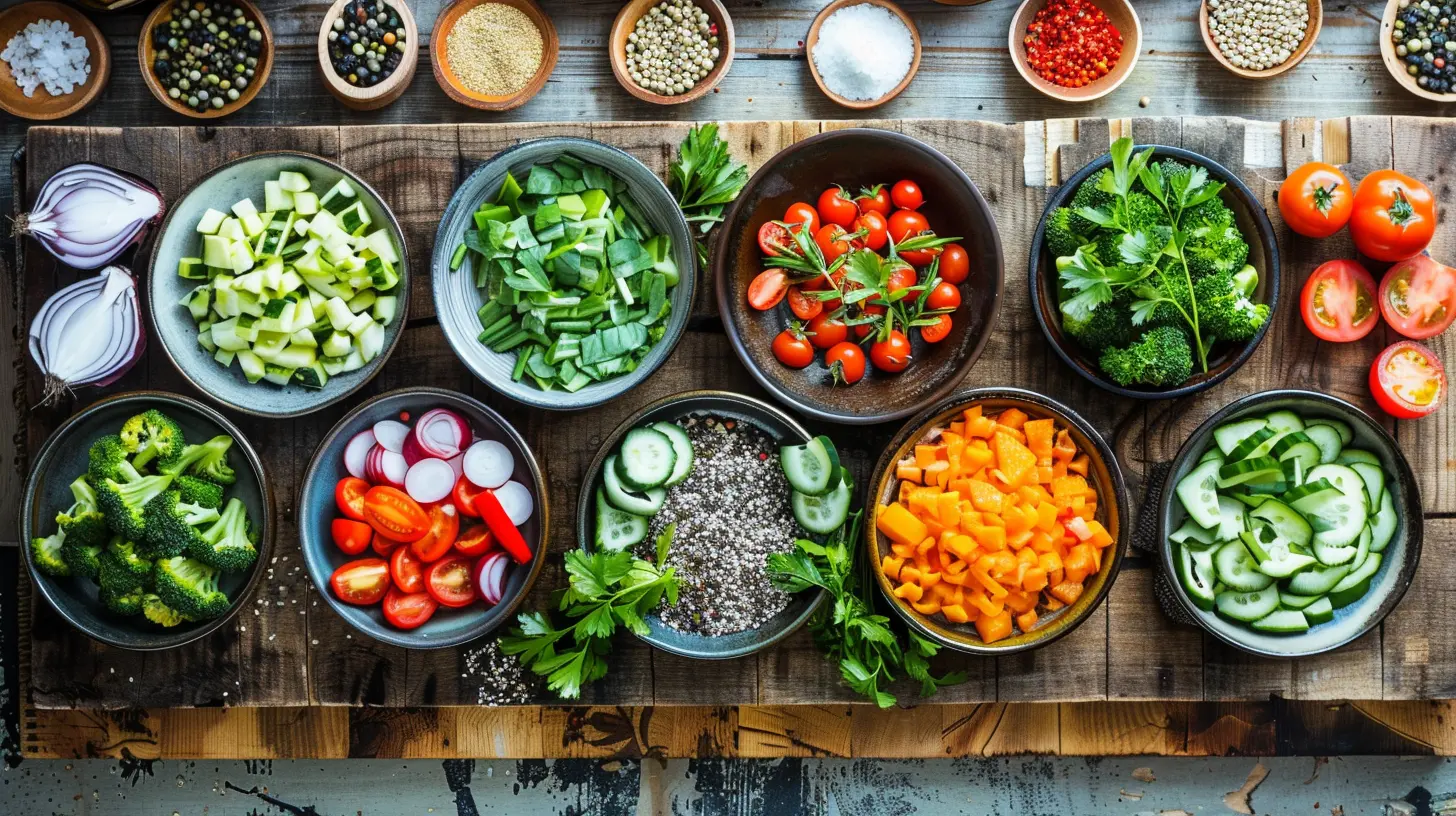
Fiber and Fermented Food Swaps: Supporting the Gut-Immune Axis
Swap some refined grains for intact whole grains
White rice to brown rice is the obvious example, but the more interesting swaps are less obvious: white pasta to lentil or chickpea pasta, refined crackers to whole-grain crispbread, white bread to a dense sourdough or sprouted-grain loaf. Intact whole grains feed gut bacteria that produce short-chain fatty acids, which help maintain the intestinal barrier and modulate immune activity.One caution: if your current fiber intake is low, increase gradually over several weeks. A sudden jump can cause bloating and gas, and people sometimes abandon the change thinking they "can't tolerate fiber" when they simply increased too fast.
Add one fermented food rather than overhauling everything
Fermented foods such as plain yogurt with live cultures, kefir, sauerkraut, kimchi, and miso introduce live microorganisms and their metabolic products. Research in this area is still developing, and effects vary by person and product, but the practical approach is modest: one serving of a fermented food most days. Check labels, because many supermarket sauerkrauts and pickles are pasteurized and contain no live cultures, and many flavored yogurts carry enough sugar to offset the benefit.Swap some juice for whole fruit
Juice concentrates sugar and removes most fiber. Whole fruit delivers fiber, polyphenols concentrated in the skin, and a slower glucose response. This is not a ban on juice; a small glass occasionally is fine. But if juice is your default fruit serving, switching two of those servings to whole fruit is one of the highest-value swaps available.
Fat Quality Swaps: Shaping Inflammatory Signaling
Swap some refined seed oils used at high heat for more stable options
This topic attracts more heat than light. The evidence does not support treating all omega-6 fats as harmful; they are essential. But there is a reasonable case for choosing oils based on how you cook. Extra-virgin olive oil is well suited to moderate heat and brings polyphenols along with its fat. For high-heat searing, options with higher smoke points are more practical. The swap worth making is not "avoid all seed oils" but "stop deep-frying at home in oil you reuse," which generates oxidation products.Swap some processed meat for fish, twice a week
Fatty fish such as salmon, sardines, mackerel, and herring supply long-chain omega-3 fats that support the resolution of inflammation. Processed meats, in contrast, are consistently associated with worse health outcomes in large observational studies. A simple rule: if deli meat is your default sandwich filling, make fish or canned sardines the default once or twice a week instead.Use nuts as a fat source rather than a snack afterthought
A small handful of walnuts, almonds, or pistachios replaces chips or biscuits while adding magnesium, zinc, and polyphenols. Portion awareness matters, since nuts are calorie dense, but as a direct swap for a less nutritious snack they are hard to beat.Produce Swaps: Color, Variety, and Consistency
Swap "eating vegetables sometimes" for a fixed daily anchor
Most people do not fail at vegetables because they dislike them. They fail because vegetables require decisions at hungry moments. The fix is structural: pick two or three vegetable preparations you genuinely like and make them the default, such as roasted vegetables with dinner, a bagged salad with lunch, or frozen mixed vegetables added to whatever you cook. Frozen vegetables are nutritionally comparable to fresh for most purposes and reduce waste, which makes them a legitimate swap, not a compromise.Swap variety within color groups
Different pigments correspond to different polyphenol families. Orange foods like carrots and sweet potatoes supply carotenoids. Purple and red foods like berries and red cabbage supply anthocyanins. Green leafy vegetables supply folate and a range of flavonoids. Rotating within and across color groups is more useful than eating the same three vegetables forever, even if those three are healthy.Swap some raw produce for cooked when digestion is an issue
People with sensitive digestion often avoid vegetables entirely because raw cruciferous vegetables and salads cause discomfort. Cooking, pureeing into soups, or fermenting these vegetables can improve tolerance while retaining most benefits. This is a case where the "best" choice is the one you can actually eat regularly.
Beverage Swaps: The Overlooked Half of the Diet
Swap some alcohol for something with a ritual
Chronic heavy drinking impairs immune function, and even moderate drinking is now viewed more skeptically than it was a decade ago. The swap that works is not just substituting a drink but replacing the ritual: a sparkling water with lime in the same glass, a non-alcoholic beer, or a strong herbal tea. People who quit or cut back often fail because they remove the ritual without a replacement.Swap sugary soft drinks for water, sparkling water, or unsweetened tea
Frequent large doses of added sugar contribute to metabolic strain that indirectly affects immune function. Unsweetened tea adds polyphenols, and coffee, in moderate amounts, is a major dietary source of antioxidants for many people. If plain water is boring, sparkling water with a squeeze of citrus is a realistic bridge.Watch the "health" drinks
Bottled smoothies, flavored kombuchas, and vitamin waters often carry substantial sugar or sweeteners. Reading the label once and finding a lower-sugar alternative you like is a five-minute task with long-term payoff.Common Mistakes and Misconceptions
Mistake 1: Chasing megadoses. Very high doses of certain nutrients, notably zinc and vitamin E, can impair immune function rather than help it. More is not better. Food-first intake plus targeted supplementation after a conversation with a clinician, ideally informed by a blood test, is the safer path.Mistake 2: Swapping everything at once. Overhauling your entire diet in a week usually ends in abandonment by week three. Two or three swaps maintained for a month beat ten swaps abandoned.
Mistake 3: Assuming supplements replace food. A multivitamin does not contain fiber, polyphenols, or protein. It fills gaps, and only sometimes.
Mistake 4: Ignoring sleep, stress, and movement. Diet is one input among several. Chronic poor sleep and unmanaged stress affect immune function independently of what you eat, and no food swap compensates for them.
Mistake 5: Treating "immune-friendly" as a short-term project. The benefits come from consistency over months and years, not from a two-week protocol before a trip.
Practical Trade-Offs to Consider
Every swap involves a trade-off, and acknowledging them makes the advice usable. Fresh produce is superior in texture and often in polyphenol content, but frozen is cheaper, lasts longer, and reduces waste; for most people the best choice is a mix. Fermented foods are beneficial but can be high in sodium, so if you have hypertension, portion and label awareness matter. Whole grains are more nutritious but take longer to cook, which is why batch cooking or choosing quick-cooking options like oats and quinoa is a legitimate strategy. Fish is excellent for omega-3s but raises concerns about mercury for some species and cost for many households; canned sardines and mackerel are low-mercury, affordable alternatives.There is also a personalization dimension. People with IBS may need to modify fiber choices. People with kidney disease need individualized potassium and protein guidance. Pregnant women and older adults have specific nutrient priorities. A general article can point the direction, but a dietitian or physician who knows your history can refine the details.
A Realistic Starting Sequence
If you want a sequence rather than a list, try this over four to six weeks.Week one: add a protein source to breakfast. Week two: add one serving of fermented food and one extra vegetable serving daily. Week three: replace one sugary drink per day with water or unsweetened tea. Week four: swap one processed meat meal for fish or legumes. Week five: replace one refined grain with an intact whole grain. Week six: review what stuck and drop what did not.
The point is not perfection. It is building a diet that quietly supplies what your immune system needs, most days, without requiring willpower you do not have. That is what immune-friendly eating actually looks like in real life.
all images in this post were generated using AI tools
Category:
Cold And Flu PreventionAuthor:

Angelo McGillivray