Sleepwalking Unveiled: Causes, Risks, and Treatments
25 July 2026
The Midnight Dance of the Unconscious
Ever woken up to find your loved one wandering the house like a ghost, eyes open but mind lost in a dream? Sleepwalking, or somnambulism, is one of the most mysterious sleep disorders—an eerie bridge between wakefulness and unconsciousness.
It’s like the brain's autopilot going haywire, guiding a person through a nocturnal adventure they won’t even remember come morning. But what exactly causes this phenomenon? Is it dangerous? And is there a cure?
Buckle up, because we're diving deep into the midnight mysteries of sleepwalking—its origins, its dangers, and how to keep it at bay.

What Exactly Is Sleepwalking?
Sleepwalking is a parasomnia, a type of sleep disorder that causes unusual behaviors during sleep. A person can sit up, walk around, perform tasks, or even leave the house—all while seemingly unconscious.It usually occurs during deep sleep (NREM sleep stages 3 and 4), which means episodes tend to happen in the first half of the night. Unlike in dreams, the sleepwalker isn’t caught up in a fantasy world; their body is awake, but their mind is still asleep.
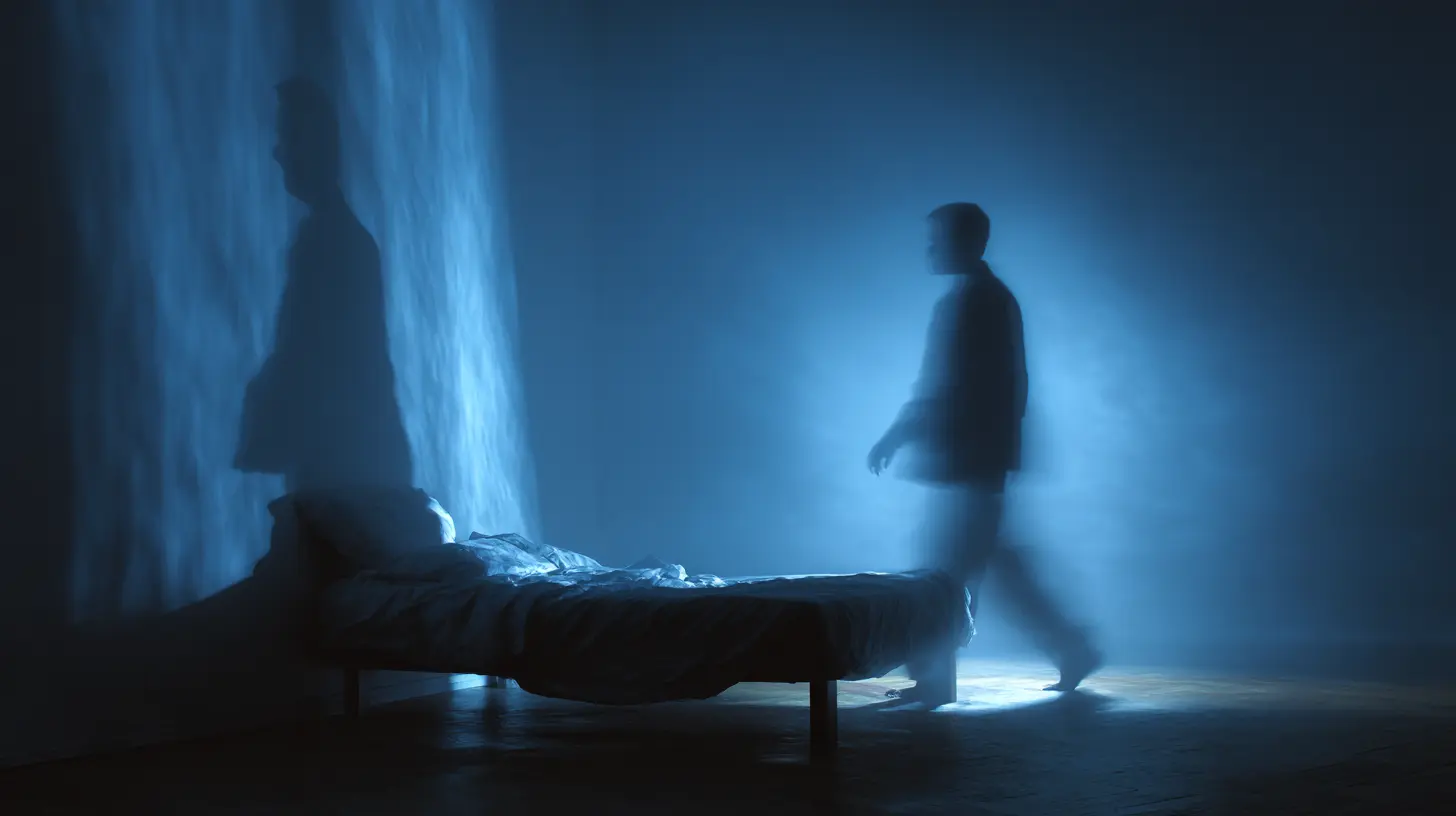
What Causes Sleepwalking?
The reasons behind sleepwalking aren’t fully understood, but scientists believe it’s a mix of genetics, brain activity, and environmental factors. Here’s what might trigger a nighttime stroll:1. Genetics: The Family Curse
If your parents were sleepwalkers, you’ve got a higher chance of joining the night parade. Studies show that sleepwalking runs in families, hinting at a hereditary component that influences brain function during sleep.2. Sleep Deprivation and Stress: A Ticking Time Bomb
Ever pushed yourself too hard, skipping rest for the sake of work or study? Sleep deprivation is a key trigger. When the brain is overly exhausted, it struggles to transition smoothly through sleep stages—sometimes leading to sleepwalking. High stress or anxiety can also cause sleep disruptions, making those midnight wanderings more likely.3. Alcohol and Medications: The Accidental Trigger
Certain medications, including sedatives, antidepressants, and antihistamines, can interfere with the brain’s natural sleep patterns. Alcohol consumption before bed can also throw your sleep cycles off balance, making sleepwalking episodes more frequent.4. Medical Conditions: The Hidden Culprits
Some medical conditions may lead to sleepwalking, including:- Fever (especially in children)
- Sleep apnea (interrupted breathing during sleep)
- Restless leg syndrome (RLS)
- Migraines or epilepsy
If sleepwalking happens often, it may be a sign of an underlying health issue.

The Risks of Sleepwalking
Sleepwalking might seem innocent—after all, what harm can a little nighttime wandering do? Well, quite a lot.1. Physical Injuries
Sleepwalkers move without awareness, which means they can bump into furniture, fall down stairs, or even venture outside into dangerous situations. Some have even driven cars while sleepwalking—now that’s terrifying!2. Emotional Stress
If you or a family member sleepwalks, it can be unsettling. Not knowing when or if an episode will happen can create anxiety, especially for those who live alone.3. Impact on Relationships
Imagine waking up to find your partner talking nonsense to the fridge or wandering the house like a zombie. It can be confusing, disruptive, and even scary for family members.4. Disrupted Sleep and Fatigue
Since sleepwalking occurs during deep sleep, it often leaves the sleepwalker feeling exhausted the next day, leading to concentration issues, mood swings, and overall fatigue.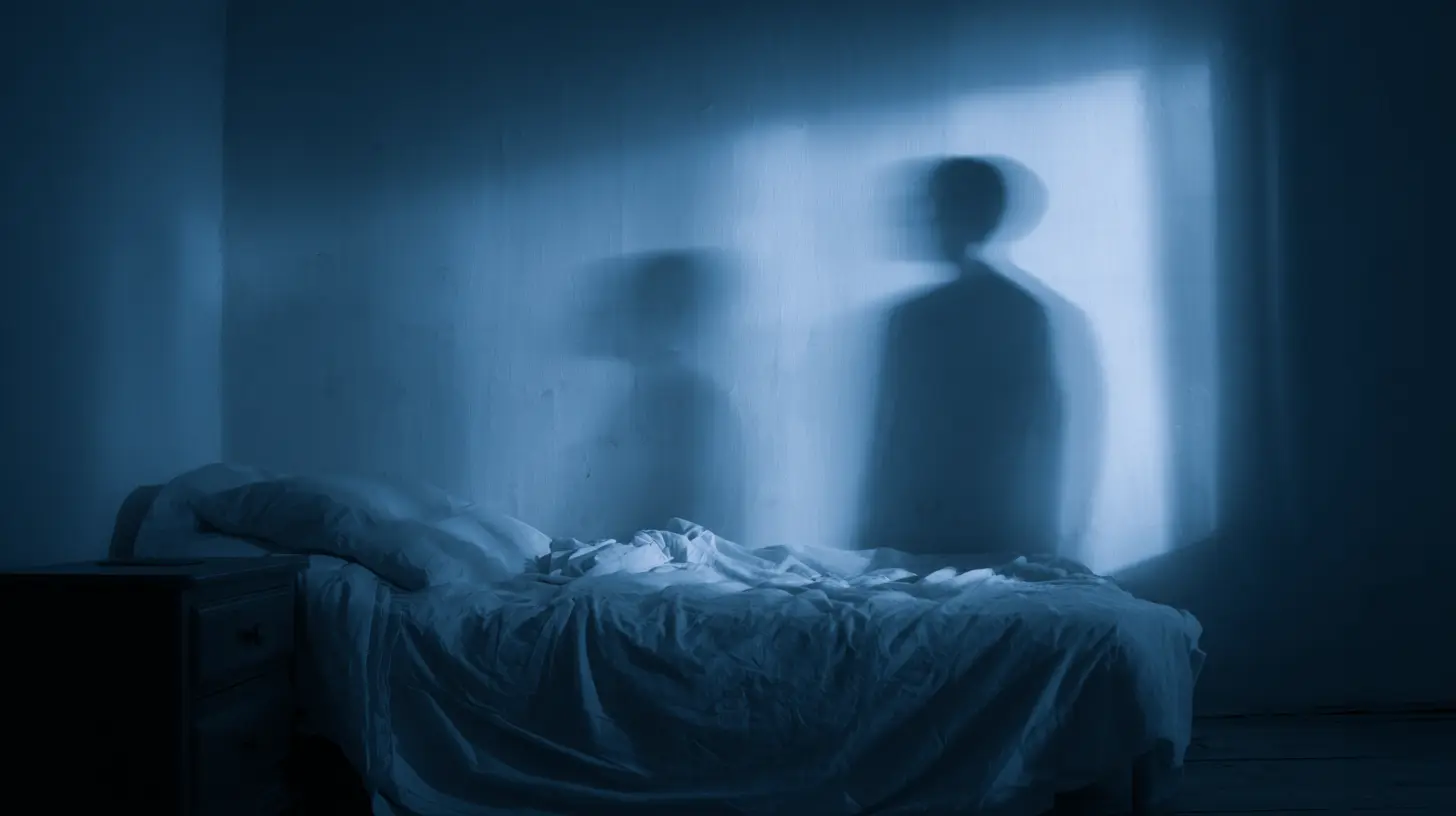
How to Manage and Treat Sleepwalking
While occasional sleepwalking may not be a big deal, frequent episodes call for intervention. Here's what can help:1. Prioritize Sleep Hygiene
Good sleep hygiene is your best defense against sleepwalking. Try these tips:- Stick to a sleep schedule – Go to bed and wake up at the same time each day.
- Avoid screens before bed – Blue light messes with melatonin, the sleep hormone.
- Create a relaxing bedtime routine – Meditation, herbal tea, or light reading can help.
2. Reduce Stress and Anxiety
Since stress is a major sleepwalking trigger, find ways to relax before bed. Deep breathing, light yoga, or journaling can work wonders in calming the mind.3. Avoid Alcohol and Certain Medications Before Bedtime
If alcohol or medication is causing disruptions in your sleep, try cutting back or adjusting dosage (with your doctor’s advice, of course!).4. Make the Environment Safe
If sleepwalking is a regular occurrence, take precautions:- Lock doors and windows.
- Remove sharp or dangerous objects.
- Use baby gates for staircases.
- Consider installing alarms to alert you if movement is detected.
5. Wake the Sleepwalker? Yes or No?
You may have heard the myth: Never wake a sleepwalker! But is it true?The truth is, waking a sleepwalker suddenly can be disorienting and even dangerous. Instead of shaking them awake, gently guide them back to bed. If they resist, it’s best to monitor them until they naturally return to sleep.
6. Medical Help: When to See a Doctor
If sleepwalking becomes frequent, dangerous, or is affecting daily life, it’s time to seek medical advice. A doctor or sleep specialist may recommend:- A sleep study (polysomnography) to monitor brain activity during sleep.
- Cognitive behavioral therapy (CBT) to address stress or anxiety triggers.
- Medication (in extreme cases) to regulate sleep patterns.
The Final Word: A Midnight Mystery Worth Understanding
Sleepwalking remains one of the strangest and most mysterious sleep disorders. It’s a condition where body and mind part ways, leading to frequent night-time wanderings that can range from harmless to hazardous.Whether it's triggered by stress, genetics, or sleep deprivation, understanding causes, risks, and treatments can help minimize episodes and ensure safety.
So the next time you or a loved one sleepwalks, don’t panic—instead, take steps to create a safe and restful environment. After all, a good night’s sleep should never turn into an unintentional adventure!
all images in this post were generated using AI tools
Category:
Sleep DisordersAuthor:

Angelo McGillivray
Discussion
rate this article
1 comments
Vanya Fry
This article on sleepwalking is really eye-opening! I had no idea about the potential risks. Understanding the causes and treatments is super helpful. Thanks for sharing!
July 28, 2026 at 3:49 AM
Angelo McGillivray
I'm glad you found it insightful! Sleepwalking can be surprising, and it's important to raise awareness about it. Thanks for reading!