Snoring: When It's More Than Just a Noise Issue
3 March 2026
Let’s be honest—snoring is one of those things we laugh about, complain about, or just accept as part of life. Maybe your partner sounds like a chainsaw at night, or perhaps you wake up to your own snores (yikes!). Either way, it seems pretty harmless at first glance, right?
Well, not so fast.
Snoring isn’t just some annoying night-time sound. It could be your body's way of waving a red flag, hinting that something deeper might be going on. So, if you're brushing it off or popping in earplugs every night, it's time to pay closer attention.
In this article, we're diving deep into the real story behind snoring—and trust me, it’s more than just noise.
What Exactly Is Snoring?
Let’s break it down: snoring happens when the flow of air through your mouth and nose is partially blocked while you're asleep. This causes the surrounding tissues to vibrate, and voilà—snore-city.Think of it like this: Imagine trying to squeeze air through a tiny, crumpled-up straw. That vibrating, hissing noise? That’s kinda what your throat is doing when you snore.
And while occasional snoring is normal (especially after a long day or a few drinks), habitual snoring could mean something serious is going on under the hood.
Common Causes of Snoring (And Why It Happens)
Let’s look at a few reasons why some people sound like motorboats while they sleep:1. Obstructed Nasal Airways
Congestion from allergies, a cold, or even a deviated septum can block airflow. When your nose is stuffed up, you’re more likely to breathe through your mouth—and that can cause snoring.2. Sleep Position
Sleeping flat on your back? Gravity might be pulling your tongue and soft palate backward, narrowing the airway and increasing snoring.3. Being Overweight
Extra weight—especially around the neck—can squeeze the airway and make it harder to breathe freely. That extra pressure increases the likelihood of snoring.4. Alcohol and Sedatives
They relax the muscles in your throat too much, leading to more pronounced snoring. That nightcap may relax your mind, but your airway? Not so much.5. Age-Related Changes
As we age, the muscle tone in the throat decreases, leading to more slack tissue that vibrates more easily.
When Snoring Becomes A Big Deal
Okay, so here’s the kicker: snoring can be a symptom of something more serious. We're talking about a condition called obstructive sleep apnea (OSA)—and it’s nothing to ignore.What Is Obstructive Sleep Apnea?
Simply put, OSA is when your breathing repeatedly stops and starts during sleep. It's like someone is pressing a pause button on your breathing—over and over again.Here's how it goes:
- Your airway collapses or gets blocked.
- Breathing pauses for several seconds.
- Your brain gasps and wakes you up briefly to resume breathing.
- You probably won’t remember it, but it totally wrecks your sleep quality.
And it doesn’t just ruin your snooze. It can seriously affect your health.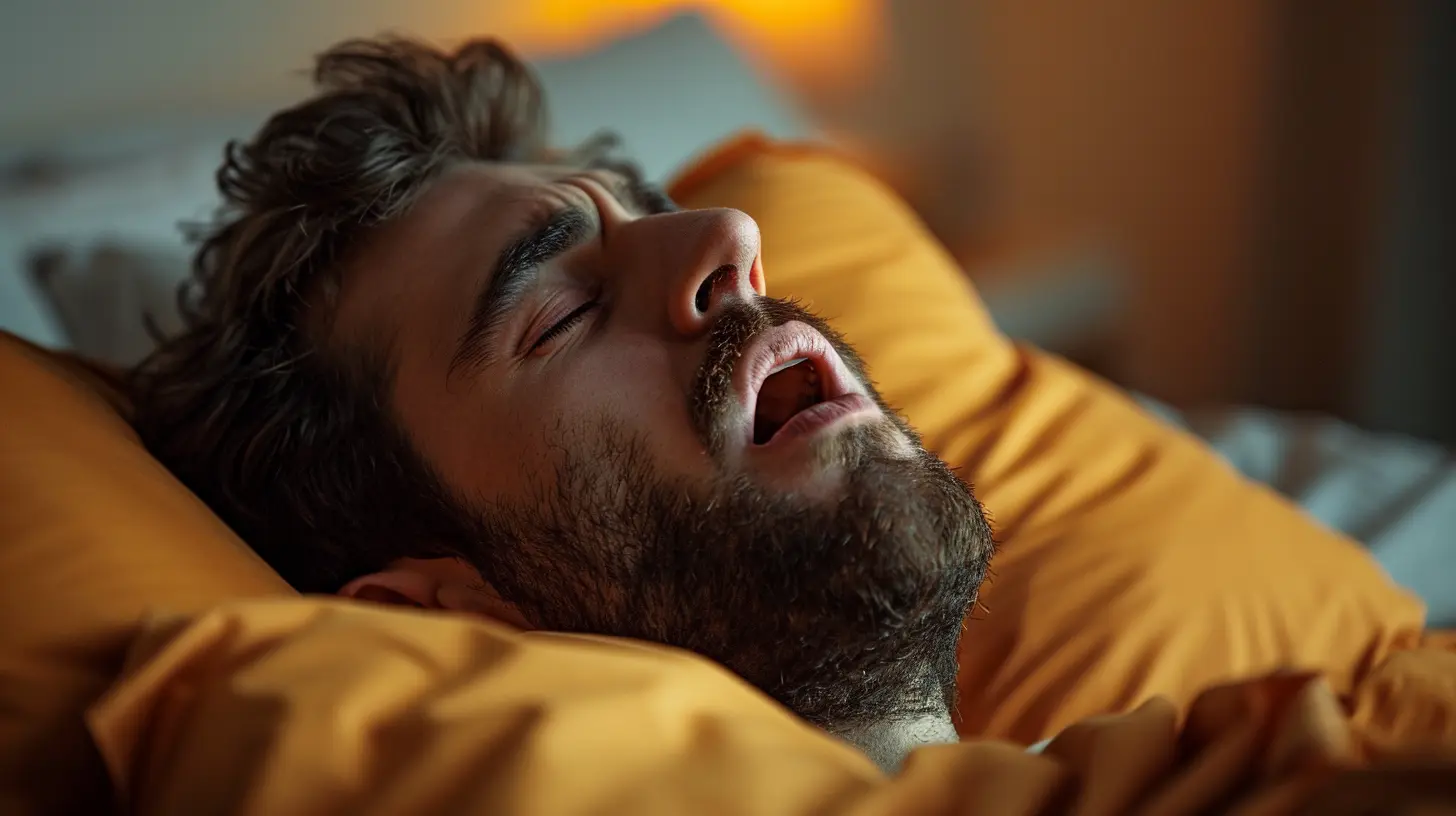
Health Risks Linked to Chronic Snoring and Sleep Apnea
Let’s get real for a second. If you're snoring every night, and it’s loud enough to vibrate walls (or at least cause your partner to nudge you relentlessly), it’s worth noting that it could be part of a bigger picture that includes:✅ High Blood Pressure
Interrupted sleep causes spikes in stress hormones, which can crank up your blood pressure over time.✅ Heart Disease & Stroke
Sleep apnea is directly linked to cardiovascular issues. Why? Your heart needs restful sleep to recover and function properly.✅ Daytime Fatigue
Even if you think you're getting a solid eight hours, those breathing interruptions might be leaving you totally drained the next day.✅ Mood and Memory Problems
Poor sleep messes with your brain, affecting your focus, memory, and mood regulation. Ever snapped at someone over nothing? Yep, blame the snoring.✅ Type 2 Diabetes
Research shows a connection between sleep apnea and insulin resistance. Lack of sleep may mess with how your body balances sugar.Signs Your Snoring Might Be a Symptom of Sleep Apnea
Not all snoring is due to sleep apnea, but some red flags should definitely get your attention:- Loud, frequent snoring
- Gasping or choking during sleep
- Waking up with a dry mouth or sore throat
- Morning headaches
- Feeling exhausted during the day
- Difficulty concentrating
- Irritability or mood swings
- High blood pressure
If that list feels a little too familiar, it’s time to get checked out.
When to See a Doctor
Here’s your wake-up call (pun intended): if your snoring is disrupting your sleep or your partner’s, or you’re experiencing any of those symptoms listed above, it’s smart to talk to your doctor.They might refer you to a sleep specialist or suggest a sleep study. These tests monitor your breathing, heart rate, and oxygen levels while you sleep to determine what’s really going on.
Aside from medical testing, sometimes the fix is simpler than you think.
Lifestyle Changes That Can Help Reduce Snoring
Before jumping into CPAP machines or surgical procedures, let’s look at some natural fixes that might tame the nightly noise.🥗 1. Lose a Bit of Weight
You don’t have to become a gym rat overnight, but shedding just a few pounds can relieve pressure on your airway and reduce snoring.💪 2. Exercise Regularly
Improving muscle tone (even in your throat) can reduce snoring. Try yoga, walking, or anything that gets you moving!😴 3. Sleep on Your Side
Sleeping on your back can cause the tongue to block airflow. Try using a body pillow to stay on your side.🚫 4. Avoid Alcohol Before Bed
Cutting out alcohol 3–4 hours before bedtime can go a long way in keeping snoring under control.🕰️ 5. Stick to a Sleep Schedule
Going to bed and waking up at the same time every day improves your sleep quality and consistency.Medical Treatments For Chronic Snoring and Sleep Apnea
If lifestyle changes don’t cut it, there are lots of medical options that can help.1. CPAP (Continuous Positive Airway Pressure)
It’s the gold standard for sleep apnea. This machine keeps your airway open by sending a constant stream of air through a mask. It’s not sexy, but it works.2. Oral Appliances
These custom-fit mouthpieces help keep your airway open by repositioning your jaw or tongue.3. Surgery
In some cases, removing excess tissue (like tonsils or part of the soft palate) can reduce snoring and improve breathing.4. Nasal Strips or Dilators
These over-the-counter fixes can help if the source of the problem is in your nasal passages.How Snoring Affects Relationships (Yep, That Too)
This might not be life-or-death, but let’s be honest—snoring can wreck your relationship. Resentment builds when one person isn’t getting any sleep. Some couples even opt for “sleep divorces” (separate bedrooms).But it doesn’t have to be this way.
If you’re the snorer, acknowledging the issue and making the effort to fix it shows you care. If you’re the one being kept up at night, be patient and supportive—it’s probably not fun for them either.
Work on it together. Sleep is a team sport.
Final Thoughts: Don’t Ignore the Snore
Snoring might seem like just an annoying part of life, but it can be a warning bell for something much bigger. Whether it’s disrupting your sleep, affecting your health, or putting strain on your relationships, it’s worth tuning in instead of tuning it out.So the next time you—or someone you love—lets out those rumbling nighttime grumbles, don’t just laugh it off. Ask yourself: Could this be more than just noise?
Take action. Breathe easier. Sleep better.
all images in this post were generated using AI tools
Category:
Sleep DisordersAuthor:

Angelo McGillivray
Discussion
rate this article
2 comments
Nyxaris Benson
Snoring: the only time your partner might consider earplugs a love language! If your nighttime symphony is getting more attention than your daytime charm, it might be time to tune up those sleeping habits. Remember, a quiet night’s sleep could be the key to a harmonious relationship—unless you’re a bear, then it’s just hibernation!
March 14, 2026 at 5:48 PM
Angelo McGillivray
Great observation! Snoring can indeed impact relationships, and addressing it can lead to better sleep and harmony. Thanks for the lighthearted reminder!
Valen McNeil
Understanding snoring's underlying causes is essential for better health and improved sleep quality.
March 6, 2026 at 4:23 PM
Angelo McGillivray
Absolutely! Identifying the causes of snoring can lead to effective solutions, enhancing both health and sleep quality.