Stretching Before and After Workouts: What You Need to Know
4 May 2026
Let’s be real — stretching before and after your workouts probably feels like something your high school gym teacher used to nag about, right? It’s the thing we all know we should do, but somehow it gets skipped more often than not.
Here’s the deal: stretching isn't just about touching your toes or looking like a yogi. It's about prepping your body for movement and helping it recover afterward. Whether you’re lifting weights, running a 5K, or doing a quick home workout, stretching plays a crucial role in keeping your body loose, limber, and injury-free.
In this guide, we’re breaking it all down—what stretching really is, why it matters, how to do it properly, and what the science says about stretching before and after workouts. Ready to stretch your mind (and muscles)? Let’s go.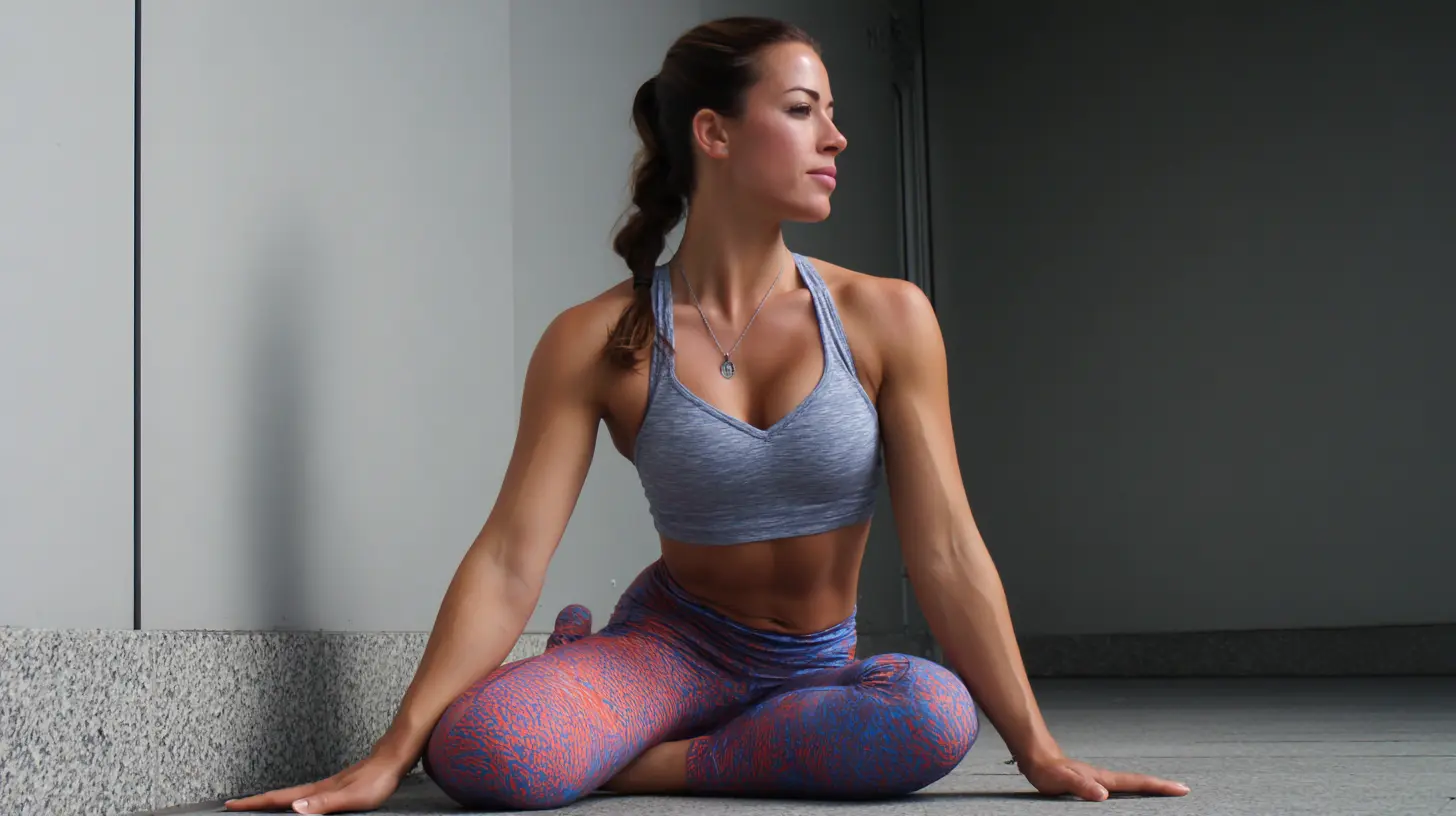
What Is Stretching, Exactly?
Stretching is like giving your muscles a wake-up call—or a calming goodnight hug, depending on when you do it. It involves gently lengthening your muscles to improve flexibility, increase blood flow, and enhance your range of motion.Two Main Types of Stretching:
- Static Stretching: Holding a stretch in one position for 15–60 seconds. Think of stretching your hamstring by touching your toes and holding it.- Dynamic Stretching: Moving through a range of motion repeatedly. This might look like arm circles, leg swings, or walking lunges.
Both types are useful—you just need to know when to use which one.
Stretching Before Workouts: What's the Point?
Let’s start with pre-workout stretching. The goal here isn't to "loosen up your muscles" in the way many think—it’s more about priming your body for action.Static Stretching Before a Workout? Not So Fast
There’s a common myth that doing static stretches before exercise is beneficial. Turns out, doing long holds when your muscles are cold might not be the best game plan.Research shows that static stretching beforehand can temporarily reduce muscle strength and power—so if you're planning on sprinting, jumping, or lifting, those toe touches might actually slow you down.
Enter: Dynamic Stretching
Dynamic stretches mimic the moves you’ll be doing in your workout. For example, if you’re going for a run, you might warm up with high knees, butt kicks, or walking lunges.Dynamic stretching increases:
- Blood flow to muscles
- Heart rate
- Joint lubrication
- Muscle temperature (literally warming them up)
It’s like giving your car a few minutes to idle before hitting the highway.
5 Dynamic Stretches to Try Before Your Workout
1. Leg Swings – Front to back, side to side.2. Arm Circles – Forward and backward to loosen up your shoulders.
3. Walking Lunges – Great for legs, hips, and glutes.
4. Torso Twists – Gently rotate your upper body side to side.
5. Jumping Jacks – A classic move that gets your whole body involved.
Spend 5–10 minutes doing dynamic stretches, and you’ll feel noticeably more ready to move.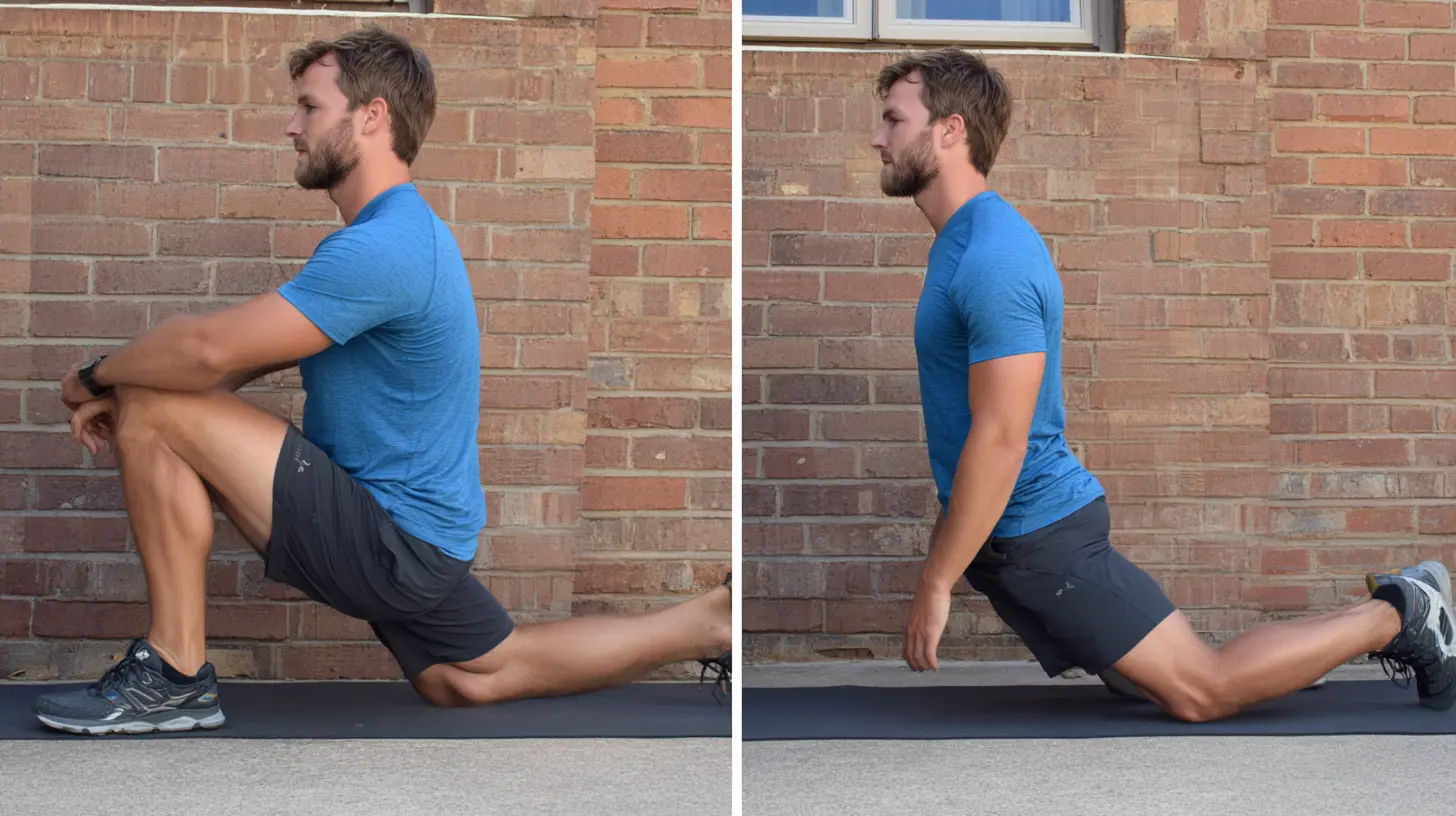
Stretching After Workouts: Why It’s a Game-Changer
Now this is where static stretching really shines. After a solid workout, your muscles are warm, your joints have been moving, and your body is somewhat fatigued. That’s the perfect time to stretch.Benefits of Post-Workout Stretching:
- Helps cool down your body gradually- Slows your heart rate and breathing
- Reduces muscle tightness
- May help with flexibility over time
- Some studies suggest it can lessen delayed onset muscle soreness (a.k.a. that “I can’t walk” feeling two days after leg day)
Not to mention, stretching post-workout can be your moment of mindfulness—a way to breathe deeply, reset, and check in with yourself.
5 Static Stretches to Do After Your Workout
1. Hamstring Stretch – Sit and reach for your toes.2. Quad Stretch – Stand on one leg and pull the other foot to your butt.
3. Calf Stretch – Push against a wall with one foot behind you.
4. Chest Opener – Clasp hands behind your back and lift.
5. Child’s Pose – A yoga favorite that opens the back and hips.
Hold each stretch for at least 30 seconds. Breathe deeply. Let your heart rate settle down. It’s like dessert for your muscles—don’t skip it.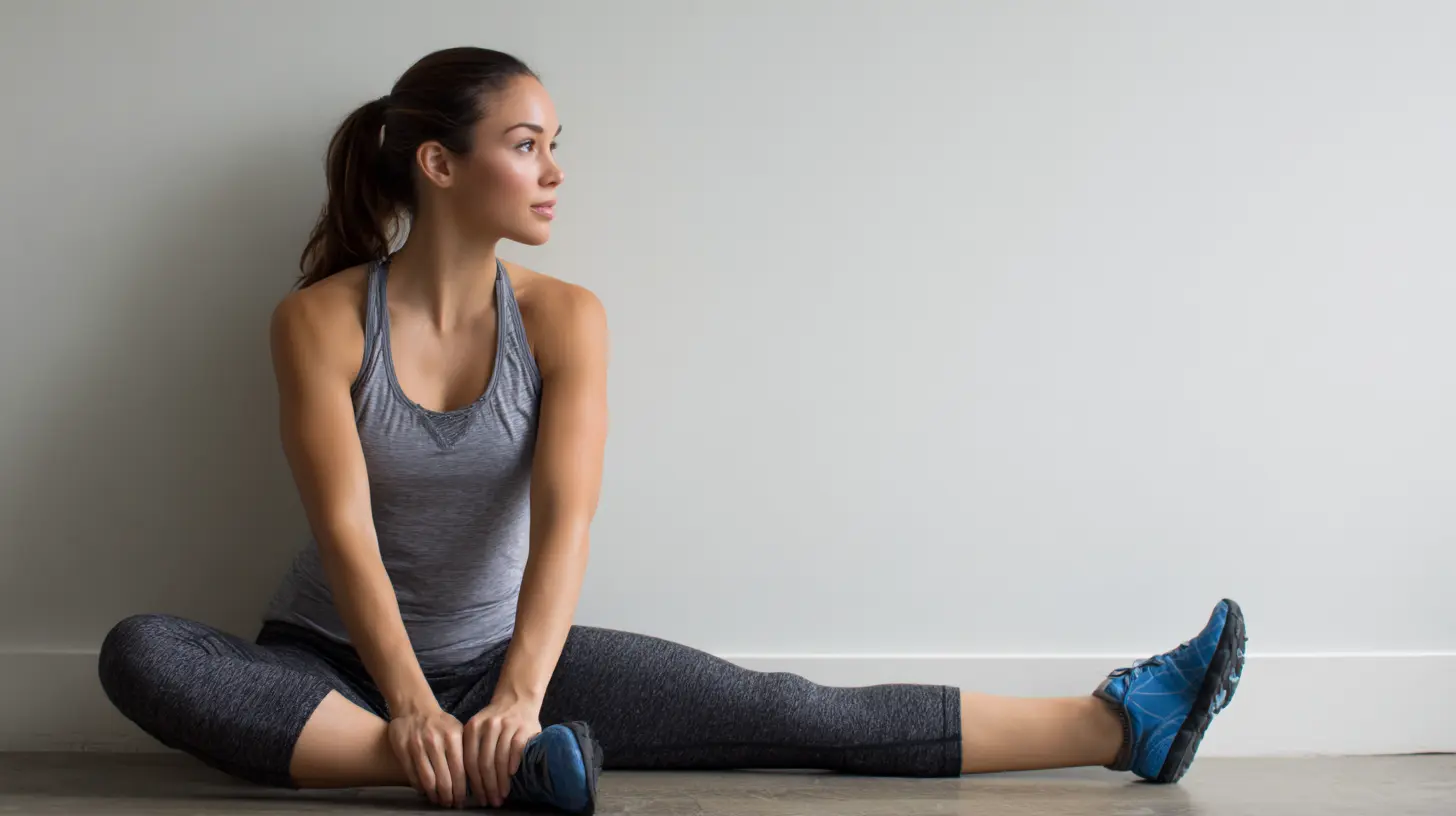
Stretching Myths That Need to Go Away
Let’s quickly bust a few common stretching myths:1. "Stretching prevents all injuries."
Unfortunately, it’s not a magic shield. While stretching can reduce injury risk by improving flexibility and muscle coordination, it’s only one piece of the puzzle. Proper technique, good warm-ups, and strength training also matter.2. "You should always stretch before workouts."
As we covered earlier, dynamic stretching is great before workouts. Static stretching? Save that for later.3. "If it hurts, it's working."
Nope. Stretching should never be painful. A little discomfort is okay, but actual pain means you’re going too far. You’re stretching, not auditioning for Cirque du Soleil.How Often Should You Stretch?
Good question. The short answer? More often than you are now (probably).If you’re active:
- Pre-workout: 5–10 minutes of dynamic stretching
- Post-workout: 5–10 minutes of static stretching
Even on rest days, incorporating a few stretches can keep your body feeling mobile and relaxed. Think of it like brushing your teeth—not exciting, but essential for long-term health.
Stretching and Flexibility: Are They the Same?
Not quite. Flexibility is more like the goal, and stretching is one of the tools to get there. Flexibility refers to how far a muscle can lengthen, while stretching helps improve that ability over time.Everyone’s flexibility is different. Genetics, age, and activity levels all play a role. But consistent stretching can help you reach your own flexibility potential.
Imagine your muscles are like a rubber band. The more gently and frequently you stretch it, the easier it becomes to elongate without snapping.
When Not to Stretch
Stretching is generally safe, but there are a few times when you should be cautious:- Right after an acute injury (like a sprain or strain) — always wait for medical clearance.
- If you’re feeling sharp or stabbing pain during a stretch — back off immediately.
- If you’re hypermobile — we’re talking double-jointed here, stretching too much can actually weaken joint support.
Always listen to your body. It whispers before it screams.
Tips to Maximize Your Stretching Game
Let’s wrap this up with some quick wins:- Stretch consistently, not just when you’re sore.
- Move slowly and deliberately—no bouncing or jerky movements.
- Breathe deeply while stretching. Oxygen helps muscles relax.
- Warm up first before doing any deep static stretching.
- Focus on major muscle groups: quads, hamstrings, calves, hips, back, and shoulders.
Remember, just 10 minutes a day can make a big difference over time.
Final Thoughts
Stretching before and after workouts isn’t just a “nice to have”—it’s a smart way to take care of your body. It gets you ready to move, helps you recover afterward, and keeps your muscles happy in the long run.So, the next time you're ready to crush a workout… take five extra minutes to stretch first. And when you're done? Don’t ditch the mat before giving your muscles some love.
Trust me—your future self will thank you.
all images in this post were generated using AI tools
Category:
ExerciseAuthor:

Angelo McGillivray
Discussion
rate this article
2 comments
Tempest McMahan
Stretching is essential before and after workouts. It helps prevent injuries and improves flexibility, enhancing overall performance. Warm up with dynamic stretches before exercising to prepare your muscles. After your workout, focus on static stretches to aid recovery. Ignoring this practice can lead to stiffness and increased recovery time.
May 27, 2026 at 3:17 AM
Angelo McGillivray
Absolutely, stretching plays a key role in performance and recovery. Incorporating both dynamic and static stretches can make a significant difference in your workouts.
Ryan McCollum
Great article on the importance of stretching! It's amazing how a few minutes can enhance performance and reduce injury risk. Incorporating both pre and post-workout stretches can really make a difference in recovery and flexibility. Keep up the awesome work in sharing these valuable tips for a healthier lifestyle!
May 6, 2026 at 3:56 PM
Angelo McGillivray
Thank you so much! I'm glad you found the article helpful. Stretching really does make a big difference. Keep stretching and stay healthy!