Technology Overload: How Screen Time Affects Your Brain
8 June 2026
Let’s be honest—we’re glued to our screens. Whether it's doomscrolling on your phone, working on your laptop, binge-watching the latest series, or even checking your smartwatch notifications during a conversation, screen time has become the new normal. But have you ever wondered what all this constant screen exposure is doing to your brain?
Technology makes life easier, but when we overuse it, things start to get a little... fuzzy upstairs. In this article, we’re taking a deep dive into what exactly happens to your brain when you’re stuck in front of screens all day, every day. We’ll talk science without the jargon, toss in some relatable talk, and arm you with tips you can actually use.
Ready? Let's unplug for a bit and get into it.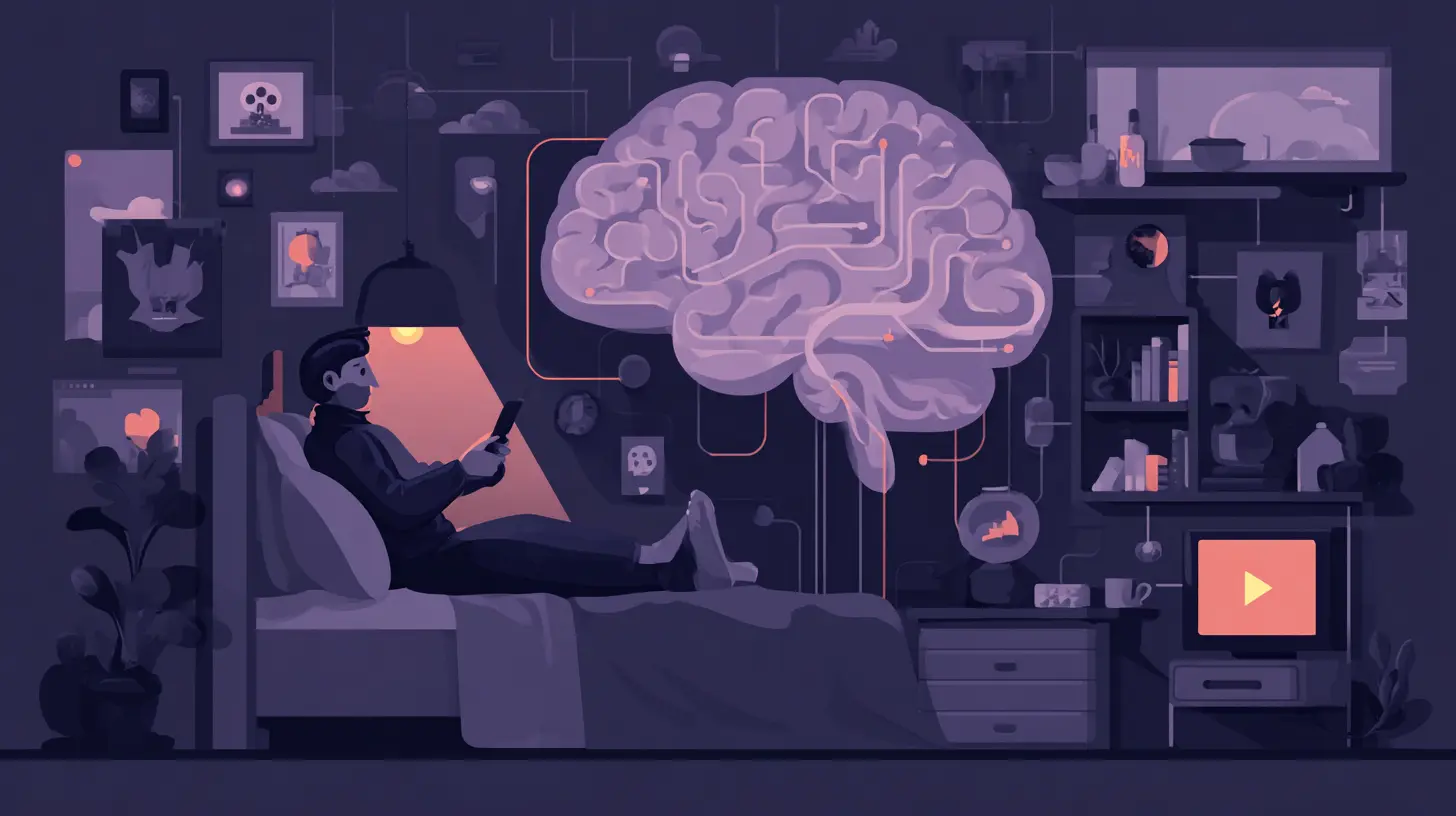
The Digital Lifestyle: It’s Complicated
Technology is amazing—no doubt about it. It connects us, entertains us, helps us work efficiently, and keeps us updated with just about everything happening in the world. But when something amazing becomes constant, it starts tipping the balance. Our brains are processing more info than ever before—and not always in a good way.Think about it: When was the last time you spent a full hour not checking your phone, laptop, or TV? If your answer involves awkward silence or panic, you’re not alone.
According to research, the average American spends more than 7 hours per day staring at a screen. And for teenagers? That number's even higher.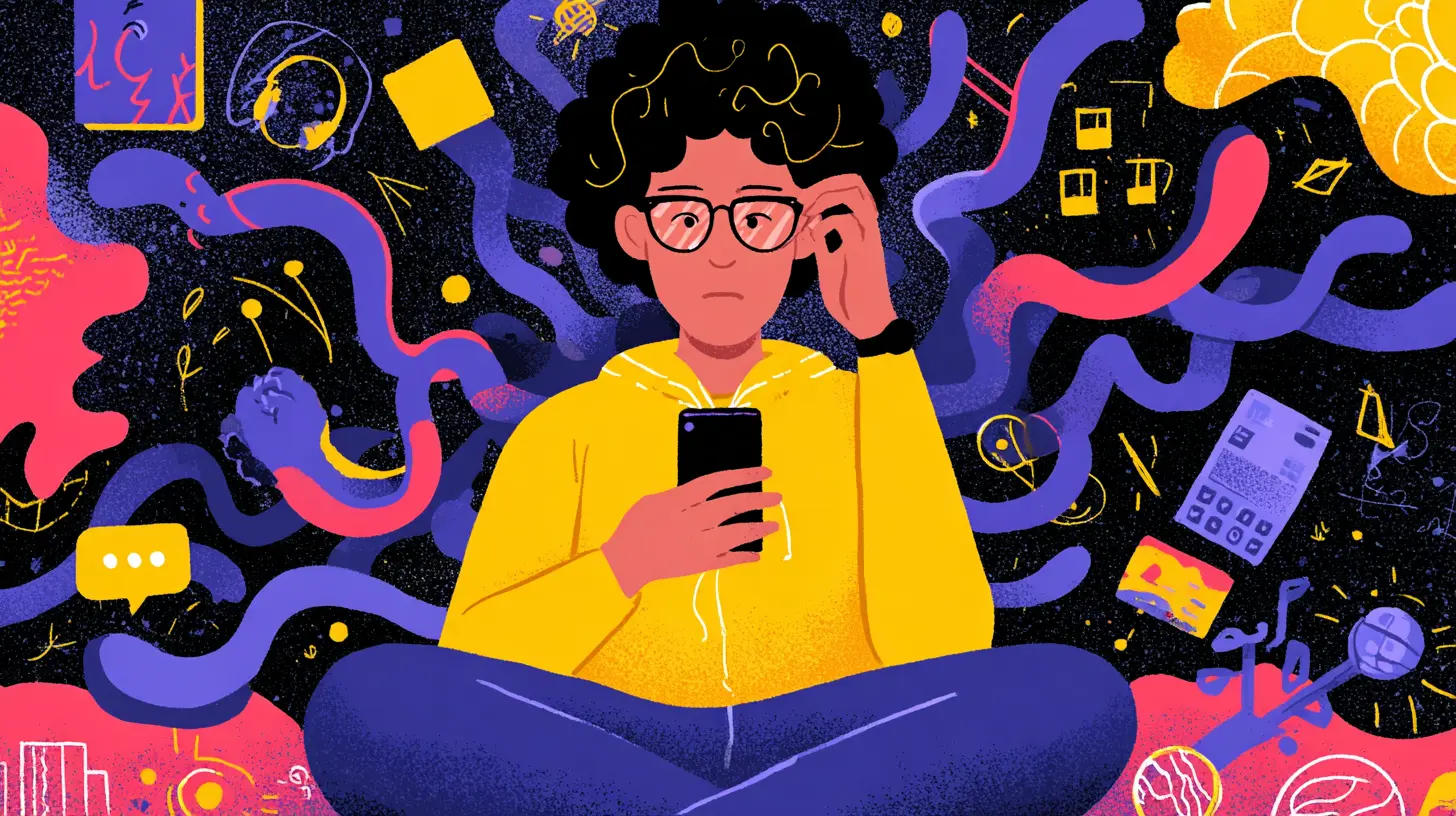
So, How Does Screen Time Affect Your Brain?
Let’s break it down. When you overload your brain with screen time, a few core areas start to take the heat.1. ? Cognitive Fatigue: Your Brain Gets Tired
You know that sluggish, foggy feeling when you’ve been staring at your computer too long? That’s cognitive fatigue. It's like your brain saying, "Hey, I'm running out of fuel here."Screens bombard your brain with constant stimuli—pop-ups, notifications, videos autoplaying, messages... it’s like trying to drink from a firehose. Our brains aren’t built for this 24/7 info overload. They crave breaks, silence, and moments of doing absolutely nothing.
2. ⏳ Attention Span: Say Goodbye to Deep Focus
You’re reading something important and... ding! A notification lights up. You check your phone. Fifteen minutes later, you're still on Instagram. Sound familiar?Digital multitasking rewires your brain to get distracted easily. Every notification trains your brain to expect instant rewards, which makes it harder to focus on long tasks. It's like trying to run a marathon but stopping every few steps to check your phone. You never really get into a rhythm.
Studies have linked excessive screen time to reduced attention spans, especially in kids and teens. But adults aren’t immune either. If you're struggling to finish a book or a work report without drifting off mentally, your screen time habits could be the culprit.
3. ? Sleep Trouble: Blue Light Blues
Ever scrolled through your phone in bed to “relax” before sleeping? Irony alert—that habit is actually harming your sleep.Screens, especially smartphones and tablets, emit something called blue light. This light tricks your brain into thinking it’s still daytime, messing with your natural sleep hormone melatonin. Translation: Your brain stays alert long after your body wants to rest.
Poor sleep = poor brain function. It affects memory, mood, creativity, and even your immune system. So, looking at your phone before bed is like drinking an espresso right before hitting the pillow. Not the best idea.
4. ? Mental Health: A Heavy Burden
Ever felt more anxious or down after spending hours online? You’re not imagining things.Too much screen time, especially on social media, can increase feelings of anxiety, loneliness, and depression. We’re constantly comparing our real lives to everyone else’s highlight reels. The fear of missing out (FOMO), cyberbullying, and the pressure to always be “on” can take a serious toll on your mental health.
Long-term exposure to this kind of stress can even physically change brain structures that control emotion regulation and decision-making. Yikes.
5. ?️ Dopamine Overdose: Addicted to the Ping
Every time you get a like, a message, or a new follower—it gives your brain a hit of dopamine. That’s the "feel-good" chemical, and technology knows how to press your pleasure buttons again and again.The constant ping of rewards rewires your brain’s reward system. You start craving the next notification like a sugar addict craves the next donut. Over time, this leads to technology addiction—a very real problem that can hijack your brain’s ability to find joy in everyday, non-digital experiences.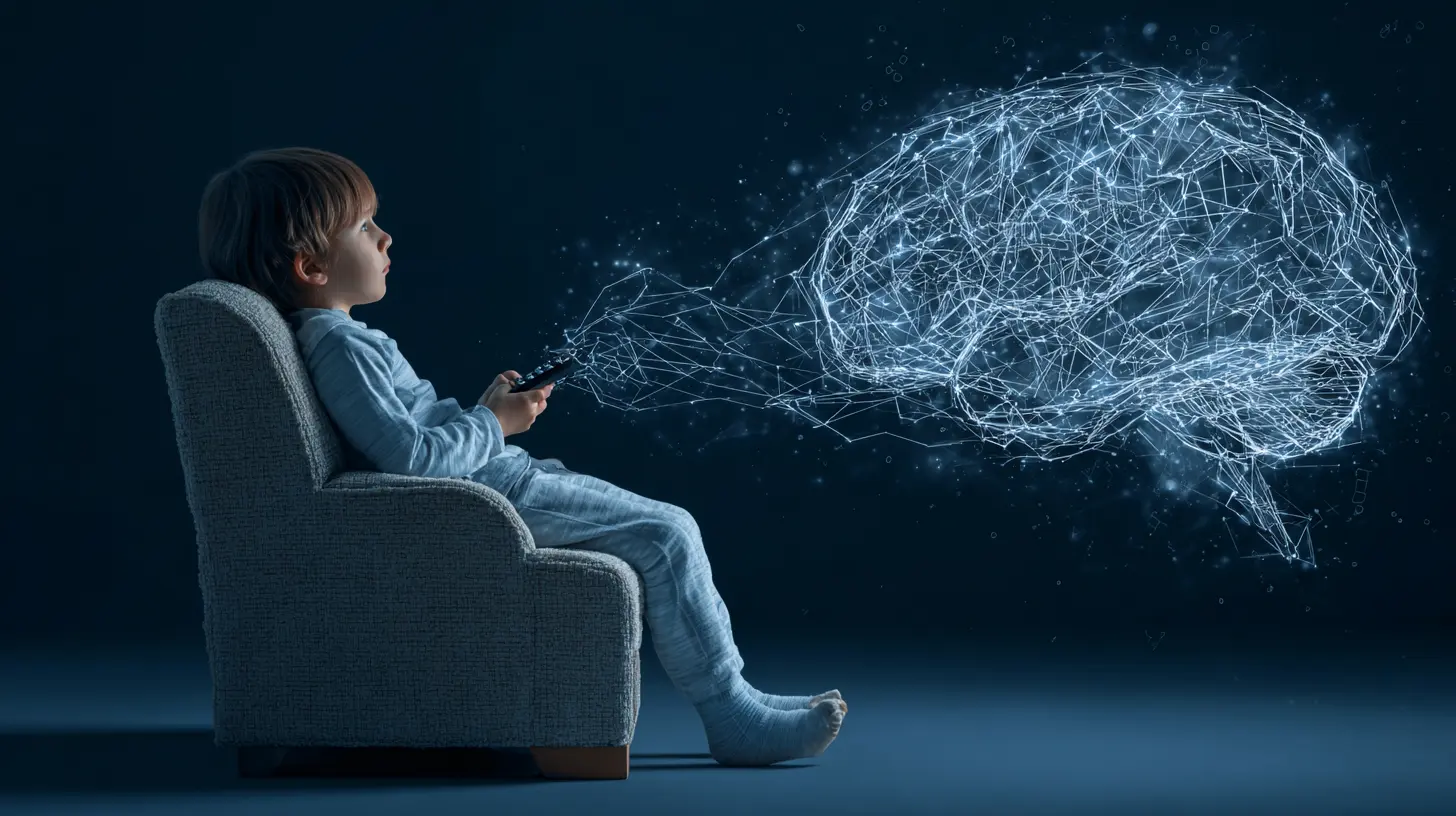
Screen Time and Kids: A Growing Concern
Kids’ brains are still developing, which makes them especially vulnerable to the effects of screen time. Excessive screen exposure has been linked to:- Delayed language development
- Lower academic performance
- Increased aggression and irritability
- Poor impulse control
The American Academy of Pediatrics recommends no more than 1 hour per day for children aged 2 to 5, and consistent time limits for older kids. And yet, many children are racking up 4, 5, even 6 hours daily.
Why? Because screens are everywhere—school, home, restaurants, cars. It’s become the go-to babysitter, boredom buster, and teaching tool.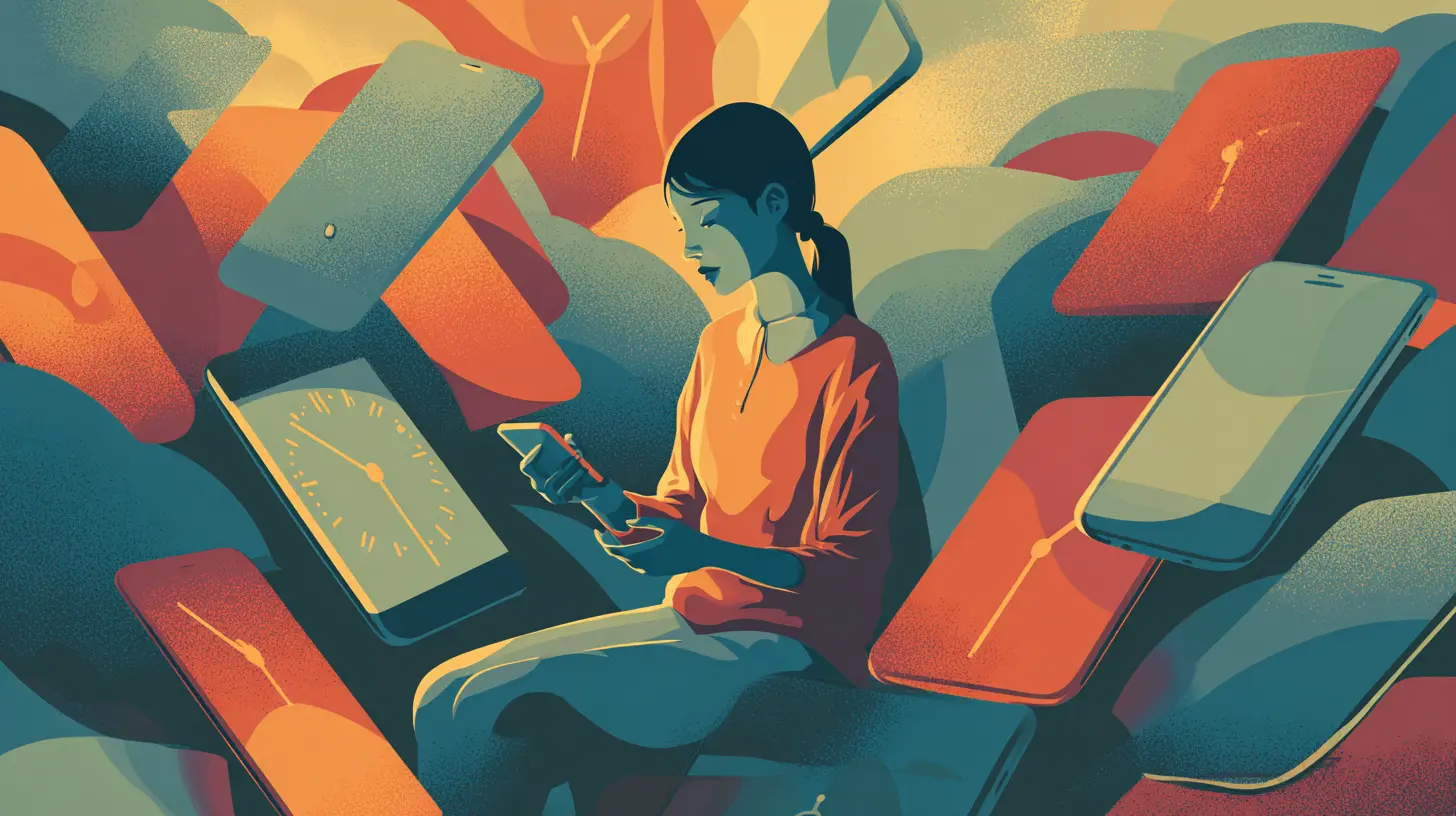
It’s Not All Bad: Tech Can Be Brain-Friendly (When Used Right)
Before you toss your phone out the window (or maybe you’re just dreaming about it), let’s make one thing clear—technology isn’t the enemy. It’s all about how we use it.Used mindfully, screens can actually boost brain function. Educational apps, brain-training games, stunning documentaries, virtual museum tours—all of this can enrich your brain.
Balance is the sweet spot. Just like ice cream, it's okay to enjoy screens in moderation. The goal isn’t to fear technology but to use it without losing ourselves in it.
Here’s How to Unplug Without Losing Your Mind
Ready to cut back? Don’t worry—you don’t need to escape to a cabin in the woods (unless that’s your thing). Here are some easy, realistic tips to help balance your screen time and give your brain the breather it craves.1. Set Digital Boundaries
Block off screen-free zones or times. Try:- No screens at the dining table
- Device-free bedrooms
- A “tech bedtime” one hour before your own
It helps create a natural break between you and your gadgets.
2. Use the 20-20-20 Rule
Every 20 minutes, look at something 20 feet away for 20 seconds. It gives your eyes and brain a short pause and prevents digital eye strain.3. Schedule “Real Life” Time
Set aside time each day for unplugged hobbies—read a physical book, go for a walk, cook something from scratch, or just daydream. Your brain will thank you.4. Track Your Screen Time
Most devices have built-in tools to show how much time you spend on apps. It’s eye-opening—and sometimes a little scary. Use this info to make changes.5. Limit Notifications
Turn off non-essential alerts to reduce distractions. Do you really need to know every time someone likes your photo?6. Try a Digital Detox Sunday
Pick one day a week to go low-tech. No social media, no email, no screens for entertainment. Instead, connect with the real world around you.When Should You Worry?
A little screen time won’t fry your brain. But if you notice:- Trouble sleeping regularly
- Increased anxiety or depression
- Shortened attention span
- Headaches or eye strain
- Social withdrawal
…it may be time to talk to a doctor or therapist. Like any lifestyle issue, awareness and small tweaks can go a long way.
The Bottom Line: It’s All About Balance
Technology is here to stay—we can’t and shouldn't avoid it altogether. But our brains weren’t designed to handle this much digital stimulation nonstop.The good news? Your brain is adaptable. When you start creating healthier screen-time habits, your mind will start to reset itself. You’ll notice deeper sleep, sharper focus, a better mood, and more real connections.
It’s not about throwing away your devices—it’s about taking back control of how you use them.
So go ahead—set your phone down, stretch your legs, and take your brain offline for a bit. Trust me, it deserves the rest.
all images in this post were generated using AI tools
Category:
Brain HealthAuthor:

Angelo McGillivray
Discussion
rate this article
2 comments
Xeno McMahan
This article highlights an important issue. It's crucial to understand how screen time impacts our mental well-being. Finding a balance is key for maintaining a healthy relationship with technology.
July 27, 2026 at 3:44 AM
Angelo McGillivray
Thank you for your insight. I completely agree that finding a balance is essential for our mental well-being in this tech-driven world.
Monique Pace
Reducing screen time can improve focus, sleep quality, and overall mental health significantly.
June 9, 2026 at 3:07 AM
Angelo McGillivray
Absolutely, reducing screen time can lead to notable improvements in focus and sleep, positively impacting mental health. It's an important step we should all consider.