The Connection Between Sleep Apnea and Heart Disease
23 June 2026
Let’s talk about something that's all too common but not talked about enough—sleep apnea. You might think sleep apnea just means someone snores like a freight train, but there's way more to it than loud nights and elbow jabs from your partner. Especially when we start connecting the dots between sleep apnea and heart disease.
If you (or someone you love) struggles with sleep, wakes up feeling exhausted, or has been diagnosed with sleep apnea, you’ll want to stick around. The ties between this sleep disorder and cardiovascular health aren’t just loose suggestions—they’re serious connections that can impact your life in major ways.
Let’s break it down.
What Is Sleep Apnea, Really?
Sleep apnea isn't just snoring. It's a chronic sleep disorder where your breathing literally stops and starts repeatedly while you're sleeping. There are a few types, but the most common one is obstructive sleep apnea (OSA). That’s when the muscles at the back of your throat relax too much and block your airway.You might stop breathing for a few seconds to even a minute. Then your body, realizing it's not getting enough oxygen, jolts you awake—usually so briefly you don’t even remember it. This can happen dozens or even hundreds of times a night.
Sounds exhausting? That’s because it is.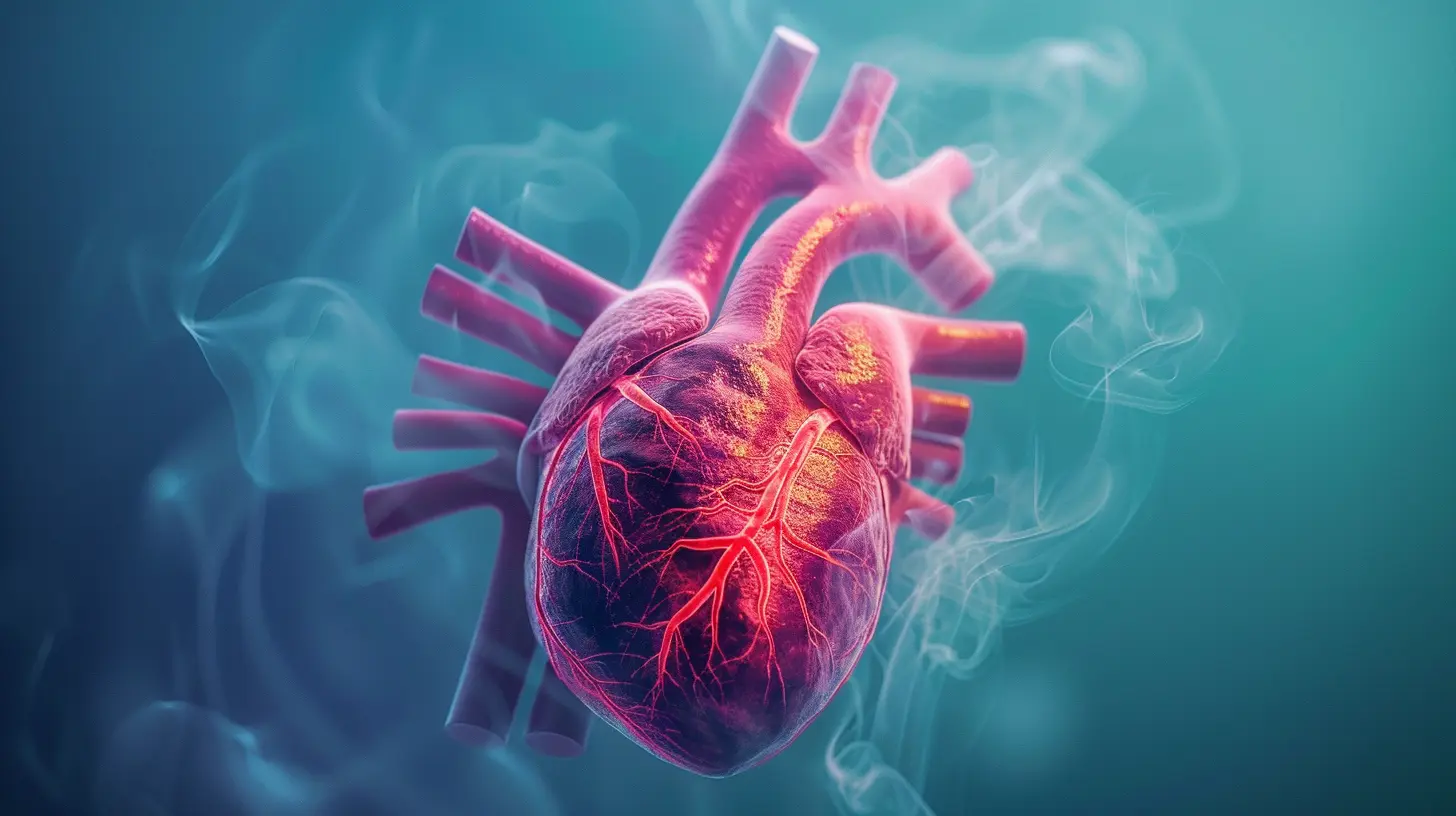
The Heart Doesn’t Get a Break Either
Now, here comes the kicker. While your sleep is suffering, your heart’s also working overtime. Every time your breathing stops, your oxygen levels plummet. Your brain panics and tells your body to wake up and breathe. This triggers a fight-or-flight response—your blood pressure spikes, your heart rate jumps, and hormones like adrenaline flood your system.Do that night after night, and it starts taking a toll.
Over time, this can lead to serious heart issues like:
- High blood pressure (hypertension)
- Irregular heartbeats (arrhythmias)
- Stroke
- Heart failure
- Coronary artery disease
So yeah, not something you want to ignore.
Why Sleep Apnea and Heart Disease Are So Closely Linked
If you’re wondering why these two conditions are so tightly entwined, it’s all about the oxygen. Your heart needs a steady stream of oxygen-rich blood to function well. Sleep apnea messes with this flow.Let’s break it down with the key connections:
1. Oxygen Deprivation Hurts the Heart
When your oxygen levels drop during apnea episodes, your heart says, “Hey, what’s going on up there?” and starts working harder. That added strain increases the risk of high blood pressure, which is a major risk factor for heart disease.2. Inflammation Increases
When your body goes through these constant cycles of oxygen deprivation and reoxygenation, it causes chronic inflammation. This can damage blood vessels and lead to plaque buildup in your arteries, making heart disease more likely.3. The Sympathetic Nervous System Gets Stuck On
That fight-or-flight response we mentioned earlier? When it's triggered constantly, it keeps your nervous system in overdrive. Your heart rate stays elevated, your blood pressure stays high, and your risk of cardiovascular complications goes up.4. Sleep Fragmentation Prevents Recovery
When you're waking up hundreds of times a night (even if you don’t remember it), your body doesn’t get the restorative deep sleep it needs. Your heart, just like the rest of your body, needs that downtime to recover and repair. Without it, it’s like running a marathon without ever stopping to drink water.
Heart Conditions That Are Linked to Sleep Apnea
Let’s zero in on some specific heart problems that are commonly found in people with untreated sleep apnea.1. Hypertension (High Blood Pressure)
This is one of the most well-documented connections. People with OSA are more likely to develop high blood pressure, and if they already have it, sleep apnea can make it worse.Here’s the twist: Treating sleep apnea with something called CPAP therapy (we’ll get into this later), can actually help lower blood pressure!
2. Atrial Fibrillation (AFib)
AFib is an irregular and often rapid heart rate. It can lead to blood clots, stroke, and heart failure. Studies show a strong link between OSA and AFib—and here's the scary part: people with untreated sleep apnea have a higher chance of having recurring episodes of AFib even after treatment like catheter ablation.3. Heart Failure
Heart failure occurs when the heart can't pump enough blood to meet the body’s needs. Sleep apnea can cause—or worsen—heart failure due to the constant strain and oxygen shortages.4. Coronary Artery Disease (CAD)
People with OSA are at greater risk for blocked arteries, which is what coronary artery disease is all about. Blocked arteries mean less blood gets to the heart muscle, increasing the risk of heart attack.Can Treating Sleep Apnea Improve Heart Health?
Absolutely. And that’s the silver lining here.The most common treatment for OSA is CPAP (Continuous Positive Airway Pressure). It’s basically a mask you wear while you sleep that keeps your airway open by blowing a constant stream of air.
Now, wearing a CPAP mask might not sound glamorous (and it’s definitely not sexy), but many people report feeling like a new person after using it. And we’re not just talking about better sleep but better heart health too.
Studies show CPAP users often see:
- Lower blood pressure
- Fewer arrhythmias
- Less strain on the heart
- Improved oxygen levels
- Reduced inflammation
If CPAP isn't for you, there are other options like oral appliances, weight loss programs, positional therapy, and even surgery in severe cases.
The key takeaway? Treating sleep apnea isn't just about getting better sleep—it’s also about saving your heart.
Who’s at Risk for Sleep Apnea and Heart Disease?
While anyone can develop sleep apnea, certain risk factors can increase your odds—and many also overlap with those for heart disease.Here’s what raises your risk:
- Being overweight or obese
- Being male (though women are often underdiagnosed)
- Age (risk increases with age)
- Smoking
- Heavy alcohol use
- Family history
- Having high blood pressure
- A thick neck or small airway
Got some of these? It might be time to talk with your doctor about a sleep study.
Signs You Might Have Sleep Apnea (Don’t Ignore Them!)
Here are some red flags that you shouldn’t brush off:- Loud, persistent snoring
- Gasping or choking during sleep
- Excessive daytime sleepiness
- Waking up with a dry mouth or sore throat
- Morning headaches
- Trouble concentrating or remembering things
- Mood changes like irritability or depression
If you’ve got more than a couple of these, it’s worth checking out.
Takeaway: Your Sleep and Your Heart Are On the Same Team
Here’s the bottom line—your sleep and your heart are in a high-stakes relationship. What affects one will absolutely affect the other.Letting sleep apnea go untreated is like driving your car without oil. Eventually, it’s going to break down—and probably at the worst time. But the good news? You can take control now, improve your sleep, and give your heart the care it deserves.
So if you’re waking up tired, snore like a bear, or just have a gut feeling something’s off—talk to your doctor. A simple sleep test could change (or quite literally save) your life.
Final Thoughts
Sleep apnea is a silent disruptor, sneaking into your nights and slowly wearing down your health. But when we understand its connection to heart disease, its seriousness becomes clear. The good news is, there's a lot we can do about it—starting with awareness.If you or someone close to you might be struggling with sleep apnea, don't wait. The sooner you act, the better your nights—and your heart—will be.
all images in this post were generated using AI tools
Category:
Sleep DisordersAuthor:

Angelo McGillivray
Discussion
rate this article
2 comments
Emery Kirk
This article sheds light on the important link between sleep apnea and heart disease. Understanding this connection can lead to better health outcomes for those affected. Great insights!
August 16, 2026 at 2:42 PM
Chelsea White
This article highlights an important link between sleep apnea and heart disease. Many people underestimate how sleep quality affects overall health. It's crucial to get diagnosed and treated for sleep apnea, as doing so can significantly lower the risk of heart-related issues. Prioritize your sleep for better heart health.
June 29, 2026 at 4:10 PM
Angelo McGillivray
Thanks for your insightful comment. You're absolutely right-addressing sleep apnea is essential for protecting heart health. Prioritizing sleep can make a big difference.