The Effects of Chronic Pain on Brain Function
18 June 2026
Chronic pain isn't just a nagging ache that refuses to let go—it’s a full-time intruder in your life. If you've ever dealt with ongoing pain, you already know it touches everything. Sleep, mood, concentration, even how you relate to others. But have you ever wondered what it’s doing to your brain?
Let’s dive into what science—and real-life experience—tell us about the effects of chronic pain on brain function. Spoiler alert: It's not just about physical discomfort. Chronic pain can quite literally rewire your brain.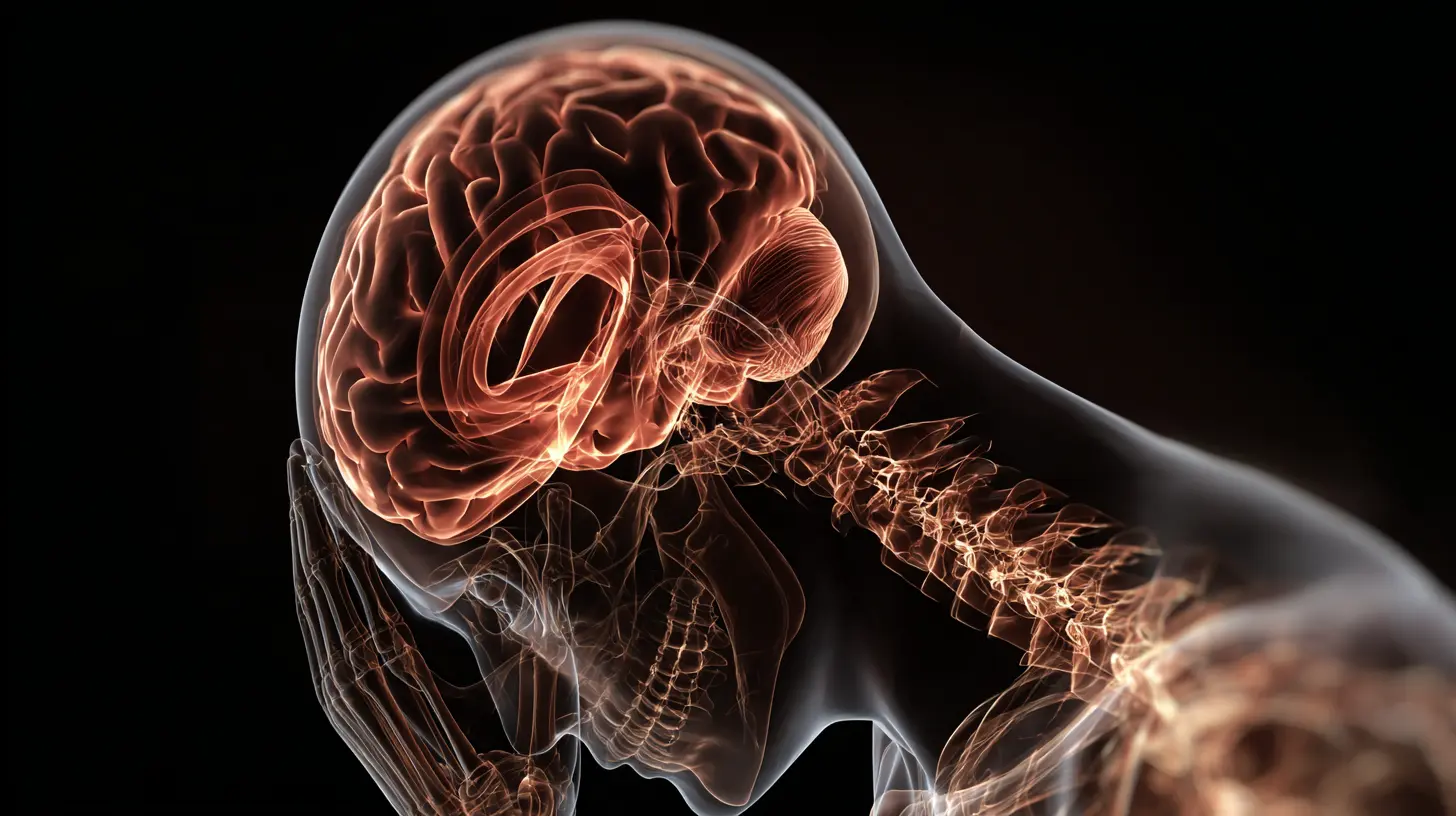
What Exactly Is Chronic Pain?
Before we address brain function, let's define what we're talking about. Chronic pain is pain that sticks around for 12 weeks or longer—even after the original injury has healed. Unlike acute pain, which is like your body's fire alarm, chronic pain is more like a faulty smoke detector that won’t shut up.Some common causes? Arthritis, fibromyalgia, back injuries, migraines, or conditions like nerve damage. But here's the kicker: Sometimes the pain persists even when doctors can’t find a clear cause.
How Pain Signals Work (In a Nutshell)
Let’s keep this simple. Your body has a built-in alert system—your nervous system. When you get hurt, nerves near the injury send signals up your spinal cord to your brain. Your brain processes those signals and says, “Hey, that hurts!”In normal cases, once you heal, those signals quiet down. But with chronic pain, those signals keep firing, like a faulty electric wire. This constant barrage doesn’t just irritate you—it begins to change how your brain works.
Rewiring The Brain: When Pain Goes from Physical to Neurological
Chronic pain isn't just felt—it's experienced. It becomes a mental and emotional burden. Over time, your brain starts to reorganize itself in response. This phenomenon is called "neuroplasticity," and it's both a blessing and a curse.Grey Matter Shrinkage
Research shows that people with long-term pain often have less grey matter in areas of the brain that regulate pain, memory, and emotions. Grey matter is like your brain's control center. When it starts shrinking, your brain doesn't function as efficiently.Think of it like a muscle that’s not being used—it atrophies. But in this case, your brain is overusing some circuits (like the pain pathway) and underusing others (like memory retention), leading to an imbalance.
The Prefrontal Cortex Takes a Hit
This area is your inner CEO—controlling decision-making, focus, and emotional regulation. Chronic pain can dull its effectiveness, making it harder to concentrate, stay mentally sharp, or keep your mood in check.Have you ever tried balancing your checkbook or listening attentively in a meeting while dealing with a migraine or back pain? It’s like trying to run a marathon with a rock in your shoe—non-stop distraction.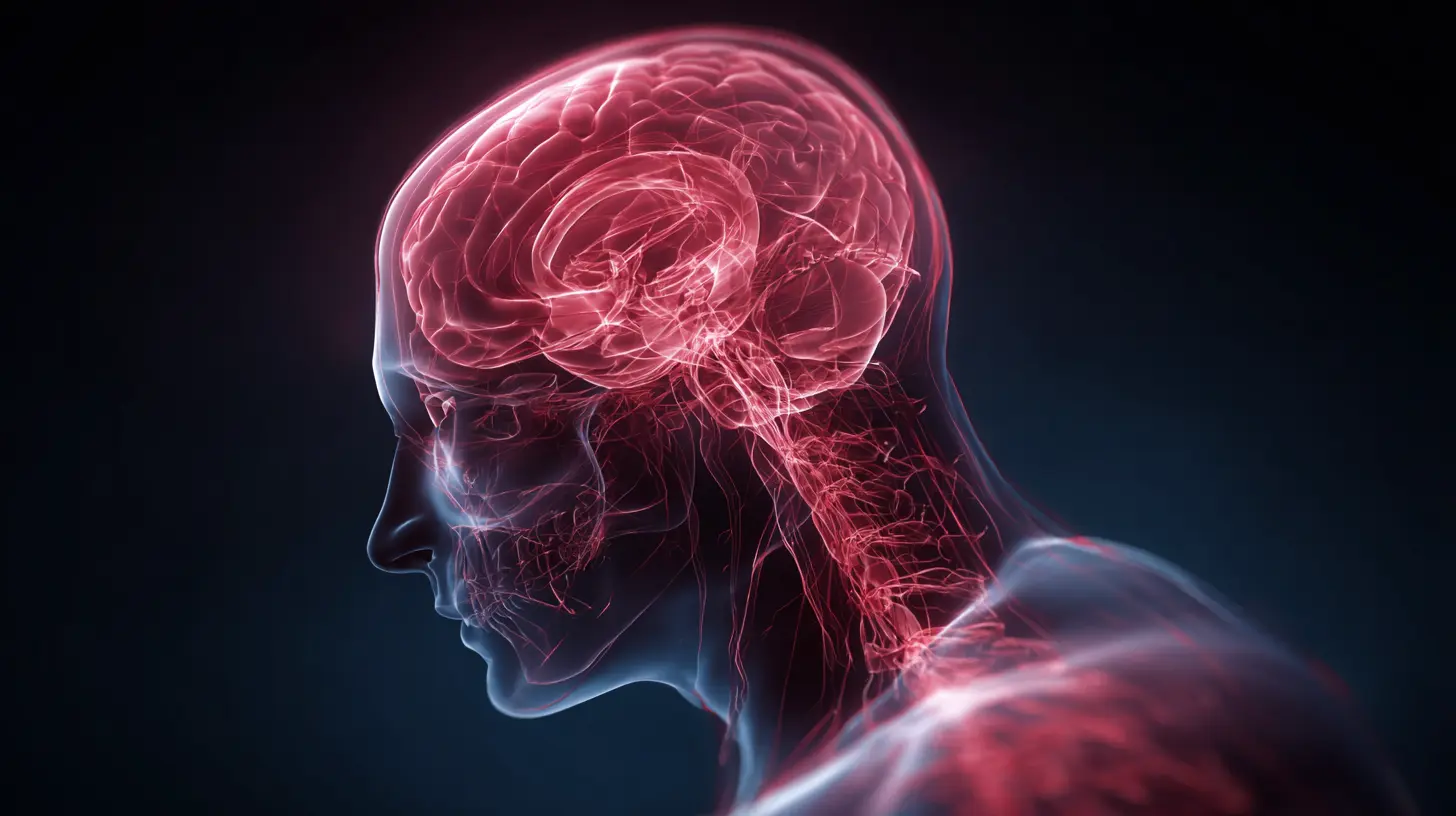
The Brain Becomes "Wired for Pain"
Your brain isn’t just suffering from pain—it begins to expect it. This is called central sensitization. The nervous system becomes so sensitive that even minor triggers—like a light touch or subtle movement—can cause an exaggerated pain response.Imagine if your smoke detector went off every time you used the toaster. That's exactly what your body starts doing. Over time, your brain’s threshold for pain lowers, meaning it reacts aggressively to even mild discomfort.
Mental Health and Chronic Pain – An Emotional Tug of War
Let’s be honest—when you’re dealing with pain daily, it’s not just your body paying the price. Depression and anxiety frequently tag along. In fact, studies have found that up to 85% of people with chronic pain suffer from severe depression.But is this a chicken-and-egg situation? Absolutely. Chronic pain leads to emotional stress, and emotional stress, in turn, can amplify your perception of pain. It’s a vicious cycle.
Stress Changes Brain Chemistry
Chronic stress—thanks to nonstop pain—can flood your system with cortisol. While cortisol is helpful in small doses (like when you’re running from a bear), too much of it can be toxic to the brain, especially the hippocampus, which is vital for memory and learning.This could explain why so many people with chronic pain report brain fog, forgetfulness, and difficulty learning new tasks.
Sleep Deprivation Makes It Worse
Pain makes it hard to sleep. Lack of sleep makes pain feel worse. Another endless loop. But there’s more—your brain uses sleep to repair itself. So when chronic pain robs you of deep sleep, your brain can’t properly heal or reset.Less REM = Less Resilience
REM sleep, in particular, helps process emotions and stress. Without it, your ability to cope with pain takes a nosedive. And let’s not forget how sleep deprivation impairs judgment. Ever noticed how everything feels ten times worse when you’re running on empty? That’s your brain crying out for rest.Memory and Focus: The Hidden Casualties
Chronic pain drains your mental bandwidth. You might feel like your memory’s fading or that you can’t hold onto a thought for more than a few seconds. That’s not your imagination.Cognitive Decline Over Time
Long-term pain alters activity in your brain’s default mode network (DMN)—the system active when you’re daydreaming or thinking about the past or future. It's like your brain's internal chatter. Ongoing pain disrupts this network, leading to poor focus and memory lapses.That’s why people with fibromyalgia or chronic migraines often describe a “fibro fog” or “migraine hangover.” It’s not laziness or distraction—it’s neurological.
Social Isolation and Brain Health
Let’s face it: Chronic pain has a nasty habit of keeping people homebound. You cancel plans, avoid activity, and slowly start to retreat. But this isolation doesn’t just affect your social life—it messes with your mental health and cognitive abilities.Human interaction keeps the brain sharp. When you're socially disconnected, you’re at greater risk for cognitive decline and even dementia. Pain isn’t just a physical burden; it’s a block that cuts you off from the world, piece by piece.
Can Brain Changes Be Reversed?
Now for the silver lining—yes, the brain is plastic. And that’s a good thing. Just like it adapted to pain, it can adapt to healing.Neuroplasticity Works Both Ways
With the right treatment approaches—think physical therapy, medication, mindfulness, CBT (cognitive behavioral therapy), and yes, regular exercise—the brain can rewire itself again. You won’t always feel stuck in a haze of pain.Meditation and Mindfulness Can Help
Practices like meditation have been shown to increase grey matter density in regions involved in pain modulation and emotional control. It’s not just hippie hype—it’s neuroscience. Even 10 minutes a day can start retraining your brain out of its pain mindset.Managing Chronic Pain Holistically
We can’t talk about brain health without touching on lifestyle. Here are some simple but powerful strategies:- Stay active: Movement keeps blood flowing to your brain (and lifts your mood).
- Eat brain-friendly foods: Omega-3s, leafy greens, berries—your brain loves them.
- Get social: Even short chats can boost feel-good chemicals like dopamine.
- Practice gratitude: Sounds cliché, but it rewires your brain to look for the good.
- Sleep like it’s sacred: Prioritize quality sleep like your brain depends on it—because honestly, it does.
Final Thoughts: Chronic Pain Is Real—And Complex
If you’re living with chronic pain, it’s not just in your head—but it is affecting your head. The brain changes that come with persistent pain are very real, and they go way beyond "just feeling uncomfortable."Understanding how chronic pain reshapes your brain can help you better manage it—and even reverse some of the changes over time. So go easy on yourself. You’re not losing your mind—you’re navigating a brain that’s been in survival mode for too long.
Supportive tools, therapy, meds, and healthy habits can all help get your brain back on track. You’ve got more power than you think. And your brain? It's still on your side.
all images in this post were generated using AI tools
Category:
Brain HealthAuthor:

Angelo McGillivray
Discussion
rate this article
2 comments
Maggie McGehee
Chronic pain doesn't just hurt the body; it reshapes the brain. This article sheds light on how persistent discomfort can cloud cognition and dampen emotions. Understanding this connection is crucial for both patients and caregivers in holistic pain management.
August 7, 2026 at 3:42 PM
Alyssa Thornton
Chronic pain significantly alters brain function, impacting memory, attention, and emotional regulation. Understanding these effects is crucial for effective treatment approaches.
June 19, 2026 at 3:43 AM
Angelo McGillivray
You're absolutely right. The connection between chronic pain and brain function is crucial. Addressing these effects can lead to better treatment strategies. Thanks for your insight!