The Myth of Negative-Calorie Foods: What Science Says for 2027
9 September 2026
The idea of negative-calorie foods is one of the most persistent myths in diet culture. The premise is seductive: eat certain foods like celery, cucumbers, or grapefruit, and your body will burn more calories digesting them than the food actually contains. The result, theoretically, is a net negative energy balance. You eat, you lose weight. For 2027, with the rise of GLP-1 medications, continuous glucose monitors, and a more sophisticated public understanding of metabolism, this myth has not disappeared. It has evolved.
The reality is far more complex, and understanding it requires a deep look at thermodynamics, human digestion, and the difference between a laboratory calculation and a living body. This article will dissect the science, explain why the myth persists, and give you practical, evidence-based strategies for weight management that actually work.
The Thermodynamic Fallacy: Why a "Negative" Number Is Impossible
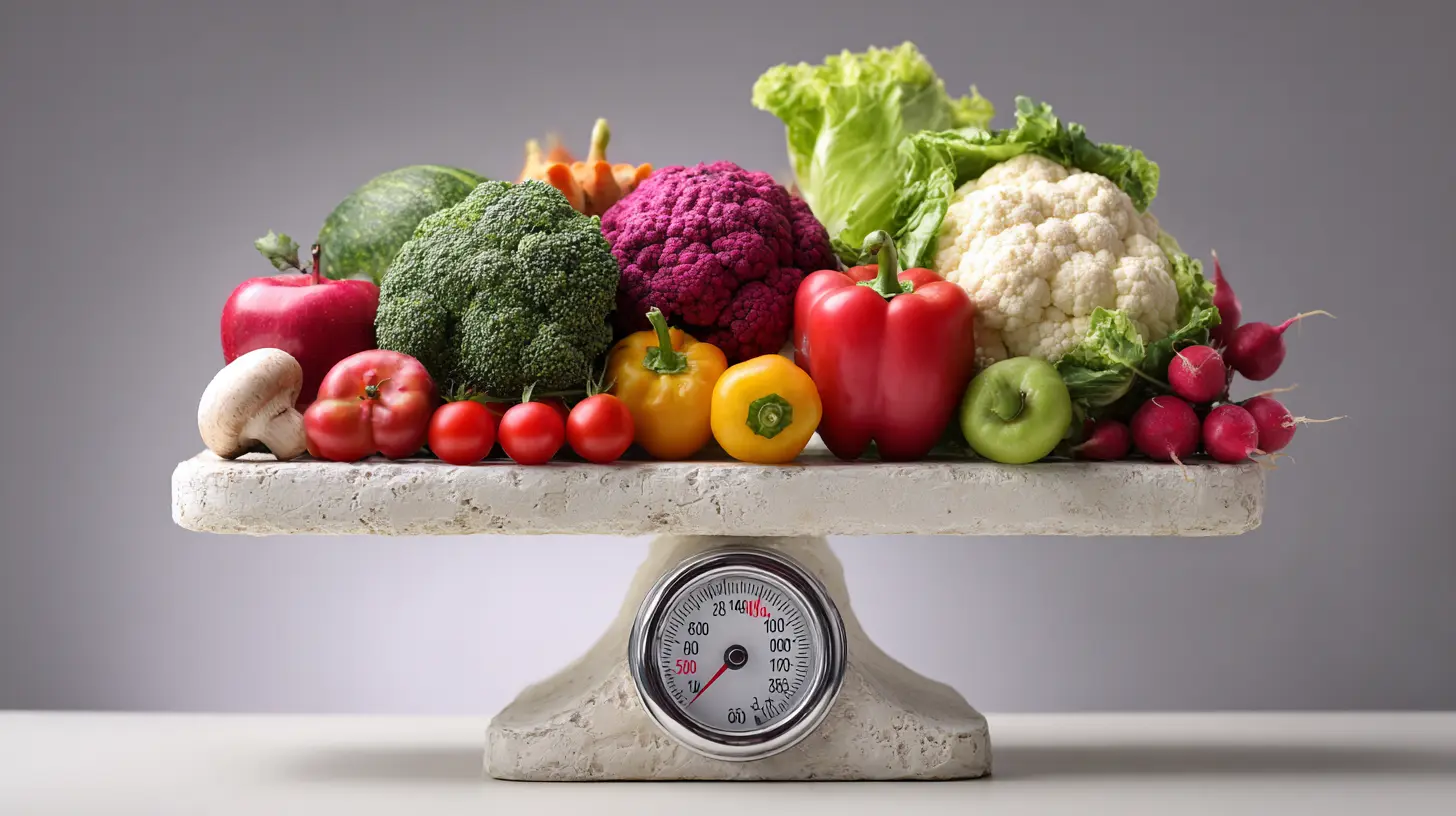
At its core, the negative-calorie concept violates the first law of thermodynamics: energy cannot be created or destroyed, only transformed. If a food provided fewer usable calories than the body expended to process it, the body would have to source the deficit from its own stores. That part is possible. The problem is the magnitude.Let's use celery as the classic example. A large stalk of celery (about 40 grams) contains roughly 6 calories. The thermic effect of food (TEF) - the energy required to digest, absorb, and metabolize nutrients - typically accounts for about 10 percent of total energy expenditure for a mixed diet. For protein, it can be as high as 25 to 30 percent. For carbohydrates, it is around 5 to 10 percent. For pure fat, it is nearly zero.
For celery, which is mostly water and insoluble fiber with a tiny bit of carbohydrate, the TEF might be higher proportionally. Some older, poorly controlled studies suggested that eating celery might burn more calories than it provides. But this was based on a misunderstanding of how fiber works. Your body does not "work hard" to break down cellulose. You lack the enzymes to digest it. It passes through your system largely intact. The energy cost of that passage is minimal - perhaps 1 to 2 calories per 100 grams of celery.
So, you eat 6 calories, and your body might spend 2 calories processing it. The net is positive 4 calories. That is not negative. To achieve a true negative balance, a food would need to have a TEF exceeding 100 percent. No food on earth does that. Even pure protein, which has the highest TEF, still nets positive energy.
The "Ice Water" Analogy and Its Limits
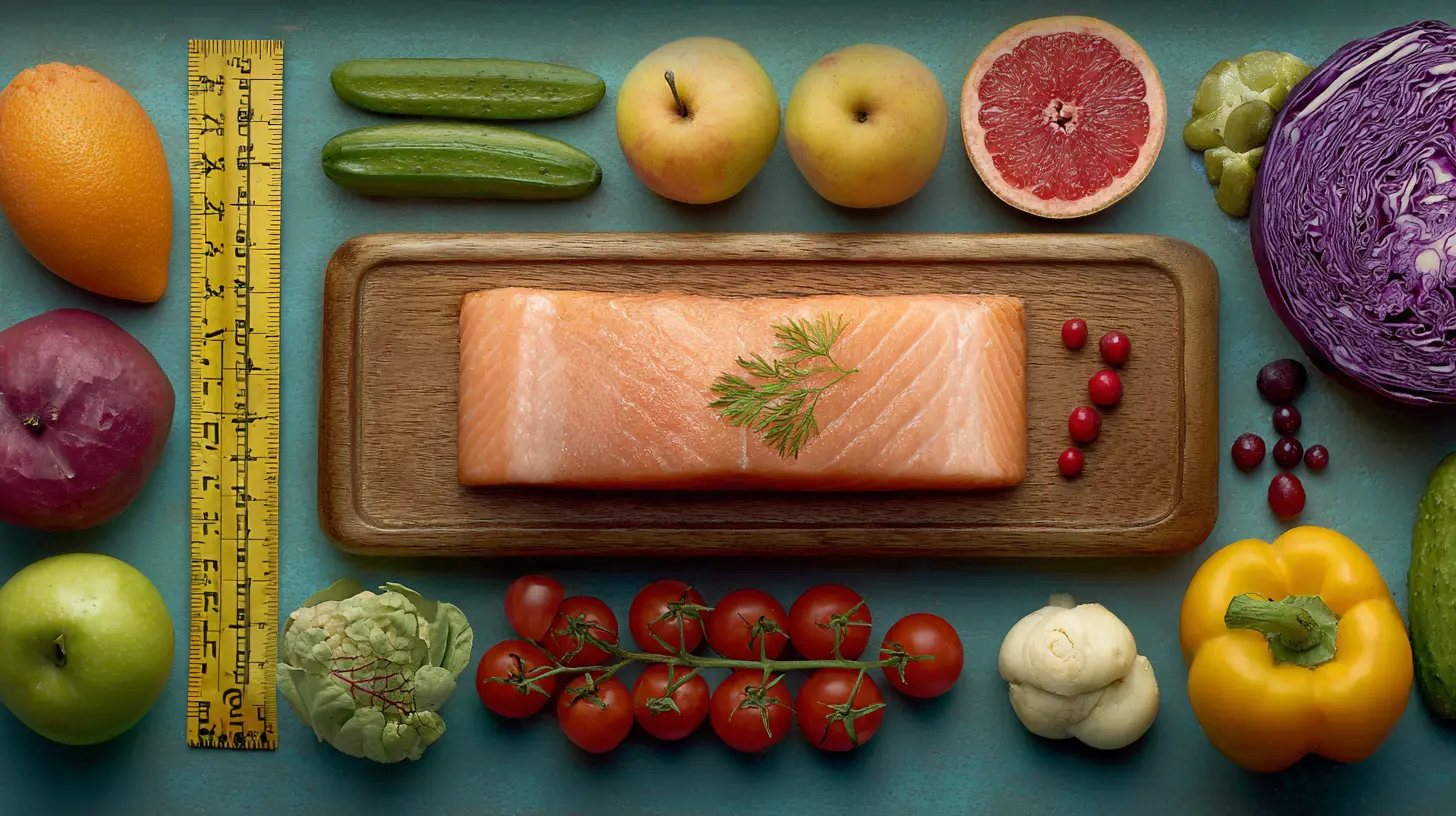
A common argument supporting negative-calorie foods involves ice water. The theory is that drinking a glass of ice water burns calories because your body must warm the water to body temperature. Warming 500 ml of ice water (at 0 degrees Celsius) to 37 degrees Celsius requires about 17 calories. That is true in a purely physical sense.However, the body is not a passive calorimeter. It does not generate heat solely for the purpose of warming ingested liquids. The thermogenic response to cold water is so small that it falls within the normal daily fluctuation of metabolic rate. Over a year, drinking ice water daily might burn an extra 6,000 calories, which is less than 1 kilogram of fat. That is not nothing, but it is not a weight-loss strategy. And critically, the same principle applies to food. The body's homeostatic mechanisms are far too efficient to waste large amounts of energy on trivial temperature differences.
The Real Science of the Thermic Effect of Food
To understand why the negative-calorie myth is wrong, you must understand the TEF more deeply. TEF is not a single number. It varies based on meal composition, insulin sensitivity, gut microbiome, and even the time of day.In a 2027 context, we know that a high-protein meal can increase energy expenditure for hours after eating. This is due to the cost of peptide bond synthesis and urea production. But this increase is still only 20 to 30 percent of the meal's total caloric value. If you eat 300 calories of chicken breast, your body might burn 75 calories digesting it. That leaves a net 225 calories.
For a food to be negative-calorie, it would need to have a net energy of zero or less. The only way to approach that is with foods that are essentially indigestible, like pure cellulose. But even then, the chewing, swallowing, and peristalsis cost something. The net is never negative, just very low.
What About Grapefruit and Cabbage Soup?
The diet culture of the 1980s and 1990s was full of "fat-burning" foods. Grapefruit was touted as a metabolic accelerator. The claim was that an enzyme in grapefruit triggered fat burning. The research behind this was thin and often funded by the grapefruit industry. In 2027, we have better data. Grapefruit can interact with cytochrome P450 enzymes in the liver, specifically CYP3A4, which affects how certain drugs are metabolized. This is a real and potentially dangerous interaction. However, there is no credible evidence that grapefruit increases metabolic rate in a way that creates a negative caloric balance.Cabbage soup is another example. The "Cabbage Soup Diet" is a severe low-calorie plan that involves eating large amounts of cabbage soup for a week. The soup itself is low in calories, around 50 to 100 calories per bowl. The diet works because you are eating almost nothing else. The weight loss comes from severe calorie restriction and water loss, not from the cabbage burning fat. The moment you eat a normal meal, the weight returns.
The Role of Fiber and Water Volume
Why does the myth persist? Because foods like celery, cucumber, lettuce, and watermelon are genuinely excellent for weight loss. They are not negative-calorie, but they are low-calorie-density foods. This is a crucial distinction.Calorie density refers to the number of calories per gram of food. Foods with high water and fiber content have a low calorie density. You can eat a pound of cucumbers for about 70 calories. That volume fills your stomach, triggers stretch receptors, and sends satiety signals to your brain. You feel full. You eat less of other, more calorie-dense foods afterward.
This is the real mechanism. It is not that your body burns calories processing the cucumber. It is that the cucumber displaces other calories. In a 2027 world where portion sizes have increased and ultra-processed foods dominate, this displacement effect is more valuable than ever. A large salad before a pizza meal can reduce total caloric intake by 10 to 20 percent. That is a real, measurable effect, but it is not "negative calories." It is "calorie substitution."
The Protein and Fiber Synergy
Some foods are often mistakenly called negative-calorie because they are high in protein and fiber. Broccoli, for example, contains about 34 calories per 100 grams, with about 2.5 grams of protein and 2.6 grams of fiber. The TEF for protein is high, but the absolute amount of protein is small. The fiber adds bulk but no calories. The net effect is that broccoli is a very low-calorie food, but not negative.However, there is a synergy worth understanding. When you consume protein and fiber together, you get the satiety benefits of both. Protein increases the release of peptide YY and glucagon-like peptide-1 (GLP-1), hormones that suppress appetite. Fiber slows gastric emptying and increases chewing time. This combination leads to a more pronounced and prolonged feeling of fullness compared to eating the same calories in refined carbohydrates.
For example, a meal of grilled chicken breast with a large portion of broccoli and a side salad will keep you full for four to five hours. A meal of white rice and chicken with no vegetables might leave you hungry in two to three hours. The difference is not negative calories. It is the hormonal and mechanical response to food volume and macronutrient composition.
The 2027 Context: GLP-1 Agonists and the "Food as Fuel" Mindset
Since the early 2020s, GLP-1 receptor agonists like semaglutide have changed the weight loss landscape. These drugs work by mimicking an incretin hormone that slows gastric emptying, increases insulin secretion, and acts on the brain to reduce appetite. People on these medications often report that they simply do not think about food as much.In this context, the negative-calorie myth becomes more dangerous. Someone on a GLP-1 drug might already be eating very little. If they also believe that celery and cucumbers are "free" foods with negative calories, they might consume large volumes of them, leading to gastrointestinal distress. The drugs already slow gastric emptying. Adding a massive amount of insoluble fiber can cause bloating, cramping, and even a bezoar - a hard mass of undigested material that can block the stomach.
the mindset that some foods can "cancel out" others is a form of magical thinking that undermines the disciplined approach needed for sustainable weight management. There is no food that erases the calories of a donut. There is no food that burns fat while you sit on the couch.
The Practical Takeaway: What Should You Do?
Instead of chasing negative-calorie foods, focus on three evidence-based principles.First, prioritize protein. Aim for 1.6 to 2.2 grams of protein per kilogram of body weight per day. This is not just for muscle building. Protein has the highest TEF, the highest satiety value, and the most significant impact on preserving lean mass during weight loss. In 2027, we have more data showing that high-protein diets are crucial for maintaining resting metabolic rate during a calorie deficit.
Second, increase non-starchy vegetable intake. The goal is not to eat celery for its negative calories. The goal is to eat enough volume to feel full. A practical target is to fill half your plate with vegetables at lunch and dinner. This is a behavioral strategy, not a metabolic one. A 2019 study in the Annals of Internal Medicine showed that a diet emphasizing vegetables and protein was as effective as a calorie-counting diet for weight loss, but it was easier to adhere to.
Third, be wary of "health halo" foods. Granola, smoothies, and dried fruit are often marketed as healthy but are calorie-dense. A single cup of granola can have 500 calories. A large smoothie can have 600. These are not negative-calorie foods. They are not even low-calorie foods. They are concentrated sources of sugar and fat.
The Calorie Counting Conundrum
One of the reasons the negative-calorie myth persists is that people do not trust calorie labels. And they are right to be skeptical. The calorie counts on food labels are based on the Atwater system, which was developed in the late 19th century. It assumes a fixed number of calories per gram of protein, fat, and carbohydrate. But this system does not account for food matrix, cooking methods, or individual gut bacteria.For example, almonds are labeled as 160 calories per ounce. But recent research using a "walnut method" of measuring metabolizable energy suggests that almonds actually provide about 130 calories. The fiber and cell walls make some of the fat inaccessible. This is not a negative-calorie food. It is a food where the label overestimates the available energy by about 20 percent.
This nuance matters. It means that some foods are less calorie-dense than their labels suggest. But it does not mean any food is negative-calorie. The difference between 160 and 130 calories is not enough to create a deficit. It is enough to make a slight difference in a daily budget, but it is not a free pass.
Common Mistakes with Low-Calorie Vegetables
People often make two mistakes when trying to use low-calorie vegetables for weight loss.The first mistake is adding high-calorie dressings and dips. A large salad with 100 calories of romaine lettuce and 400 calories of ranch dressing is not a low-calorie meal. The dressing negates the entire benefit. The solution is to use vinegar, lemon juice, or a small amount of olive oil. A tablespoon of olive oil is 120 calories. That is fine if it is accounted for.
The second mistake is blending vegetables into juices or smoothies. Juicing removes the fiber, which is the primary satiety component. A celery juice has almost no calories, but it also has almost no bulk. It will not keep you full. You are better off eating the whole celery stalk, which requires chewing and provides physical volume in the stomach.
The Psychological Trap of "Free" Foods
Labeling certain foods as "negative-calorie" creates a psychological license to overeat other foods. This is known as the "health halo" effect. If you believe that your celery sticks are burning calories, you might feel justified in eating a large dessert. This trade-off is counterproductive.A better approach is to view all foods on a continuum. Some foods are nutrient-dense and low in calories. Others are calorie-dense and low in nutrients. Neither is inherently "good" or "bad." The key is portion control and overall dietary pattern.
In 2027, we have sophisticated tools like continuous glucose monitors (CGMs) that can show individual glycemic responses to foods. These devices are helpful for understanding how your body reacts to carbohydrates. But they do not measure calories burned. A CGM will not show you a negative-calorie effect. It will show you a glucose spike, which is a different physiological process.
The Bottom Line for 2027
The negative-calorie food myth is dead, but it will not stay buried. It resurfaces every few years with a new name or a new celebrity endorsement. The scientific consensus is clear: no food has a negative net energy balance. The closest you can get is foods that are very low in calories and very high in volume and fiber.The real strategy for weight loss in 2027 is not to find magic foods. It is to build a sustainable pattern of eating that includes adequate protein, plenty of vegetables, and controlled portions of calorie-dense foods. It is to use tools like GLP-1 medications, CGMs, and calorie tracking as aids, not as replacements for basic nutritional awareness.
If you want to eat celery, eat it. It is a healthy, crunchy, hydrating snack. But do not eat it expecting to burn fat. Eat it because it fills you up and displaces less healthy options. That is the real, boring, and effective science of weight management. The myth is more interesting, but it does not work.
all images in this post were generated using AI tools
Category:
Nutrition MythsAuthor:

Angelo McGillivray
Discussion
rate this article
1 comments
Giselle Anderson
Negative-calorie foods are a captivating idea, but the truth is more complex. Instead of chasing myths, let's focus on balanced nutrition and mindful eating. Real health comes from understanding our bodies and making sustainable choices. Embrace knowledge in 2027-your health journey is about progress, not quick fixes. Let's thrive together!
September 10, 2026 at 2:53 AM
Angelo McGillivray
Thanks for your thoughtful comment. You're right-balanced nutrition and mindful choices are key. Let's keep the conversation going and focus on sustainable health practices. Here's to thriving together in 2027!