The Power of Positive Thinking on Brain Chemistry
10 April 2026
Have you ever noticed how a simple shift in mindset can change your entire day? One small positive thought can create a ripple effect, influencing your emotions, behavior, and even your body. But did you know that positive thinking also has a direct impact on your brain chemistry?
That's right—your thoughts can shape the way your brain functions, affecting everything from stress levels to overall mental health. Let's dive deep into the fascinating connection between positivity and brain chemistry and see how a simple mindset shift can transform your life. 
How Positive Thinking Impacts Brain Chemistry
Our brains are like complex chemical factories, constantly producing and regulating neurotransmitters—those tiny but powerful chemical messengers that influence our emotions, thoughts, and bodily functions. When we embrace positive thinking, our brain responds by releasing chemicals that promote well-being, happiness, and resilience.Let’s break it down and see exactly how this works.
1. Dopamine: The "Feel-Good" Chemical
Dopamine is often called the "feel-good" neurotransmitter because it plays a crucial role in pleasure, motivation, and reward. When you think positively or set and accomplish goals, your brain releases dopamine, creating a sense of satisfaction and reinforcing good habits.Ever wonder why completing a to-do list or achieving a milestone feels so satisfying? That’s dopamine at work! When you think optimistically, your dopamine levels increase, making you more motivated and driven to pursue your goals.
2. Serotonin: The Happiness Booster
Serotonin is the brain chemical responsible for stabilizing mood, promoting feelings of well-being, and reducing anxiety. When you think positively, your brain produces more serotonin, which helps you feel happier and more content.Interestingly, low serotonin levels have been linked to depression and mood disorders. This means that cultivating a positive mindset isn’t just about feeling good—it’s also a natural way to support mental health.
3. Endorphins: The Natural Painkillers
Ever experienced a "runner’s high" or felt euphoric after laughing hard with friends? That’s endorphins in action. These powerful chemicals act as natural pain relievers, reducing stress and enhancing feelings of pleasure.When you engage in positive activities—like laughing, exercising, or expressing gratitude—your brain releases endorphins, helping you feel more relaxed and resilient against stress.
4. Oxytocin: The Connection Hormone
Oxytocin, sometimes called the "love hormone," is associated with feelings of trust, bonding, and emotional intimacy. Positive thinking, along with acts of kindness and social connections, triggers oxytocin release, deepening your relationships and fostering a sense of belonging.Ever notice how a kind word or a heartfelt hug can instantly lift your mood? That’s oxytocin strengthening social bonds and making you feel more connected to others.
5. Cortisol: The Stress Hormone (And How Positivity Lowers It)
Cortisol is known as the "stress hormone" because it’s released in response to physical or emotional stress. While cortisol is essential in small amounts, chronic stress causes excessive cortisol production, leading to anxiety, fatigue, and even health problems.The good news? Positive thinking helps regulate cortisol levels, reducing overall stress and helping you maintain a healthier mind and body. 
The Science Behind Positive Thinking and Brain Plasticity
Your brain isn’t static—it’s constantly changing and adapting, a phenomenon known as neuroplasticity. This means that the more you practice positive thinking, the more your brain rewires itself to support optimism and resilience.Think of your brain like a field of fresh snow. The first time you think positively, it’s like carving a new path. The more you walk that path, the deeper and more natural it becomes. Similarly, repeated positive thoughts strengthen neural pathways, making positivity an automatic habit over time. 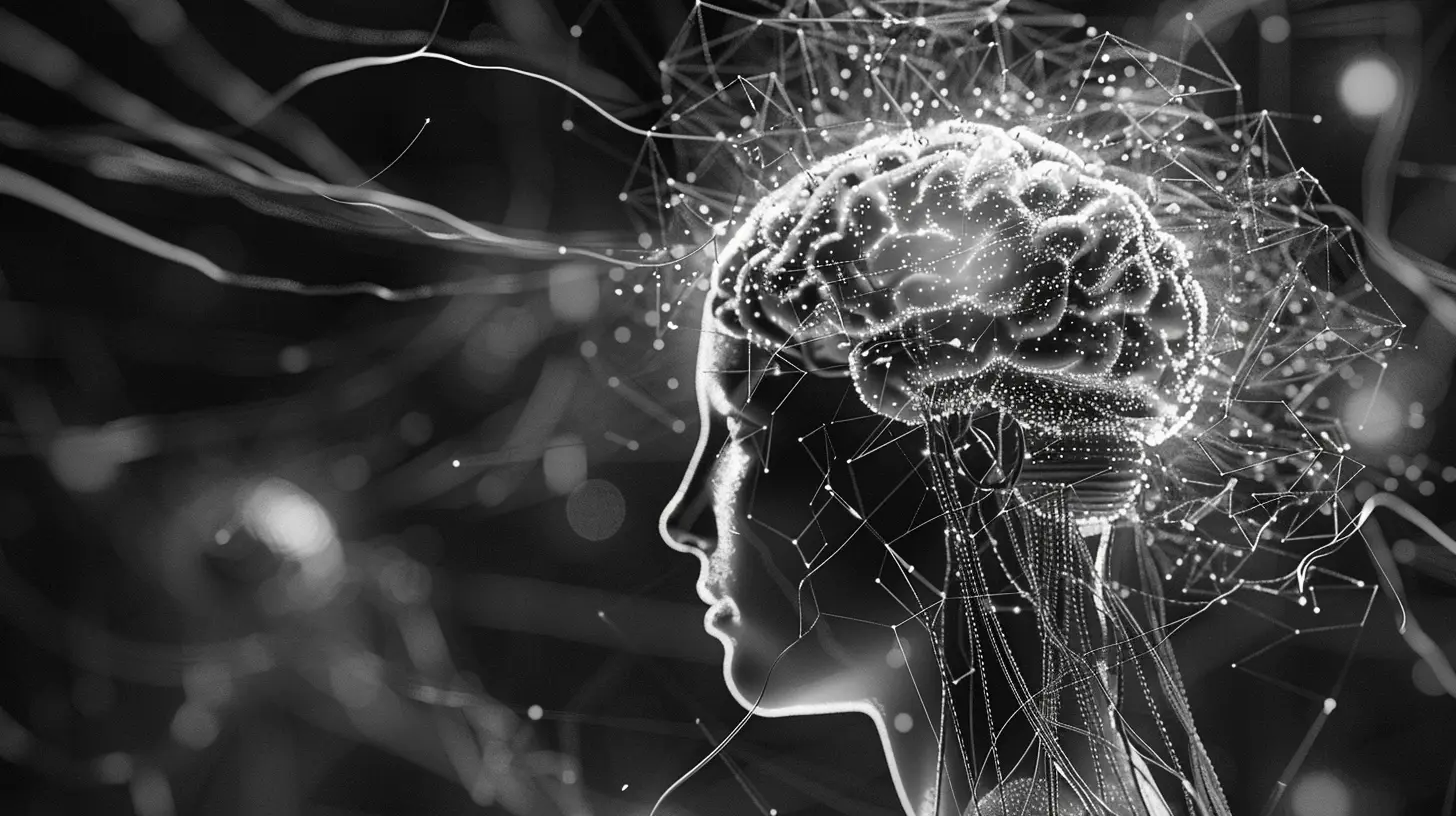
Simple Ways to Cultivate Positive Thinking
Now that we know how powerful positivity is for brain chemistry, the big question is—how do we train our brains to be more positive? Here are some simple yet powerful strategies:1. Practice Gratitude
Gratitude isn’t just a feel-good exercise; it actively boosts serotonin levels, making you feel happier and more content. Try writing down three things you’re grateful for each day—it’s a small habit with huge benefits.2. Reframe Negative Thoughts
Negative thoughts are inevitable, but instead of dwelling on them, try reframing them into something positive. Instead of thinking, “I’ll never get this right,” shift to, “I’m learning and improving every day.”3. Engage in Positive Social Interactions
Spend time with people who uplift and inspire you. Meaningful conversations, laughter, and acts of kindness stimulate oxytocin release, enhancing feelings of connection and joy.4. Move Your Body
Exercise isn’t just good for your physique—it’s great for your brain too! Physical activity boosts dopamine, endorphins, and serotonin, helping you feel happier and more energized.5. Use Positive Affirmations
Words have power. Repeating affirmations like “I am capable,” “I am strong,” or “I am worthy” can help rewire your brain for positivity over time.6. Get Enough Sleep
Sleep plays a crucial role in emotional regulation. A well-rested brain is better equipped to manage stress, think clearly, and maintain a positive outlook.7. Engage in Mindfulness and Meditation
Meditation and mindfulness practices help reduce stress, lower cortisol levels, and strengthen positive thinking patterns. Even just 10 minutes of deep breathing or mindfulness can make a significant difference.
The Long-Term Benefits of Positive Thinking
Embracing positivity isn’t just about feeling good in the moment—it has lasting effects on both your brain and your overall well-being. Regular positive thinking can:✅ Strengthen mental resilience
✅ Reduce symptoms of anxiety and depression
✅ Improve focus, creativity, and problem-solving skills
✅ Enhance relationships and social connections
✅ Boost overall physical health by lowering stress-related illnesses
The more you practice positivity, the more your brain adapts, turning optimism into a natural state of being.
Final Thoughts
Your thoughts are more powerful than you think. They shape your emotions, influence your actions, and even alter your brain chemistry. By embracing positivity, you’re not just improving your mood—you’re rewiring your brain for long-term well-being.So, the next time you find yourself stuck in a spiral of negativity, remember: you have the power to shift your mindset. A single positive thought is like a drop in the ocean, creating ripples that can transform your entire life.
Start small, stay consistent, and watch as your brain—and your world—begin to change for the better.
all images in this post were generated using AI tools
Category:
Brain HealthAuthor:

Angelo McGillivray
Discussion
rate this article
2 comments
Max Pacheco
This article brilliantly highlights how positive thinking can influence brain chemistry, enhancing mental health and overall well-being. Embracing optimism not only boosts mood but also promotes resilience—truly empowering for anyone seeking personal growth!
April 22, 2026 at 2:24 AM
Angelo McGillivray
Thank you for your kind words! I'm glad the article resonated with you. Embracing optimism really can make a difference.
Ryan Rios
Positive thinking significantly influences brain chemistry, promoting the release of neurotransmitters like serotonin and dopamine. This not only boosts mood and reduces stress but also enhances cognitive function. Adopting a positive mindset can be a powerful tool for improving mental health and overall well-being.
April 18, 2026 at 5:02 PM
Angelo McGillivray
Absolutely, positive thinking plays a crucial role in brain chemistry. It's fascinating how our mindset can directly impact our mood and cognitive abilities. Thanks for highlighting this!