The Role of CBD in Chronic Pain Management
29 May 2026
Chronic pain is a relentless struggle that affects millions worldwide. Whether it's lingering arthritis pain, nerve discomfort, or muscle tension, the search for relief can be frustrating. In recent years, many people have turned to CBD (cannabidiol) as a potential alternative to traditional pain medications. But how does it work? Is it effective? And is it safe?
If you've been curious about CBD's role in chronic pain management, this article will break it down in simple terms. Let's dive in! 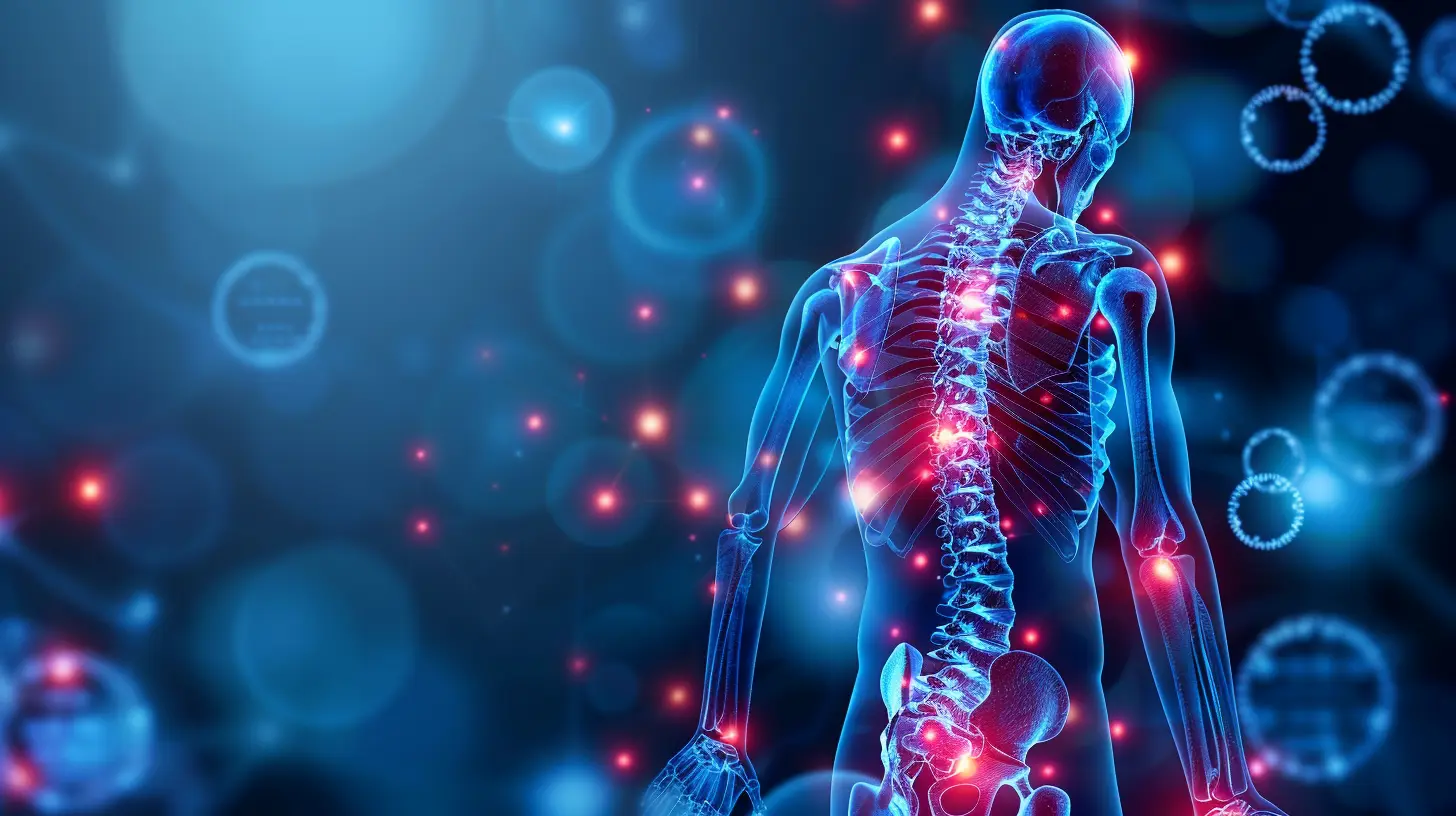
What is CBD?
Before we get into the nitty-gritty, let's start with the basics. CBD (cannabidiol) is a natural compound found in the cannabis plant. Unlike THC (tetrahydrocannabinol), which gives you that "high" feeling, CBD is non-psychoactive. That means you can reap potential health benefits without feeling intoxicated.CBD is extracted from the hemp plant and comes in various forms, including oils, capsules, creams, and even gummies. But the real question is—can it help with chronic pain? 
How Does CBD Help with Chronic Pain?
Your body has a complex system called the endocannabinoid system (ECS). Think of it as an internal communication network that helps regulate pain, mood, sleep, and immune function.CBD interacts with this system by influencing CB1 and CB2 receptors, which play a role in pain perception and inflammation. While CBD doesn’t directly target these receptors, it enhances the body's ability to manage pain naturally.
1. Reducing Inflammation
Many chronic pain conditions, like arthritis, are linked to inflammation. CBD has been shown to have anti-inflammatory properties, which may help reduce swelling and discomfort.2. Altering Pain Signals
CBD can potentially modulate pain signals traveling through the nervous system. This means it may interfere with how your brain perceives pain, making it feel less intense.3. Easing Muscle Tension
For those dealing with conditions like fibromyalgia or muscle spasms, CBD’s ability to relax muscles may provide relief.4. Improving Sleep and Mood
Chronic pain often leads to poor sleep and emotional stress, which can make things worse. CBD may promote relaxation and better sleep, helping manage the mental and emotional toll of chronic pain.
What Does the Research Say?
Now, you might be thinking—"This sounds great, but is there any real science behind it?" The short answer: Yes!Clinical Studies on CBD and Pain
Several studies suggest that CBD may help manage pain:- Arthritis Pain: A 2016 study in rats found that CBD applied as a topical gel reduced joint swelling and pain. While this was an animal study, the findings are promising.
- Neuropathic Pain: A 2020 review published in Frontiers in Pharmacology found that CBD may help reduce nerve pain caused by conditions like multiple sclerosis and diabetes.
- Chronic Pain Management: A 2018 review of studies concluded that CBD could be a viable option for managing general chronic pain without major side effects.
While more human studies are needed, early research supports the idea that CBD could be beneficial. 
How to Use CBD for Chronic Pain
If you're considering trying CBD, it's important to choose the right product and dosage. Here’s what you need to know:1. Choosing the Right CBD Product
CBD comes in different forms, and each has its own benefits:- CBD Oil/Tinctures – Fast-acting when taken under the tongue.
- CBD Capsules – Easy to dose but slightly slower to take effect.
- CBD Topicals (Creams, Balms) – Best for targeting localized pain.
- CBD Edibles (Gummies, Beverages) – Tasty and convenient, but slower to work.
2. Finding the Right Dosage
Finding the right dosage can be tricky, as it varies from person to person. A good start is low and slow—begin with a small dose (10-20 mg per day) and gradually increase if needed.3. Consistency is Key
CBD doesn't work overnight. Many people find that taking it consistently for a few weeks leads to better results.Are There Any Side Effects?
CBD is generally well-tolerated, but some people may experience mild side effects, such as:- Dry mouth
- Drowsiness
- Changes in appetite
- Upset stomach
Always consult with your doctor before trying CBD, especially if you're taking other medications.
Is CBD Legal?
CBD laws vary by country and state. In many places, CBD derived from hemp (with less than 0.3% THC) is legal. However, it’s always best to check your local laws before purchasing.Should You Try CBD for Chronic Pain?
If you're struggling with chronic pain, CBD might be worth considering. While it's not a miracle cure, research suggests it may offer relief by reducing inflammation, relaxing muscles, and improving sleep.That said, CBD isn't for everyone. If you're on prescription medications or have underlying health conditions, speak to your doctor before giving it a try.
Pain management is personal—what works for one person might not work for another. But if you're looking for a natural alternative to pain relief, CBD could be a step in the right direction.
Final Thoughts
CBD has gained a lot of attention as a potential tool for chronic pain management. While research is still evolving, many people swear by its ability to ease discomfort without the side effects of traditional painkillers.If you're thinking of trying CBD, start simple—choose a high-quality product, begin with a low dose, and pay attention to how your body responds. Who knows? It could be the relief you've been searching for.
### Have you tried CBD for pain? Let us know in the comments!
all images in this post were generated using AI tools
Category:
Chronic PainAuthor:

Angelo McGillivray
Discussion
rate this article
2 comments
Zarev Cummings
Oh great, another miracle cure for pain. Just what we needed. Next, we'll be curing everything with gummy bears!
July 14, 2026 at 3:50 AM
Angelo McGillivray
I get the skepticism! CBD might not be a miracle, but for some, it offers real relief. It's worth exploring all options in pain management.
Raven McWain
Thank you for sharing such valuable insights on CBD and its potential for chronic pain management. It's encouraging to see more conversations around natural alternatives. Your article sheds light on an important topic and offers hope for those seeking relief. Looking forward to more discussions like this!
June 2, 2026 at 2:28 PM
Angelo McGillivray
Thank you for your kind words! I'm glad you found the article helpful. Let's keep the conversation going about natural alternatives.