The Role of Gut Health in Autoimmune Conditions
22 April 2026
Introduction
Ever had that gut feeling something wasn’t right? Well, turns out your gut does a lot more than just digest food. It plays a massive role in your immune system, and when things go south, that’s when autoimmune conditions can creep in.
The connection between gut health and autoimmune conditions is something science is only beginning to uncover, but what we do know is fascinating. Imagine your gut as the body's control center—when it's balanced, everything runs smoothly. But when it’s off, your immune system might start attacking your own body instead of protecting it.
So, what exactly is going on inside our gut that makes it such a game-changer for autoimmune diseases? Let’s dive in.
The Gut-Immune System Connection
Your gut isn’t just about breaking down food; it’s home to trillions of bacteria, fungi, and other microorganisms—collectively known as the gut microbiome. These tiny critters are like your body's little soldiers, working day and night to keep things in check.A healthy gut microbiome helps regulate the immune system. It teaches it which invaders to fight and which are harmless. But when your gut health is out of whack—thanks to processed foods, stress, antibiotics, or infections—your immune system can get confused. This confusion sometimes leads to autoimmune diseases, where the immune system mistakenly attacks healthy cells.

How Poor Gut Health Triggers Autoimmunity
Think of your gut lining as a security fence. It decides what gets in and what stays out. When it’s strong, harmful toxins and bacteria are kept at bay. But when it’s weakened—a condition called leaky gut syndrome—undigested food particles, toxins, and bacteria sneak into the bloodstream.Once these unwanted visitors cross into places they shouldn’t be, your immune system goes into full attack mode. Over time, constant immune activation can lead to chronic inflammation, which is the root of many autoimmune disorders, including:
- Rheumatoid arthritis
- Hashimoto’s thyroiditis
- Lupus
- Multiple sclerosis
- Celiac disease
The Role of Dysbiosis in Autoimmune Conditions
Dysbiosis is just a fancy term for an imbalanced gut microbiome. When the good bacteria in your gut are outnumbered by the bad guys, your immune system pays the price.For instance, studies show that people with autoimmune diseases often have lower levels of beneficial bacteria like Lactobacillus and Bifidobacterium. At the same time, harmful bacteria types flourish, triggering inflammation and immune dysfunction.
Signs Your Gut Might Be in Trouble
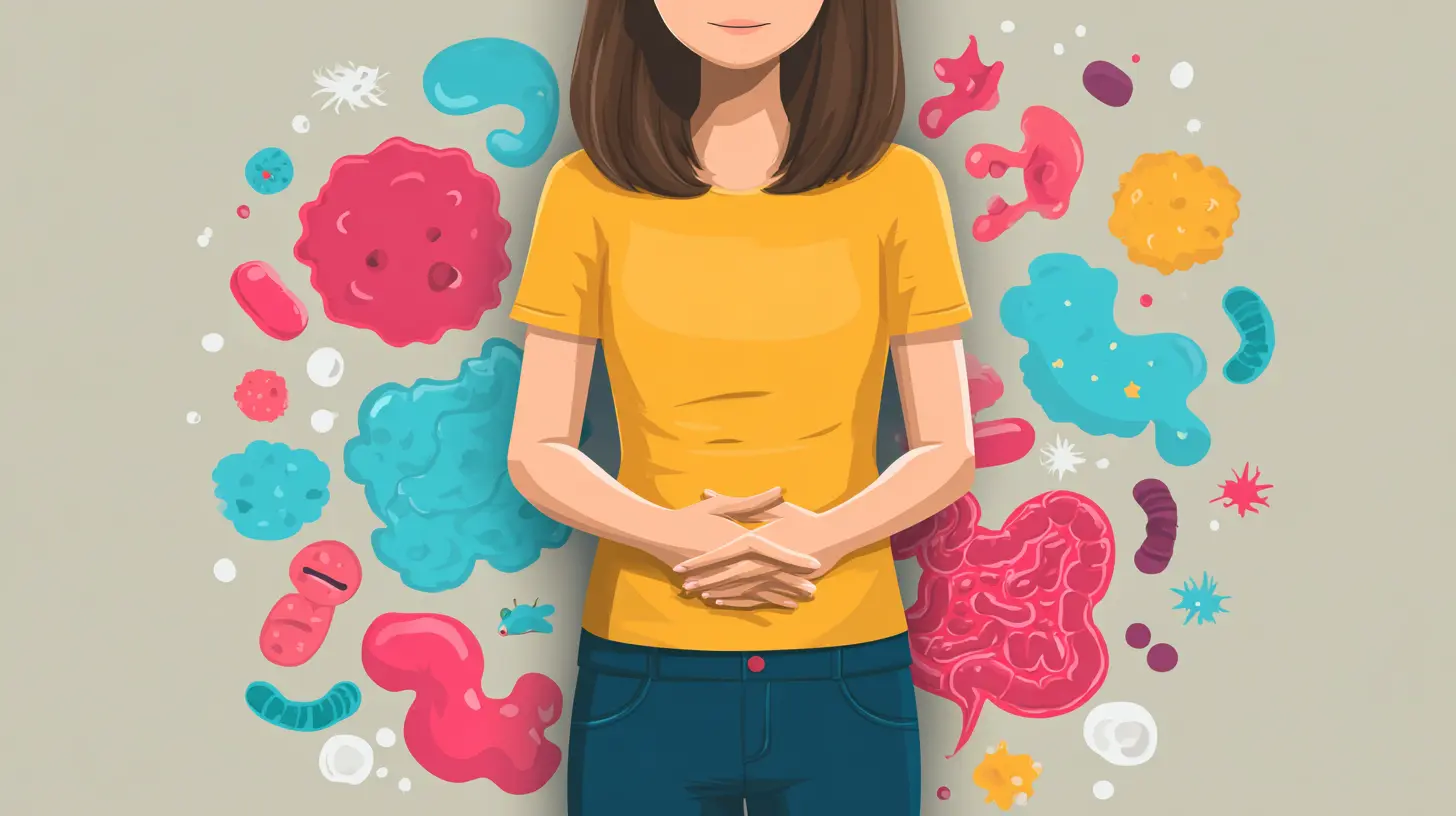
Wondering if your gut health isn’t up to par? Here are some common signs that your microbiome might need some TLC:- Chronic bloating, gas, or constipation – If your digestion is all over the place, it could be a sign that your gut bacteria are imbalanced.
- Frequent fatigue – Poor gut health can lead to nutrient deficiencies, zapping your energy levels.
- Skin issues like eczema or acne – Your gut and skin are closely linked. When your gut’s inflamed, your skin often shows the signs.
- Food intolerances – If certain foods leave you feeling awful, your gut might not be processing them properly.
- Brain fog or mood swings – The gut produces neurotransmitters like serotonin, which affects mood and mental clarity.
How to Improve Your Gut Health and Reduce Autoimmune Risk
The good news? You can take steps to restore your gut health and, in turn, support your immune system. Here’s how:1. Eat More Gut-Friendly Foods
Your diet plays a huge role in your gut health. Load up on:- Fermented foods like yogurt, sauerkraut, kimchi, and kefir—they’re full of good bacteria your gut loves.
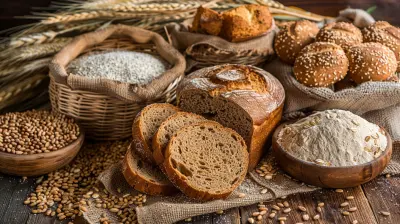
- Fiber-rich foods like fruits, vegetables, and whole grains to feed beneficial gut bacteria.
- Healthy fats from sources like avocados, olive oil, and nuts to reduce inflammation.
2. Cut Out Processed Foods and Sugar
Refined sugars and processed foods can fuel bad bacteria and increase inflammation. Try to limit artificial ingredients and opt for whole, unprocessed foods instead.3. Support Your Gut with Probiotics and Prebiotics
Taking a high-quality probiotic supplement can help replenish your gut flora. Prebiotics (found in foods like garlic, onions, and bananas) act as fuel for good bacteria, helping them thrive.4. Manage Stress Levels
Stress doesn’t just mess with your mind; it also impacts your gut. Chronic stress can alter your microbiome and weaken your gut barrier. Meditation, deep breathing, yoga, and regular exercise can help keep stress in check.5. Get Enough Sleep
Your gut microbiome follows a rhythm, just like your sleep cycle. Poor sleep can disrupt this rhythm, leading to an imbalanced gut. Aim for at least 7-9 hours of quality sleep each night.6. Stay Hydrated
Water helps everything function better, including digestion. It keeps things moving in your digestive tract and helps flush out toxins.7. Be Careful with Antibiotics
While antibiotics are sometimes necessary, overuse can wipe out the good bacteria in your gut. If you do need antibiotics, make sure to replenish your gut with probiotics afterward.Final Thoughts
Your gut is way more than just a digestion center—it’s a key player in immune health. When it’s in balance, your body thrives. But when it’s out of sync, autoimmune conditions can take root.By feeding your gut the right foods, reducing stress, and making small lifestyle changes, you can create a healthier microbiome that supports your immune system. You don’t have to overhaul your life overnight—start with one or two changes and build from there. Your gut (and your immune system) will thank you for it!
all images in this post were generated using AI tools
Category:
Gut HealthAuthor:

Angelo McGillivray
Discussion
rate this article
2 comments
Ella Jones
Great article! 🌿 It’s fascinating how our gut health can significantly impact autoimmune conditions. This connection highlights the importance of a balanced diet and probiotics. I’m excited to learn more about how we can support our gut for overall health and well-being. Keep up the great work!
April 24, 2026 at 3:05 AM
Angelo McGillivray
Thank you for your kind words! I'm glad you found the article useful. Understanding gut health is key, and I appreciate your enthusiasm for learning more about it. Stay tuned for more insights!
Theo Newton
Absolutely loved this article! 🌟 It's inspiring to see how gut health plays such a pivotal role in managing autoimmune conditions. Understanding this connection empowers us to make healthier choices and improve our well-being. Here's to happier guts and healthier lives! Cheers to vibrant health! 🥳🌱
April 22, 2026 at 3:34 PM
Angelo McGillivray
Thank you so much for your kind words! I'm glad you found it inspiring. Here's to our health and the importance of gut wellness!