The Role of Gut Health in Sustaining Your Weight Loss Results
1 March 2026
So, you’ve finally hit your weight loss goal. That number you’ve been chasing on the scale? It’s yours! But now comes the real challenge… keeping it off.
If you’ve ever lost weight only to see it creep back up after a few months, you’re not alone. In fact, this yo-yo effect is more common than you’d think. But what if I told you that sustaining your weight loss might have less to do with willpower or strict diets—and more to do with your gut?
Yep, your gut.
Let’s dive into the fascinating world of gut health and how it could be the unsung hero behind long-term weight maintenance.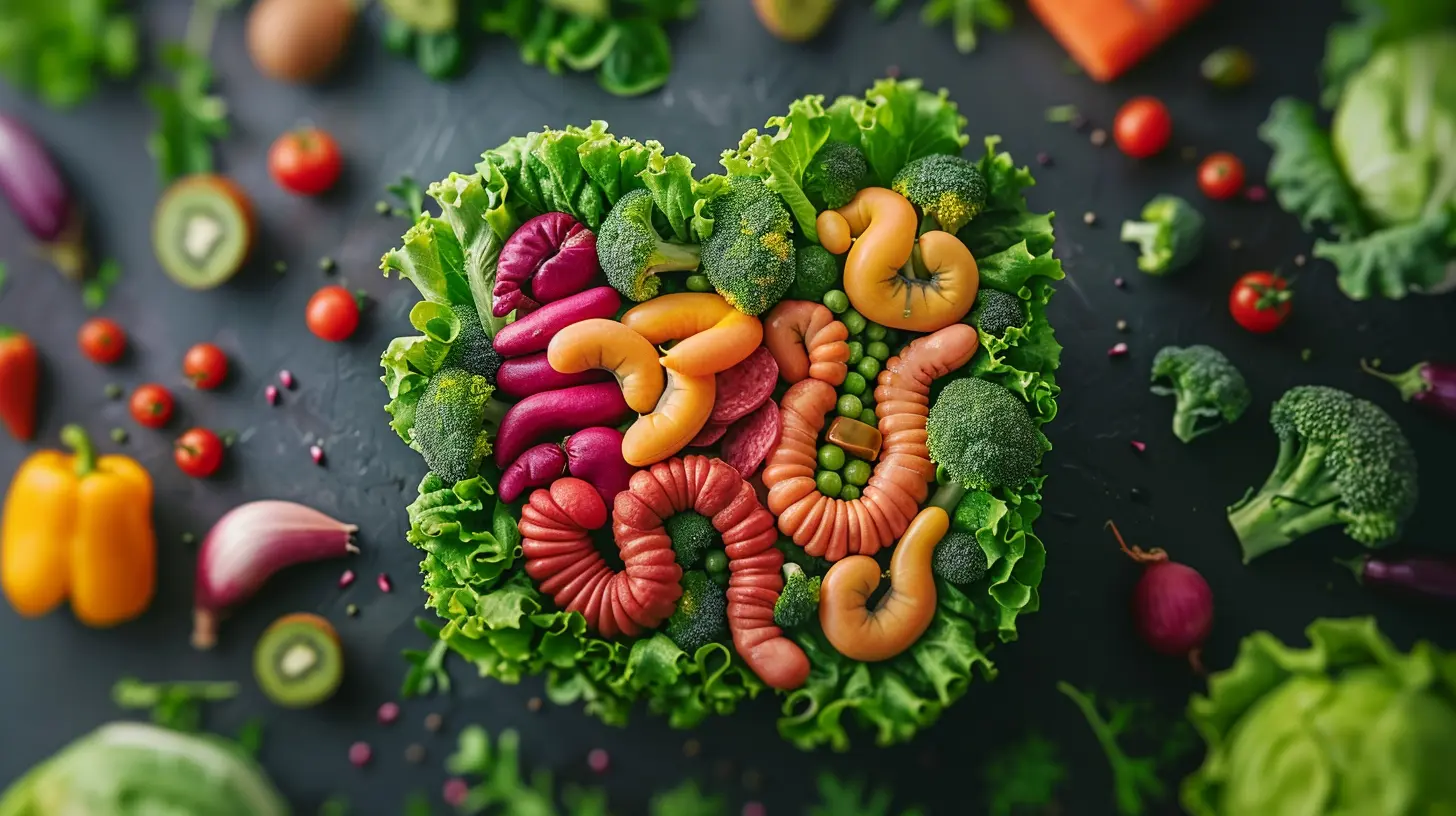
What's Going On Inside Your Gut Anyway?
Your gut isn’t just a food processing machine—it’s a complex ecosystem made up of trillions (yes, trillions) of microorganisms. This mix of bacteria, fungi, viruses, and other tiny creatures is what we call the gut microbiome. Think of it as a bustling city of microscopic life that helps manage everything from digestion to immune function.But here’s the kicker: this microscopic population affects way more than just your stomach. Among many things, it plays a pivotal role in how your body processes food, stores fat, and even how hungry or full you feel.
Mind-blowing, right?
Gut Health and Weight Loss: What’s the Connection?
1. Gut Bacteria Influence How You Store Fat
Some types of gut bacteria are better at breaking down certain foods and extracting energy from them. That energy has to go somewhere… and often, it gets stored as fat.One of the groundbreaking studies in this space involved transplanting gut bacteria from obese individuals into lean mice. Guess what happened? The lean mice started gaining weight—without eating more food. That’s how powerful your gut bacteria can be.
2. Your Microbiome Talks to Your Brain
Ever heard of the "gut-brain axis"? It’s a two-way communication highway between your gut and your brain. Certain microbes in your gut can produce neurotransmitters (yup, the same chemicals that influence your mood), which help signal when you’re full or hungry.In plain English: If your gut is out of whack, it can send false alarms to your brain, leading you to eat when you’re not even actually hungry.
3. Poor Gut Health Equals More Cravings
When your gut bacteria are imbalanced—a condition called dysbiosis—it can actually encourage cravings for sugar and processed foods. Some bad bacteria thrive on sugar and release chemicals that make you want more of it. It’s like they’re hijacking your taste buds!So, if you find yourself constantly craving chips or cookies, it might not be your fault—it could be those microscopic sugar junkies in your gut.
Why Weight Regain Happens (and How Gut Health Fits In)
Let’s paint a familiar picture: You follow a diet, exercise regularly, lose weight, and feel amazing. But after a while, the pounds start returning, even if you think you're doing everything right.Frustrating, huh?
Well, here's something most diets don't tell you: when you lose weight rapidly or through restrictive eating, your gut microbiome often takes a hit. You may be losing weight, but you’re also stripping your gut of its diversity. And that diversity is essential for a healthy metabolism and sustained weight loss.
Your gut bacteria help regulate blood sugar, control inflammation, and manage fat storage. Without a robust and balanced microbiome, your metabolism slows down, cravings spike, and fat storage switches on like a light. In short: the weight comes back.
Signs Your Gut Health May Be Sabotaging Your Weight Goals
Not sure if your gut health is out of line? Here are a few red flags:- Persistent bloating
- Irregular bowel movements (constipation or diarrhea)
- Intense food cravings (especially for sugar and carbs)
- Fatigue and brain fog
- Troubled sleep
- Mood swings or anxiety
If you nodded your head to more than one of these, your gut could be waving a big red flag.
The Secret Sauce: Building a Gut That Supports Weight Loss for Life
Alright, time for the good news. You can absolutely improve your gut health—and in doing so, make it easier to maintain your weight loss. It’s not about popping a few probiotics and calling it a day. Instead, it’s about creating a gut-friendly lifestyle.Let’s break it down.
1. Eat More Fiber-Rich Foods
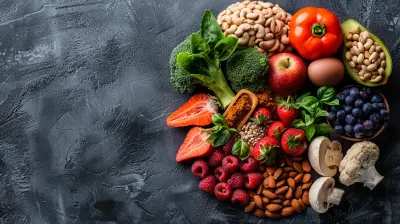
Think of fiber as food for your gut bugs. The good ones thrive on it! Aim for foods like:- Beans and lentils
- Whole grains (like oats, quinoa, or brown rice)
- Fruits (especially apples, berries, and bananas)
- Vegetables (broccoli, spinach, artichokes—it’s a long list!)
- Nuts and seeds
Fiber keeps your digestion running smooth, but it also nourishes the microbes that help regulate your weight.
2. Fermented Foods Are Your New Best Friends
Fermented foods are rich in probiotics—those beneficial bacteria that strengthen your microbiome. Include:- Yogurt (look for ones with live cultures)
- Kefir
- Sauerkraut
- Kimchi
- Miso
- Kombucha
Start small though—fermented foods can cause gas and bloating if your gut isn’t used to them.
3. Skip the Artificial Stuff
Artificial sweeteners like aspartame and sucralose can mess with your gut bacteria. Some studies suggest they can actually raise blood sugar levels by altering the microbiome. Stick to natural sweeteners in moderation, like honey or maple syrup.4. Stress Less (No, Seriously)
Stress is like Kryptonite for your gut. When you're stressed, your body produces more cortisol, which can throw your gut bacteria out of balance. Consider meditation, yoga, journaling—or even just a walk in nature.5. Sleep Your Way to a Healthier Gut
Your gut likes routine. Sleep deprivation and irregular sleep schedules can make your gut bacteria grumpy. Aim for 7–9 hours of sleep, and try to go to bed and wake up at the same time every day.6. Stay Active
Exercise doesn't just burn calories—it boosts gut health, too. Physical activity increases microbial diversity, strengthens your immune system, and helps regulate hormones that affect hunger and metabolism.You don’t have to become a gym rat. Even 30 minutes of brisk walking a day can make a huge difference.
The Probiotic vs. Prebiotic Puzzle
Let’s clear up the confusion around these buzzwords:- Probiotics are live bacteria found in certain foods and supplements. They help populate your gut with good bacteria.
- Prebiotics are types of fiber that feed your healthy gut bacteria.
Think of probiotics as the seeds, and prebiotics as the fertilizer. You need both for a thriving gut garden.
Great sources of prebiotics include:
- Onions
- Garlic
- Leeks
- Asparagus
- Bananas (especially slightly green ones)
What About Supplements?
Good question. While you can find probiotic and prebiotic supplements in most health stores, not all are created equal. Look for:- Strains backed by research (like Lactobacillus and Bifidobacterium)
- A high CFU count (10 billion+ is a good start)
- A reputable brand that guarantees shelf-life stability
But remember, supplements should support a gut-friendly diet—not replace it.
Can You Really Reset Your Gut?
There’s a lot of buzz around the idea of “resetting” or detoxing your gut. Truth is, it’s less about drastic cleanses and more about consistent, sustainable changes. Focus on variety, whole foods, hydration, sleep, and movement. Your gut’s pretty smart—it just needs the right environment to thrive.Final Thoughts: Trust Your Gut (Literally)
Sustaining weight loss isn't just about calories in and calories out. It’s deeper than that—right down to the bacterial level. If you’ve been struggling to keep the weight off even though you’re eating “right” and exercising, don’t overlook your gut.Start small. Add in more fiber, eat some yogurt, go for a walk, manage your stress. These micro changes can lead to major shifts—not just on the scale, but in how you feel every single day.
Your gut's talking to you. Are you listening?
all images in this post were generated using AI tools
Category:
Weight MaintenanceAuthor:

Angelo McGillivray
Discussion
rate this article
2 comments
Natalie Johnson
Oh great, now my gut needs a performance review too? Can’t wait for my microbiome to join my weight loss support group!
March 7, 2026 at 3:44 PM
Angelo McGillivray
Haha, I love your sense of humor! Your microbiome definitely plays a crucial role in weight management—think of it as a team player in your weight loss journey!
Alanna McKay
Great article! Understanding the link between gut health and weight loss is crucial. A balanced gut microbiome can enhance digestion and metabolism, supporting long-term weight management effectively.
March 1, 2026 at 5:48 AM
Angelo McGillivray
Thank you! I'm glad you found the article insightful. Gut health truly plays a vital role in weight management.